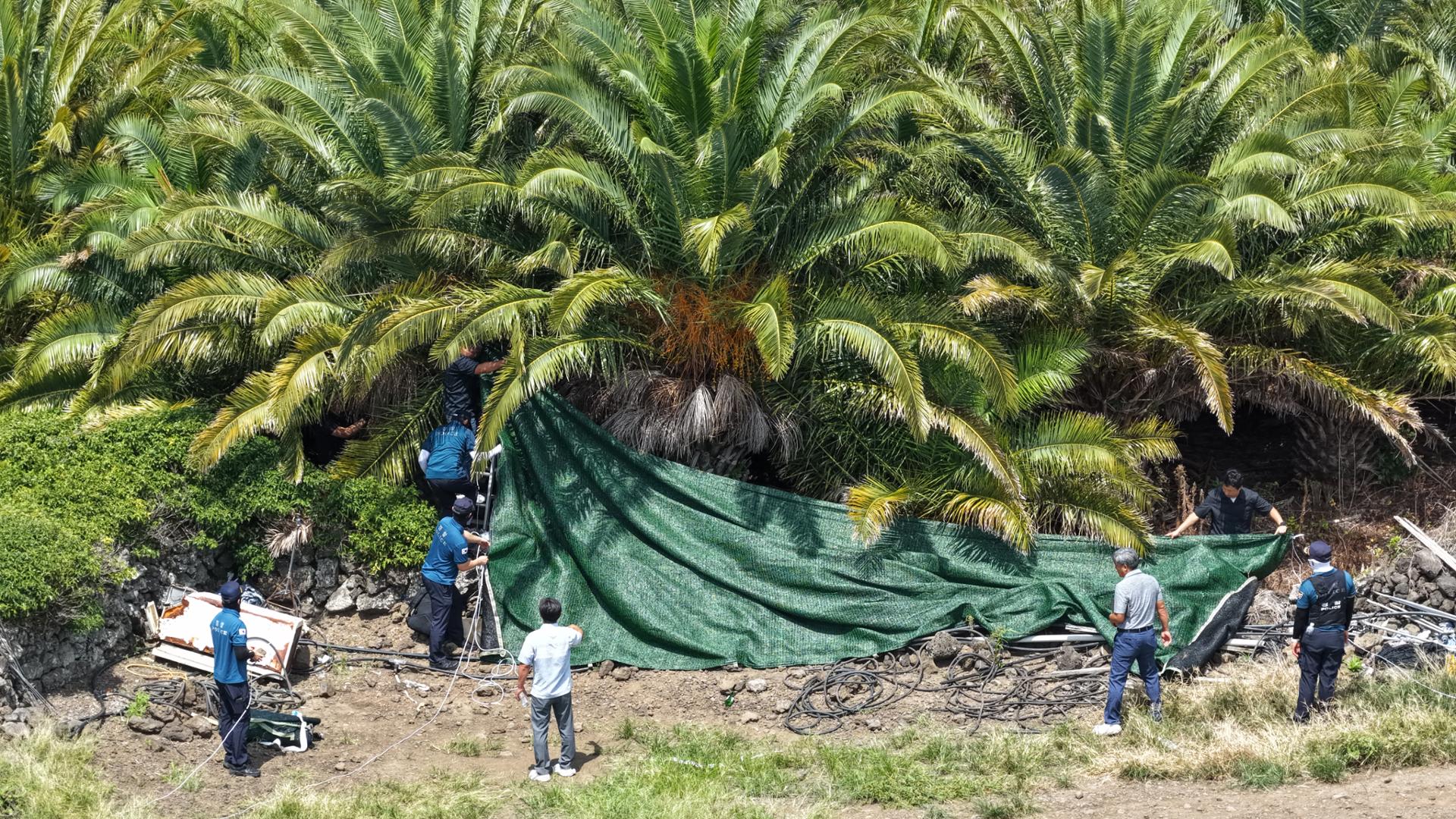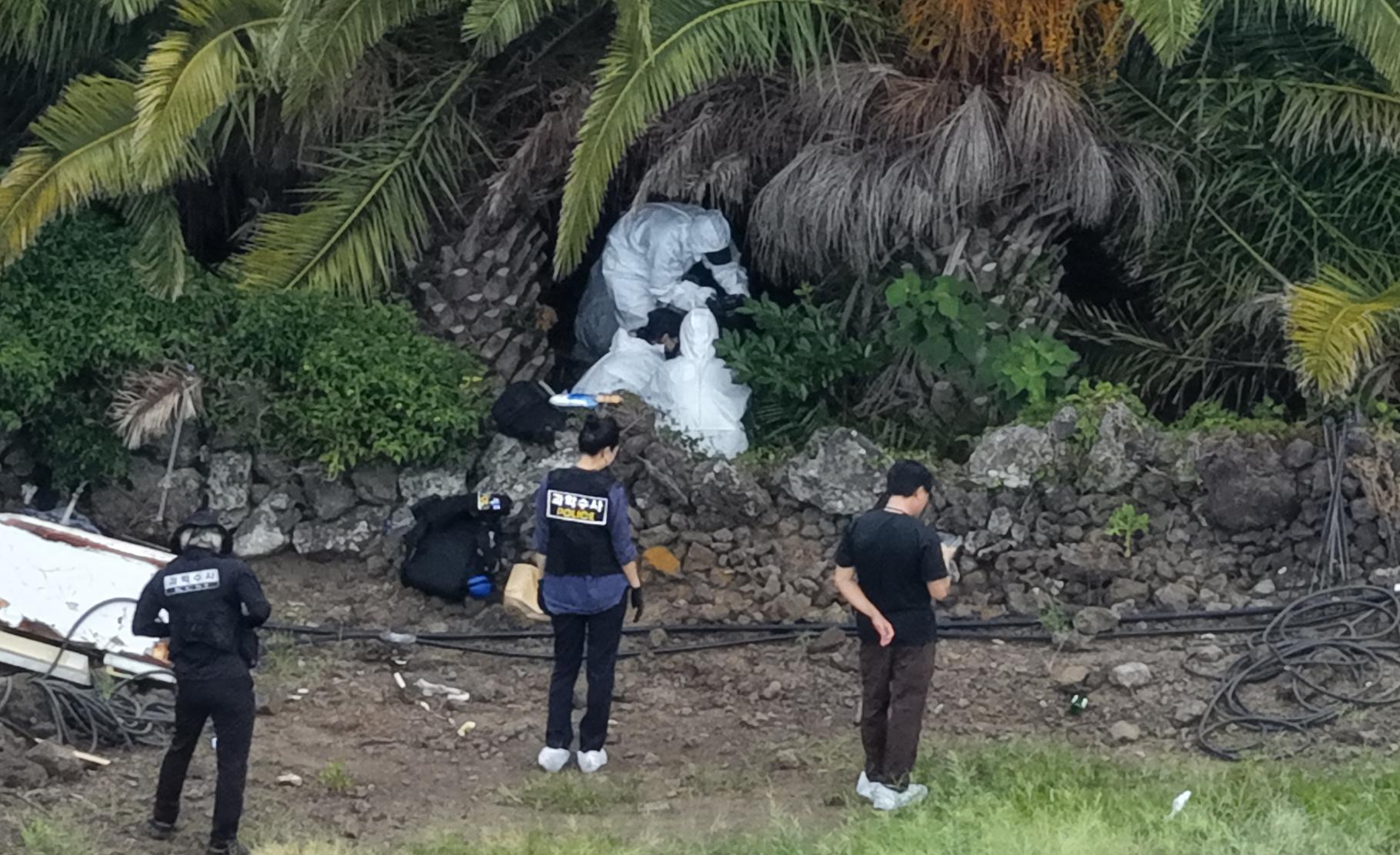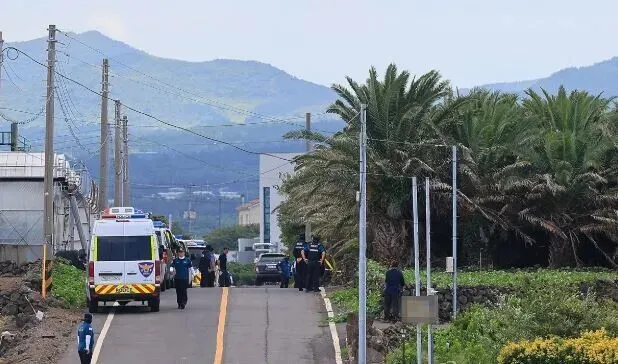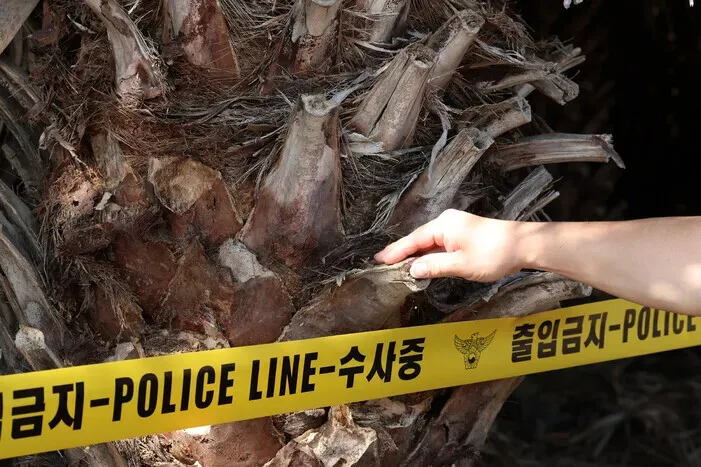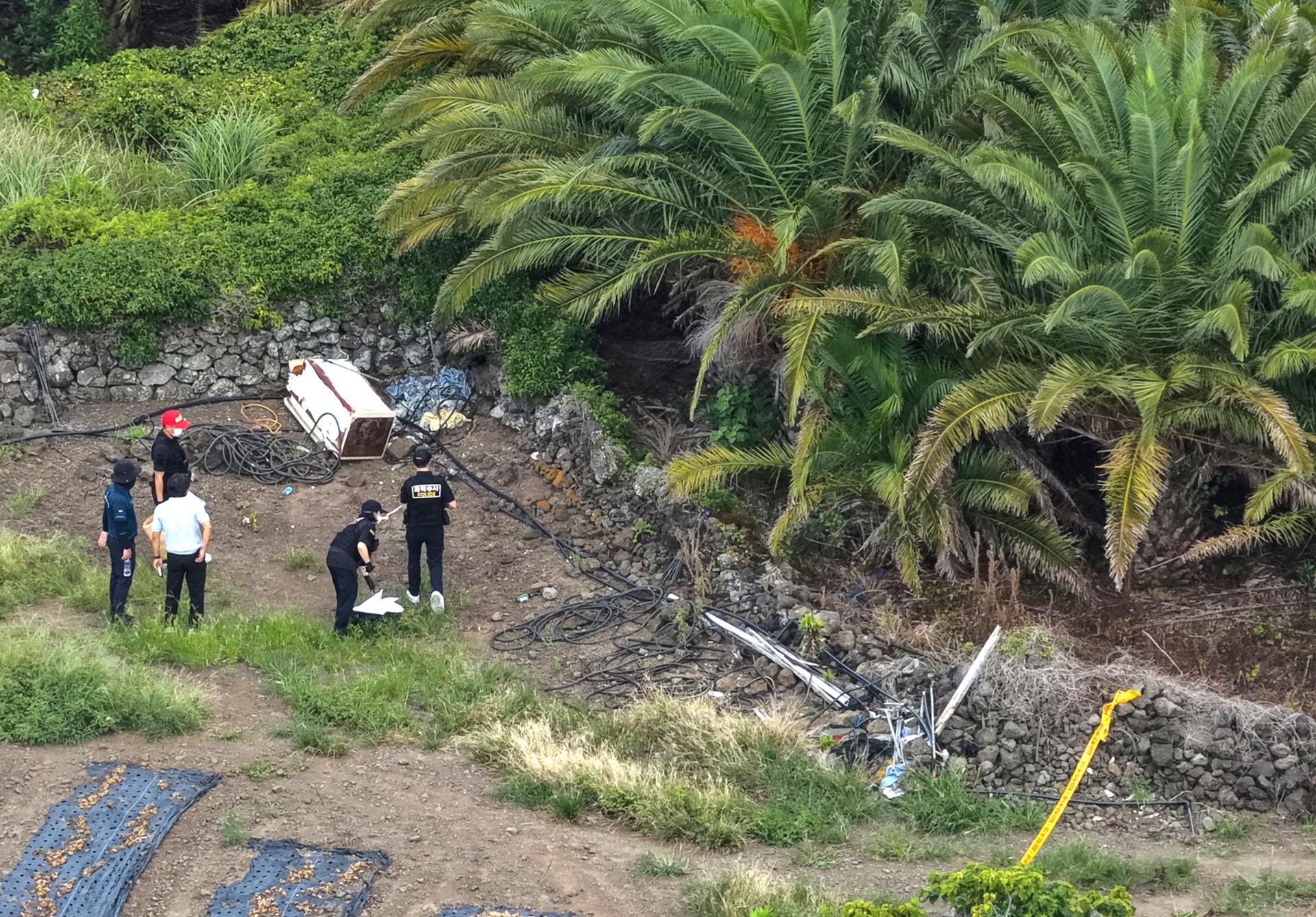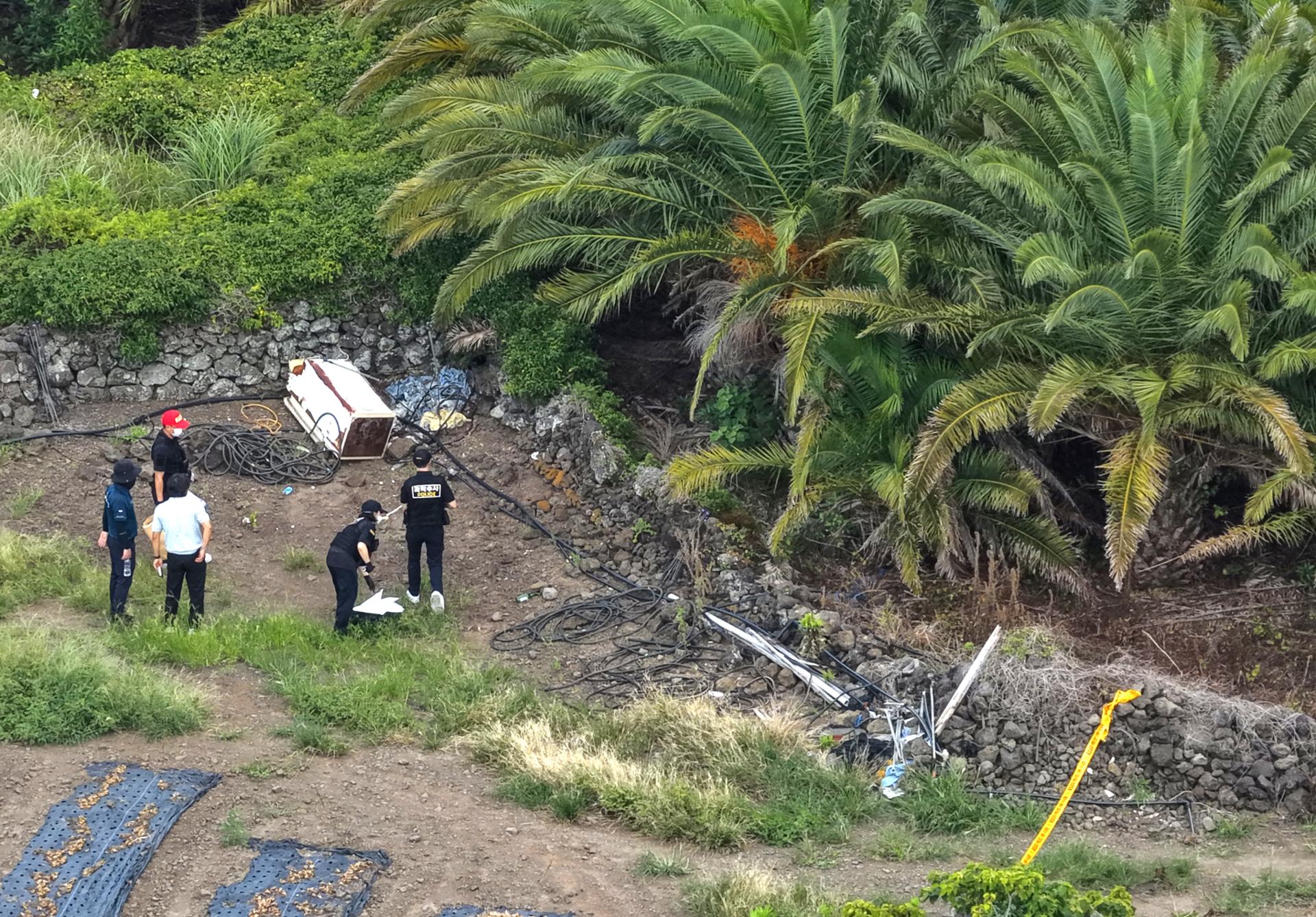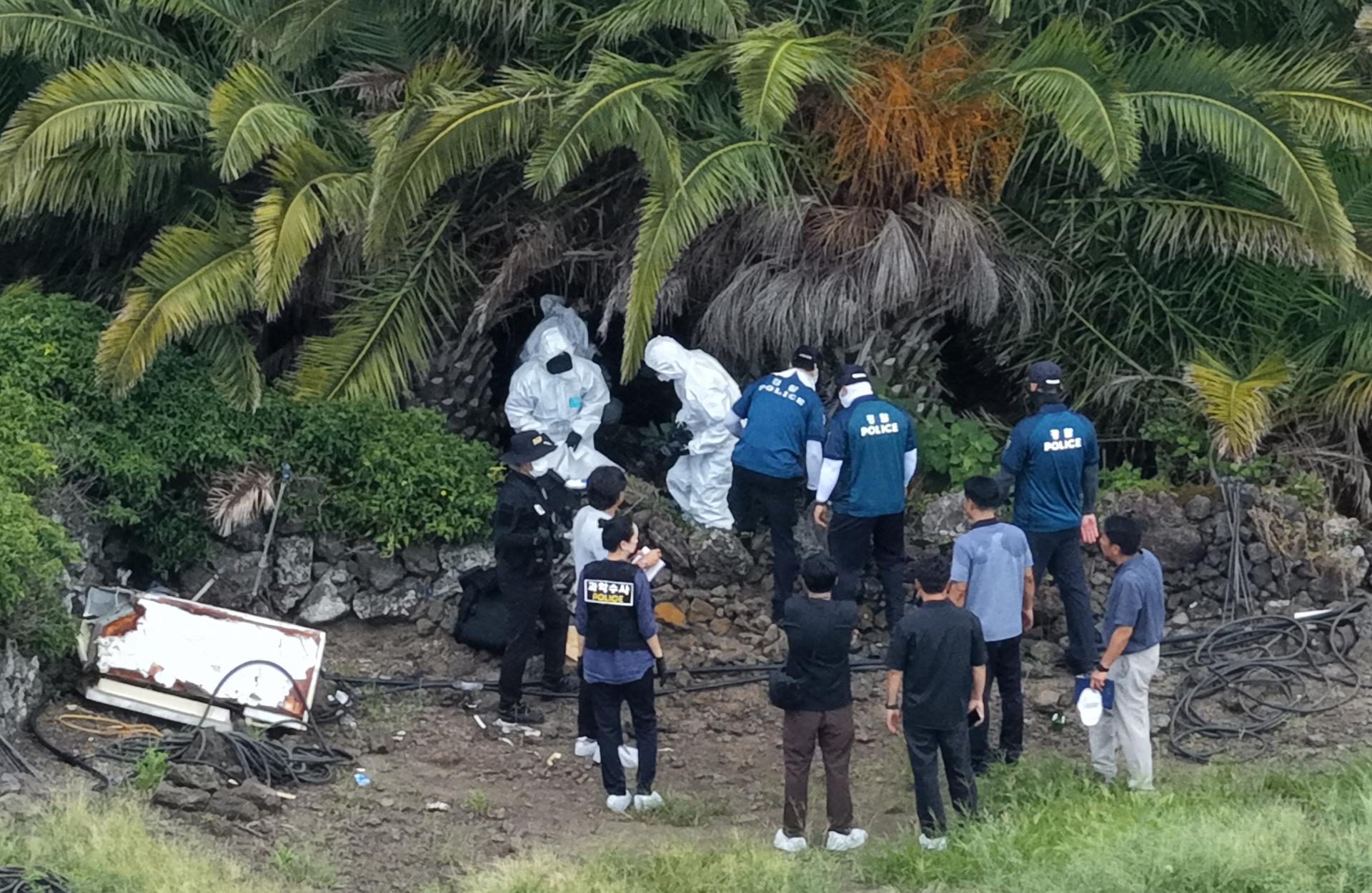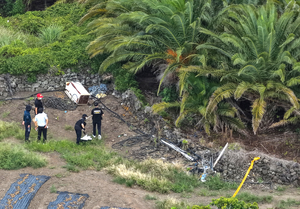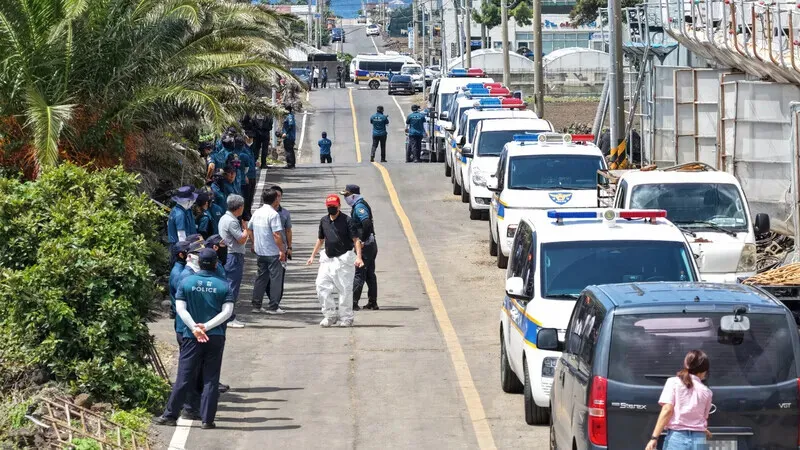
After refreshing the news with a heavy heart, I stopped. At 10:46 am on Monday, a 400-person search effort involving police, government, military and private-sector personnel began, and within an hour, searchers had found the body of Jang Mi-ran, who had been missing since May. Jang’s remains were found in the small village of Suwon in Jeju’s township of Hallim. Coincidentally, I spent a month in the same neighborhood a few years ago. What could have befallen this woman in a place of such beauty? My thoughts went to how her body, lying still, weathered the sweltering heat. As belated as they are, I wish to pay my respects. There are times we need to know what happened to a person, but that information is not readily available. When a person dies, disappears or has been assaulted — or even if we just suspected that they have — it’s only natural that we call the police. What was shocking about Jang’s case was that on the day the missing person report was filed, the officer in charge claimed that the missing person in question had been contacted before marking her case as closed in the system. But there are no records to prove that the officer actually spoke with Jang. The police have said that they will now finally change the system that allowed workers to arbitrarily enter reasons such as “death from unnatural causes” to remove people from the missing persons database without their superior’s approval. However, it is still deeply shocking to learn that even if you call the police, file a missing person report, or file a lawsuit or complaint against the police, whole cases can just disappear from the face of the earth. Jang’s family, who filed a second missing person report in July, distributed flyers on Aug. 19, which included a photograph, Jang’s full name, her age, where she went missing, distinguishing features, and contact information. The family wrote down everything that they knew and made that information public because they needed to find her. As the days dragged on painfully, one news report left an indelible impression.“Even though this has to do with us, the family of the missing person, we know even less than the reporters,” Jang’s family told a news outlet on Sunday.“We asked the police in charge of the case if we could receive the cell tower data that showed when and where she had signal, only to be told that information pertaining to the investigation could not be disclosed to family members,” they said. Does this make any sense? How would sharing the last known whereabouts and timeline of a missing person with their family impede a police investigation? How would this compromise the investigation and search for truth? Why was this information withheld from Jang’s family, who had been spending day after excruciatingly long day for the past three months in pain? Why were they denied this information when they willingly made their loved one’s face, name and contact information public? If this information should be kept within the family, what stops the police from providing the information with some precautions? It is difficult to think of a reasonable explanation. Why are the details of the case slowly leaked to reporters, while remaining off-limits for the missing person’s family? Police have long relied on the idea that they cannot disclose certain information because it is “part of an ongoing investigation.” Sometimes, even those directly affected in cases of violence, bodily harm or death are unable to learn what exactly happened. In such cases, anyone would naturally turn to the police for help, only to find that the investigative authorities classify the factual evidence they uncover as “confidential.” This can be seen all too often in sexual assault cases. A victim who has been sexually assaulted while heavily intoxicated may be confused about the specifics of what happened to them — whether the clothes they were wearing were used as weapons against them, if they had been filmed without their consent on the street or inside a vehicle, or if they had been carried away by multiple assailants rather than one. Shouldn’t those directly affected, such as the victim and their families, be able to have access to the DNA test results confirmed by the police, the existence of CCTV footage, and whether any footage taken of them without their consent is in cloud storage or on various storage devices? It is supremely unfair for the police to use confidentiality as a pretext to withhold hard evidence from a victim when the victim themselves is unaware of the facts surrounding a crime they personally experienced. To begin with, this is an incident that the victim has themselves experienced. Secondly, these are records of facts that cannot be altered or distorted. Thirdly, the police secured this evidence in its original state to prevent tampering. Any other concerns can be addressed with proper precautions. Treating all such information as being confidential can only be explained as an attempt to dismiss victims. Starting Oct. 2, victims will be able to request access to and copies of investigative records to file objections in cases that have been terminated by the police. This change stems from changes to the Criminal Procedure Act, which included the better-known abolition of the prosecutors’ authority to order supplementary investigations. However, it remains unclear which investigation records the police will provide, and how they will do so. The Criminal Procedure Act mandates that the police provide records not only of evidence confirming the case’s facts, but also the suspect’s claims and key statements, along with the rationale and opinions underlying the police’s decisions. Even if they do not wish to file an objection, the police ought to disclose any and all facts that are essential to helping those affected move forward with their lives. What the victim has experienced belongs to the victim. Please direct questions or comments to [english@hani.co.kr]
[Column] A woman went missing in Jeju. Why did police keep evidence from her family?
“Confidentiality” of investigations is being used to keep victims and their loved ones in the dark
990 words~5 min read