Perplexity introduced a new tool on Tuesday designed to execute artificial intelligence tasks directly on a user’s local hardware. This offering promises to keep sensitive information secure by processing it on-site and only connecting to the cloud when specifically instructed to handle complex research assignments.
Technical Architecture and Operational Benefits
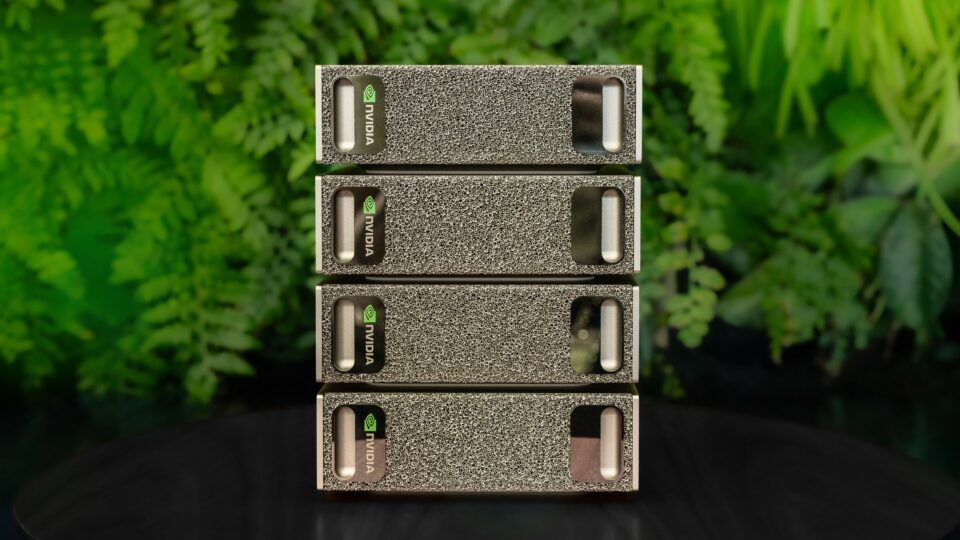
The new service is officially named Portable Computer. It functions as a localized version of the existing Perplexity platform. The system is engineered to run on Nvidia DGX Spark hardware. It currently utilizes Qwen 3.8 27B or a specialized version known as PPLX 27B. The company indicated that a 30B open model will be available in the near future.
The entire operational stack resides on the local machine. This includes the orchestrator, the planner, and the tool router. The system also runs its own scheduler, task queue, and local search index. Currently, the software requires a Linux operating system to function. However, the company noted that a version compatible with Windows is under development.
For many organizations, the primary draw of this technology is the reduction of operational expenses. On-device processing does not subtract from a user’s cloud token credits. Costs are only incurred when a user explicitly moves a task to the cloud for deeper reasoning. This local-first approach helps companies manage their budgets while still accessing high-end AI capabilities when necessary.