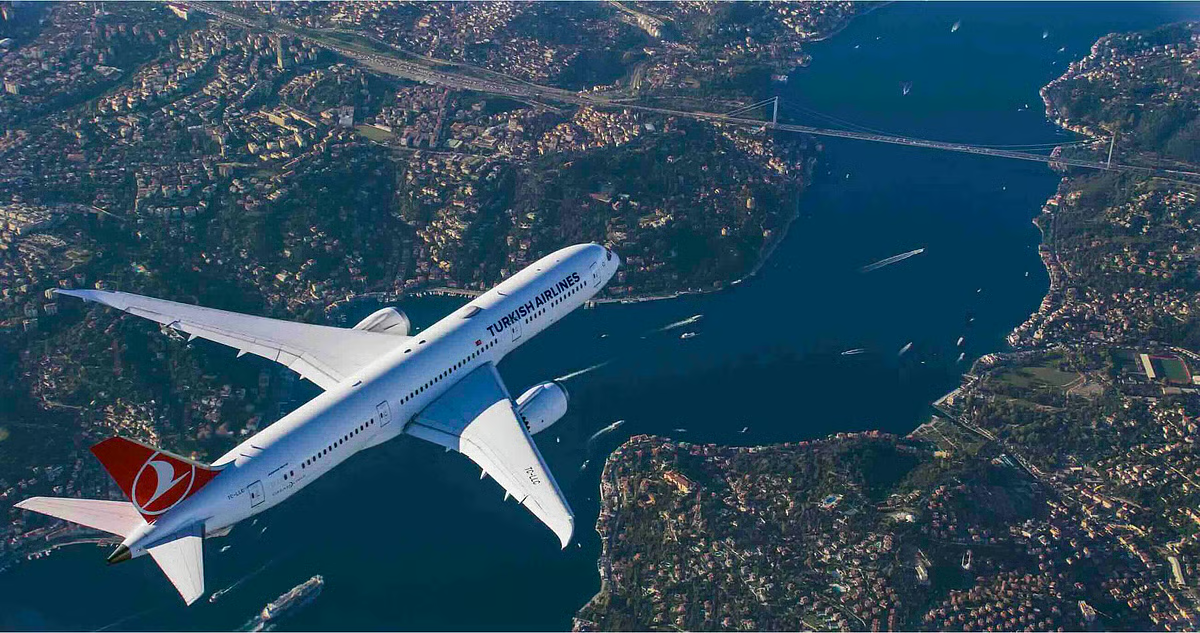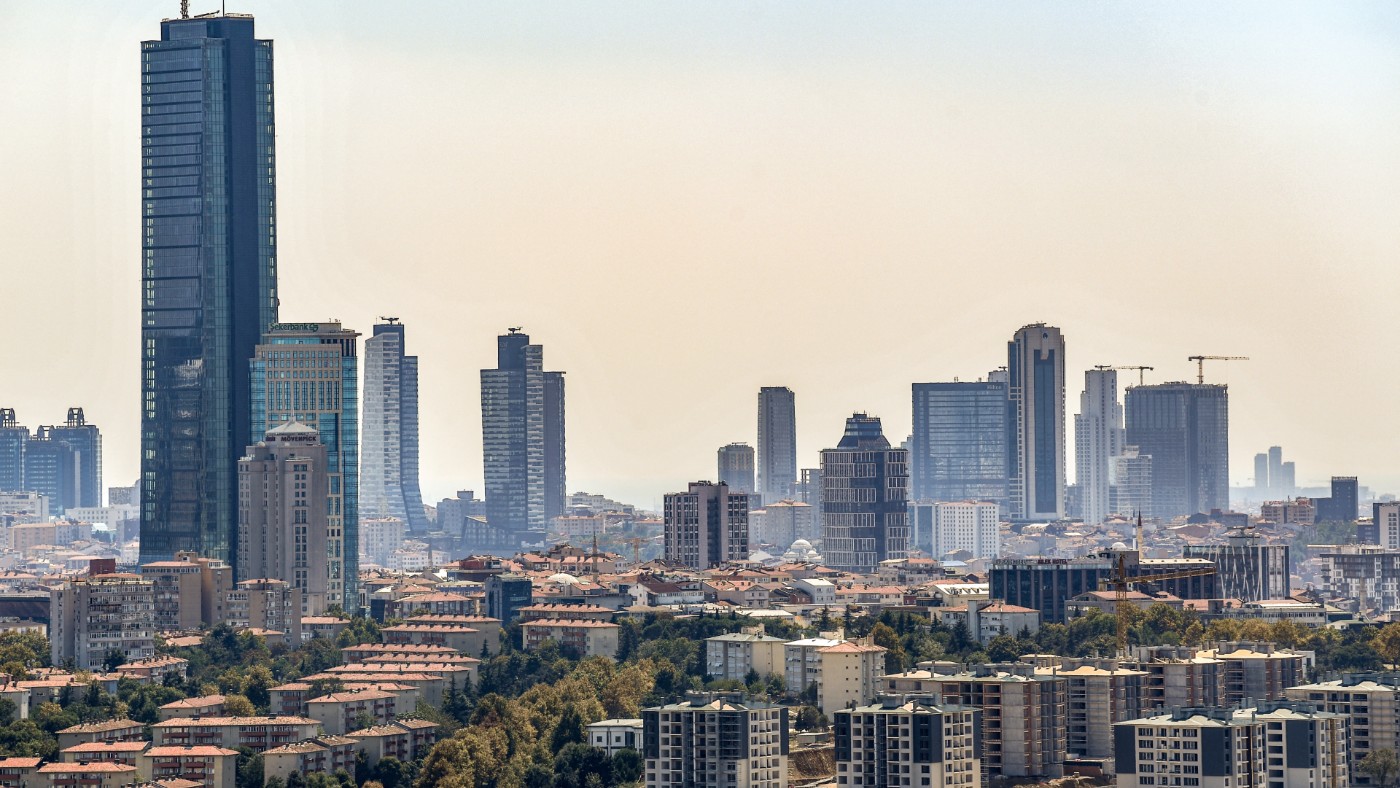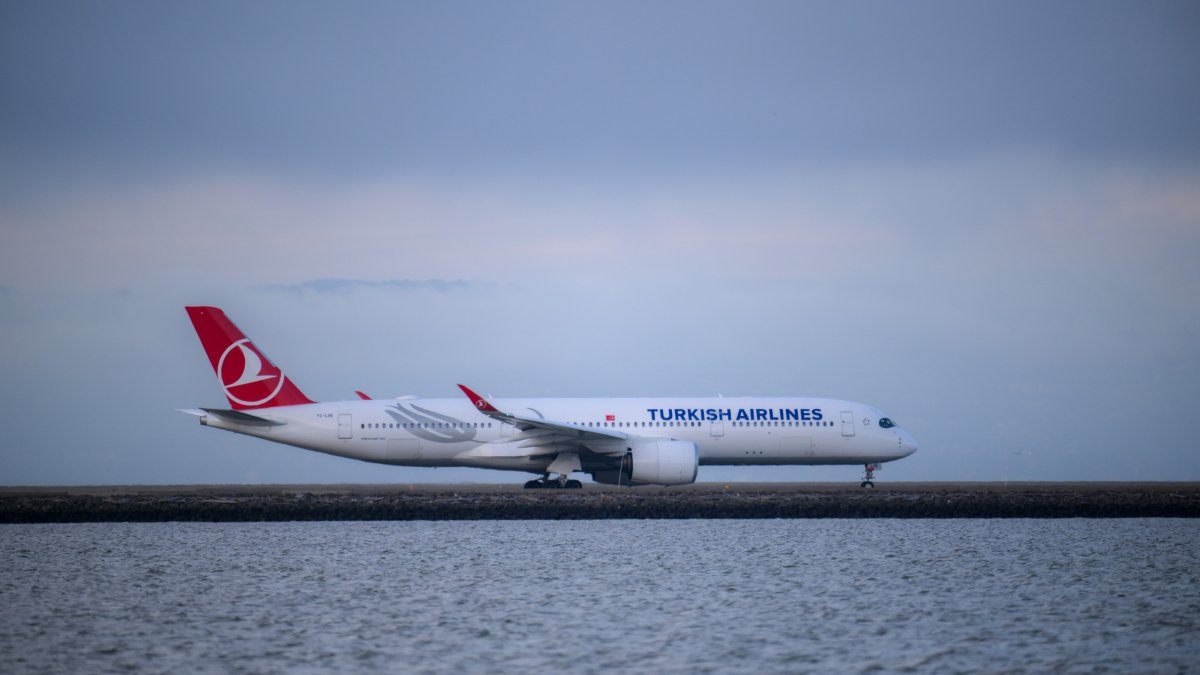
Turkish Airlines has emerged as a "big winner" amid the Middle East travel disruption, as Istanbul's strategic location has made it a desirable alternative to Gulf hubs and carriers.
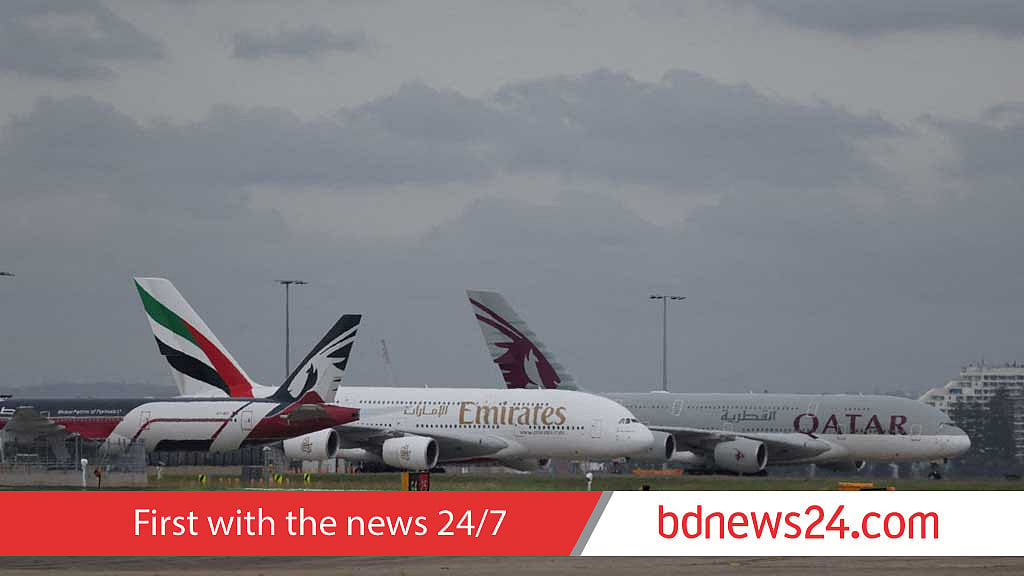
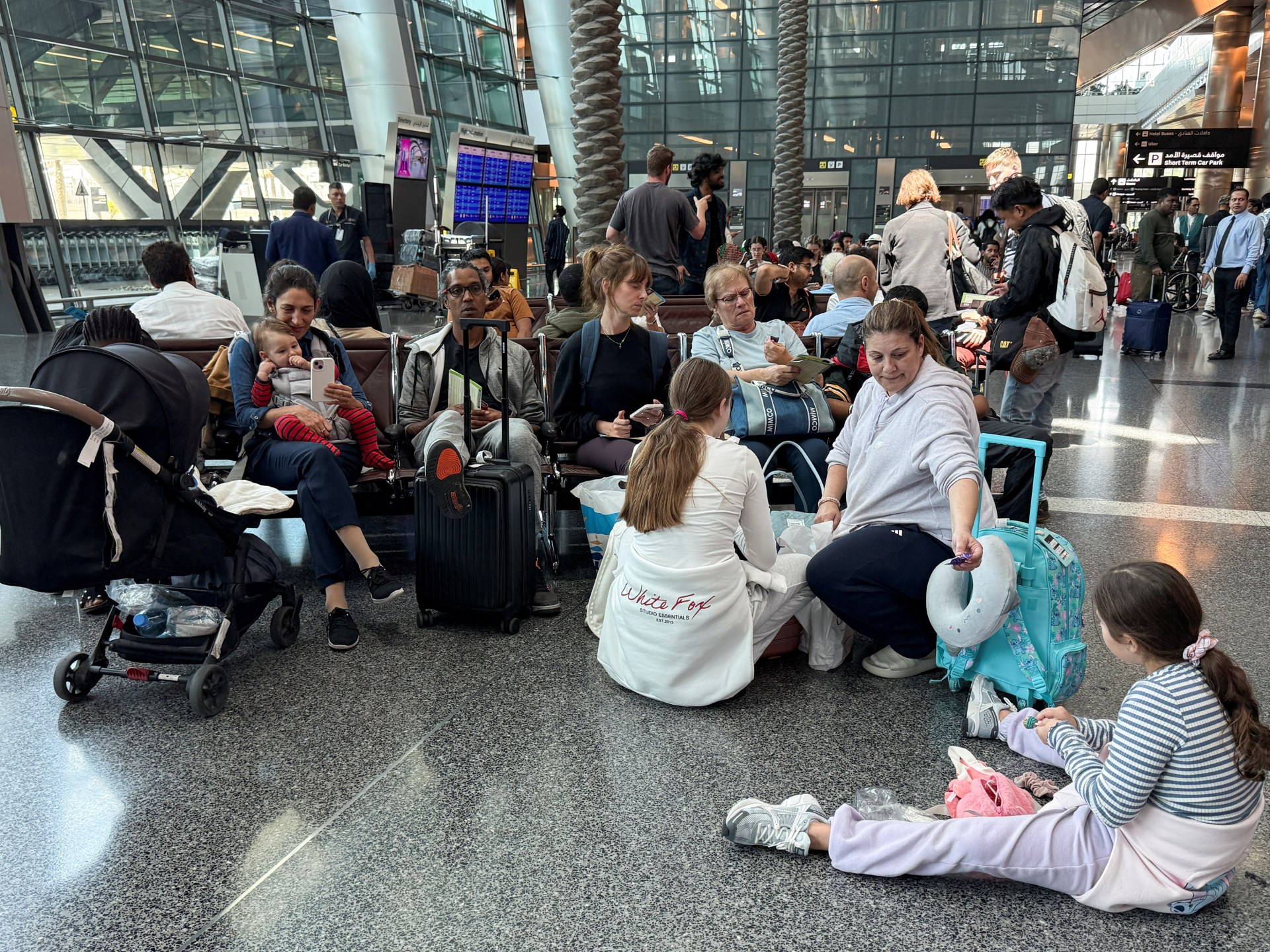
After six months of war that began with the U.S. and Israel's strikes on Iran, the Gulf's major aviation hubs continue to navigate turbulence as a hefty portion of their lucrative transit traffic has turned to other airports such as Istanbul.
Between April and June, business for Middle Eastern airlines – measured by passenger kilometers – was down 30%, with that figure down close to 50% on routes to Europe, according to the International Air Transport Association (IATA).
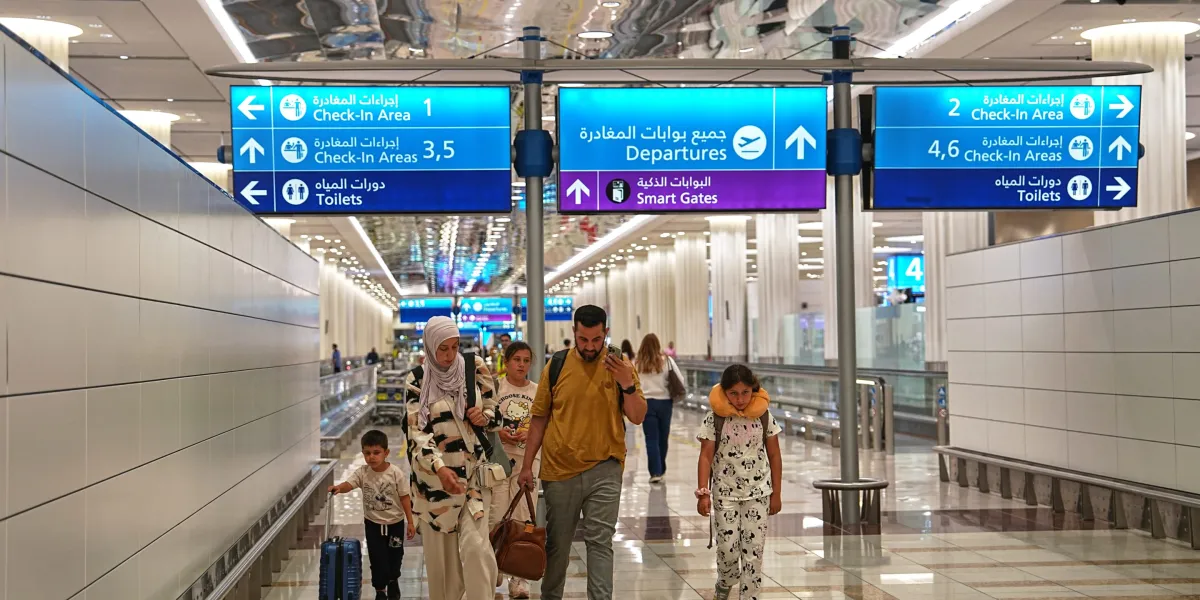
In Dubai, the number of flight seats scheduled was down 15% year-over-year in August, the biggest drop among the world's top 10 airports, aviation data specialist OAG said, though the UAE hub remained the world's leading international airport by that measure.
The shock to the Gulf is significant because the region had made connecting travel a linchpin of its economic strategy.