Six Months After the Protests: How Iran’s Economic Crisis Is Being Lived on the Streets
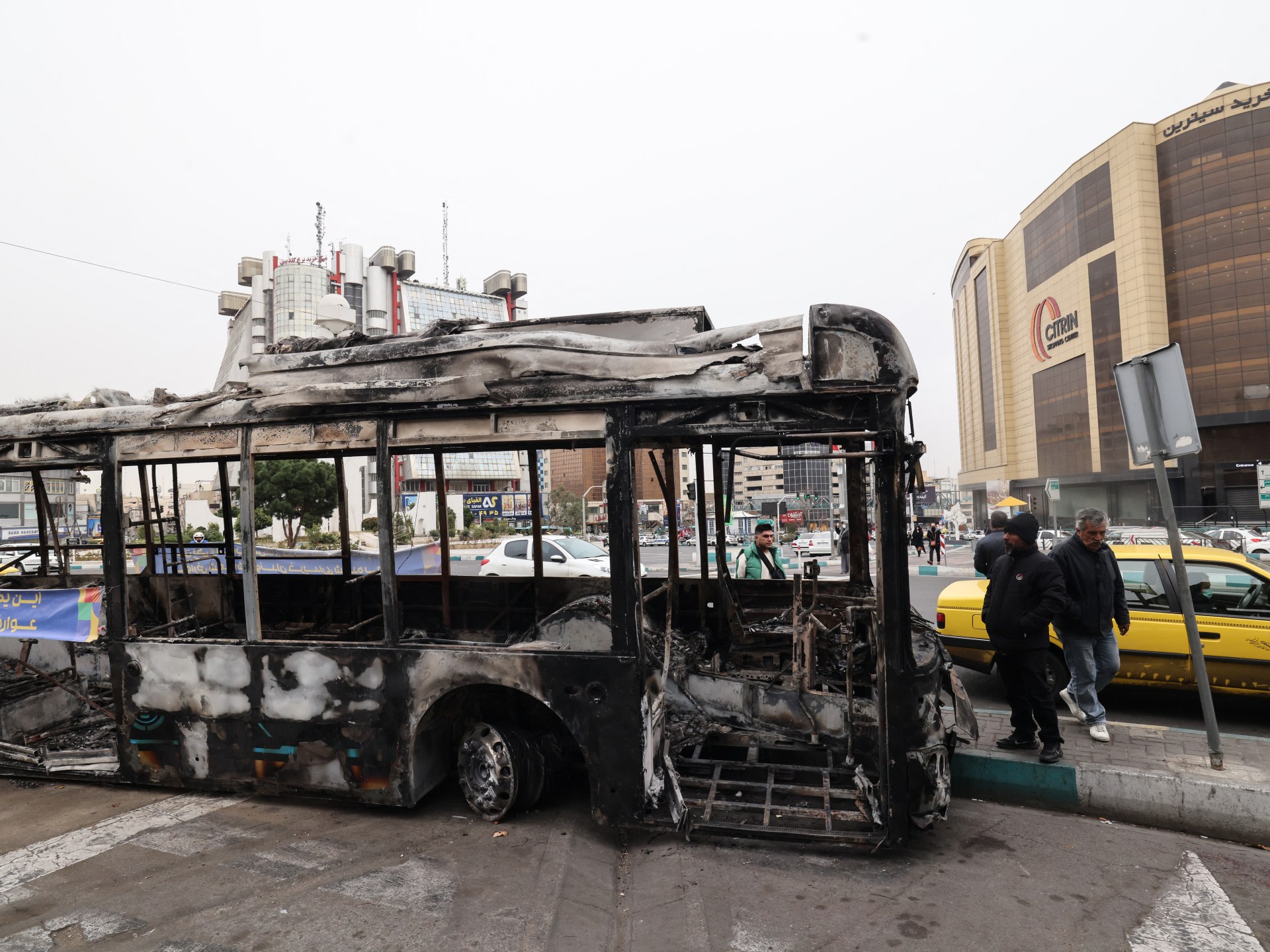
Around six months have passed since the January 2026 protests in Tehran’s Grand Bazaar and other major Iranian cities ended in the tragic mass killing of street protesters, followed by the war between Iran, the United States and Israel.
From the perspective of ordinary citizens, Iran’s economic situation had already been deteriorating, but over the past six months, it has become dire.
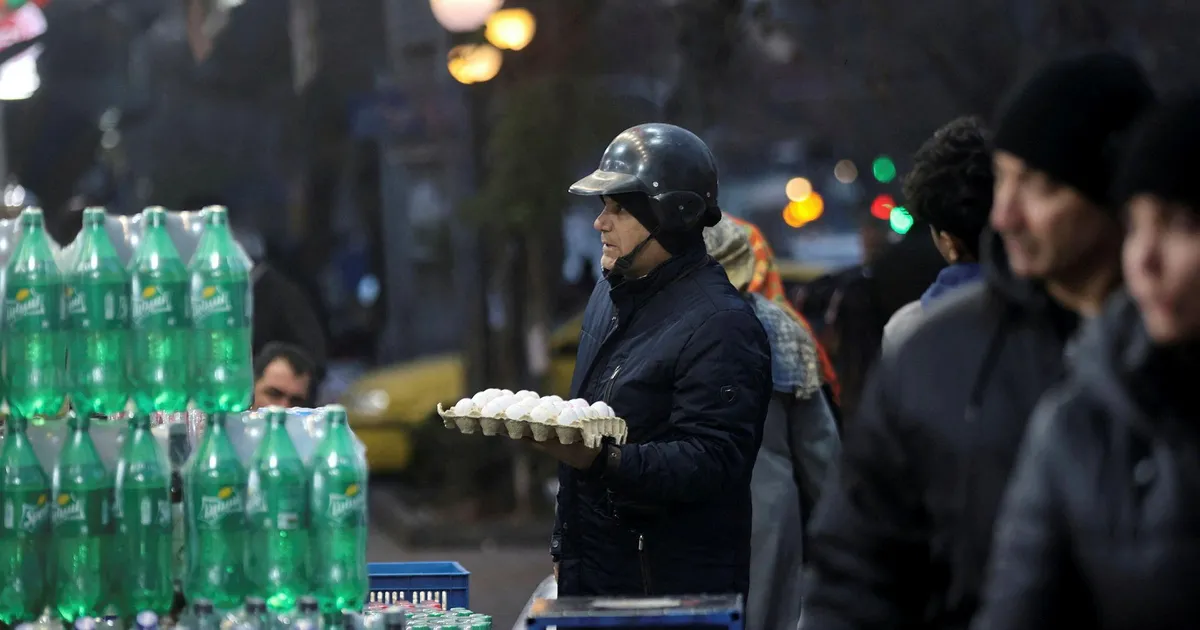
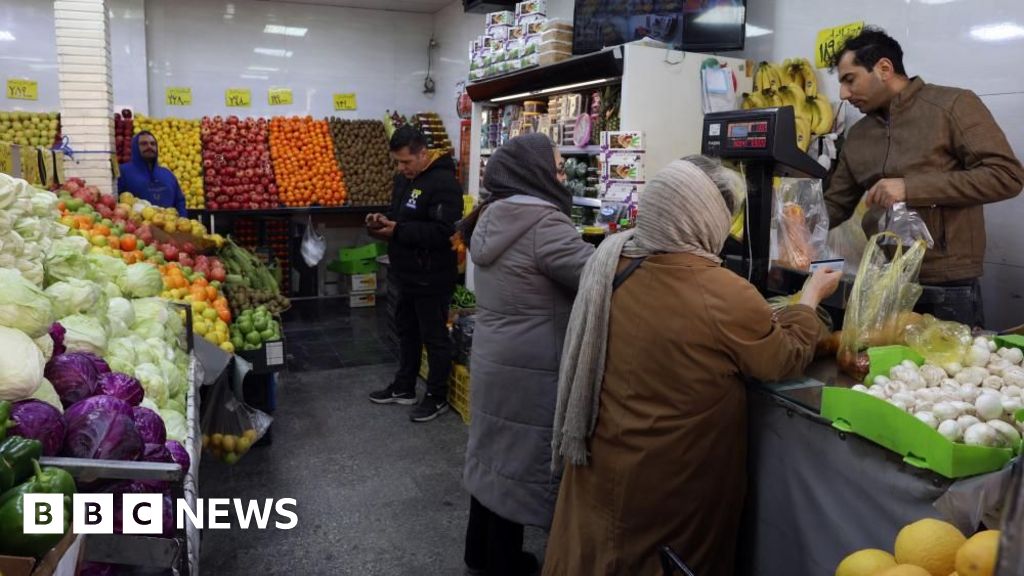
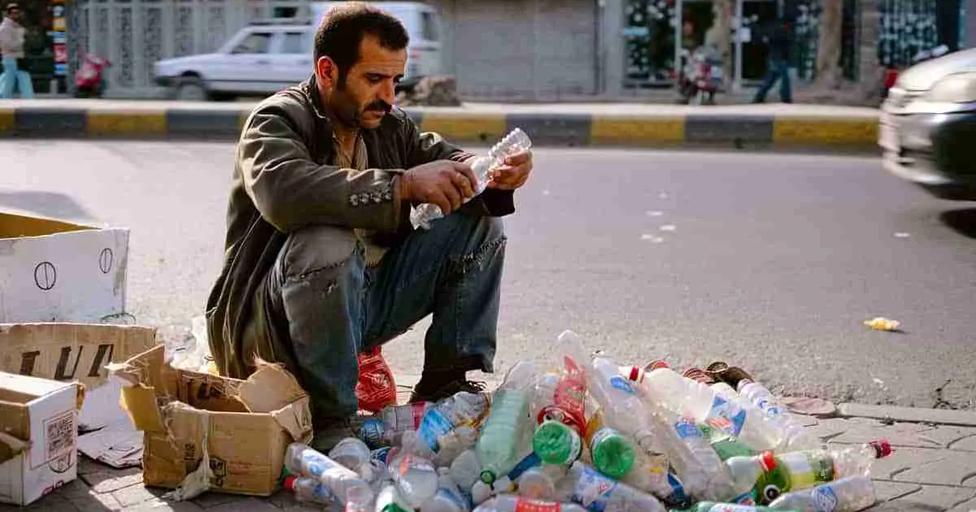
To update readers: Iran’s Misery Index, the sum of the annual inflation and unemployment rates, stood at 49.4 in 2021, rose to 54.8 in 2022, fell to 48.8 in 2023 and 40.1 in 2024. It then began rising again as inflation accelerated sharply. By July 2026, annual inflation had reached 66%. A comparable 2026 Misery Index cannot yet be calculated because a full-year unemployment figure is not available. But my observations in the streets, together with my vox pops, suggest that Iranian society is plunging into an abyss of poverty.
In the streets, particularly in downtown Tehran, snack shops display the prices of cooked rice, omelettes, boiled beans, lentil soup and other inexpensive foods in their windows.