Listen
/
1.0x
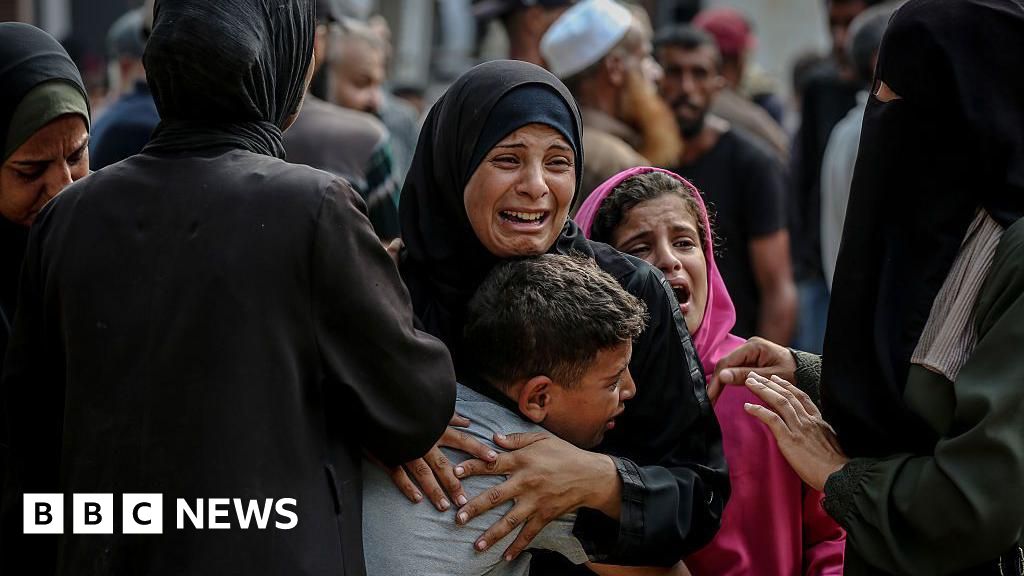
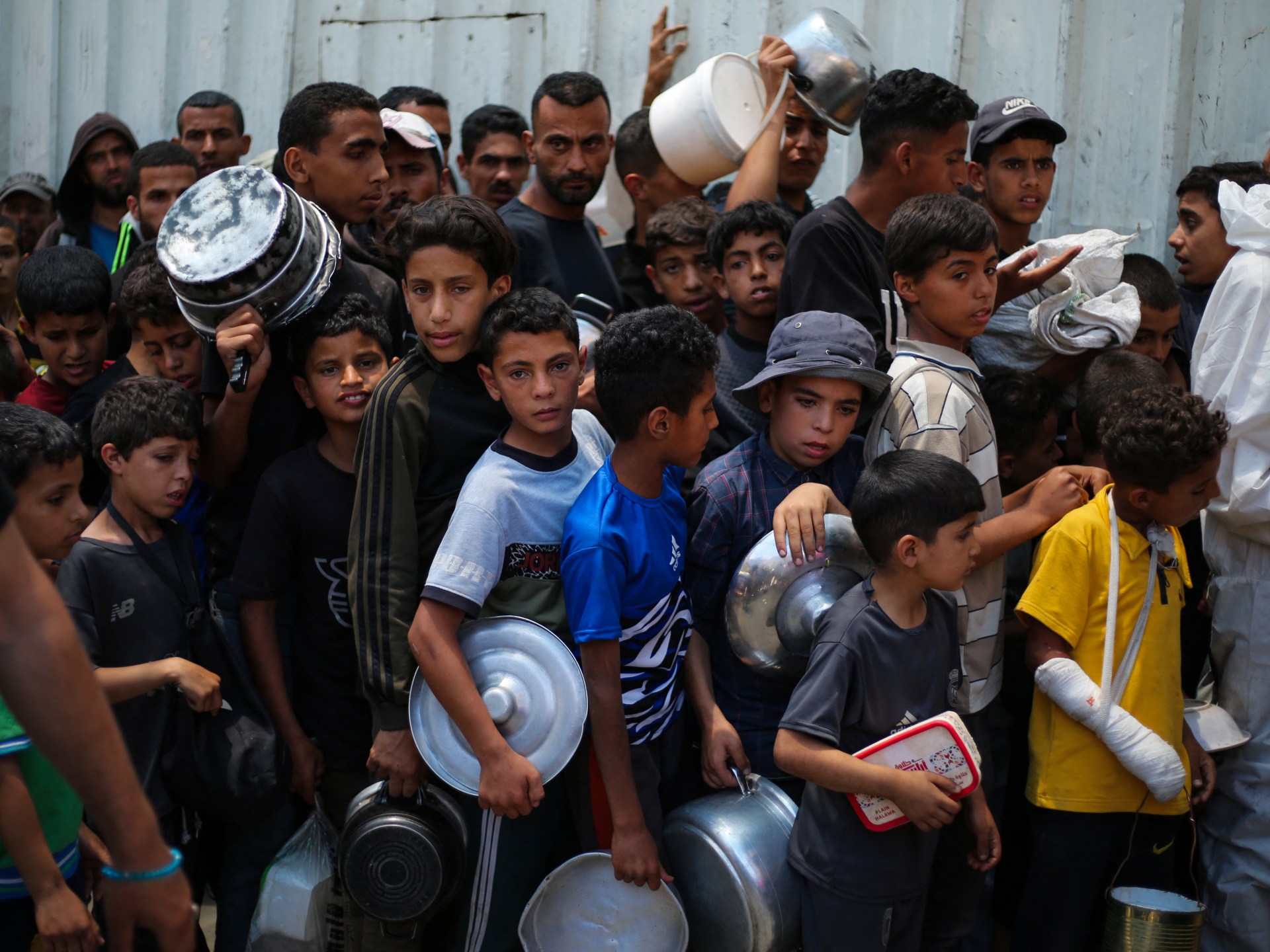
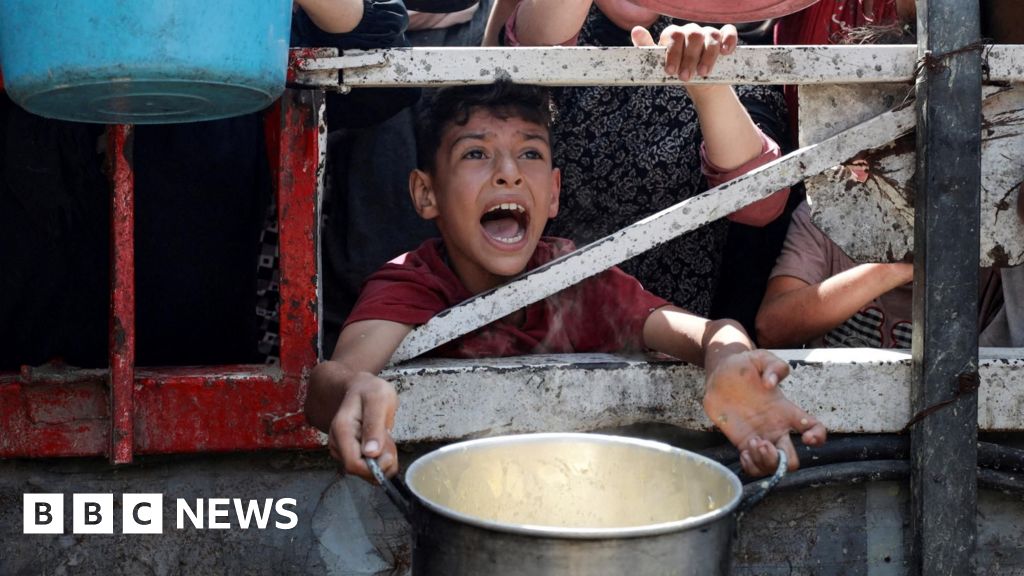
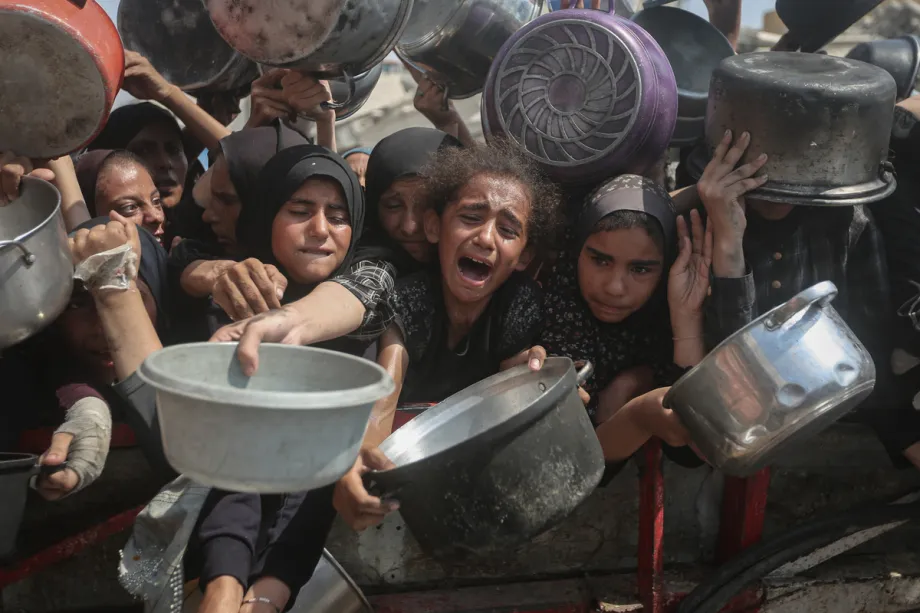
On 22nd August last year, the UN-backed Integrated Food Security Phase Classification (IPC) officially confirmed famine in Gaza Governorate, including Gaza City, after determining that famine conditions had already existed by mid-August 2025. More than half a million people were facing starvation, destitution and death. UN humanitarian chief Tom Fletcher, speaking to international media and later to the Security Council, called it “the Gaza Famine.” He warned that it could have been prevented, pointing to the restrictions on humanitarian access and the devastating consequences of Israel’s war on Gaza since October 2023—it is a manmade famine and it is “openly promoted by some Israeli leaders as a weapon of war” Fletcher emphasised . By the time famine conditions had somewhat receded following the 10th October 2025 ceasefire and improved humanitarian access, roughly two months had passed. In that period, hundreds of Palestinians had died from malnutrition, including at least 130 children, according to the World Health Organization (WHO) figures by 5th September.
It should be pointed out that famine did not suddenly appear on 22nd August. The IPC assessment was the culmination of months of warnings that Gaza’s food system was collapsing. As Israel made it increasingly difficult for aid organisations to operate in Gaza, even aid workers were killed, including the seven World Central Kitchen workers killed in an Israeli strike on 1st April 2024. Israel later acknowledged operational errors in the attack, dismissed two officers and reprimanded senior commanders, but did not pursue a criminal investigation into the killings despite condemnation from its allies including UK. By the time famine was formally confirmed, more than half a million people were already trapped in conditions of widespread starvation, destitution and preventable deaths. Dozens of aid organizations, including UN agencies such as the Food and Agriculture Organization (FAO), UNICEF, the World Food Programme (WFP) and the WHO, had already been warning repeatedly of the accelerating hunger crisis and calling for immediate, safe and unhindered humanitarian access. The IPC itself had warned in May, 2025, that the persistent inability of humanitarian agencies to reach people in dire need was making famine increasingly likely. The subsequent improvement is itself revealing: following the October ceasefire, food security and nutrition conditions improved as access for humanitarian and commercial food deliveries increased. By December, the IPC reported that famine conditions had been offset, although more than 100,000 people were still facing catastrophic levels of acute food insecurity and the overall situation remained critical. If famine could recede when access improved, the obvious question is why it was allowed to develop in the first place.