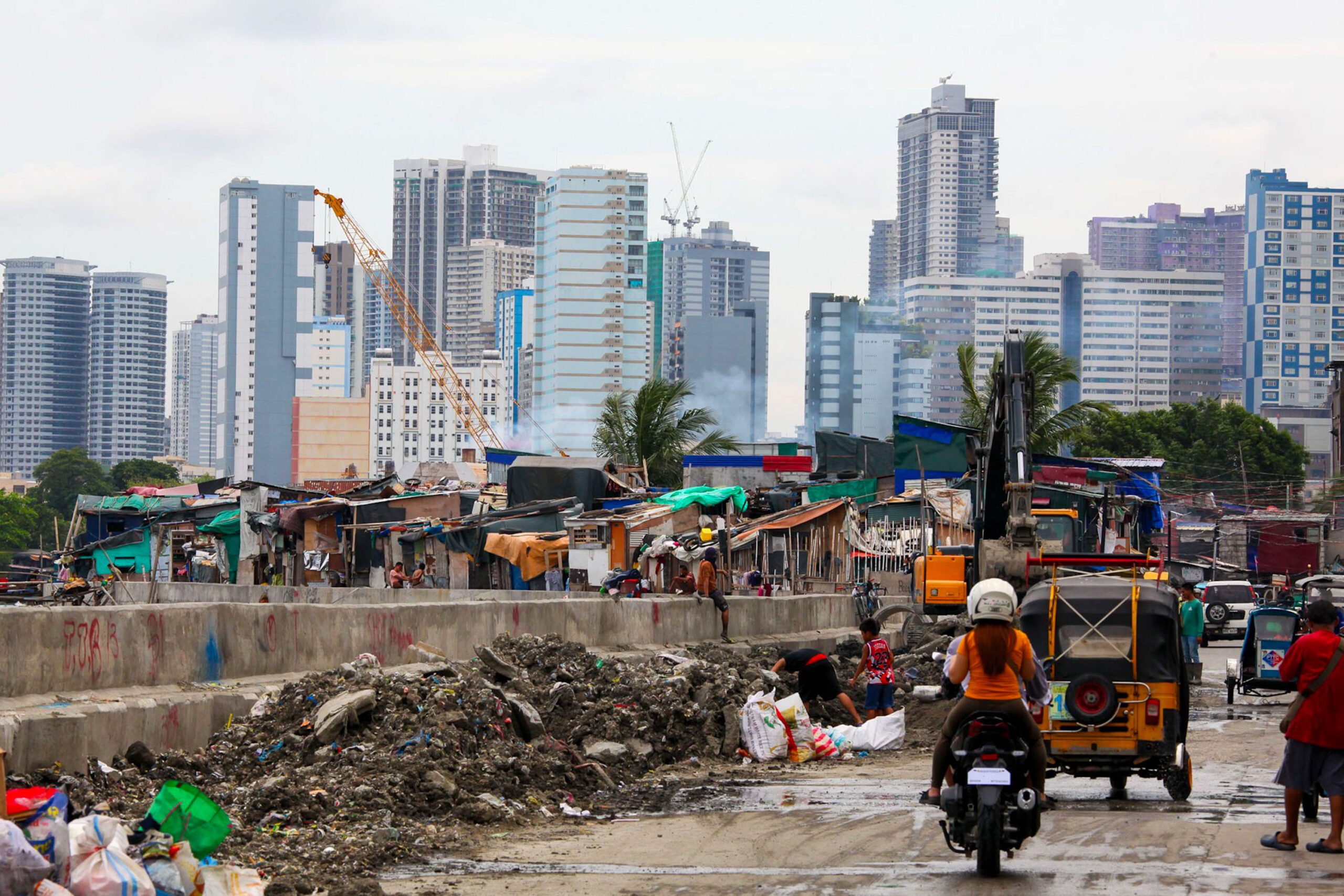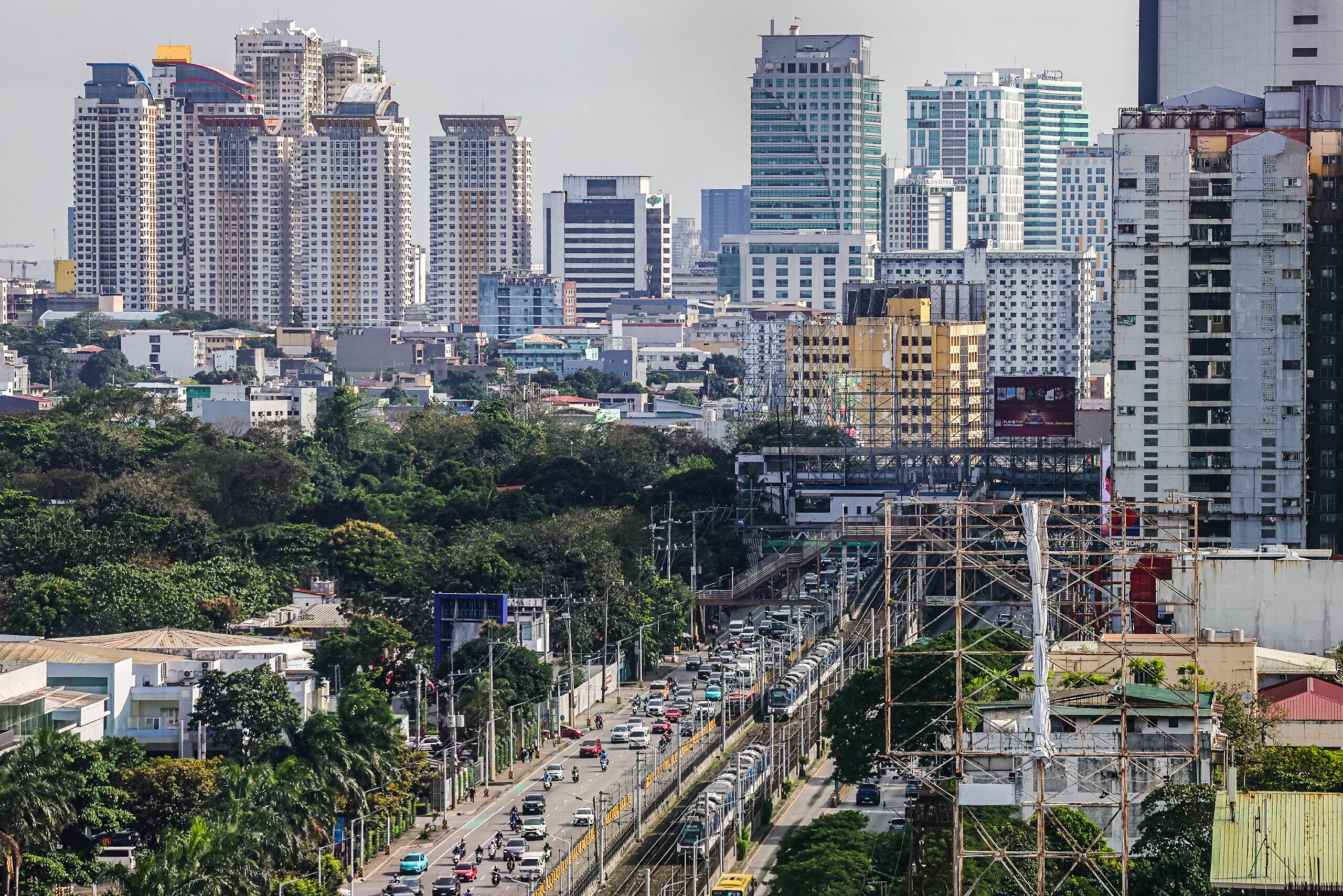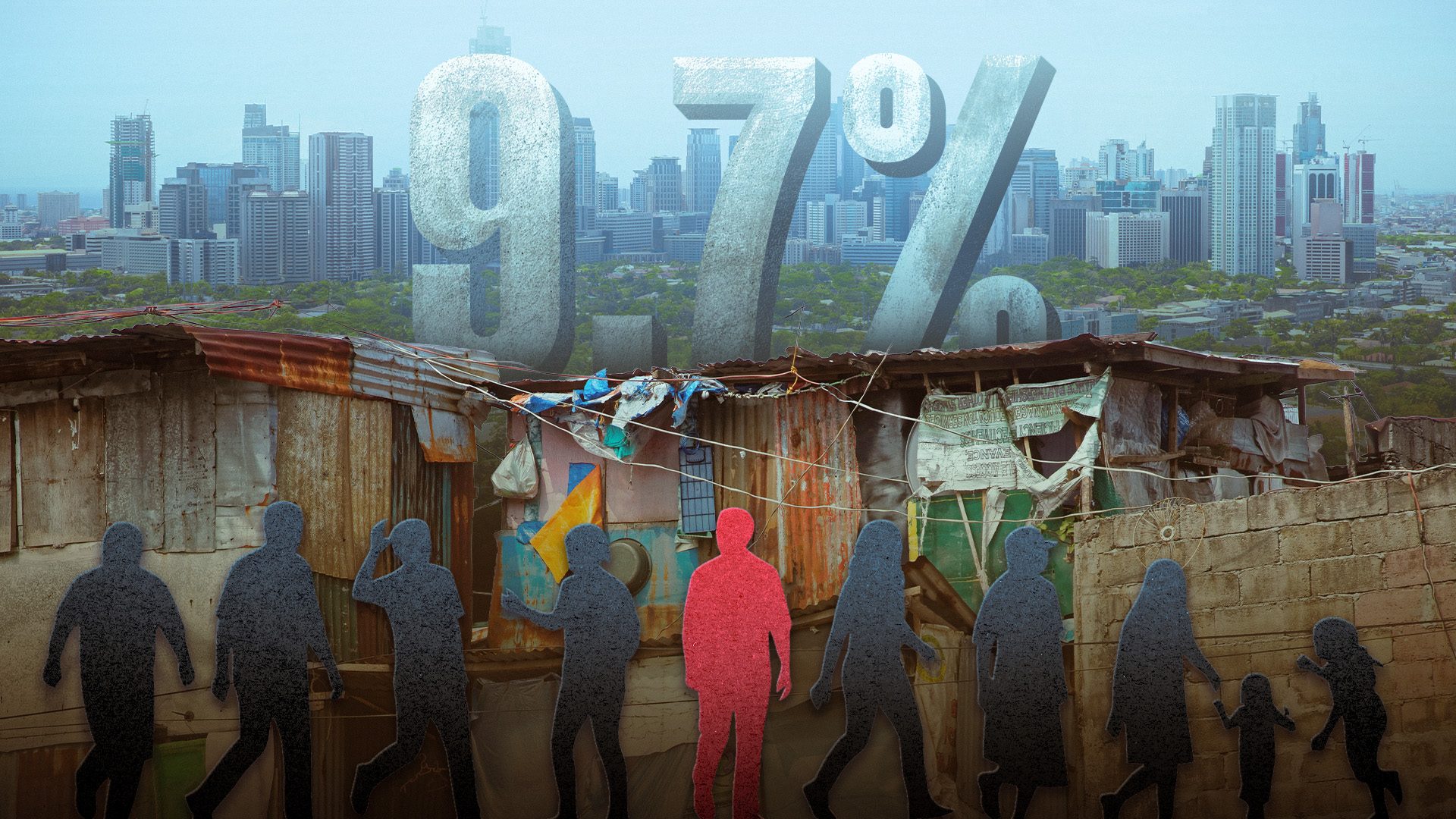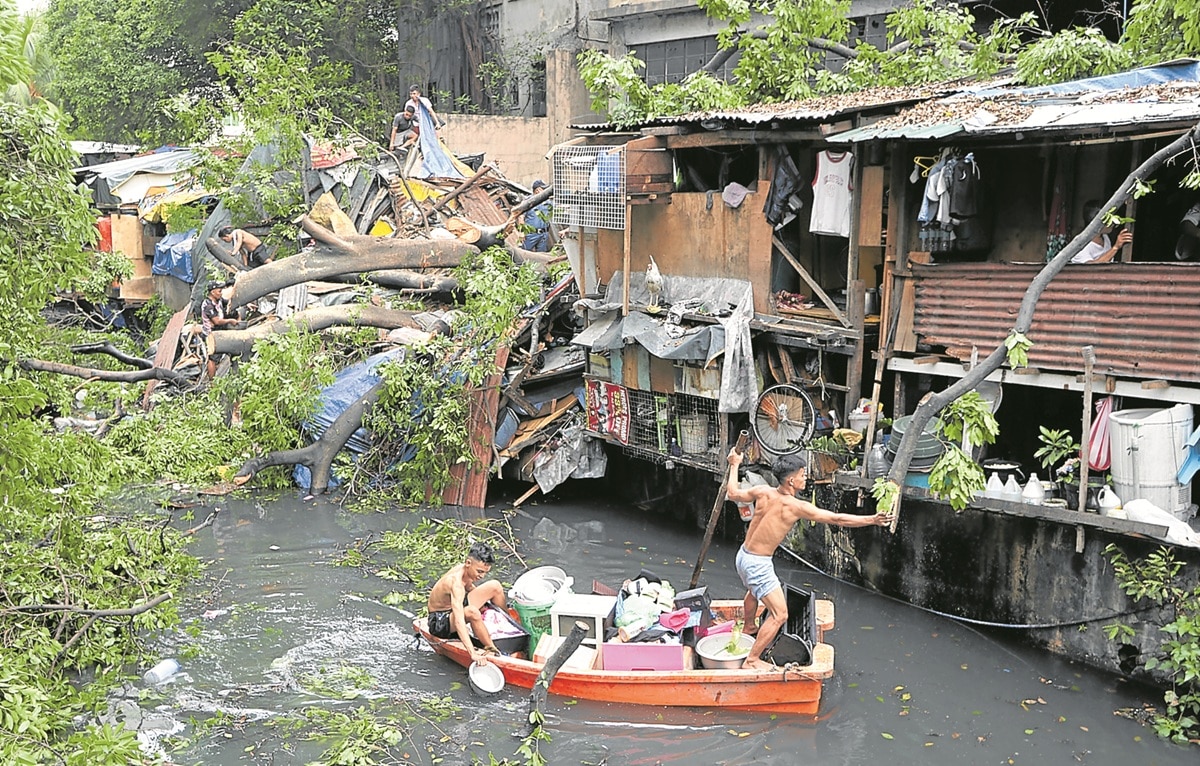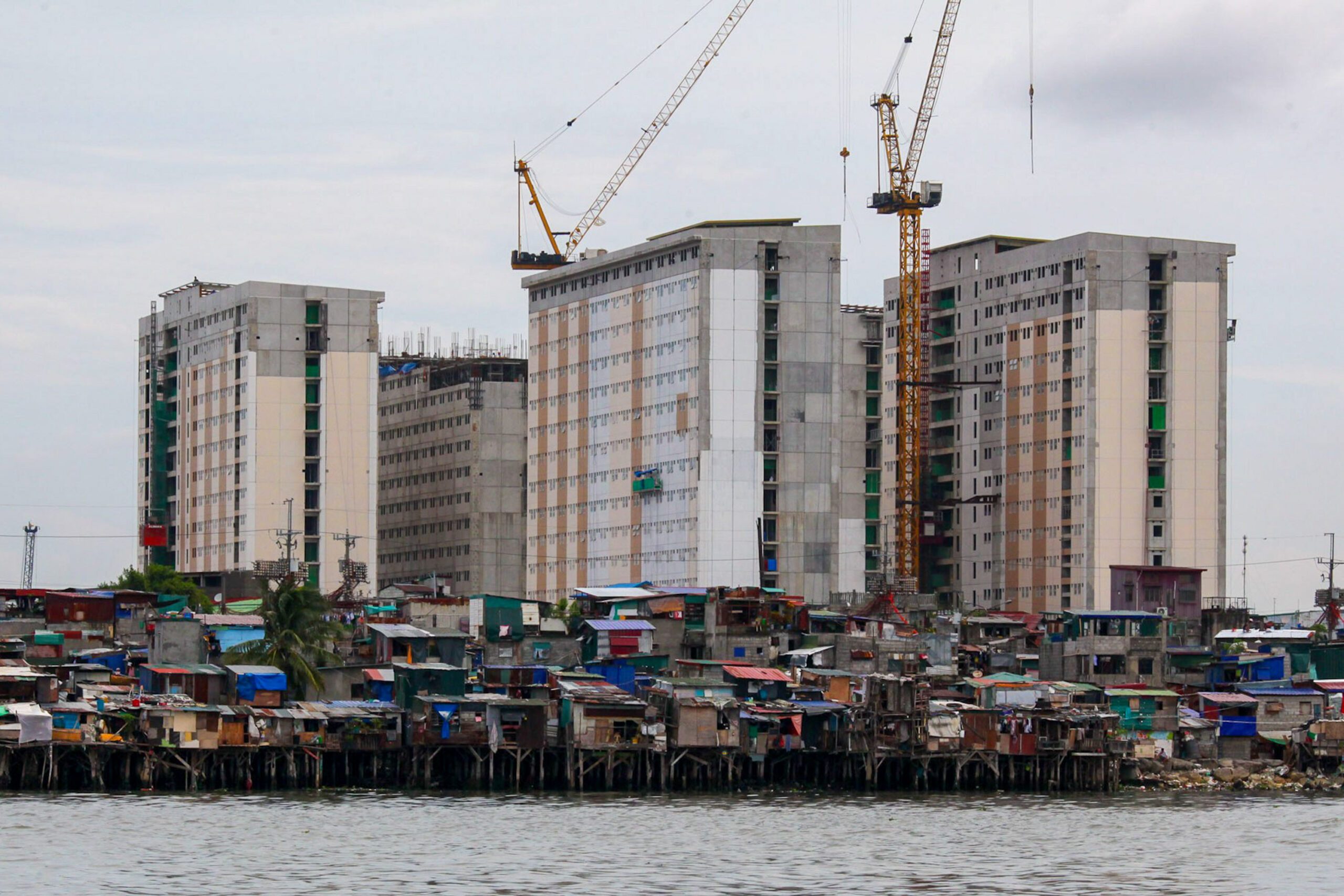
DIVIDE. Informal settlements stand in contrast to Manila's modern high-rise buildings on July 9, 2026. While the Philippines has attained upper-middle-income status according to the World Bank, many Filipinos continue to face poverty and the rising cost of living.
Rappler
The new measure adds another wrinkle to the poverty debate by measuring deprivation not just through income, but also across education, health, housing and basic services, and employment
In 2024, 12.8% of Filipinos were classified as multidimensionally poor, according to the new Multidimensional Poverty Index (MPI) by the Philippine Statistics Authority, which considers various factors beyond income.
The MPI reveals that education is the largest contributor to multidimensional poverty, followed by housing, water, sanitation, health, and employment, highlighting the limitations of income-based poverty measures.