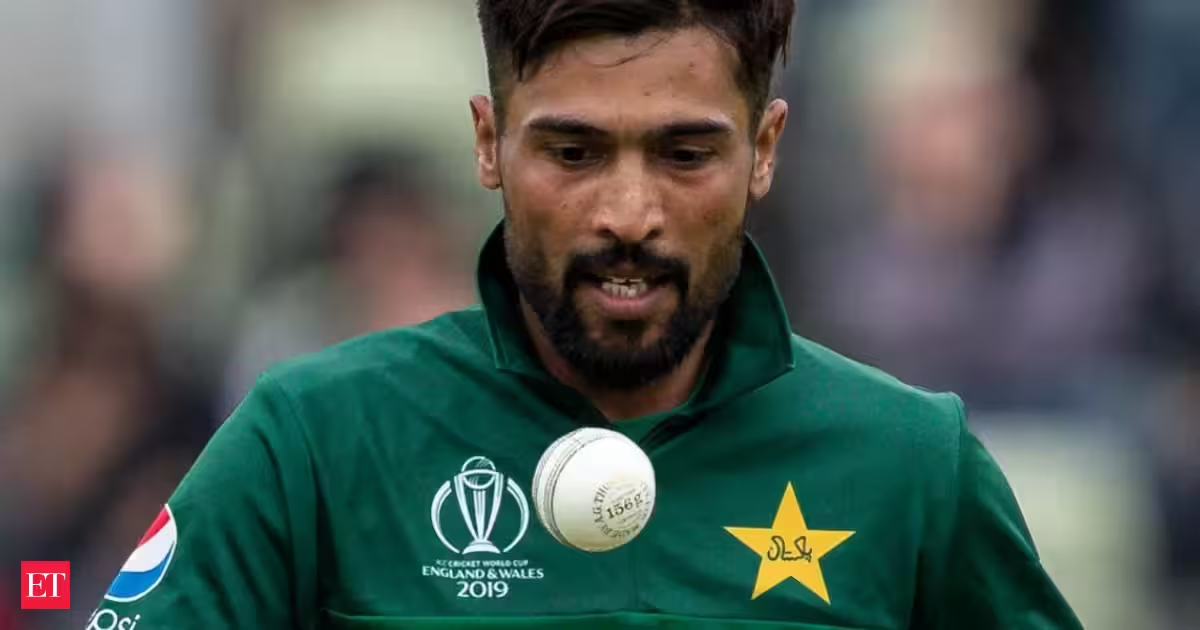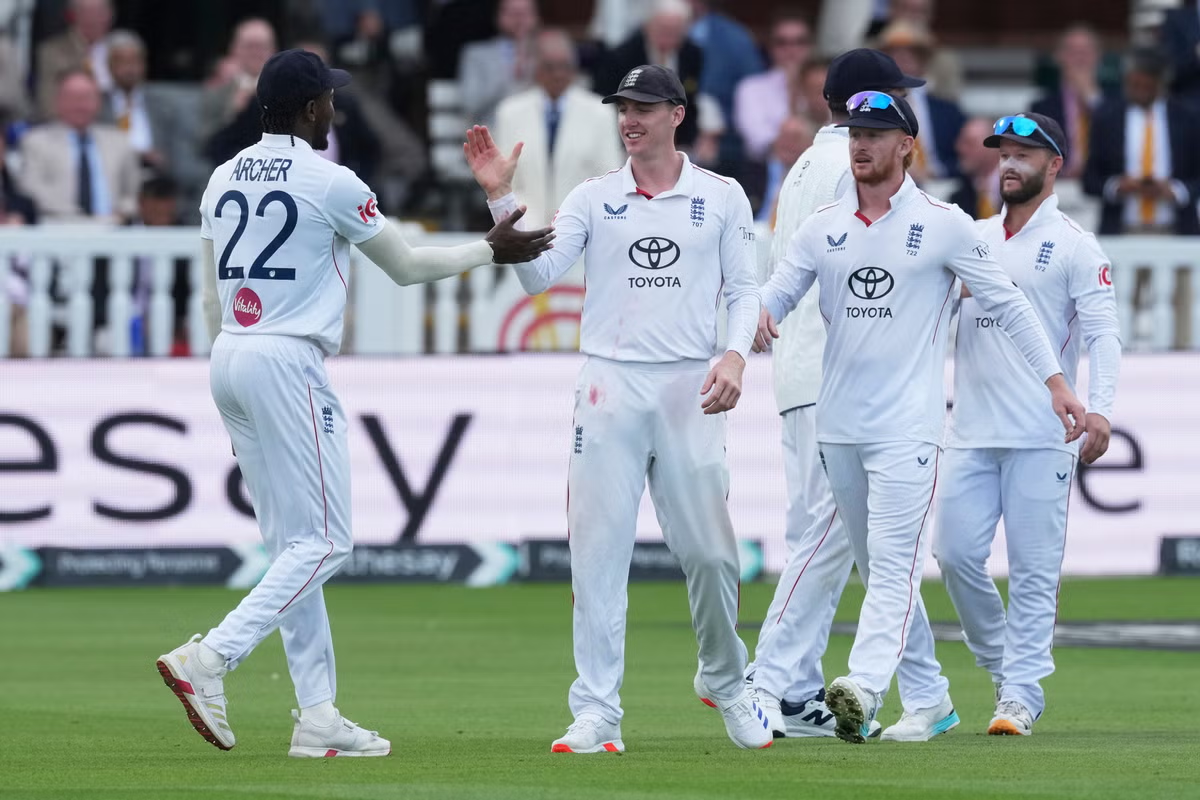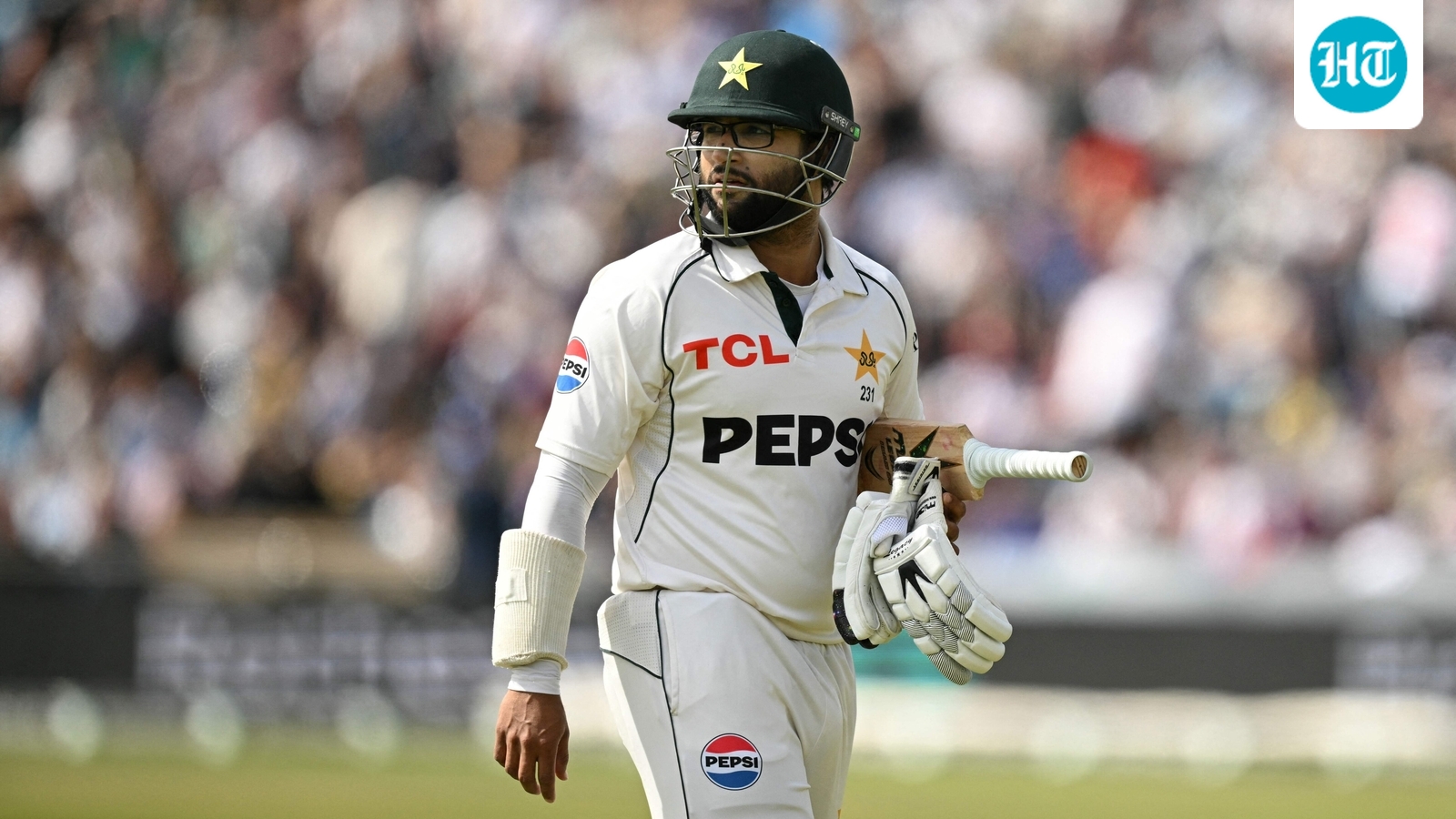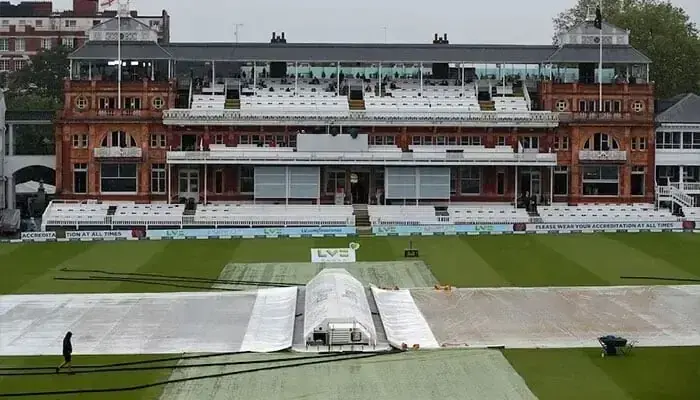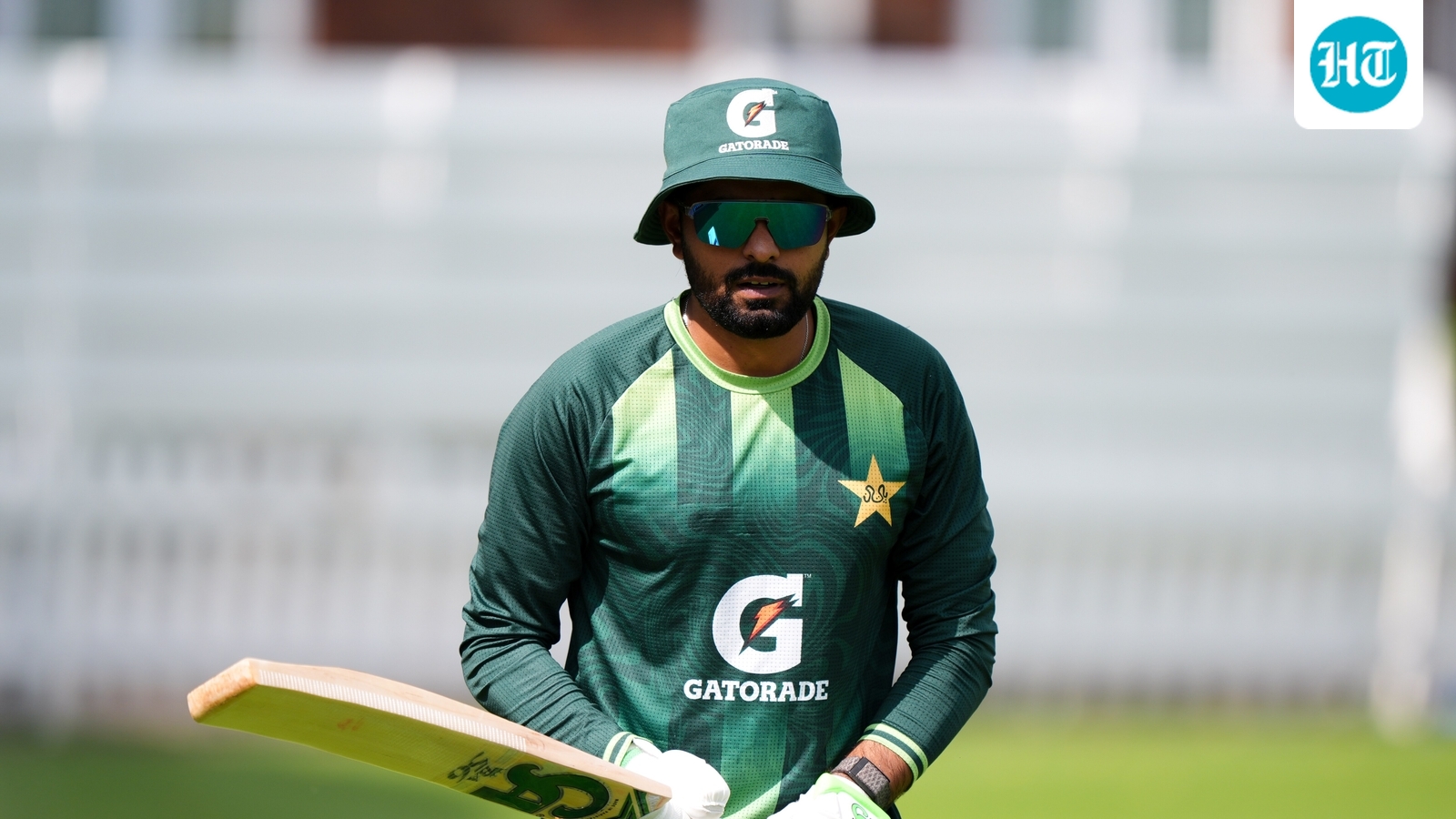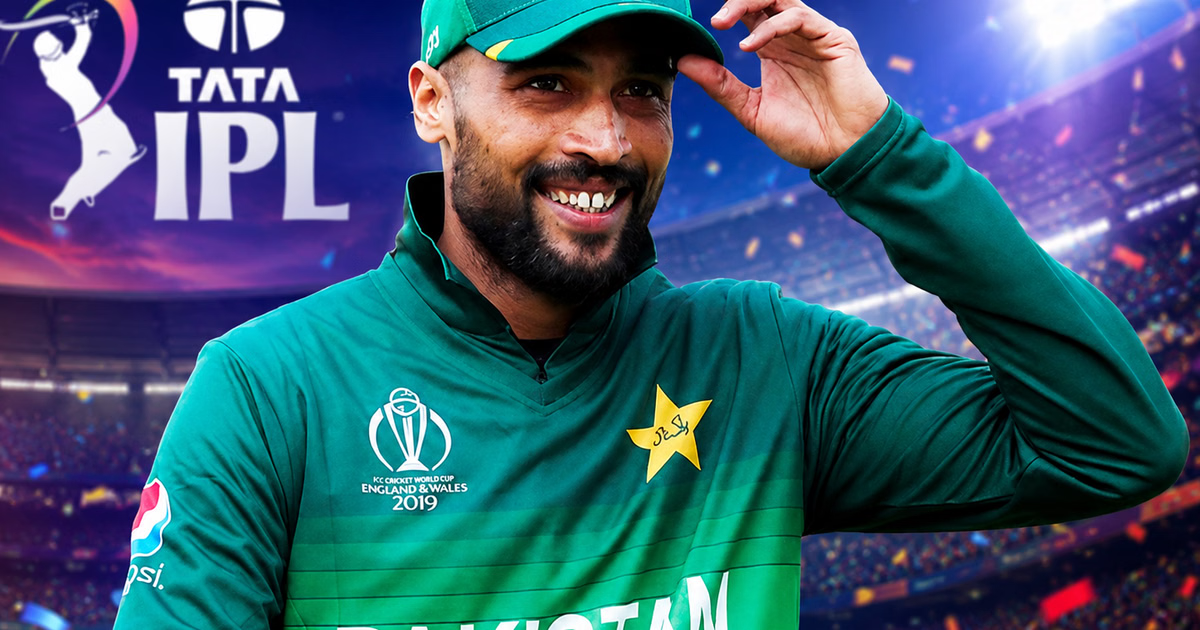
There was just enough familiarity to stir sensory memories.The same slender figure as in 2010. The same rapid, slightly shuffling run-up that looks a little incongruous for such a tall man. The same tight gather, unfurling into a whipped left-arm delivery. The same lean away to the right, which looks like it should completely unbalance him but doesn’t.Some things were different here, in 2026. The bowling was not quite as quick. The swing not as violent. The hair shorter. The physique more developed. The features more mature — a man now rather than a boy in a man’s body.But the thing that really remained in the Hundred final, a couple of weeks ago at Lord’s, was a sense of what might have been. What should have been.Mohammad Amir has enjoyed a good cricket career. He won 36 Test caps and made 123 white-ball appearances for Pakistan. He won the 2009 Twenty20 World Cup and the 2017 Champions Trophy. He has spent much of the last decade on the franchise cricket circuit, making a nice living playing. He has taken 266 first-class wickets at a terrific average of 22.63.He could have been one of the greats, though, had he not been caught spot-fixing during a Test match when he was just 18. Had he not been banned from all cricket for over four years, and not spent 82 days in prison.He came back, picked again by Pakistan in 2016, his ban served. He played another 22 Tests after his return and was pretty good. But having lost those four years, he was no longer the astonishing force of his early career, the hurricane of a fast bowler that blew England and Australia away while he was still a teenager. He could have been leading this Pakistan attack today, as they return to Lord’s for the second Test.If only he had not lost those four years.It is almost exactly 16 years since one version of Amir’s career died.The morning of Thursday, August 26, 2010, was rainy, but the weather had cleared by the early afternoon when Amir ran in to bowl the third over of England’s innings, captain Alastair Cook, the batter.The first delivery was called a no-ball. Usually, when a bowler oversteps his mark, it is by an inch or so. This one was closer to a foot. At first, perhaps because of a collective naivety, there was surprise that he had erred by so much but surely this was just a mistake, a young bowler who had made a misjudgment.But an air of unease hung around, especially when he did it again the next day. By that point, England were in trouble, 52-5, with Amir responsible for most of that damage, having taken four wickets for zero runs, laying waste to England’s top order.Mohammad Amir, left, after taking the wicket of Kevin Pietersen at Lord’s in 2010 (Clive Rose/Getty Images)After a short chat with his captain, Salman Butt, Amir bowled another no ball on the third delivery of the 19th over. Again, it was huge. This time, there was more chat, more brows furrowed.By Saturday, rumours began that a newspaper story was brewing, one that would implicate some Pakistan players in illicit dealings, maybe even match-fixing. “Please don’t let it be the kid,” said former England captain Nasser Hussain.It was the kid. A story in the News of the World, a now-defunct Sunday newspaper, revealed that Butt had been caught in a sting operation by the notorious investigative journalist Mazher Mahmood and had taken money to ensure that no balls were bowled at predetermined points of the game.The theory was that knowing the timing of those no balls would allow gamblers to place bets and profit, which is, needless to say, illegal. It turned out not to be match-fixing, but spot-fixing — the distortion of discrete events that were unlikely to impact the final result of the game.Butt, along with agent and bookmaker Mazhar Majeed, recruited Amir and his fellow opening bowler Mohammad Asif. Amir later claimed he had refused to take part in the scheme twice, but was pressured into it. He said he didn’t even touch the £1,500 he had been given by Majeed, money that was later found by police in the safe of his hotel room.
Pakistan, Mohammad Amir and what should have been
Pakistan's return to Lord's makes it impossible not to feel slightly sad about the version of Amir’s career that died 16 years ago
1,999 words~9 min read