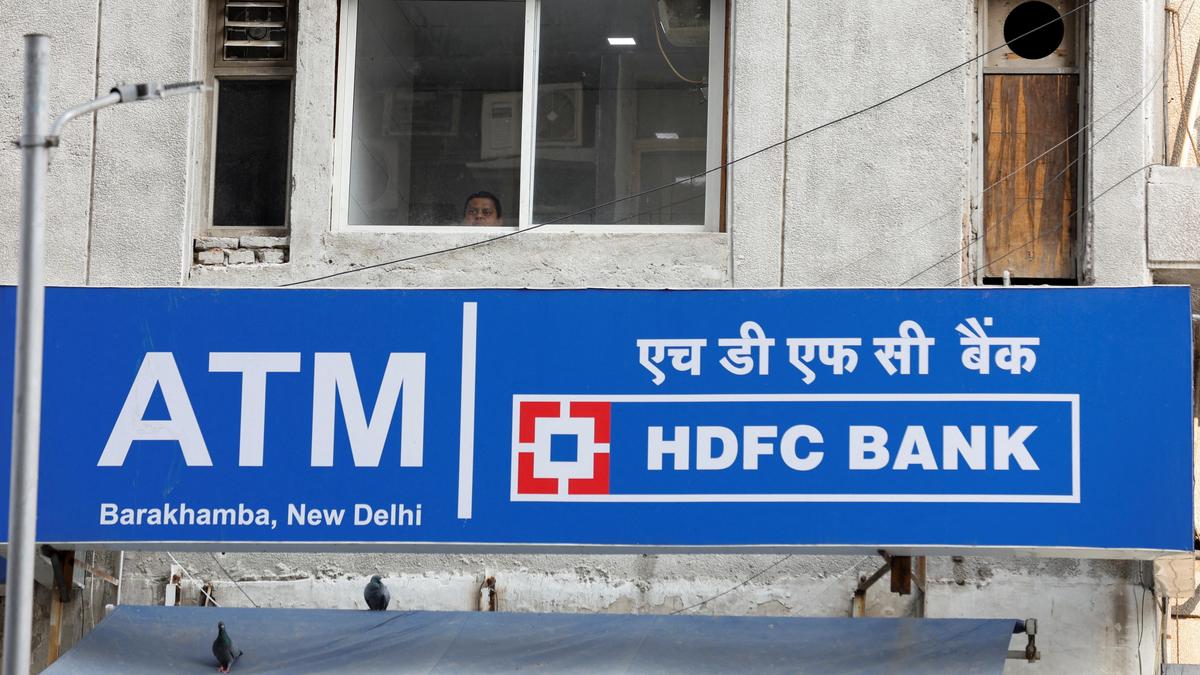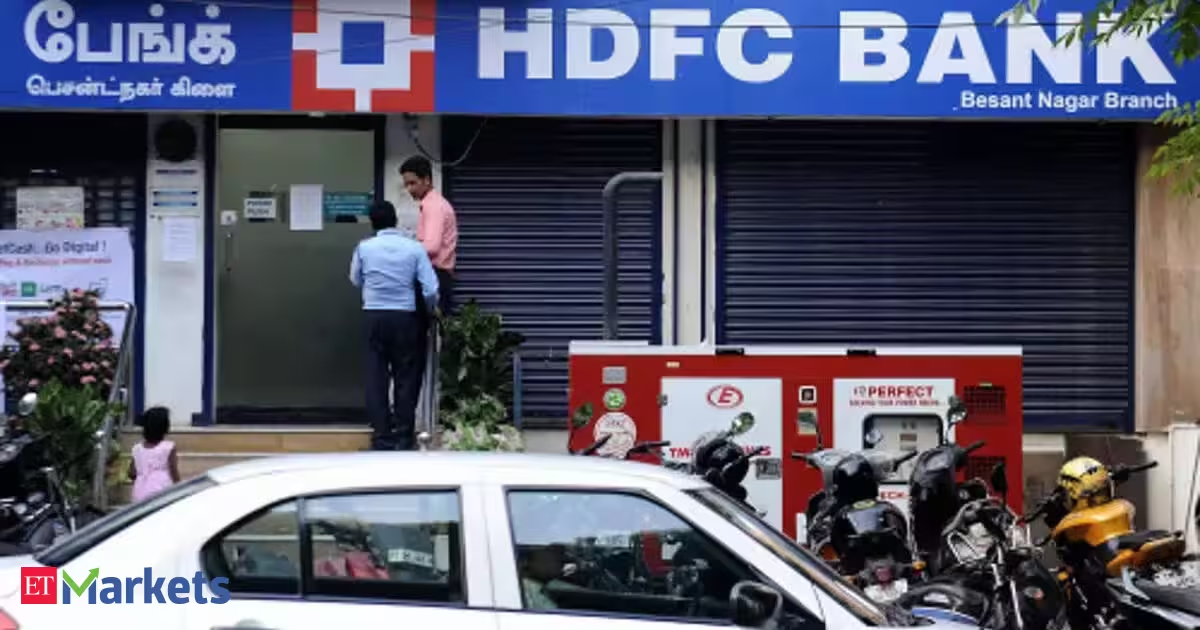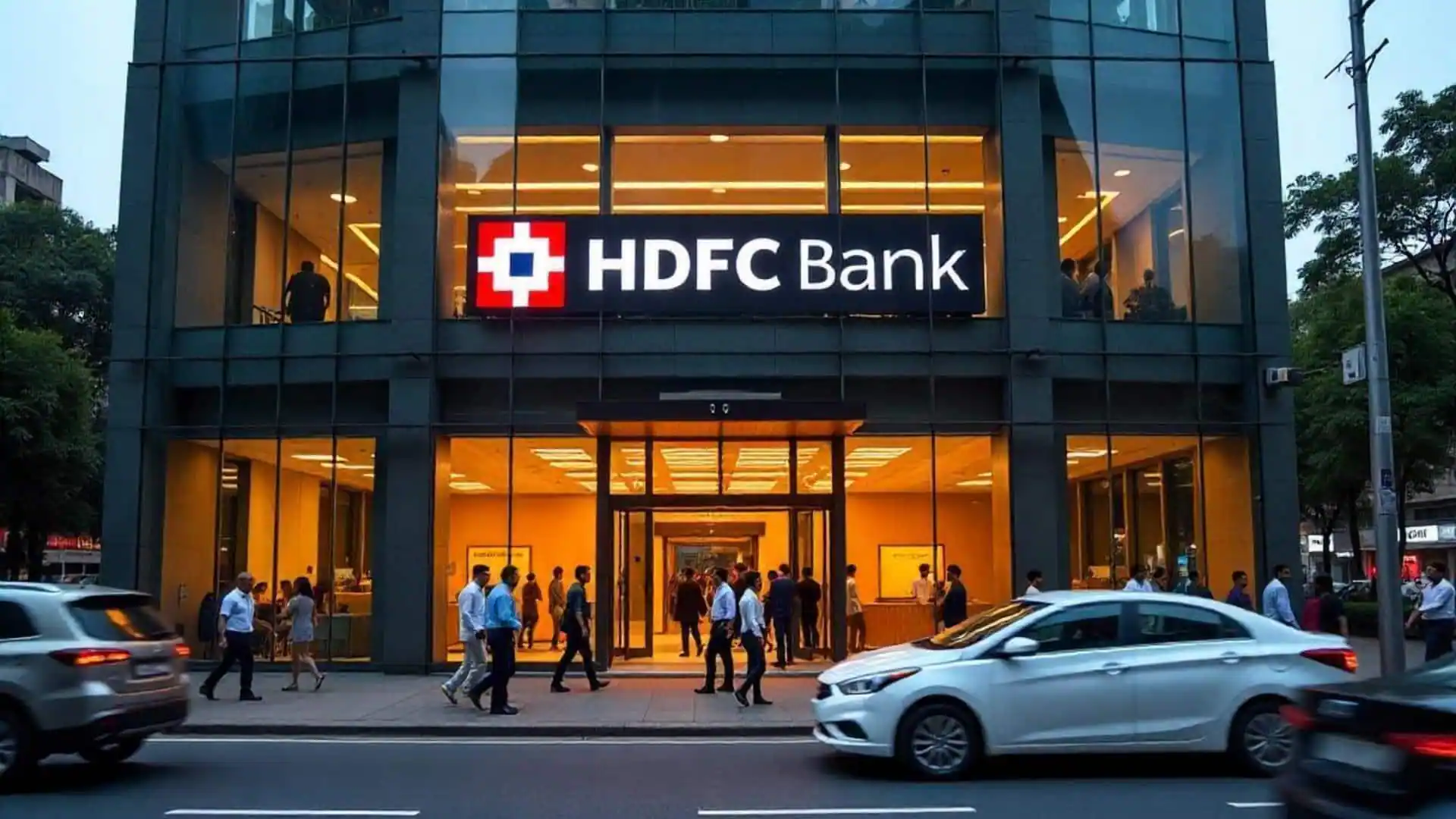
HDFC group stocks have had a weak one year on Dalal Street, with four listed names together losing about Rs 4.38 lakh crore in market value over the last 12 months. The biggest drag has been HDFC Bank. The stock has fallen 26% in one year, wiping out Rs 3.73 lakh crore in market value. Its market cap declined to Rs 11 lakh crore from Rs 15 lakh crore a year earlier.HDFC Life Insurance has been the worst performer in percentage terms. The stock has dropped 29% in one year, erasing Rs 47,261 crore in market value. Its market cap fell to Rs 1.2 lakh crore from nearly Rs 1.7 lakh crore. HDB Financial, meanwhile, has declined 13% over the same period, losing Rs 8,458 crore in market value. HDFC AMC has fallen 7%, with its market value down Rs 8,649 crore.The underperformance shows how even India’s strongest financial services franchises have struggled when growth, margins and valuations came under pressure at the same time.For HDFC Bank, the problem has been the long shadow of the HDFC merger. The merger sharply expanded the bank’s balance sheet, but it also brought lower-yielding assets and higher funding costs. The bank’s net interest margin stood at 3.26% in the June quarter, below the 4% level seen before the merger with parent HDFC in 2023.Investors had expected the merger to create a stronger financial giant with better cross-selling and a bigger customer base. Instead, the stock has been punished because the improvement in margins has taken longer than expected. Analysts say the merger pushed HDFC Bank’s credit-deposit ratio to elevated levels, forcing the bank to rely on costlier deposits and borrowings.chartLow-cost deposit growth has also remained a concern. Indian banks in general are struggling to gather low-cost deposits as savers move more money into equities and mutual funds. That has hurt net interest margins, especially for lenders such as HDFC Bank.The bank has also faced governance-related noise. Former part-time chairman Atanu Chakraborty, who stepped down earlier this year, cited a range of issues including AT1 bond misselling in Dubai, the bank’s share price underperformance, subdued credit growth, low CASA deposits and a high cost-to-income ratio.Also Read: Zerodha turns 16: Nithin Kamath says user additions slowing, MF business 'slipped up a little'HDFC Life has faced slower growth, pressure in the bank channel and regulatory changes affecting product economics. HDFC Life’s individual annual premium equivalent grew only 7% year-on-year in the June quarter, with underperformance in the bank channel. Bancassurance was flat as HDFC Bank volumes remained muted on a high base.The insurer also had to absorb several margin pressures. HDFC Life’s VNB margin was hit by GST impact, assumption changes linked to persistency and negative operating leverage. Its 13-month persistency ratio moderated by 200 basis points YoY to 84%, partly because of softer ULIP collections and ticket-size moderation after the Rs 5 lakh tax change.The sector has also been affected by changes in surrender-value rules. These rules have made early exits less punitive for policyholders, but they can affect margins for insurers because more value has to be returned to customers who exit early. Regulatory changes in FY25 made early exits less financially punitive and could make some customers more willing to surrender policies.HDFC AMC’s stock has fallen less than the bank and life insurance company, but it has still lagged. Mutual fund inflows have remained strong, but the pressure has come from valuation concerns and operating cost worries. HDFC AMC shares fell sharply after its Q1 results as brokerages remained divided, with some noting that elevated operating expenses, mainly ESOP charges, dragged profit growth despite higher AUM and better yields.For an asset manager, the market’s expectations are high when equity flows are strong. Any sign of cost pressure or slower operating leverage can hurt the stock, especially when valuations are already rich.HDB Financial Services has been a more recent disappointment for investors. The company’s latest quarterly numbers were strong, with higher profit on steady loan demand and improving asset quality. Consumer finance loans grew more than 21%, while enterprise lending rose nearly 8%.But the stock’s one-year return is still negative. HDB’s loan book compounded at 19.2% annually between FY23 and FY26, but profit after tax grew only 9% because credit costs widened. The stock had fallen sharply below its listing price at one point before recovering some ground.The common thread across the HDFC group is that strong brands have not been enough. HDFC Bank is dealing with merger digestion and deposit pressure. HDFC Life is facing slower growth and regulatory impact. HDFC AMC is fighting valuation and cost concerns. HDB Financial is trying to prove that loan growth can translate into stable profitability.Data: Ritesh Presswala(Disclaimer: Recommendations, suggestions, views and opinions given by the experts are their own. These do not represent the views of Economic Times)
Rough patch! How HDFC group delivered a Rs 4.4 lakh crore blow to investors in one year
In a significant downturn, HDFC group stocks saw a staggering loss of Rs 4.4 lakh crore in market capitalization over the last year. HDFC Bank suffered a 26% drop, equating to a loss of Rs 3.73 lakh crore. Similarly, HDFC Life Insurance faced a 29% decline, resulting in a Rs 47,261 crore dip.
802 words~4 min read