Economists are a fashion-conscious bunch. In the 2000s and 2010s it was cool to work on and with new digital companies. In 2020 they swung towards Covid-19 research with the enthusiasm of an Instagrammer learning to bake bread. And now, covering AI and working with the AI labs is hot. Although some of the risks have echoes of the past, this time feels different.
One difference is the vast scope of questions AI is raising. It’s one thing to tinker with taxi or hotel markets, and quite another to explore a technology that could fundamentally reshape society. In the 2000s and 2010s, the digital revolution attracted star researchers and raised new questions. But because the AI revolution is bigger and broader, today there is a “completely different scale of sucking sound”, says Ben Golub, an academic with an AI start-up of his own.
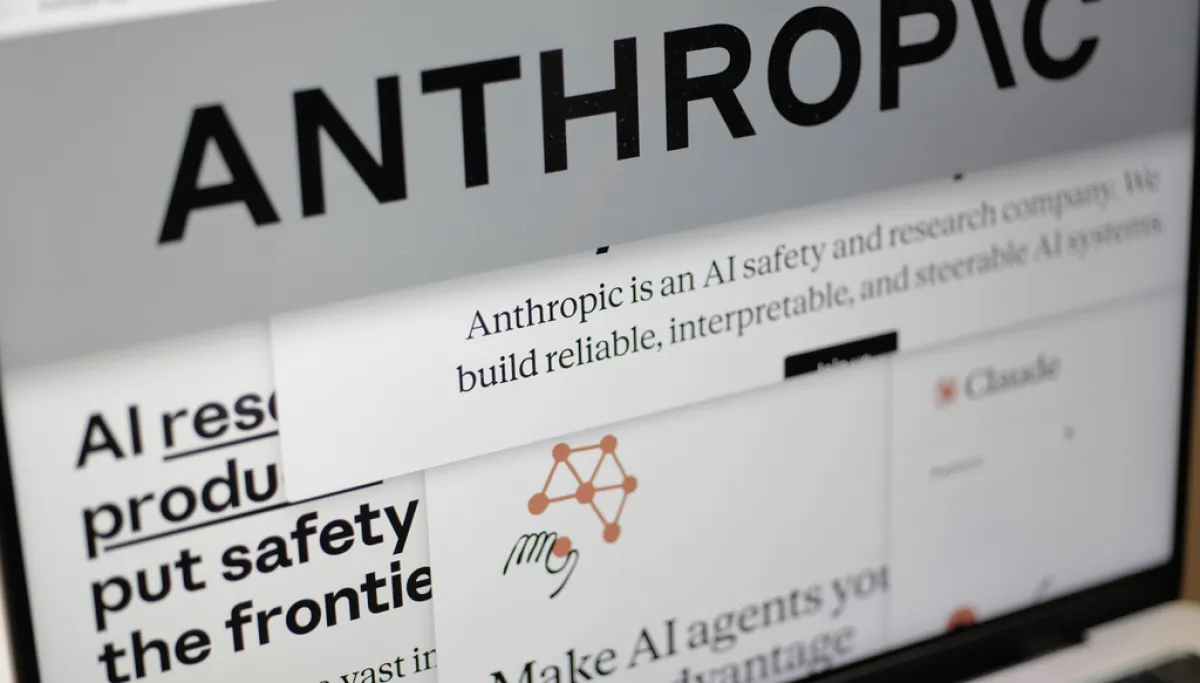
As AI presents economists with both a tool of analysis and a topic of study, one interesting trend has been elite economists either collaborating with AI companies, or working for them directly. This year there has been a “discontinuous change in perception”, as AI labs are now seen as “super-high value places to be intellectually”, says Golub. It helps that they have detailed data describing AI usage, which is key to estimating its economic effects.