GCash says keeping digital financial services accessible also means building a business that can sustain them
Editor’s note: This content is sponsored by GCash and was handled by BrandRap, the sales and marketing arm of Rappler. No member of the news and editorial team participated in the publishing of this piece.
Financial inclusion has become one of Southeast Asia’s biggest digital ambitions. According to the Philippine Statistics Authority, the digital economy contributed P2.74 trillion to the country’s GDP in 2025, accounting for nearly 10% of the total.
With more of everyday life moving online, there is naturally more room for digital financial services to reach people who may have previously been left out of the formal financial system. But reaching more people, and eventually more markets, also brings up the less visible part that asks what it costs to keep these services accessible.
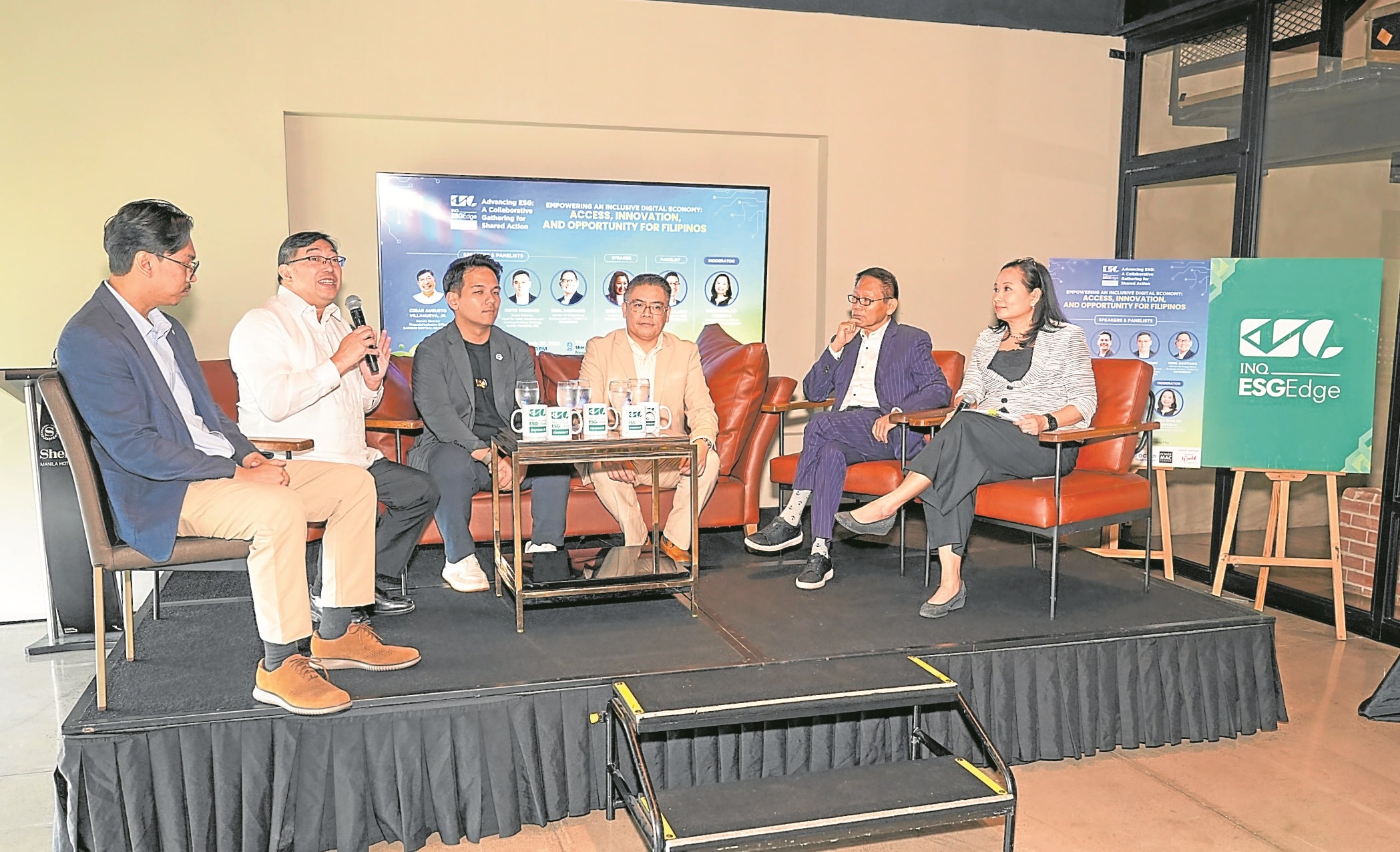
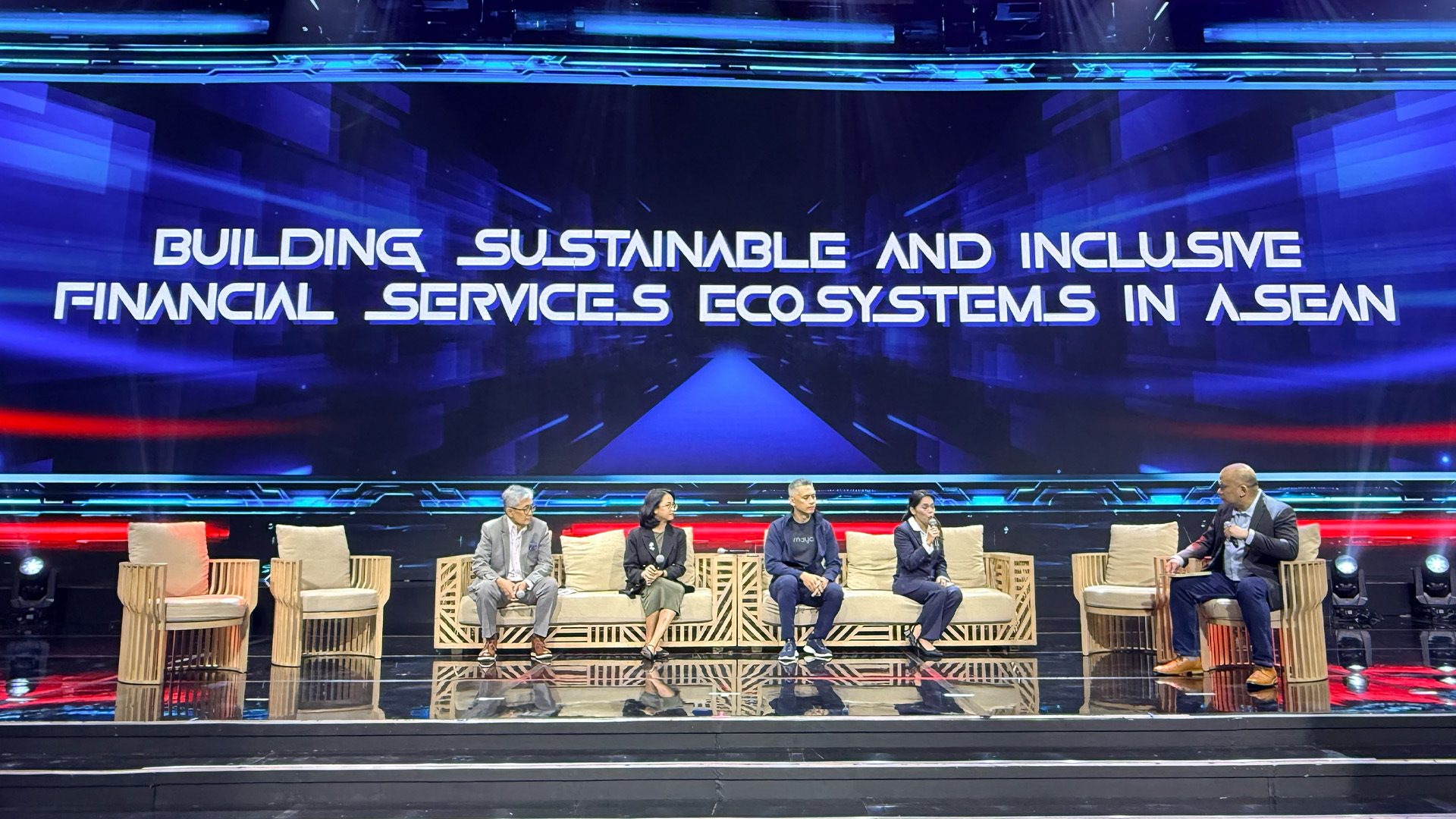
This was among the questions raised during the ASEAN Tech Summit’s “Futurecast Panel: Building Sustainable and Inclusive Financial Services Ecosystems in ASEAN”, where leaders from GCash, Maya Bank, Tala Philippines, and ATIN (Alliance of Tech Innovators for the Nation) talked about what it takes to make financial inclusion work for both the people using these services and the businesses building them.