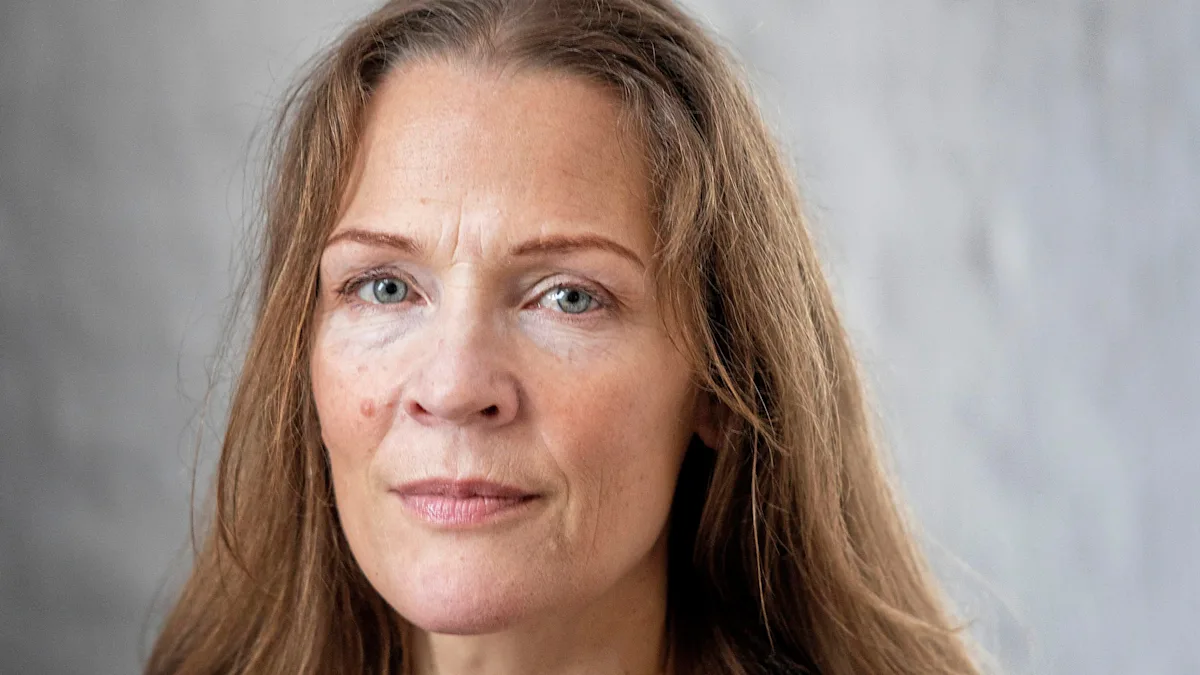
Never Say War: Life inside Russia Author: Åsne Seierstad. Translated by Siân Mackie ISBN-13: 978-0349020587Publisher: ViragoGuideline Price: £30; 512ppIn January 2023, Andrey Medvedev stumbled across the frozen Pasvick river forming the border between Russia and Norway. The 26-year-old asked for asylum, claiming to be a former commander of the notorious Wagner Group who had witnessed war crimes in Ukraine. That same week, Norwegian writer Åsne Seierstad was crossing the border in the other direction, posing as a tourist, hoping to find out how Russians were experiencing the war. She returned to Oslo, unhappy with her progress. As the author of bestselling works on lives lived in adversity, including The Angel of Grozny and The Bookseller of Kabul, Seierstad needed someone through whom she could explore the feelings and experiences of Russian people in wartime. Suddenly, right here in Norway, was a talkative Russian soldier. She found no angel this time, but a disturbed alcoholic from a broken home who had joined Wagner to avoid prison. Medvedev was willing to give her a lengthy account of his life, from his childhood in Siberia to the day he defected. Seierstad managed to get another visa and make her way to Medvedev’s home village Ust-Bakchar, deep in the taiga north of Tomsk, and locate his relatives and acquaintances. Seierstad is fluent in Russian, and with not a minder in sight, she found people more than willing to accept her into their homes and to speak freely, even using the word that must never be spoken. The title Never Say War refers to Russia’s criminal code article 207.3, under which people can be prosecuted for saying “war” instead of “special military operation”. When Seierstad asked Medvedev’s aunt, Alya, a nurse, if people talked about the special military operation, she replied scornfully: “About the war, you mean?” Aunt Alya had heard on YouTube that Medvedev said people were dying for no reason. “Good lad! People in Russia don’t like the truth.” The truth of the war was that two years after Putin’s invasion of Ukraine, she and everyone in the locality knew someone who had arrived back from Ukraine in a metal casket, bolted shut, with a small window to check it was the right person. Most locals echoed the Kremlin’s propaganda; it shaped the daily news. Over pancakes in Alya’s immaculate kitchen, her friend, Lyuba, an electoral official, said Putin was protecting the country by dealing with the Nazis on their home turf. Ivan, the hospitable gym teacher who took extra care with Medvedev, and whose garden had a “folk tale’s worth of carved foxes, hares, deer and bear cubs” and a white heart on the gazebo, said he had the solution. The atomic bomb ended the second World War. They needed to do the same thing now. “Bomb Kyiv,” he said, leaning in close. “Then the war will be over, just like that.” This was Russia, writes Seierstad. So soft, so brutal. For many in Ust-Bakchar, the United States was the root of all evil. Valentina, who ran the children’s home where Medvedev had lived, complained that the importation of US culture – she blamed Boris Yeltsin – allowed children to loaf around rather than work. It was part of a US plan to weaken Russia, revealed “in a secret letter on the internet, if you want to read it”.Boris, the school head, was happy to show the famous Norwegian writer around. They had a new curriculum now, emphasising patriotism, and an extra subject every Monday: conversations about important things, with topics set by the educational authorities in Moscow to promote Russian values. His former charges were not “fighting” in Ukraine, he insisted; they were “defending the country’s borders”. He posted a photograph with his guest, which alerted the authorities to the writer’s presence. “He got it in the neck,” said Valentina. “You need permission for that sort of thing.” Suddenly people were less willing to talk to the stranger.Boris passed the visitor on to Vladimir, an oil worker, whose fandom for Putin made Seierstad suspect that he had other responsibilities. They visited Vladimir’s great-aunt Galina, who complained that “everyone hates us”. There was no such thing as a good war, she said. The president had never done anything to her, but she was outraged that his appointed governor “took away our bus passes”. If only Putin knew. Getting people to converse at their ease about sensitive issues is a hallmark of Seierstad’s work, but it is a genre with hazards – the bookseller of Kabul’s wife took legal action about embarrassing revelations, but a court found the book to be honest and accurate. Here she states that she did her utmost not to put anyone in danger and allowed contributors to read the relevant chapters before publication. There is interesting material in Never Say War on the experiences of her friends and journalists in Moscow, but it is the vivid depiction of wartime life in the heart of Russia that lingers after reading this fascinating book. Conor O’Clery is the author of Moscow, December 25th, 1991, The Last Day of the Soviet Union.
Never Say War. Life inside Russia: Lifting the lid
Vivid depiction of wartime life in the heart of this vast country rings true
851 words~4 min read