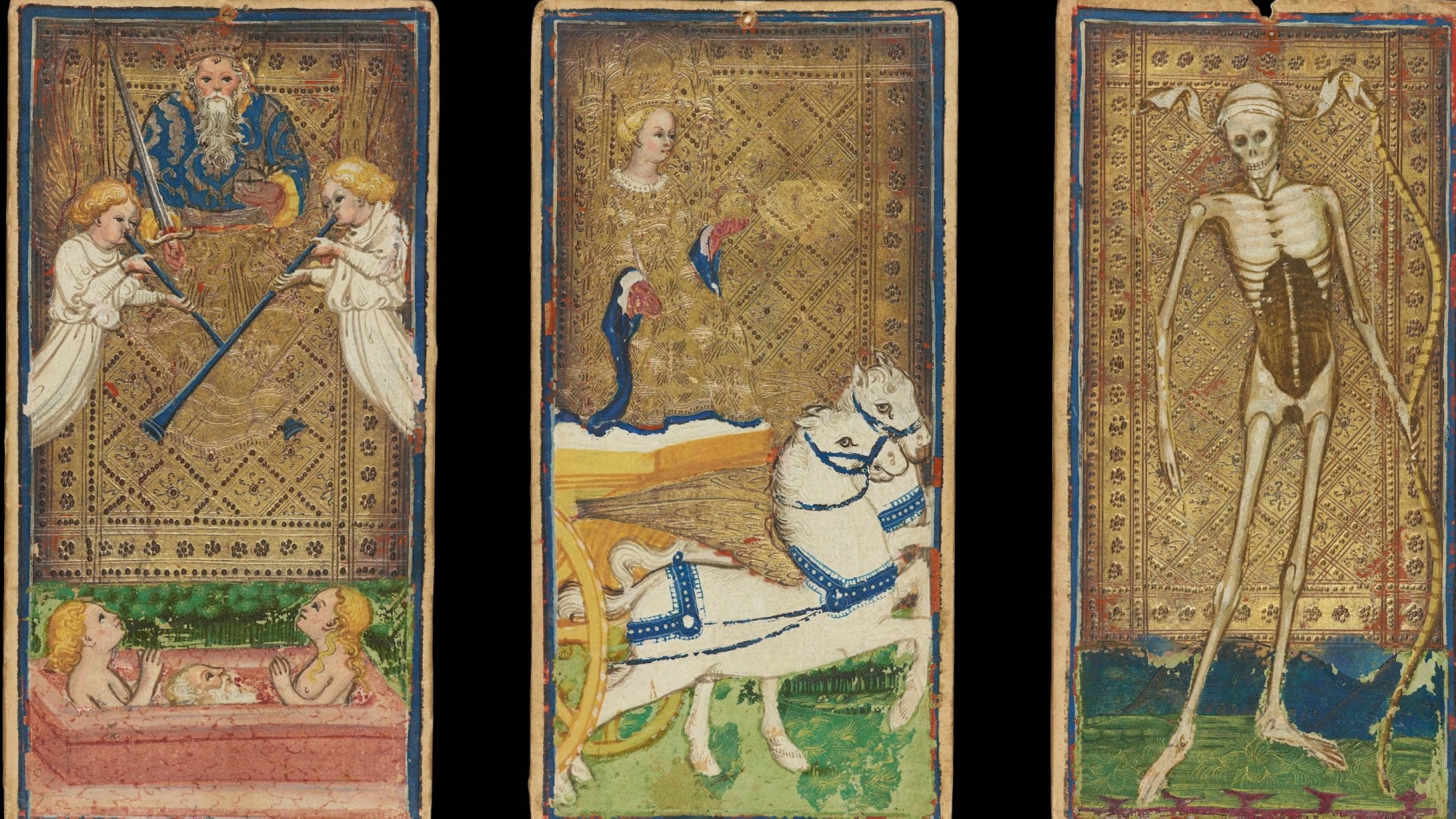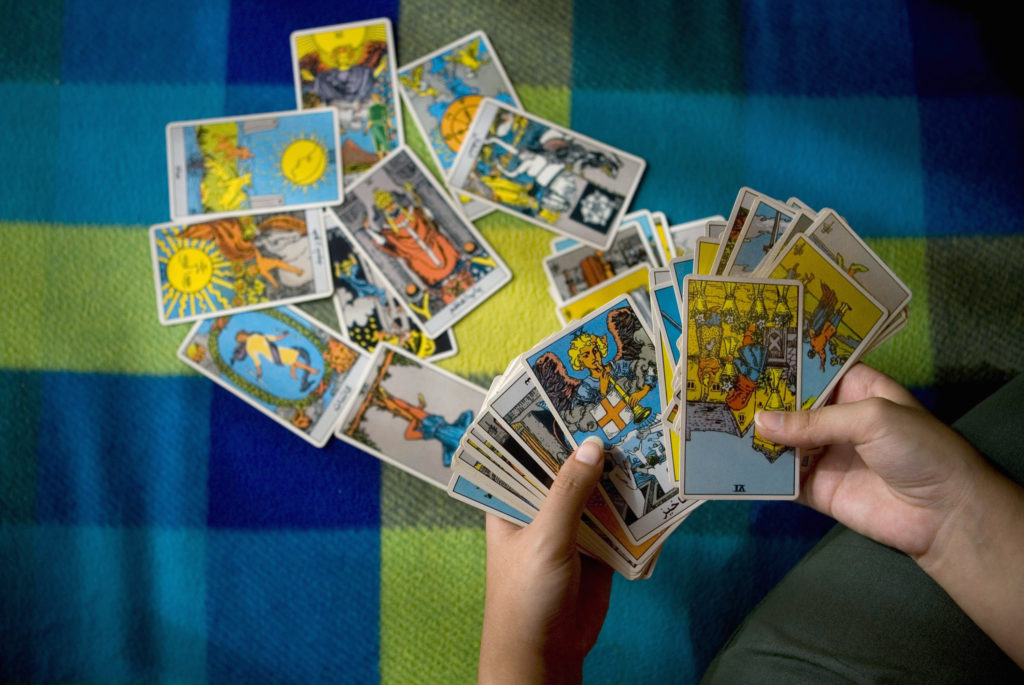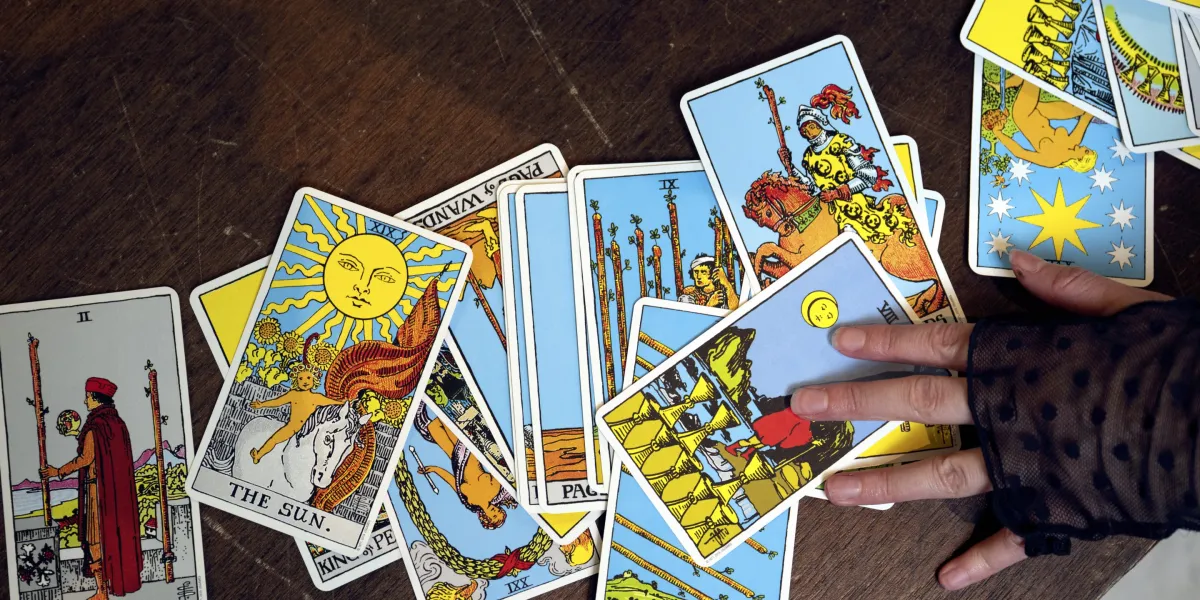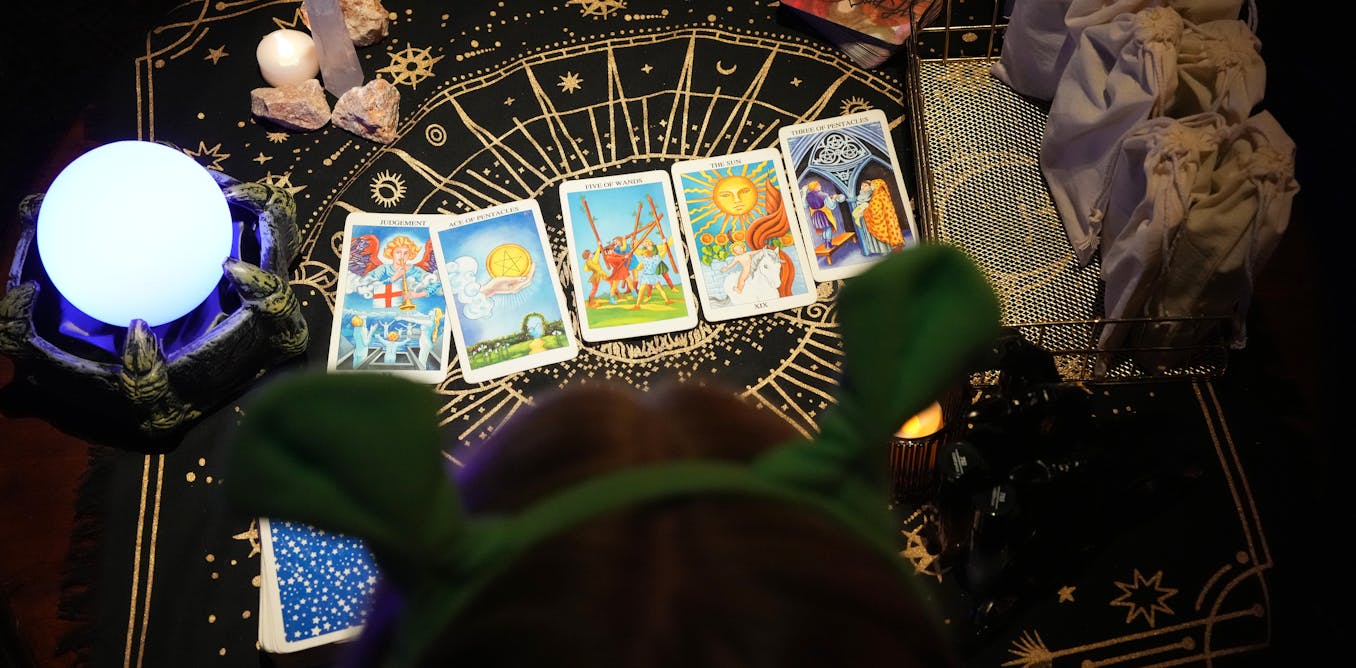
Drawing a tarot card is easy.
Understanding why that card matters to a particular person is the real challenge.
Most online tarot experiences follow the same pattern: click a deck, reveal a card, and display a paragraph written in advance. The paragraph may describe the card correctly, but it knows nothing about the person reading it. The same text appears whether someone is thinking about a career change, a difficult relationship, or a creative project.
That limitation made me wonder: could an AI system turn a fixed set of tarot symbols into a reading that responds to an individual situation without pretending to know the future?
At first glance, an AI tarot reader may sound like a novelty. Look closer, however, and it becomes an interesting product and engineering problem. It combines structured domain knowledge, controlled randomness, narrative synthesis, conversational interfaces, safety design, and subjective evaluation.