L'iniziativa a Magallanes, è la più grande mai approvata dal sistema ambientale del Paese
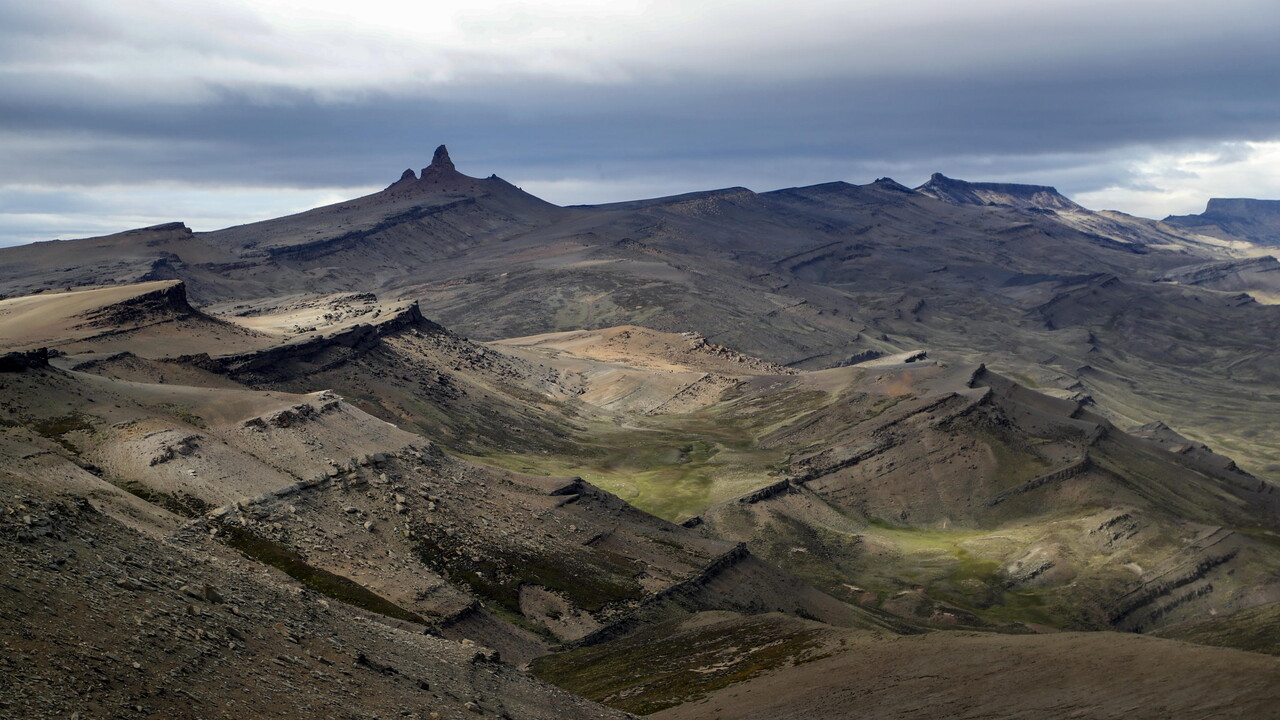
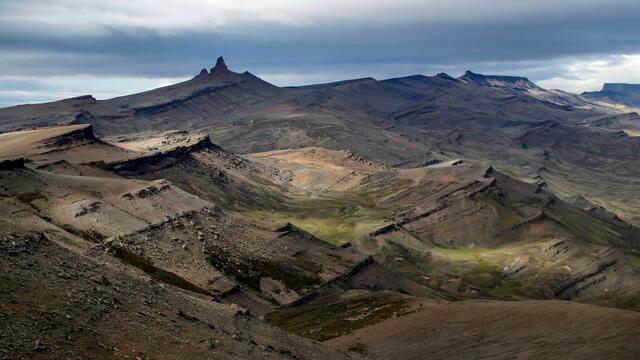
epa08336027 (02/43) General view of the Valley of Las Chinas, in the Chilean Patagonia, Chile, 25 February 2020. In its 10th edition, a multidisciplinary group of scientists from Chile, Argentina, Brasil and Hungary took part in a two-week-long paleontological expedition in the Magallanes and Chilean Antarctica Region. Geologists, paleobotanists and biologists worked on terrain discovering vertebrate fossils, studied sediments and rock layers and searched for fossilized vegetation. They specialized in the Cretaceous period at the end of the Mesozoic Era, coinciding with the extinction of the dinosaurs. Their work in this valley is disclosing new valuable information with groundbreaking findings that are helping to relate the common past of three continents: Oceania, South America, and Antarctica. The expedition is part of the 56th Antarctic Scientific Expedition (ECA), organized by the Chilean Antarctic Institute (INACH). EPA/FELIPE TRUEBA ATTENTION: For the full PHOTO ESSAY text please see Advisory Notice epa08336025
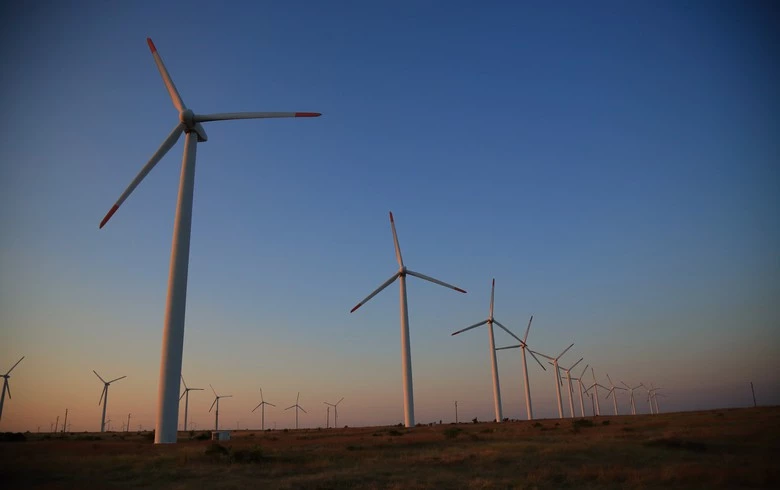
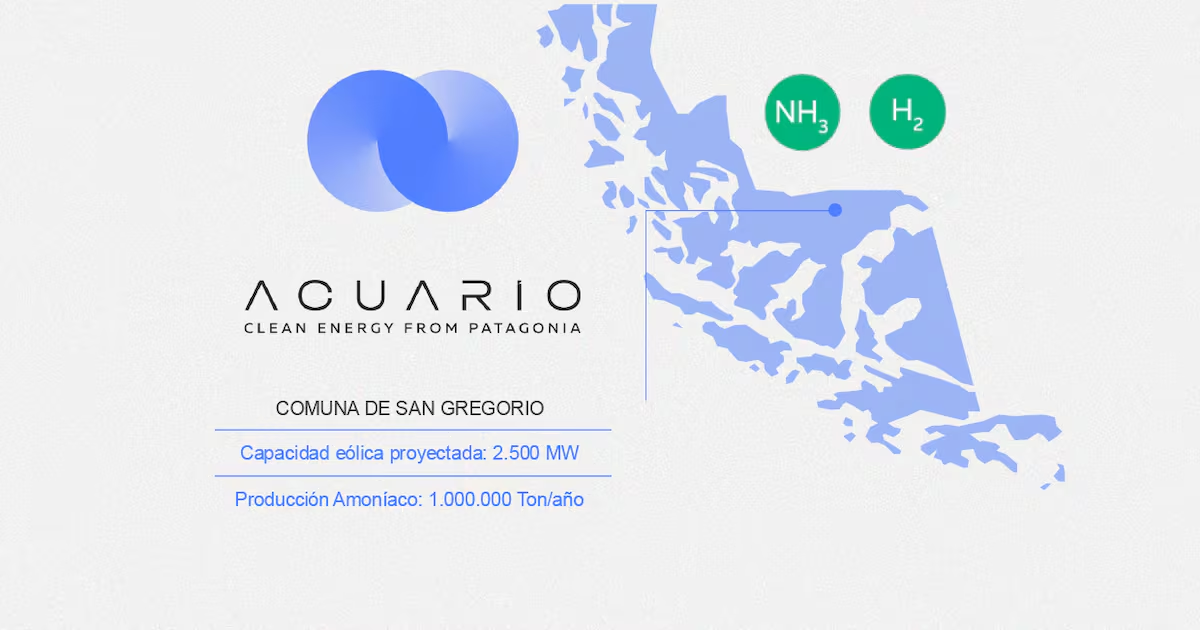
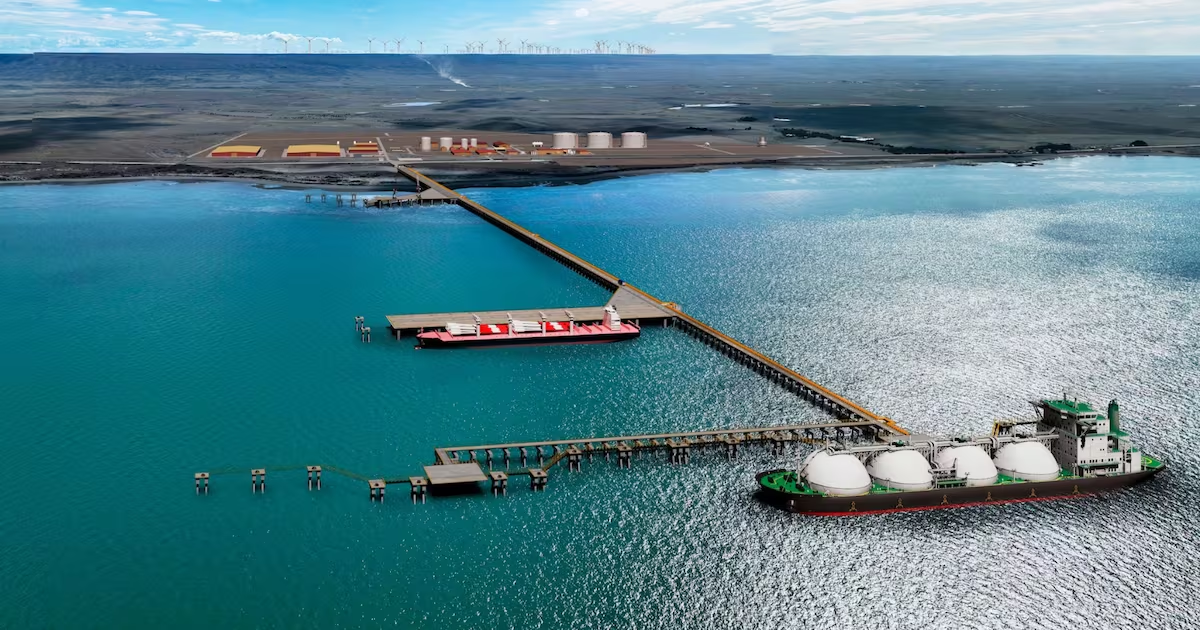
MAGALLANES, 26 AGO - La Commissione di valutazione ambientale della regione cilena di Magallanes ha approvato all'unanimità il maxi-progetto di Hnh Energy per la produzione di ammoniaca verde, con un investimento previsto di 11 miliardi di dollari. L'iniziativa, che coinvolge i comuni di Punta Arenas, Laguna Blanca e San Gregorio, è il più grande progetto mai approvato dal Sistema di valutazione dell'impatto ambientale (Seia) del Cile, quasi il doppio rispetto al precedente record di 5,4 miliardi di dollari. Il consorzio, formato dalle austriache Austria Energy e Ökowing e dal fondo danese Copenhagen Infrastructure Partners, prevede nella prima fase un parco eolico da 1,4 GW con 194 turbine, un impianto di desalinizzazione, strutture per la produzione e lo stoccaggio e un porto per l'esportazione.La capacità eolica salirà a 2,1 GW nella seconda fase. I lavori dovrebbero partire nel 2027, mentre la produzione di ammoniaca verde è prevista nel secondo semestre del 2030. Durante la costruzione saranno impiegati circa 4.000 lavoratori, mentre la fase operativa richiederà 1.800 addetti. (ANSA).