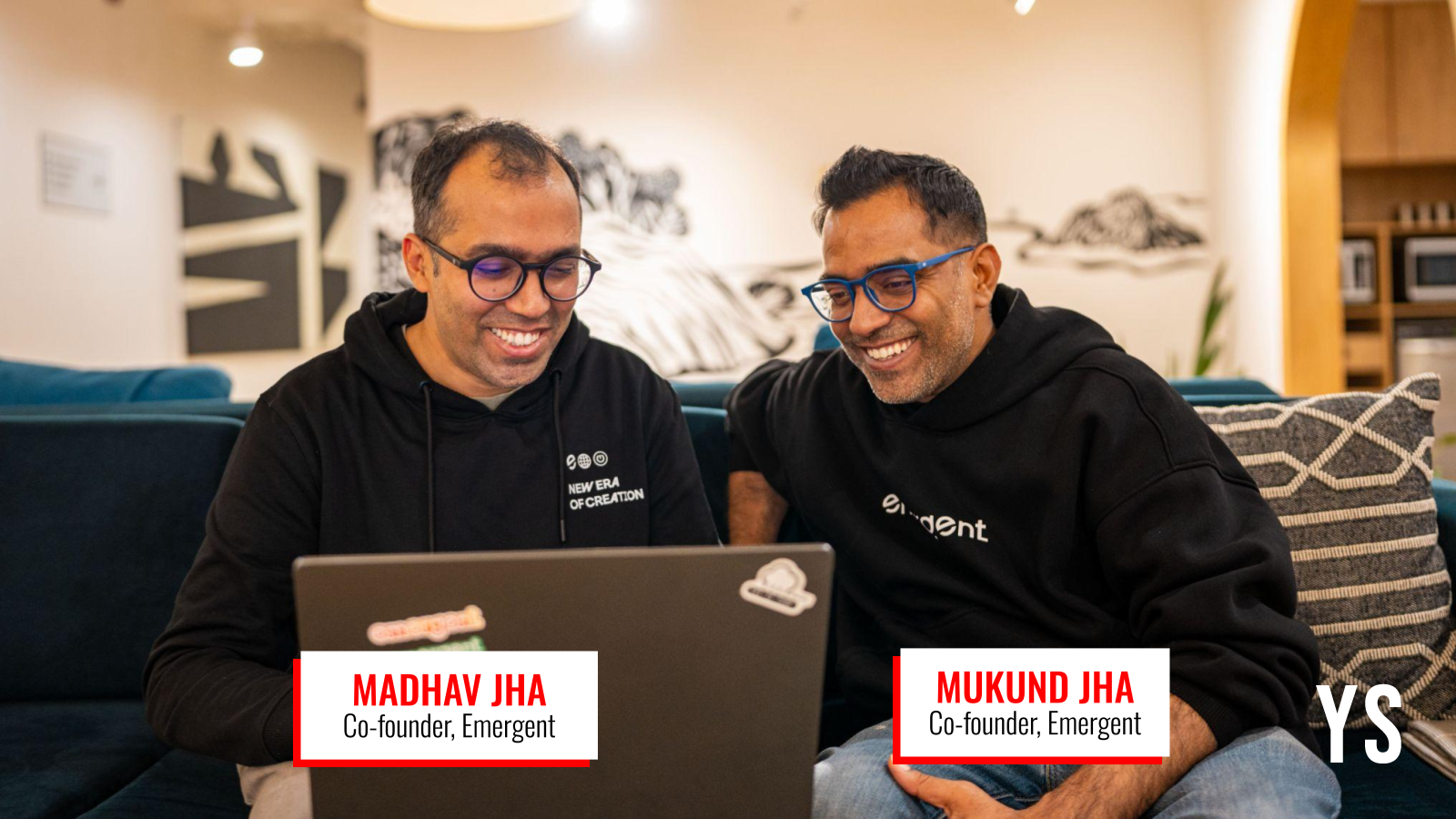
For the Comeback Kid category, the ET Startup Awards 2026 jury looked for founders who had endured a bruising phase and returned stronger. Mukund Jha’s second act after Dunzo stood out for combining the scars of a high-profile failure with a sharp bet on artificial intelligence on a global stage.ETtech
“For Comeback Kid, it was about people who have gone through tough times, sometimes essentially near-death experiences, and then come back very, very strong,” said jury member and Navi founder Sachin Bansal.Jha was cofounder and chief technology officer at Dunzo, the hyperlocal delivery startup that began as a concierge-style service and became one of India’s best-known consumer internet brands. Its move into quick commerce through Dunzo Daily put it in a market where speed, dark stores, discounts and delivery density required heavy capital.Also Read: ET Startup Awards 2026: Groww adjudged No. 1; Sauce VC’s Manu Chandra named Midas Touch winnerThat bet unravelled as the funding cycle turned. Dunzo delayed salaries, cut jobs, shrank operations and struggled to raise fresh capital. Reliance Retail, which had invested $200 million in 2022 as part of a $240 million round for about a 26% stake, later wrote off the investment. By early 2025, Dunzo’s app and website had gone offline.For Jha, the award is also a message to founders bruised by the previous cycle. “It feels surreal (to receive the award); I would just want to inspire people who have had failures in the past,” he said. “Entrepreneurship is like baseball. You just need one home run. People should have big ambitions and take large swings.”Looking back, Jha said Dunzo had tried to do too much at once. “When one dark store model was working, we should have just focused on that,” he told ET. The company, he said, scaled too quickly before figuring out the economics and then got caught in a bad funding cycle. “If we had survived for three months, I think the story would have been different,” he said, pointing to how quick commerce later became one of India’s largest consumer internet categories.Jha left Dunzo in 2023, when the company was downsizing. “Especially after leaving Dunzo, there is always a chip on my shoulder. I have to do something bigger,” he said.Artificial intelligence was moving into a new phase around the same time. Jha had followed AI for years and believed it was turning into a “super cycle”. His starting point for Emergent came from a problem he had seen closely at Dunzo that software was hard, slow and expensive to build.Emergent, cofounded with his brother Madhav, lets users build web and mobile applications through prompts and conversations. The platform handles coding, testing, deployment and hosting, targeting founders, small businesses and non-technical users who want software without hiring traditional engineering teams.Emergent competes in the global vibe-coding market with players such as Cursor, Replit and Lovable. It most recently raised $130 million at a $1.5 billion valuation, taking total funding to about $230 million, and has reported a $120-million annualised revenue run-rate. More than 12 million applications have been built on the platform.That pace has brought scrutiny around how revenue run-rate should be read for consumption-based AI products. Jha said some of the confusion came from comparing newer AI businesses with older software-as-a-service models.Other contendersShreya Mishra, Neeraj Jain, Nikhil NaharETtech