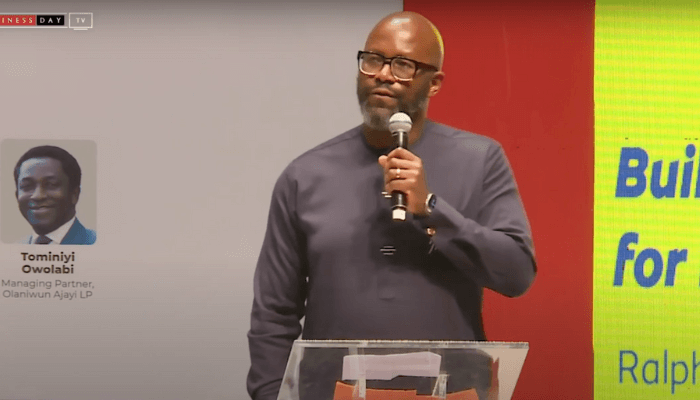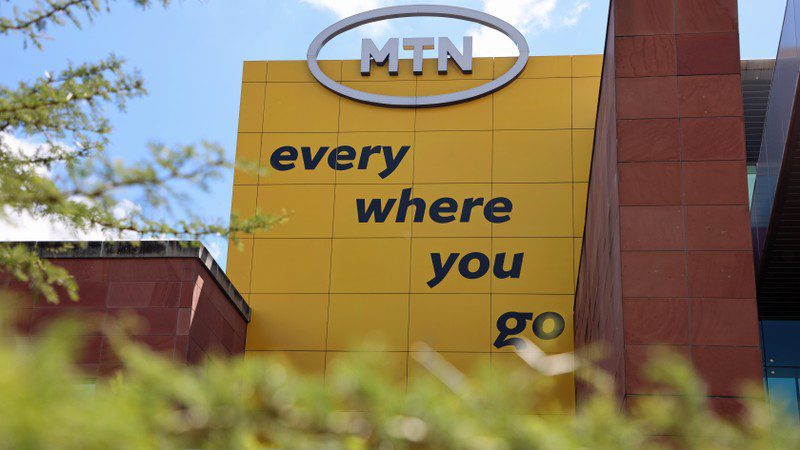
Managing Director, Financial Derivatives Company, Bismarck Rewane, speaks about MTN’s investment in Nigeria’s telecoms sector in the last 25 years and the impact on Nigerian businesses, the Nigerian economy among other issues. Emma Okonji presents the excerpts:
Today MTN is celebrating 25 years of consistent telecommunications service delivery in Nigeria. What has been the impact of its service delivery on the Nigerian economy since 2001when it rolled out its commercial services?
In 2000, Nigeria had 250,000 fixed lines which belonged to the Nigerian Telecommunications Limited (NITEL), a state-owned company that operated a monopolistic market. The worst monopolies in the world are state-owned because of the control price and control output. Nigeria went from a state-owned monopoly to a private monopoly, when MTN launched in 2001. From a private monopoly, you can have a duopoly and oligopoly, and all these have to do with few suppliers and very many buyers, which puts the buyers of the commodity the mercy of the producer. So, that’s where Nigeria started from.
From 250,000 fixed lines in 2000, Nigeria can boast of over 170 million active lines across all networks as at today, with MTN leading in market share of over 96 million subscribers on its network, which is about 52 per cent market share.