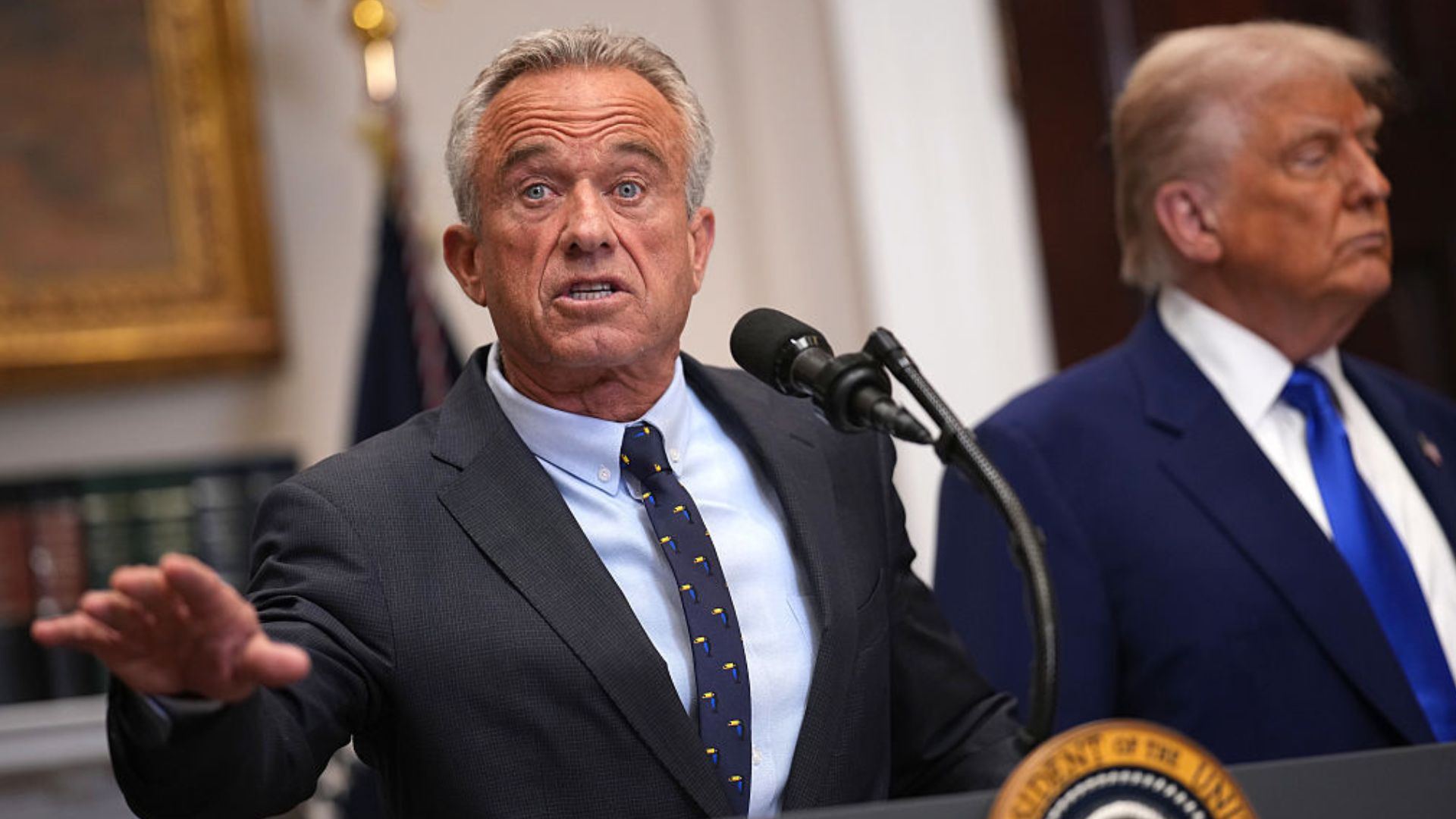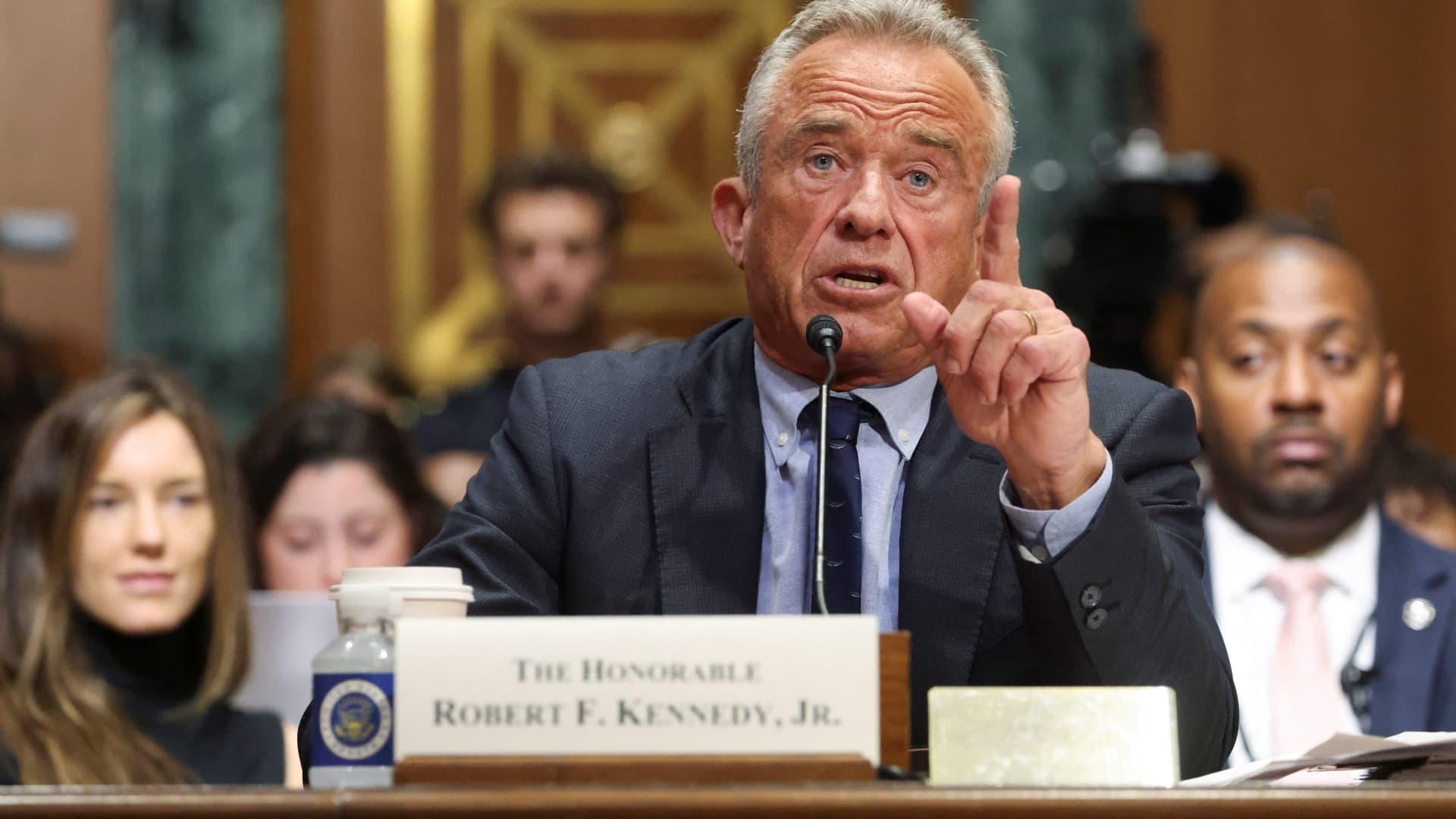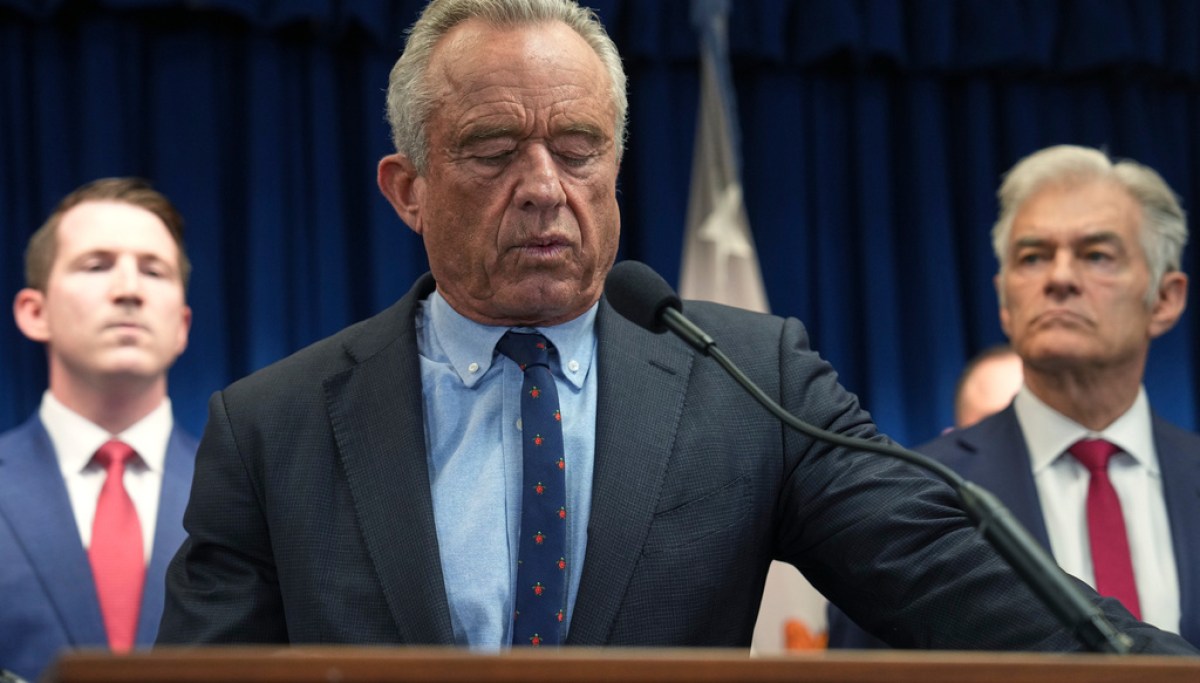
Photograph by Jim Watson / GettyThis month marks a year and a half since Robert F. Kennedy, Jr., became the Secretary of Health and Human Services—and, as the date approached, I decided to reread some of the commentary surrounding his nomination and confirmation. Before becoming the nation’s top health official, Kennedy had spent decades promoting conspiratorial views about vaccines—he claimed that “there is no vaccine that is . . . safe and effective” and argued that “the people who run our vaccine programs should be in jail.” It was only reasonable for public-health experts to worry about “potentially catastrophic policy shifts,” as one put it. “I think he is about to destroy vaccines in this country,” a second said. Another argued that he would push the country’s vaccine ecosystem to the “brink of collapse.” I myself questioned whether America’s scientific institutions could function under a leader who seemed to reject the scientific method.During his tenure, Kennedy has indeed made strides toward destabilizing the nation’s vaccine infrastructure. He cancelled hundreds of millions of dollars in funding for mRNA-vaccine development; he unilaterally announced that healthy children and pregnant women no longer need the COVID vaccine; he replaced members of a key C.D.C. advisory committee with his own people, who then issued a number of controversial recommendations. Already this year, the U.S. has recorded more measles cases than in any year in over three decades. Just yesterday, officials in Pennsylvania reported that two unvaccinated people had died of the disease.And yet, as I explore in a new piece out this week, I don’t think we’re living through the worst-case scenarios that some people envisioned. It’s true that state lawmakers are introducing bills to weaken vaccine requirements and that more parents are asking pediatricians to delay or forgo vaccines for their children. But, nationally, the share of kindergarteners who received vaccine exemptions has risen less than one per cent since Kennedy took office, and the measles-vaccination rate has hardly budged. The Administration hasn’t withdrawn the approval of any vaccines or taken the sorts of steps that would seriously threaten access in public vaccination programs. Kennedy hasn’t directly extorted states to get them to abandon vaccine mandates or destroyed the vaccine-injury compensation program that shields manufacturers from many lawsuits. For someone who said that doctors had “butchered” children through immunization and “poisoned an entire generation,” Kennedy’s efforts on vaccines can be seen as piecemeal and procedural.Kennedy has, at times, been stymied by courts, by scientists, and by White House advisers. “Even a lot of Republicans don’t want to go where Kennedy wants to go,” one vaccine-policy scholar told me. The American Academy of Pediatrics and other groups brought a successful lawsuit to temporarily block the government’s proposed changes to the childhood-vaccine schedule, and many private insurers have committed to covering vaccines that were recommended prior to Kennedy’s tenure. Meanwhile, his vaccine skepticism remains unpopular: a large majority of Americans continue to say that vaccination is important and that they trust their own doctors to provide guidance. All this should be understood not as a reason for complacency but as a rationale for further action. The battle for sound vaccine policy is worth fighting—and it is winnable.Democratic U.S. Senate candidate Adam Hamilton, of Kansas.Photograph by Colin E. Braley / APThe Reverend Adam Hamilton is aiming to become the first Democratic senator elected in Kansas since 1932—and he’s among a number of pastors, seminarians, and former clergy in the party who have won their primaries this year. Although Democratic socialists are getting more of the attention, Bill McKibben argues that Democratic Christians may prove more influential this November. Read or listen to the story »More Top StoriesA Nobel Prize-winning scientist brought dozens of boys from the South Pacific to live with him in the U.S., and, years later, pleaded guilty to child abuse. Watch Rachel Aviv discuss her reporting on the story.In a tribute to Dolly Parton, Kathryn Schulz writes: “Dolly revealed everything, told anyone who asked about the wigs, the eyelashes, the boobs, the boob jobs. She had no shame and nothing to be ashamed of. . . . She embodied our national ideal of authenticity.”Kim Kardashian’s rise to fame started with the ultimate tabloid scandal: a sex tape. Brady Brickner-Wood writes that some influencers today may be drawing the wrong lessons from this path to superstardom.Washington Irving was New York City’s original mythmaker (and gave the Knicks their name). Why was he largely forgotten?The most-clicked item in yesterday’s newsletter was about how the job market will not get better for young people any time soon.A book: Richard Brody has been eagerly awaiting a biography of the New York filmmaker Shirley Clarke, which reveals her furiously inventive activity away from public view.A TV show: Emily Nussbaum thinks everyone should watch “Slings & Arrows,” a little-known, groundbreaking Canadian series set at a Shakespeare festival.A song: Dolly Parton’s cover of Lynyrd Skynyrd’s “Free Bird” is an absolute knockout.Today’s Crossword Puzzle: “How Stella Got Her Groove Back” star Bassett—six letters. Catalogues: Can you sort the items into the correct order? Shuffalo: Can you make a longer word with each new letter? Laugh Lines: Test your knowledge of classic New Yorker cartoons.Cartoon by Sarah KempaP.S. Tim Curry, perhaps best known for his starring turn in “The Rocky Horror Picture Show,” died today at eighty. In an interview with The New Yorker last year, he said, of his past roles, “They’re a part of me. I think we all probably have an attitude toward our history, and I cherish mine.” 💋Austin Elias-de Jesus contributed to today’s edition.
R.F.K., Jr. Might Be Losing on Vaccines
From the daily newsletter: assessing Kennedy’s war on immunization.
926 words~4 min read