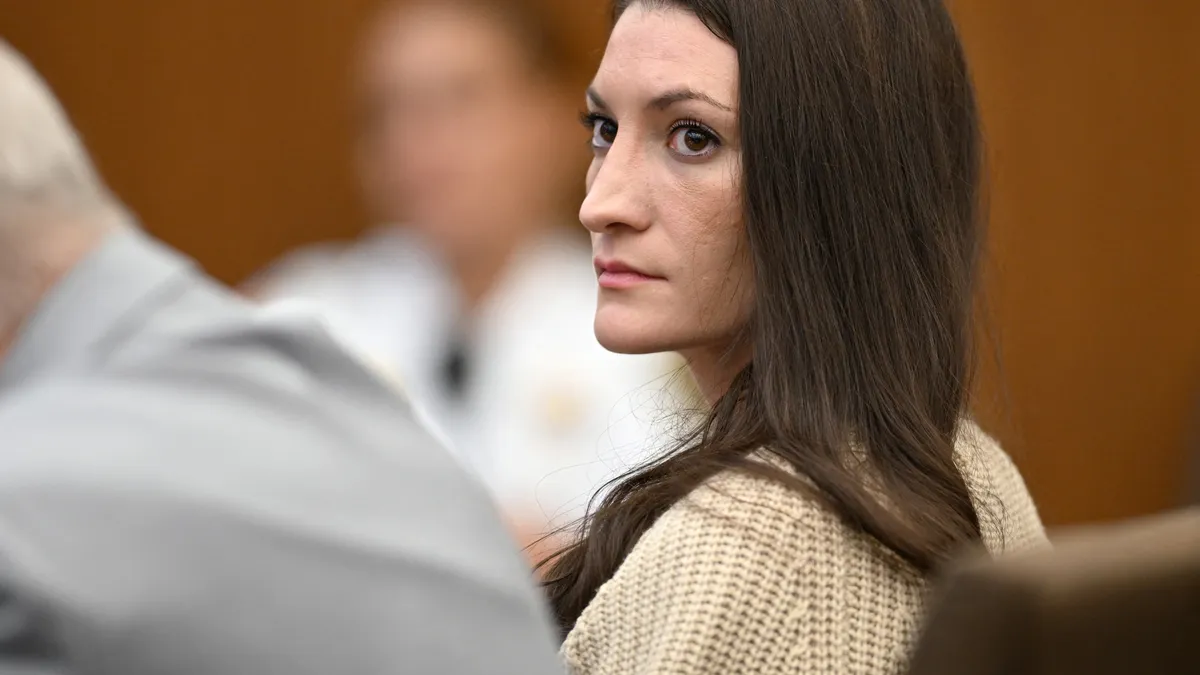
Show Caption
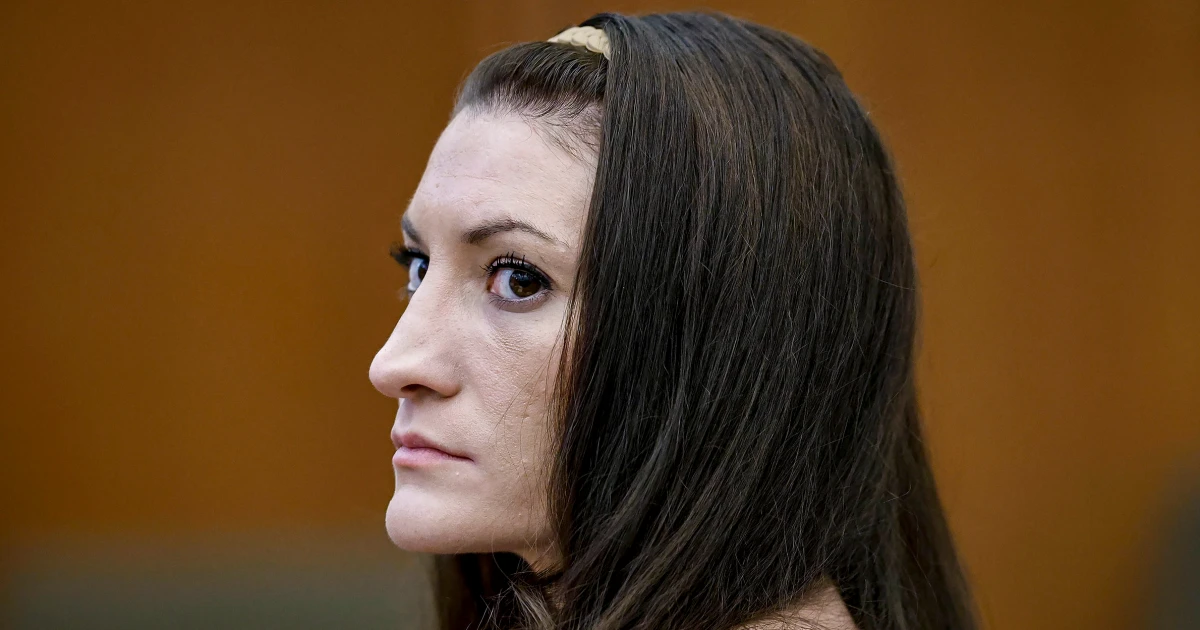
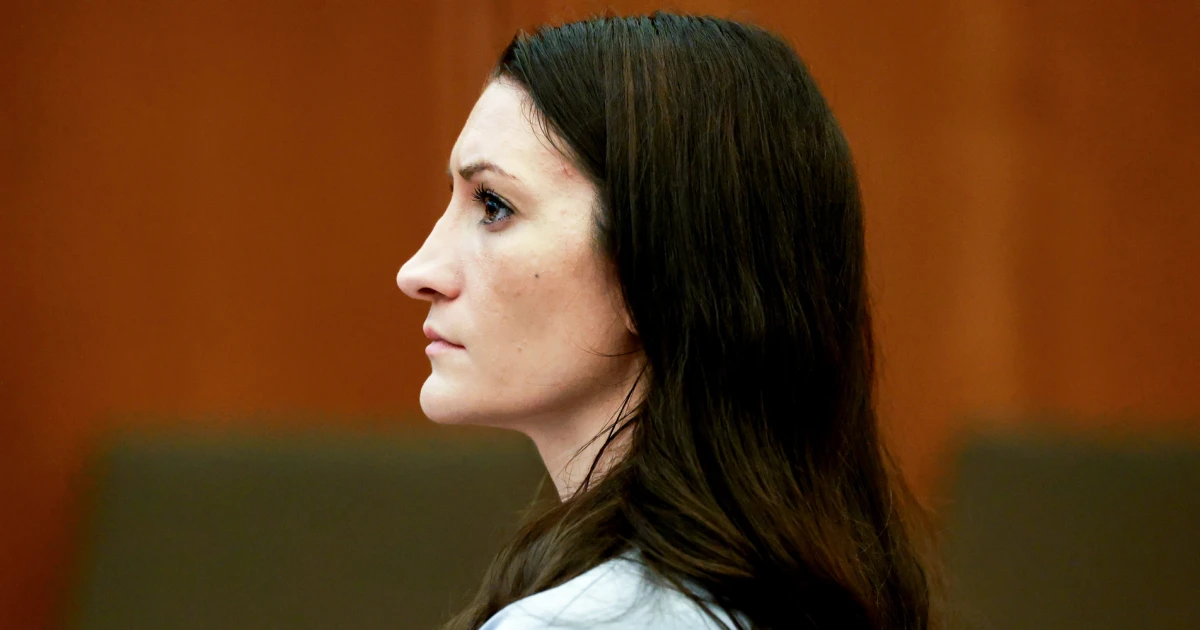
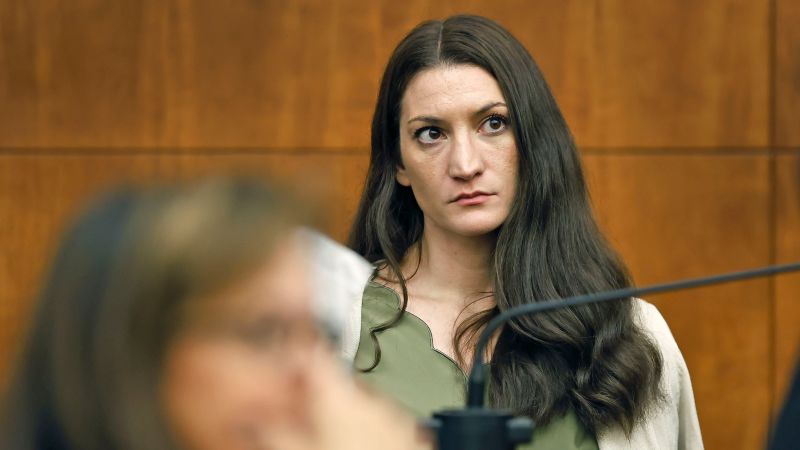
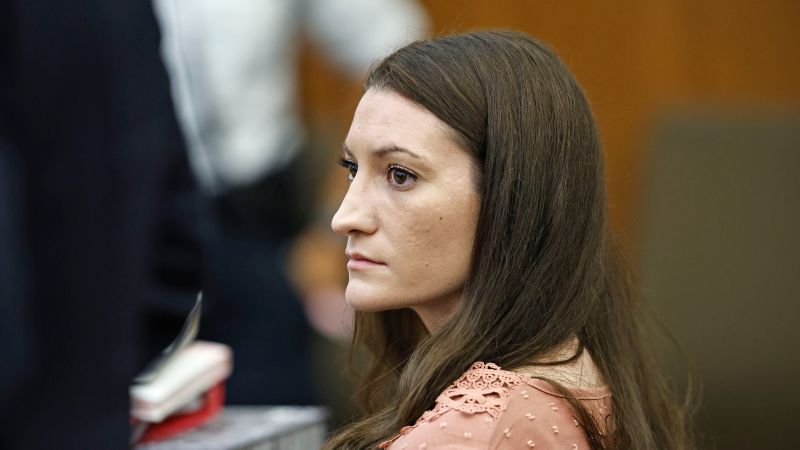
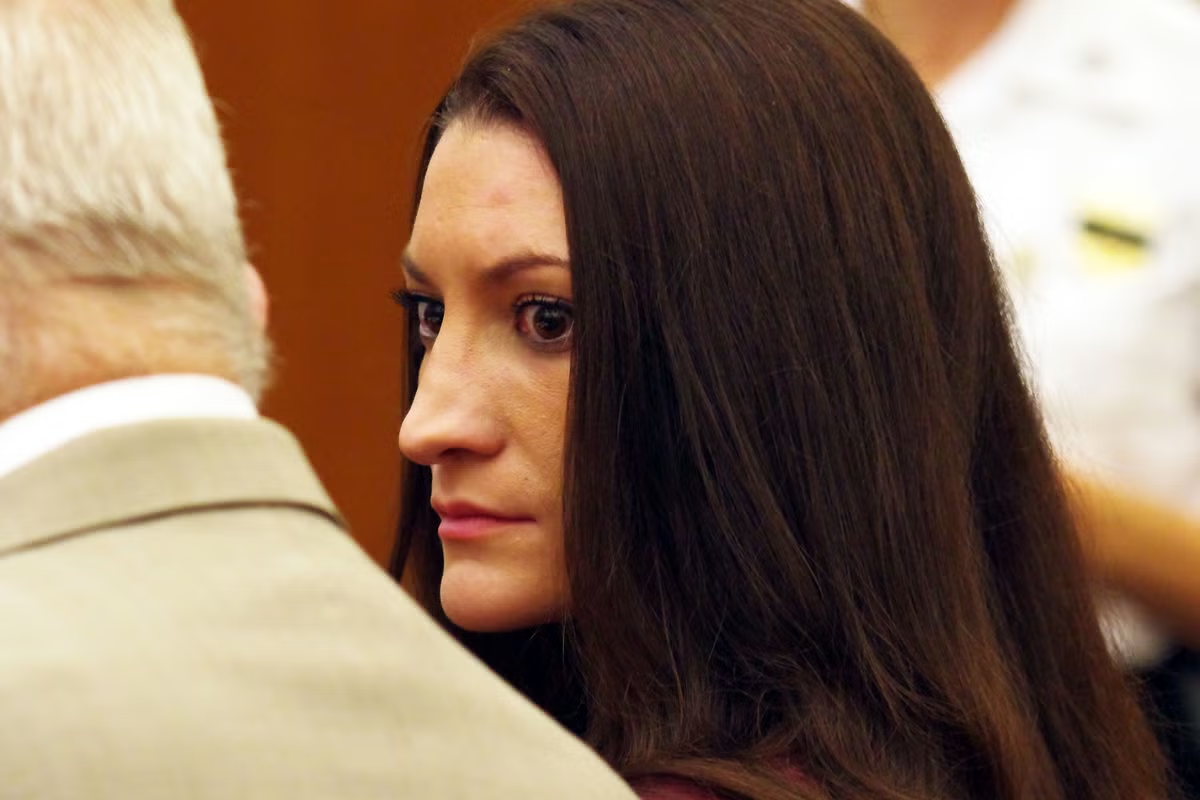
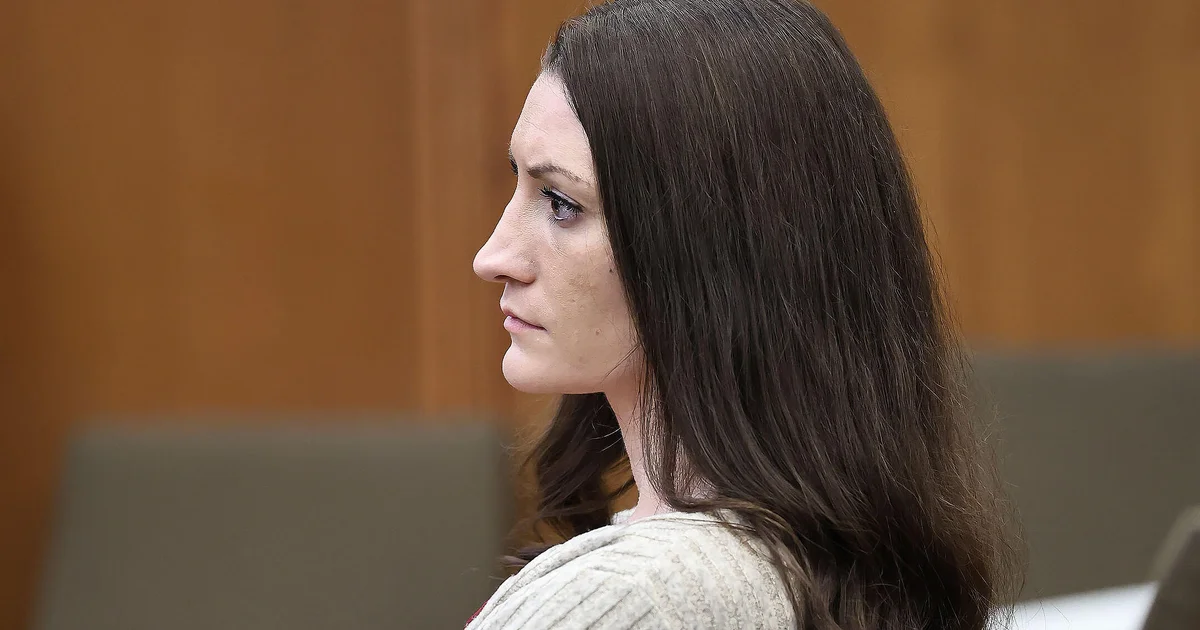
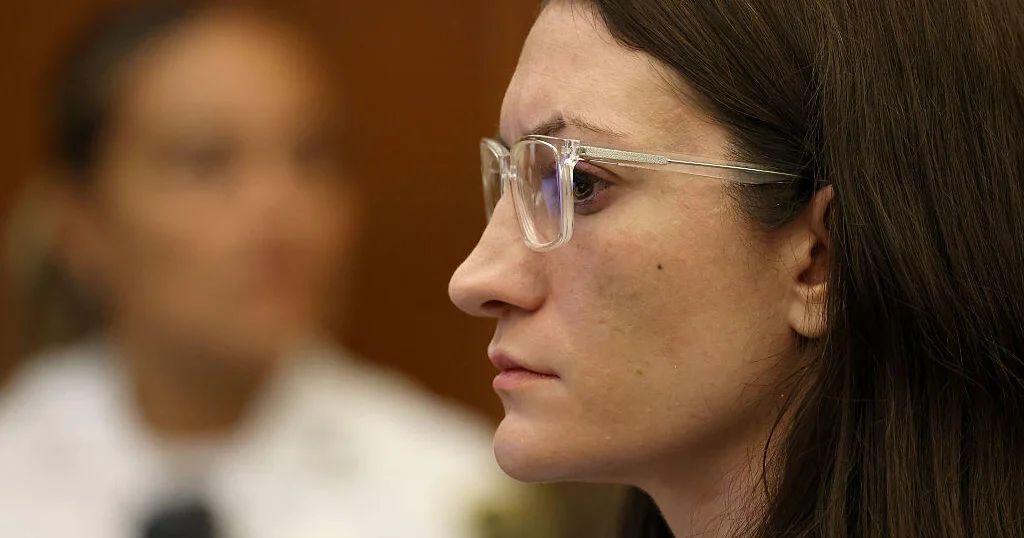
Attorneys in the closely watched triple-murder trial of Massachusetts mother Lindsay Clancy are set to deliver their final words to the jury on Aug. 27.Clancy, 36, is facing three murder charges in the January 2023 deaths of her three children – Cora, 5; Dawson, 3; and Callan, 8 months – at the family's Duxbury, Massachusetts, home. She has pleaded not guilty to all three counts.Prosecutors allege that Clancy planned the killings by sending her husband out to do errands and then strangling the children to death with exercise bands while he was gone. After the alleged killings, Clancy cut her wrists and neck and jumped out of a second-story window, leaving her paralyzed. The prosecution rested their case on Aug. 17 after calling more than 70 witnesses, including Clancy's husband Patrick Clancy and medical providers that treated her in the lead up to the killings to the stand.Clancy's defense attorney Kevin Reddington argued that Clancy is not guilty because she was suffering from postpartum depression and psychosis at the time of the killings. Before resting his case, Reddington called 10 witnesses, including Clancy's mother, and a psychologist who testified that he believes, based on his meetings with Clancy after the killings, she "had no appreciation for the wrongfulness of her act."Questioning of the final rebuttal witness for the prosecution, forensic psychiatrist Gregory B. Saathoff, wrapped up on Aug. 26. Saathoff told jurors he believes Clancy had the capacity to distinguish right from wrong on Jan. 24, 2023, and is thus criminally responsible for the killings.Judge William Sullivan then sent the jury home and told them to return for closing arguments on Aug. 27. Sullivan said he will give the jury instructions on the law they must apply in the case and they will be able to start their deliberations that day.Jurors must decide whether Clancy is criminally responsible for killing her children, more commonly known as an insanity defense. A person is not criminally responsible for their conduct if they have "a mental disease or defect, and as a result of that mental disease or defect, lacks the substantial capacity either to appreciate the criminality or the wrongfulness of her conduct or to conform her conduct to the requirements of the law," according to a definition previously read in court by Sullivan."You've heard all the evidence," Sullivan told jurors. "But you haven't heard the arguments from the attorneys and you haven't even heard, like I said before, the law that you're to apply, so you still have to keep an open mind."