Audio By Vocalize
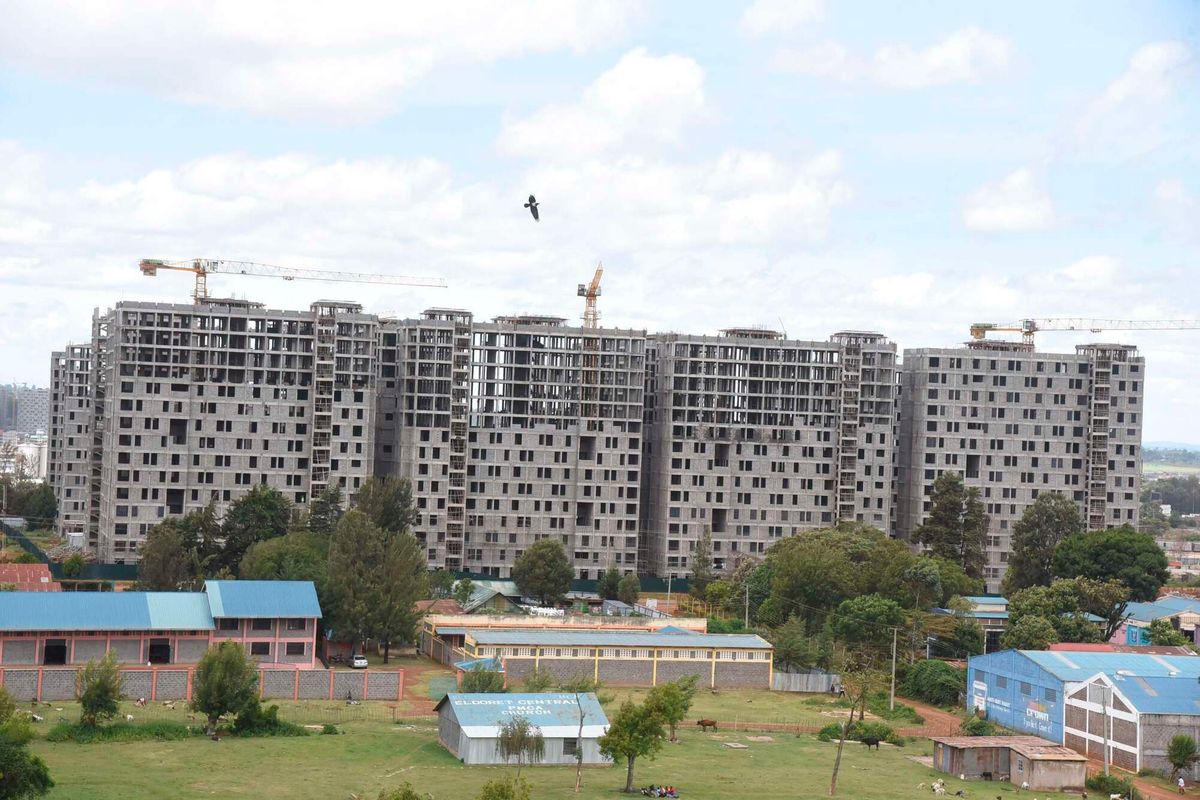
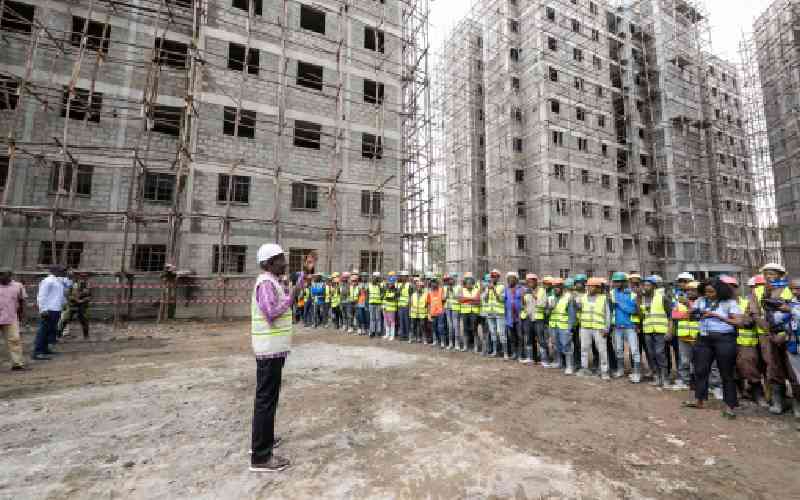
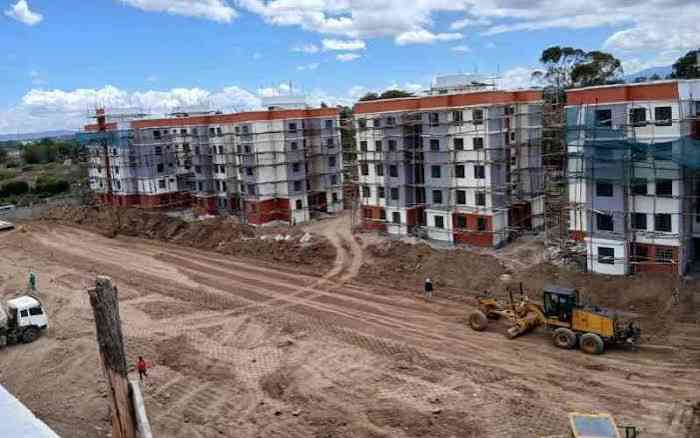
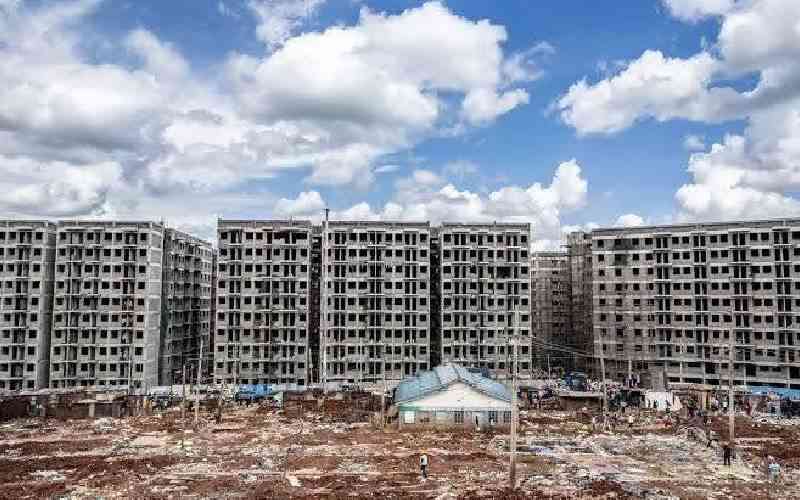
Gichugu affordable housing project. Kenya's government plans to construct one million affordable housing units by 2027. [File, Standard]
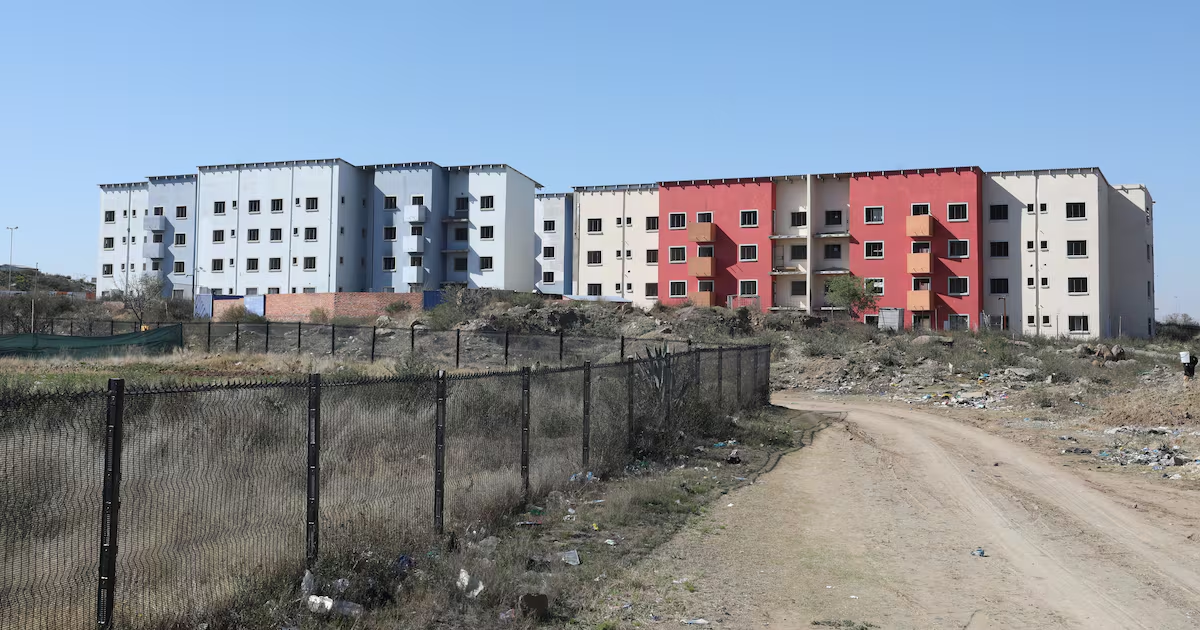
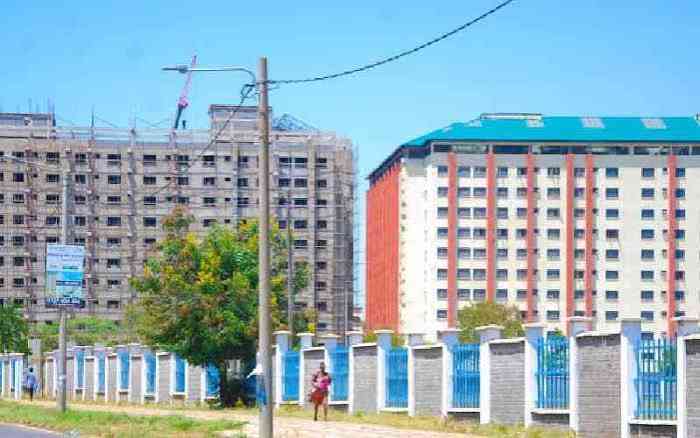
Kenya has proven it can build houses at speed. The harder test is making sure that those houses stay affordable, well managed and dignified.
Drive through Nairobi, Nakuru or Mombasa today and cranes turn over estates once occupied by informal settlements. It is a remarkable feat of political will. But 60 years ago, another young nation faced a similar test, and the choices it made in its first decade continue to shape how millions of its citizens live today. Singapore's answer to its housing crisis offers Kenya not a blueprint to copy, but a mirror in which to see its own programme more clearly.
Before independence, Singapore's housing situation was dire, with most residents crowded into unsafe kampongs and stilt structures. When the country attained self-governance in 1959, the government made housing its first urgent priority. The colonial-era Singapore Improvement Trust had made only modest progress, so in 1960 it was replaced by the Housing and Development Board (HDB), a single, empowered agency with one mandate. The contrast was stark: HDB built more units in its first five years than the Trust had managed in 13. Today, roughly 80 per cent of Singaporeans live in HDB flats, and nine in 10 own their homes.