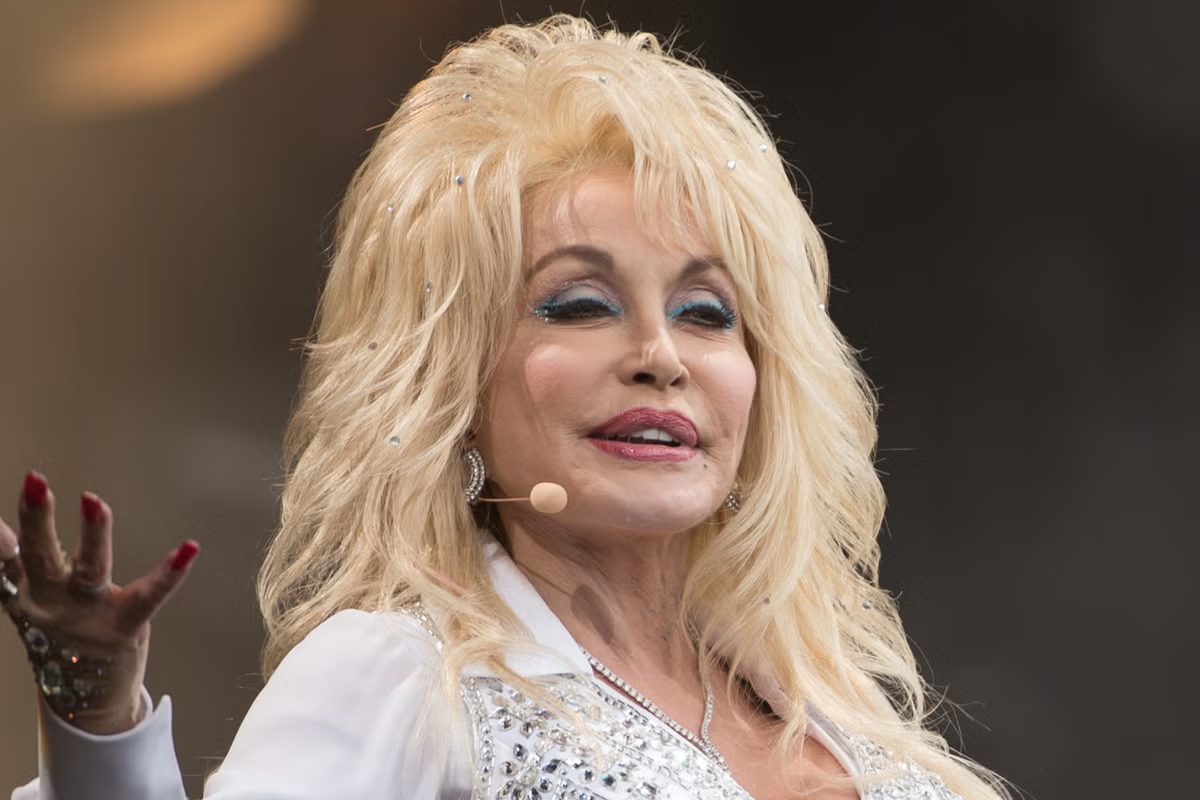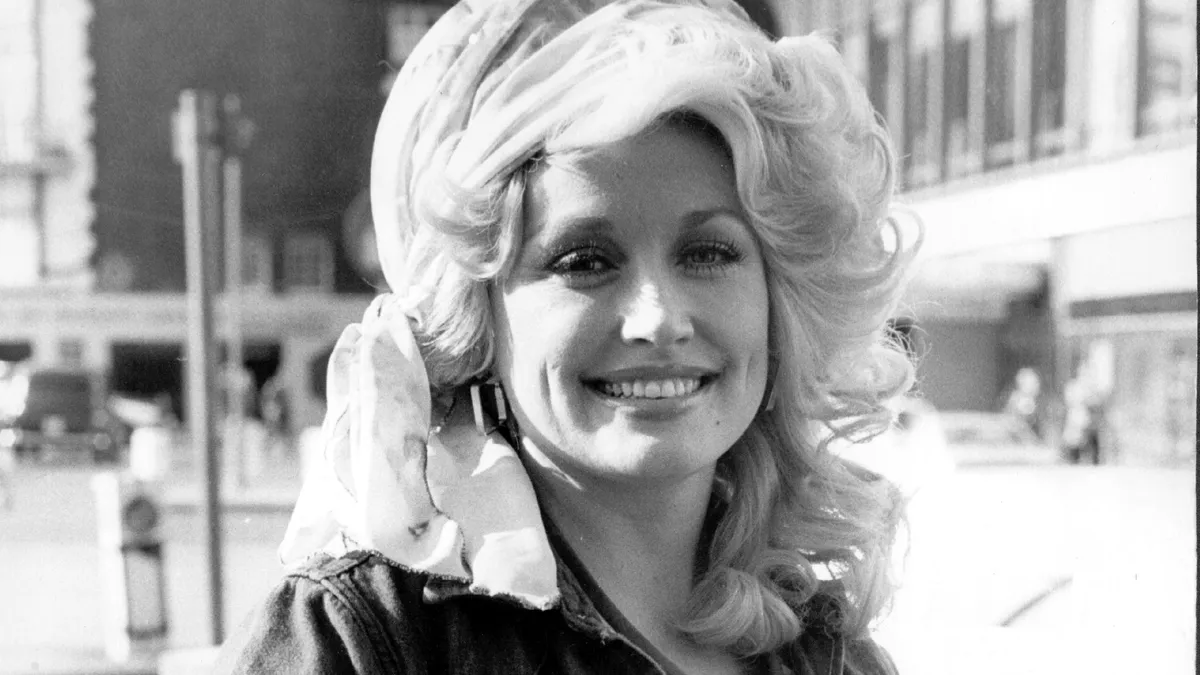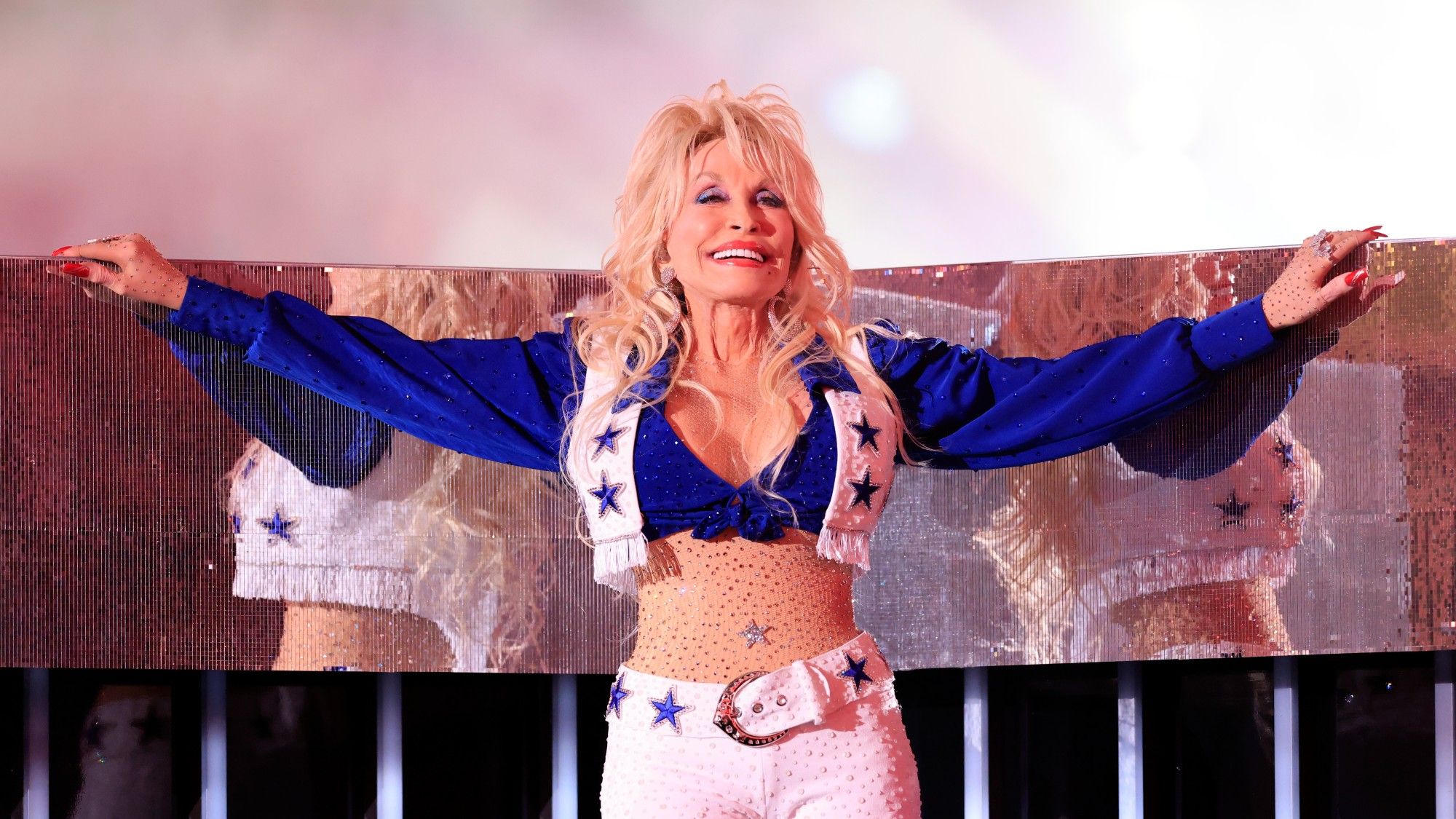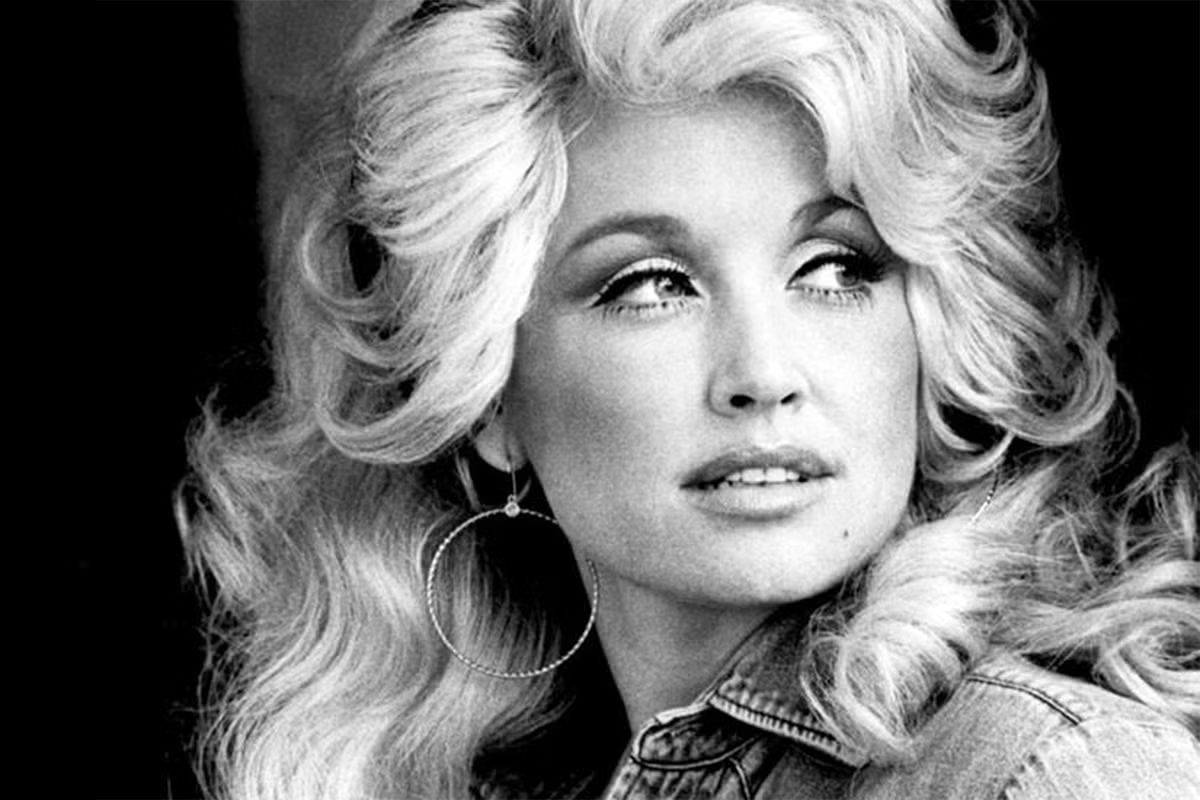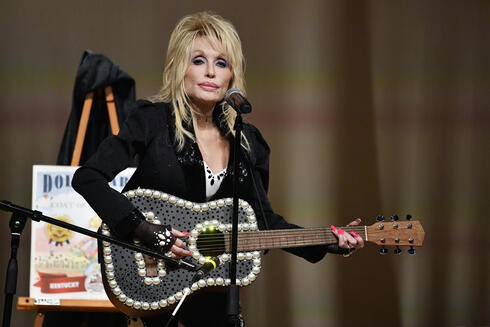
The country legend turned poverty, heartbreak, ambition and everyday frustration into songs that crossed genres and generations, while building a legacy that stretched far beyond musicLegend has it that Dolly Parton wrote “Jolene” and “I Will Always Love You” on the same day. Whether or not every detail of that story is exactly right, it captures something essential about her: songs seemed to pour out of her with an ease most writers could only envy.Parton, who died Tuesday at 80, spent decades turning deeply personal stories into music that somehow belonged to everyone. She crossed from country into pop without losing the Appalachian roots that shaped her, and even when she was singing to millions, listeners often felt she was speaking directly to them.Dolly Parton (Photo: AP Photo/John Russell)Her songs understood the indignities of office work, the ache of leaving someone you still love, the terror of losing a partner and the almost utopian joy of finding the right person. Again and again, Parton’s music seemed to say: I see what you are going through, and you are not alone.Her legacy extended far beyond records. Through Dollywood, the theme park she opened in Tennessee in 1986, she became one of the largest employers in Sevier County. Her Imagination Library has provided free books to millions of children around the world. She quietly helped produce “Buffy the Vampire Slayer,” and during the COVID-19 pandemic she donated money that helped fund U.S. vaccine research before publicly receiving the vaccine herself.But music remained at the center of everything. More than anything, Parton will be remembered for showing the world the beauty of country music, the Smoky Mountains and the lives of the people she grew up among.These are some of the songs that defined her.Parton was one of 11 children born to Robert Lee and Avie Lee Parton. The family grew up in Tennessee’s Smoky Mountains in a home without electricity or running water. Her father could not read or write, but Parton often spoke of his intelligence and relentless work ethic.As a child, she fashioned a microphone from a tin can and performed for her family on the front porch. Years later, she turned those memories into one of her most beloved songs.“Coat of Many Colors,” released in 1971, tells the story of a coat her mother stitched together from scraps of donated fabric. Her classmates mocked it, but Parton saw it as something precious because of the love that went into making it.The song became a declaration of pride in where she came from and in values she carried throughout her life. In 2021, Rolling Stone included it on its list of the 500 greatest songs of all time.“Dumb Blonde,” released in 1967, was Parton’s first Top 30 hit on the Billboard country chart and one of her earliest statements of independence.The song plays directly with the image she would later turn into a trademark: the big blond hair, glamorous clothes and deliberately exaggerated femininity. But its message was clear. Looking a certain way did not mean she could be underestimated.The song also helped change the direction of her career. Porter Wagoner, then one of country music’s biggest stars, invited her to join his television show, giving Parton a national platform and opening the door to mainstream country success.Parton’s partnership with Wagoner brought her fame, but the relationship was also difficult. Both were strong-willed, and as Parton’s ambitions grew, she knew she had to leave his show and establish herself on her own.“I Will Always Love You” became her farewell.Rather than writing a bitter breakup song, Parton created something far more complicated: a declaration of love from someone who knows that leaving is still necessary.Elvis Presley later wanted to record it, but Parton refused after his manager demanded a share of the publishing rights. She kept ownership of the song, a decision that proved enormously valuable when Whitney Houston recorded it for “The Bodyguard” in 1992.Houston’s version became a global phenomenon. Parton later recalled hearing it unexpectedly on the radio and being so overwhelmed that she had to pull over.The song that began as a deeply personal goodbye had become one of the most famous ballads in pop history.Few country songs have generated as much fascination as “Jolene.”Released in 1973, the song is built around a woman pleading with an extraordinarily beautiful rival not to take away the man she loves. Over the decades, listeners have debated everything from the identity of the real Jolene to the unusually sensual way Parton describes her.Parton said the song was inspired in part by a red-haired bank teller who had caught the attention of her husband, Carl Dean.Its power comes from vulnerability rather than anger. The narrator does not attack Jolene. She acknowledges that she cannot compete with her beauty and simply begs her to walk away.That emotional honesty helped make it one of the most instantly recognizable songs in country music and inspired countless covers, including versions by Parton’s goddaughter Miley Cyrus.Parton and Kenny Rogers turned “Islands in the Stream,” written by the Bee Gees, into one of the defining duets of the 1980s.The polished production was far removed from Parton’s Appalachian beginnings, but the chemistry between the two singers made it work. The song crossed genre boundaries, reaching No. 1 on both the country charts and the Billboard Hot 100.It was unabashedly sentimental, almost impossibly sweet and completely irresistible.The opening piano already tells you what kind of emotional drama is coming.“Here You Come Again” captures a very specific frustration: finally rebuilding your life after a breakup, only for that person to return at exactly the wrong moment and undo all your progress.Released in 1977, the song became one of Parton’s major crossover successes and spent five weeks at No. 1 on Billboard’s country chart.It also demonstrated her ability to take an emotion almost everyone recognizes and package it into something effortless, catchy and immediately understandable.Parton, Emmylou Harris and Linda Ronstadt had admired one another for years before logistical and contractual obstacles finally allowed them to record together.Their 1987 album “Trio” brought three of the most distinctive voices in American music into close harmony and returned Parton to a more acoustic, roots-oriented sound.Their version of “To Know Him Is to Love Him” became the album’s biggest hit, reaching No. 1 on Billboard’s country chart. Four singles from the record reached the Top 10, and the album sold millions of copies and won major country and Grammy awards.A sequel, “Trio II,” followed in 1999.If “Jolene” captured romantic anxiety, “9 to 5” captured workplace rage.Written for the 1980 film in which Parton starred alongside Jane Fonda and Lily Tomlin, the song became an anthem for working women frustrated by office hierarchies, sexism and bosses who took their labor for granted.Parton famously came up with the song’s rhythmic foundation by clicking her acrylic fingernails together, imitating the sound of a typewriter.She had deliberately left her guitar behind while filming because she wanted to focus on acting. But after spending time around the women working on set, the song began to form anyway. She later finished it back at her hotel.The fingernail percussion remained on the recording.The song earned an Academy Award nomination for best original song and three Grammy nominations, but its cultural impact went far beyond awards. It became part of a movie about women challenging a workplace built around male power, and Parton helped turn that frustration into something funny, defiant and universal.That was what she did better than almost anyone.She could take something deeply personal, whether poverty, heartbreak, jealousy, friendship or the exhaustion of working for someone who does not appreciate you, and turn it into a song that millions of people immediately recognized as their own.
The songs that made Dolly Parton immortal: ‘Jolene,’ ‘9 to 5’ and a lifetime of country classics
The country legend turned poverty, heartbreak, ambition and everyday frustration into songs that crossed genres and generations, while building a legacy that stretched far beyond music
1,284 words~6 min read