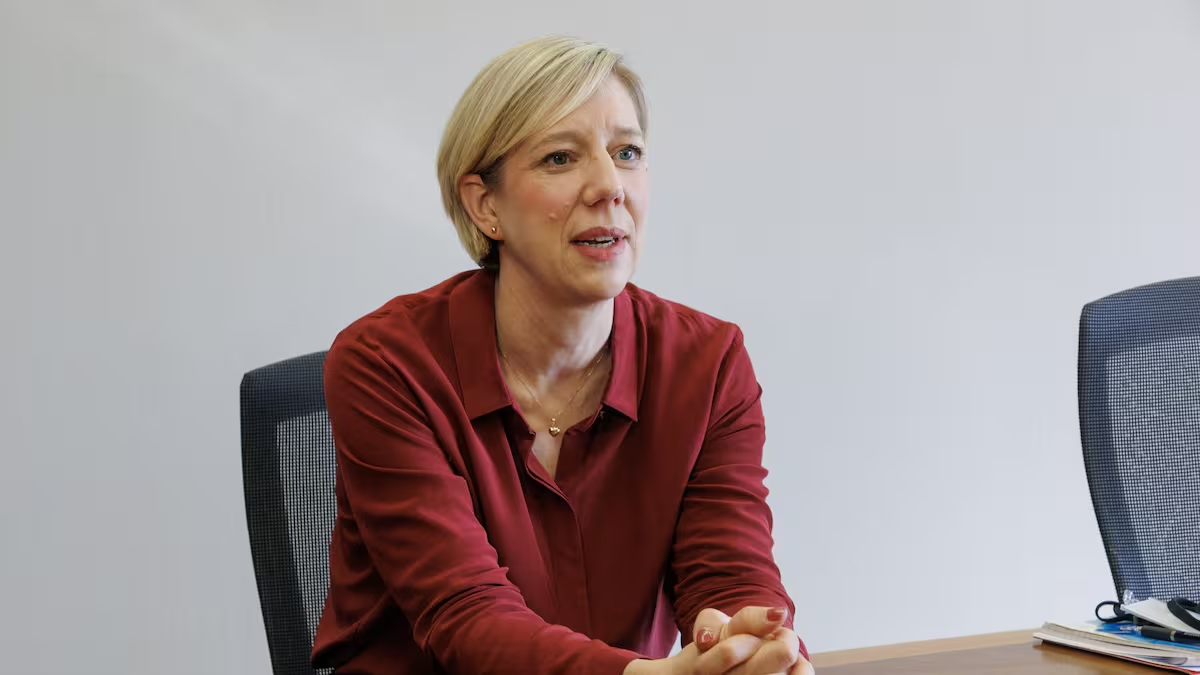
Things are finally looking up for the New Zealand economy, Westpac says.It has released its latest economic overview, which says the economy is regaining momentum after a turbulent period.Chief economist Kelly Eckhold said the country had weathered the disruption that had come with the Iran war reasonably well."We remain of the view that the economy can shake off the worries and deliver better outcomes ahead," he said."In the third quarter, where we are now, it does look like we are on a path to positive growth. Perhaps not necessarily above trend but certainly better than the second quarter. Looking forward, we would expect that to continue."Growth was flat in the June quarter as prices rose and spending was restrained. But he said he expected economic growth of 2 percent over the full year, lifting to 3 percent next year.Exports were a big driver of that growth, he said. Strong commodity export prices, a good tourism season and solid trading partner growth were lifting incomes and spending particularly in rural and tourism-exposed parts of the South Island.Low short-term interest rates were also starting to help construction and household demand, he said.Inflation at 4.1 percent reflected the 20 percent jump in petrol prices as a result of the conflict, but core inflation had been above the 2 percent midpoint of the Reserve Bank target band for five years.Eckhold said headline inflation would stay above 3 percent until the middle of next year.Westpac chief economist Kelly Eckhold.Supplied / LinkedIn"The underlying pressure on prices has proven persistent and the Reserve Bank will need to manage that carefully," Eckhold said.He said he expected the official cash rate (OCR) to increase to 4 percent through next year, to help bring inflation back to target.Eckhold said the unemployment rate would hold at around 5.4 percent before eventually dropping to 4.9 percent.He said it was this labour market improvement that would make the most difference to households."We think it's going to be at least until the end of the year and possibly well into next year before the unemployment rate will be on a firmly declining trend. When that occurs I think a lot of people will feel a lot happier about their finances, more secure about their situation."He said while historically house prices were a significant driver of household wealth, that had not been the case over the past few years. "We can see holdings of financial assets now gradually improving and that's partially a reflection of the strong equity markets and the contributions people have through their KiwiSavers. Some of these things are playing an increasingly important role in buffering household balance sheets and helping support."He said there were always significant risk around the forecast. "In this case the situation in the Middle East hasn't been resolved so there's plenty of risk there. We also have the election coming up with a few different kinds of policies and potential to disrupt the economy as we go through between now and Christmas but underneath that there's some decent indications of stronger times ahead."Proposed land or capital gains taxes could reduce the attractiveness of housing to investors and could put downward pressure on house prices, he said. A centre-left government would likely shift the composition of fiscal settings towards higher spending, revenue, and perhaps greater debt issuance in the short term. Credit ratings agencies would need to remain comfortable forecast surpluses associated with any future government would materialise for New Zealand to retain its current credit rating.Sign up for Money with Susan Edmunds, a weekly newsletter covering all the things that affect how we make, spend and invest money.
No really, the economy is improving
Things are finally looking up for the New Zealand economy, Westpac says.
601 words~3 min read