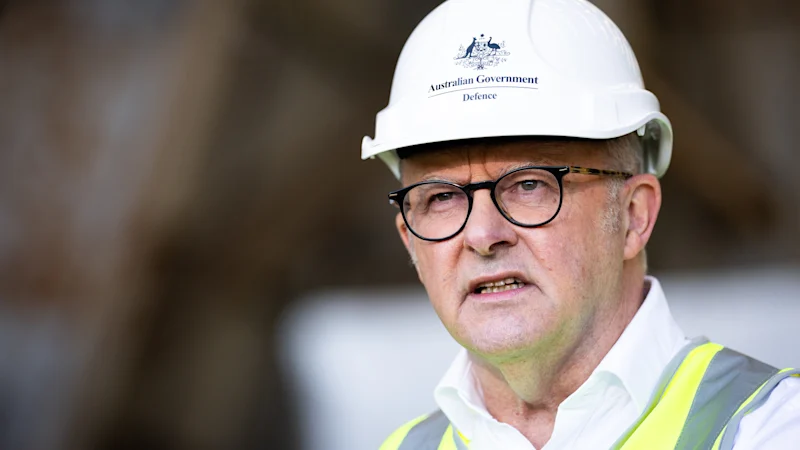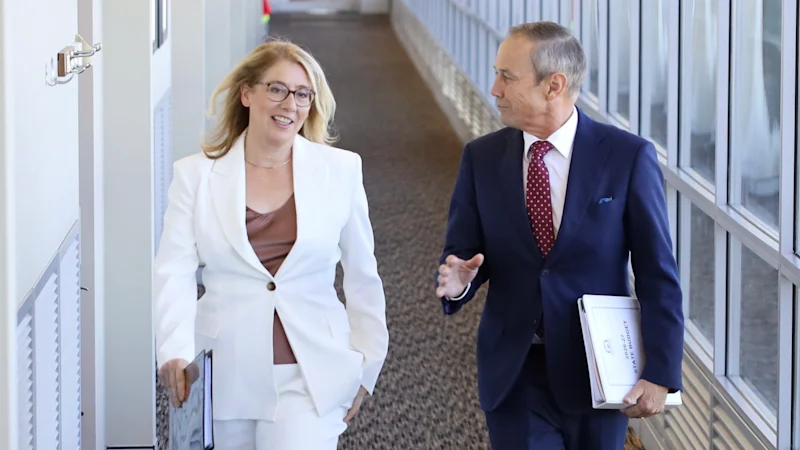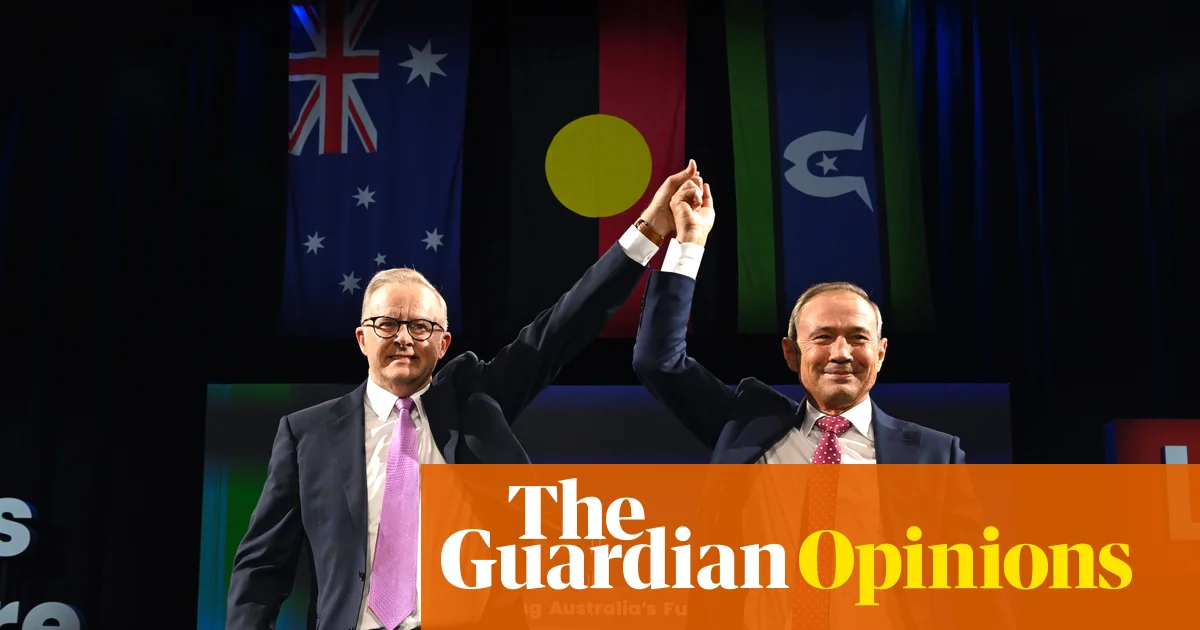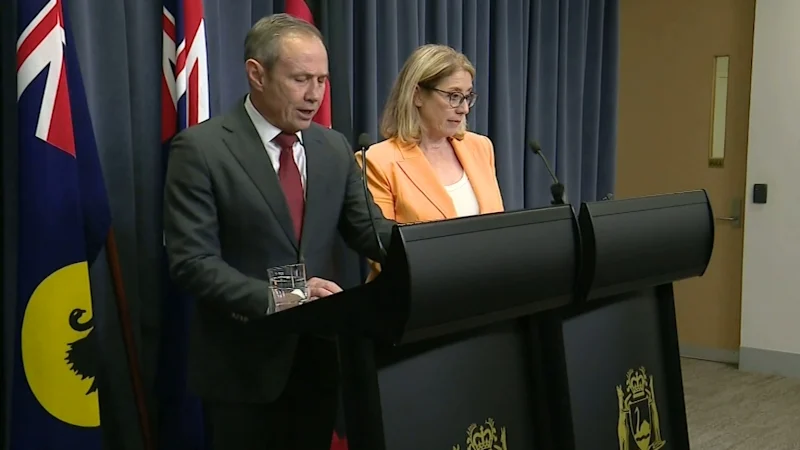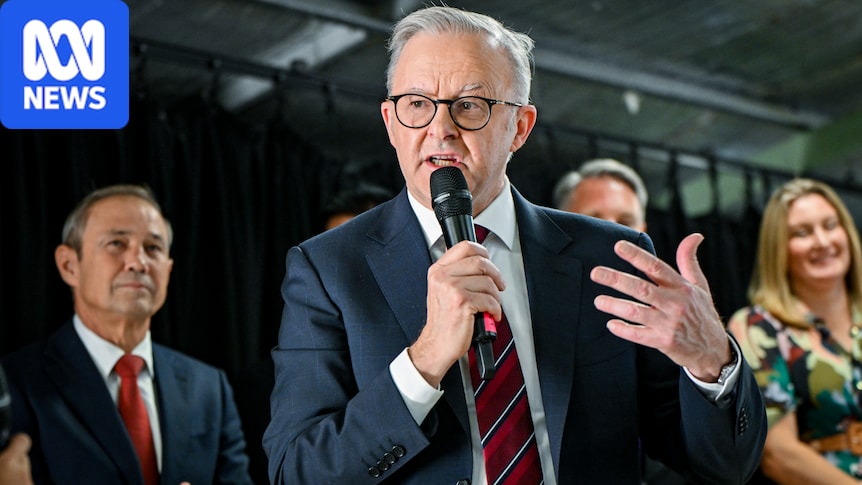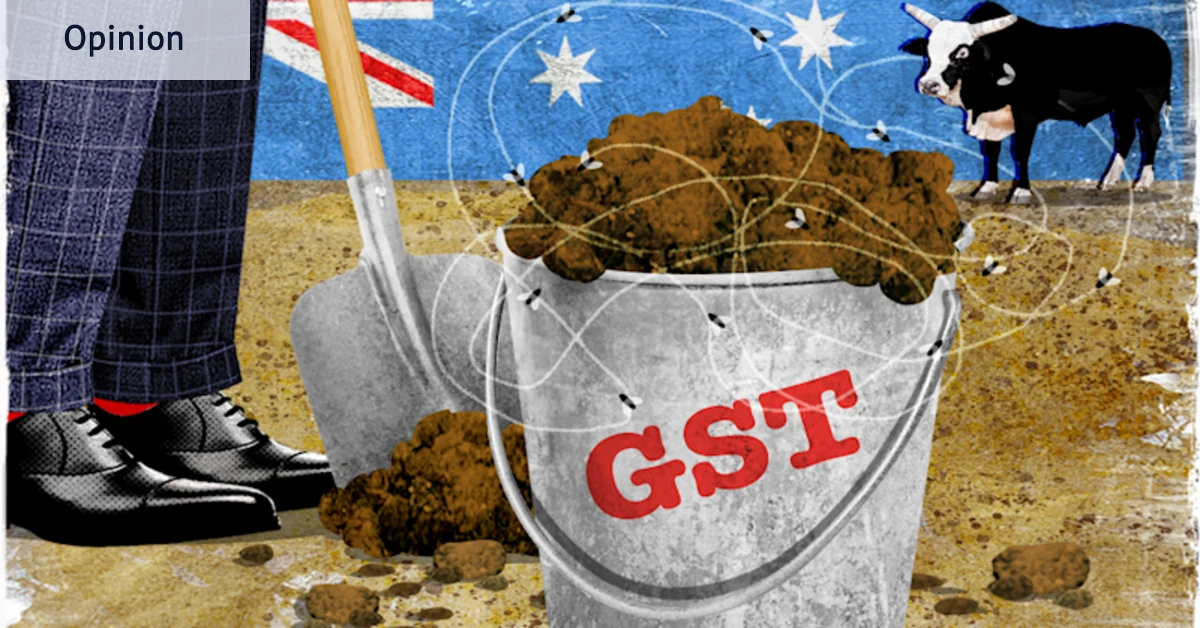
OpinionShane WrightSenior economics correspondentAugust 27, 2026 — 5:00amAugust 27, 2026 — 5:00amOne of my best friends once declared to our office that he “knew cattle country”.This chap wouldn’t know one end of a Murray grey from the other, but he continues to have a good nose for bulldust. Particularly political bulldust.The GST guarantee now costs the federal budget about $6 billion a year.Dionne GainOver the past fortnight, the country has been smothered in the stuff as our political masters defend how the $103 billion pool of GST is carved up between the states and territories.The stench has become nauseating since the Productivity Commission released its interim report into the 2018 deal put in place by then treasurer Scott Morrison to placate angry West Australians about how little GST they were receiving.His plan ensured WA got a minimum portion of the GST pool, before switching to the current system under which NSW or Victoria sets the floor below which the share of no other state or territory can fall.Originally budgeted at $2.3 billion, it is barrelling towards $60 billion over 11 years, paid for by all taxpayers. In terms of cost blowout, it dwarfs the NDIS.The commission’s scathing report labelled the deal a mistake which had effectively upended the nation’s century-long arrangement to ensure every state or territory gets enough cash to deliver reasonably similar services to their residents.So costly is the scheme, the federal government could give every taxpayer a $450-a-year cut and have some loose change left over.Outside the sheer cost blowout, the commission identified a litany of problems with the arrangement.The most easily understood is what would occur in the event of a natural disaster in NSW (which would also apply to Victoria).Before the Morrison-era deal, every other state and territory would have their allocation trimmed to ensure NSW received a little extra GST to cover the repair bill left by a devastating bushfire.But the current deal means if there is a disaster in NSW, the extra support it receives would be reduced so that WA could get its own boost in GST revenue.In what universe does that outcome make sense? It fails any sort of test you might want to measure it against – the pub, sniff, scratch or any other. It reeks.The reason the deal’s cost has exploded is that to make sure there weren’t mass protests in Melbourne, Sydney or Brisbane, a “no worse off” guarantee was attached to the agreement.Under this, the federal government tops up the GST pool to make sure no state or territory can have its allocation sliced.Anthony Albanese has the back of Roger Cook … with a GST deal that is costing all of us billions of dollars.Alex EllinghausenThat guarantee now costs the federal budget about $6 billion a year. If iron ore prices fall, it could cost $12 billion a year – more than what is spent on the army.According to the commission, the deal is not working as intended, is hurting the federal budget and has done nothing to encourage states and territories to improve their economies.But that’s not enough to get Anthony Albanese or Angus Taylor or anyone else to suggest this policy snafu should be rectified.In Perth this week, Albanese declared there would be no change to the system while he was prime minister.While making that announcement, he chastised the Productivity Commission for its “economic rationalist” view of the world.It was a churlish rhetorical drive-by that prompted the obvious question; does the prime minister believe in economic irrationalism?With gross debt reaching $1 trillion, the prime minister should show some intellectual curiosity in dealing with a problem that is literally draining billions of dollars out of the budget. But, no.Instead, all he did was lock in taxpayers to keep paying more tax to cover the cost of a failed deal.Taylor showed the same level of political and intellectual gumption as Albanese, saying the Coalition’s position of support – no matter the facts at hand – had been clear for “many, many years”.The bulldust around the GST deal is apparently bipartisan.Nationals’ leader Matt Canavan made a fact-free argument that the deal “incentivises states to develop their own resources, which does promote productivity”.The only problem? The commission went looking for those incentives and extra productivity and could not find them. They don’t exist.Mining productivity, led by WA, has actually nose-dived during the period in which the GST deal has been in place.As a premier once said to me, it is ludicrous to think a state would not develop an industry with the associated jobs and revenue in the hope of extracting some extra GST.WA Premier Roger Cook, who labelled the authors of the report as “east-coast clowns” in a Donald Trump-esque display of wit, said the current deal is vital to keeping his state the nation’s economic powerhouse.More bulldust.Over the past 10 years, the WA economy – as measured by the Australian Bureau of Statistics – has grown by 19 per cent. That’s not even powerhouse adjacent.Victoria (28.7 per cent), Queensland (26.8 per cent), NSW (23.3 per cent), Tasmania (26 per cent) and South Australia (23.2 per cent) have all grown faster than the WA economy over the past decade.The fastest-growing economy has been the ACT, which, off the back of its service economy (public and private), has expanded by almost 50 per cent. The territory is the only one undertaking major tax reform at present, gradually axing stamp duty on property sales.Cynics may argue this is all due to federal government feather-bedding of Canberra’s public service. Over the past decade, federal government spending in the ACT has increased by a chunky 64 per cent. In WA, it has doubled.The GST allocation system has been in trouble for years. Public support for it collapsed just as WA’s share tumbled during the domestic recession it endured through the second half of the 2010s.Something had to give. But the 2018 deal is simply not the solution. The commission will deliver options for a better, more effective and less expensive arrangement by year’s end.Sadly, it’s likely to be buried in bulldust.Shane Wright is a senior economics correspondent.The Opinion newsletter is a weekly wrap of views that will challenge, champion and inform your own. Sign up here.From our partners
This dodgy $60b deal reeks. Now it’s being buried in pure bulldust
An independent report finds the nation’s GST deal is a $60 billion mistake. Opponents are smothering those findings in a nauseating level of bulldust.
1,036 words~5 min read