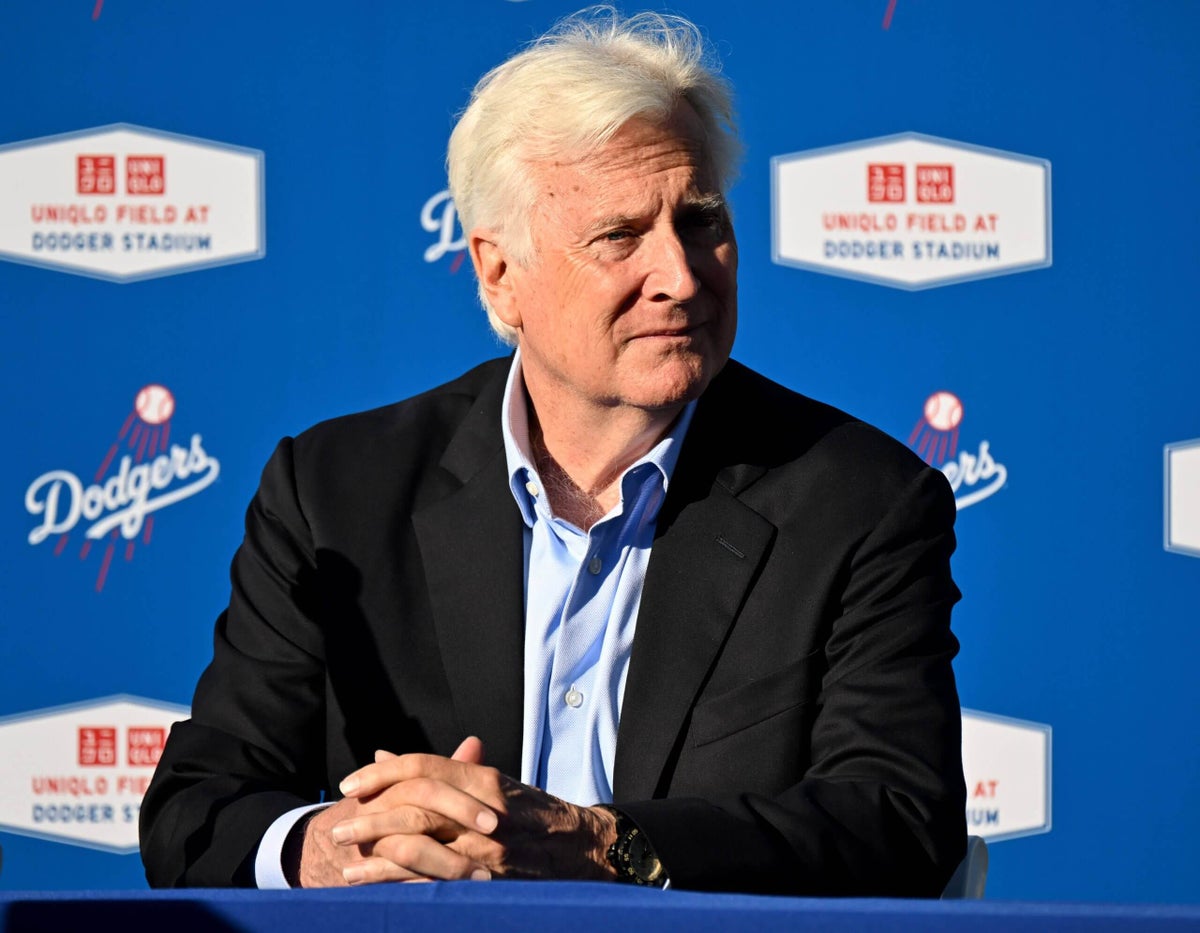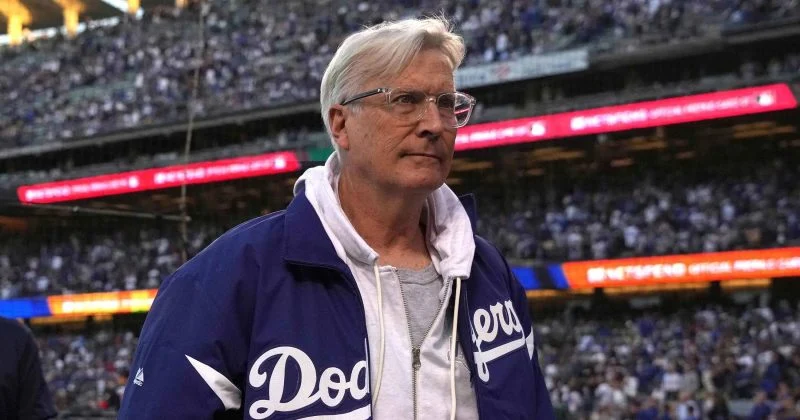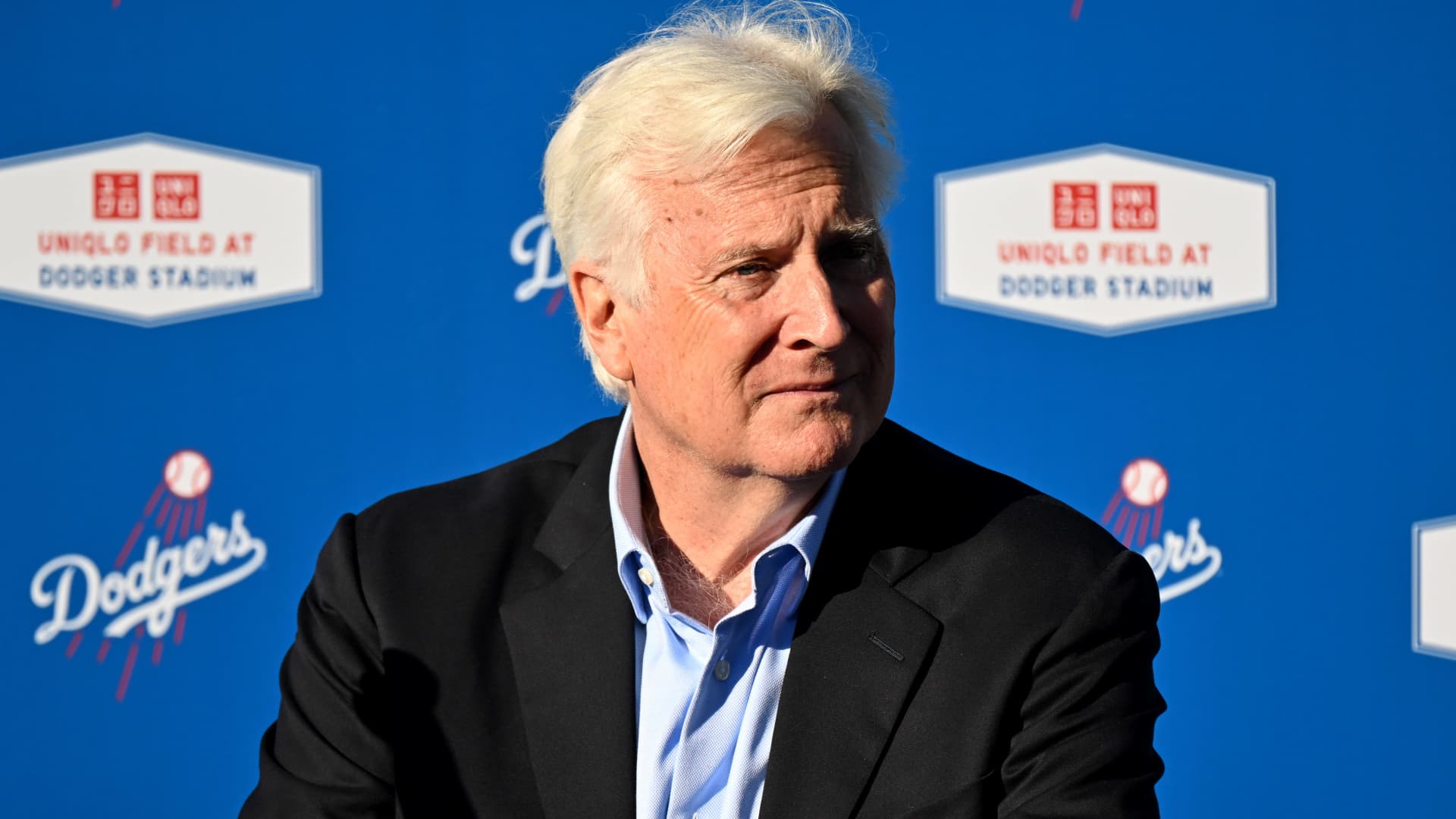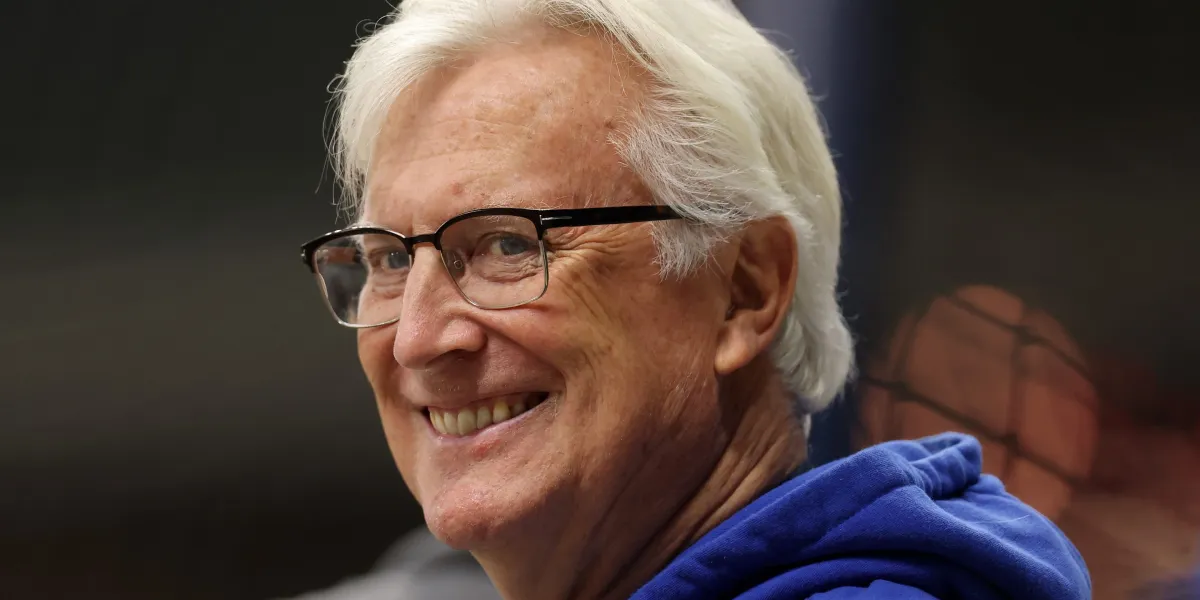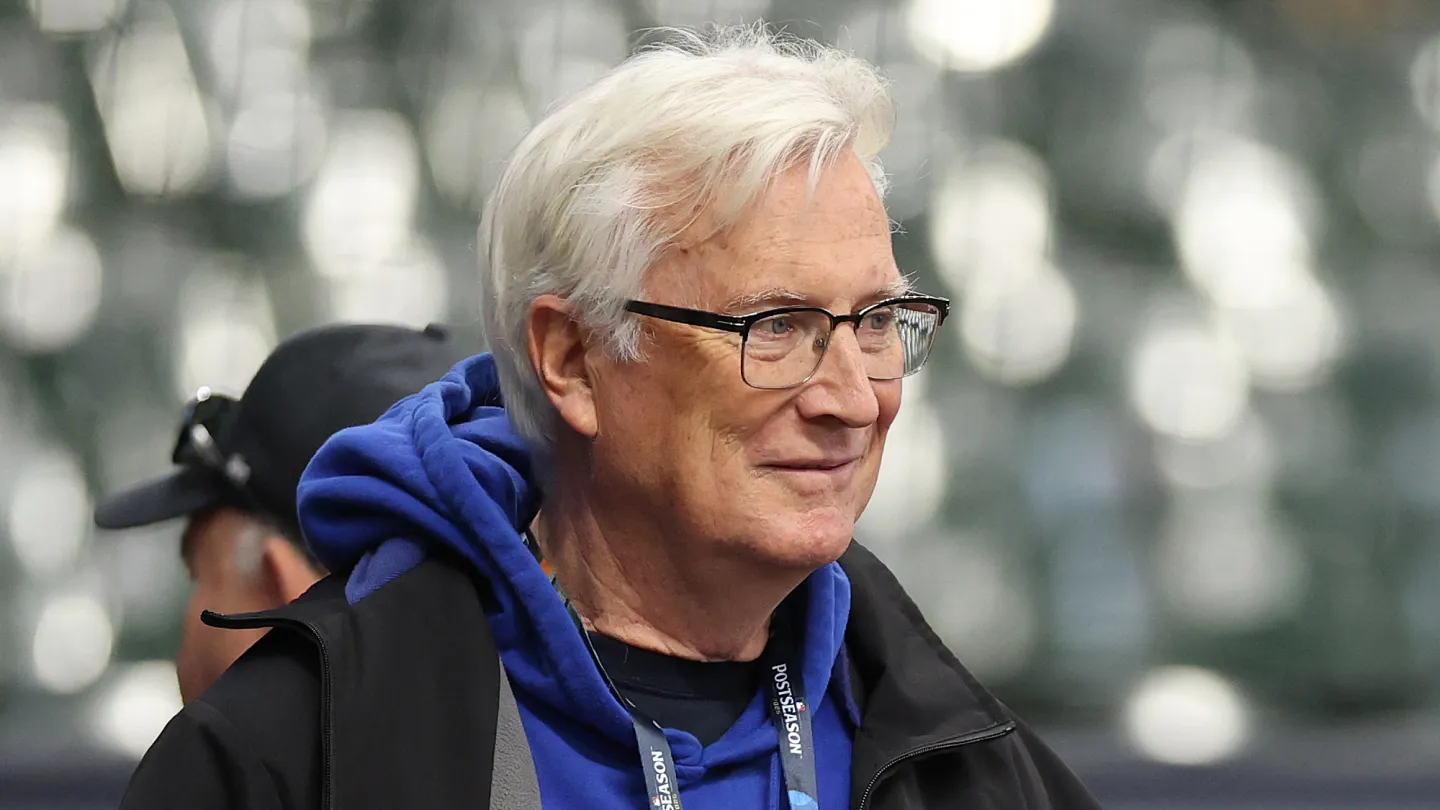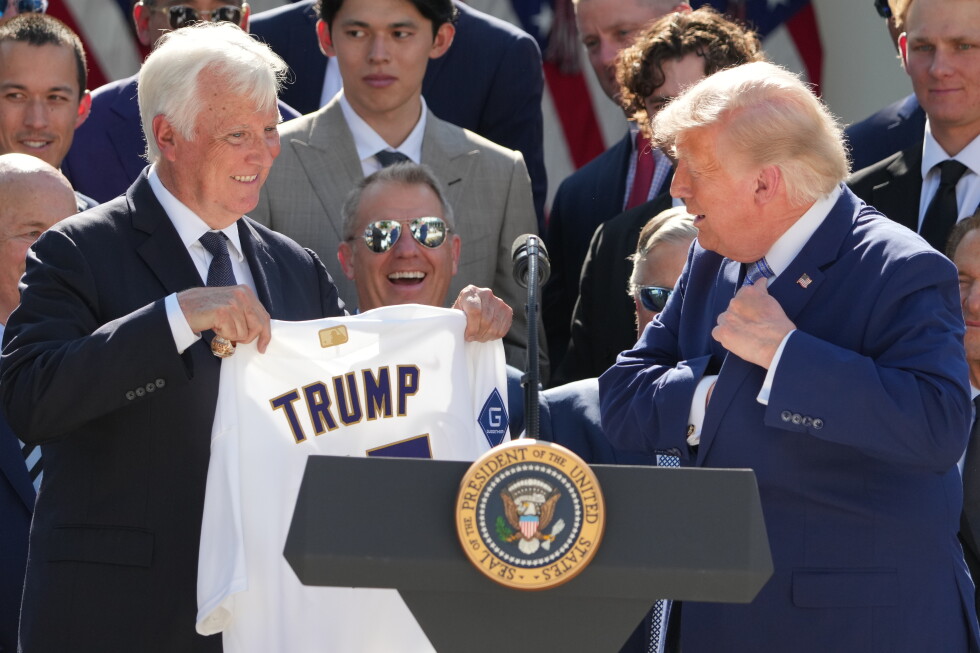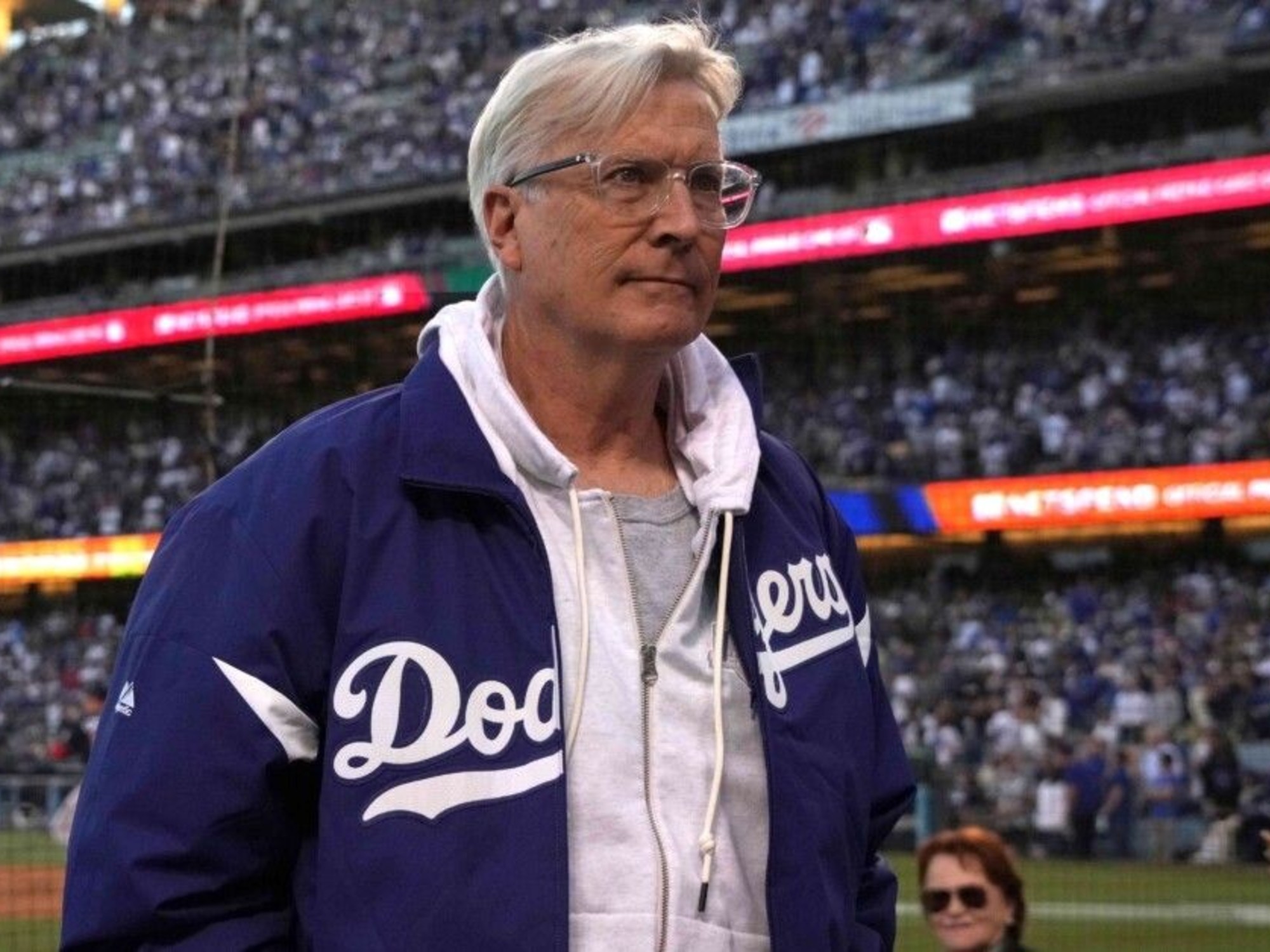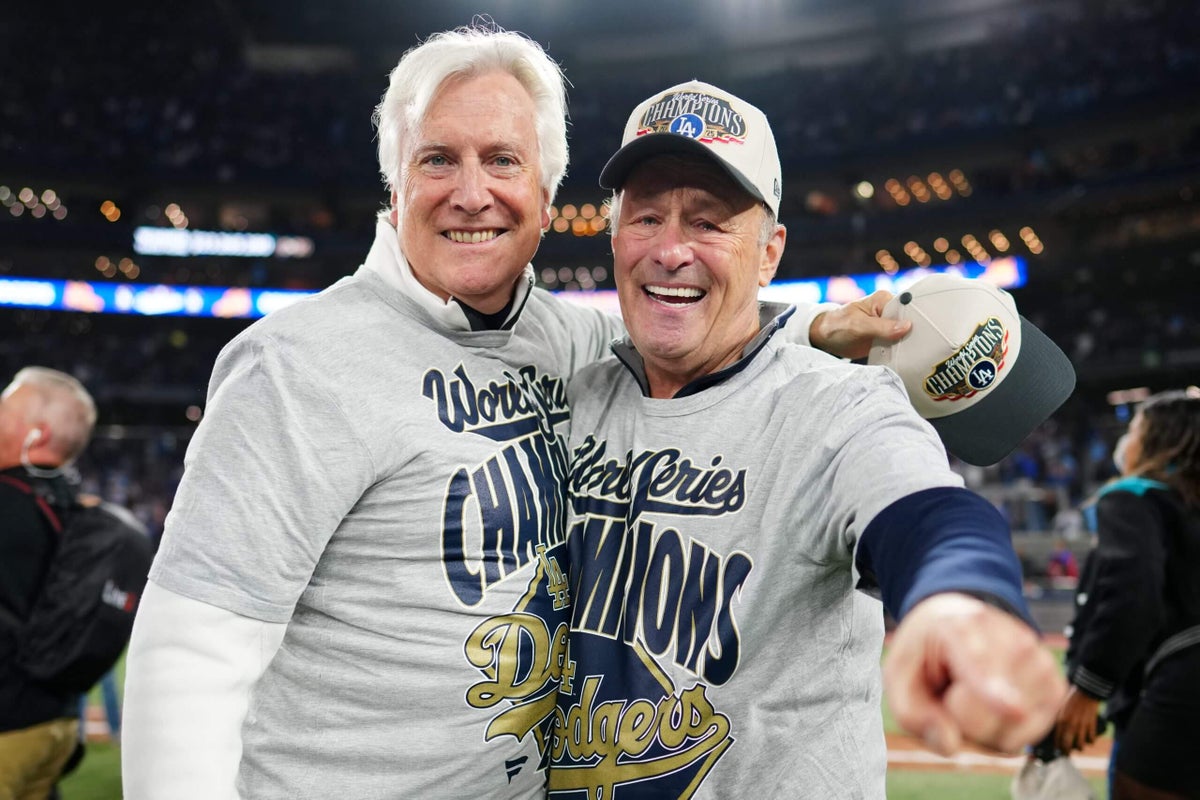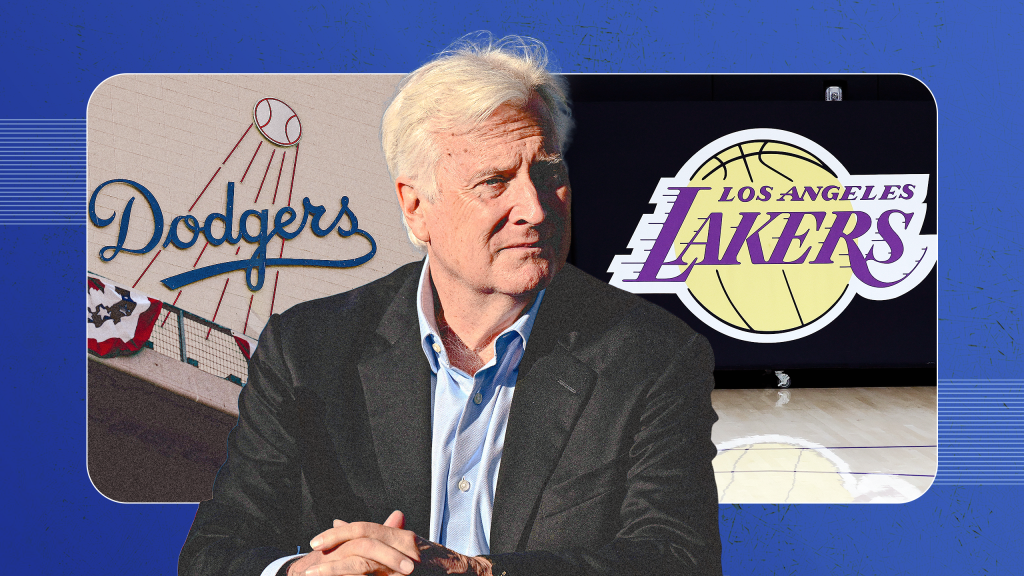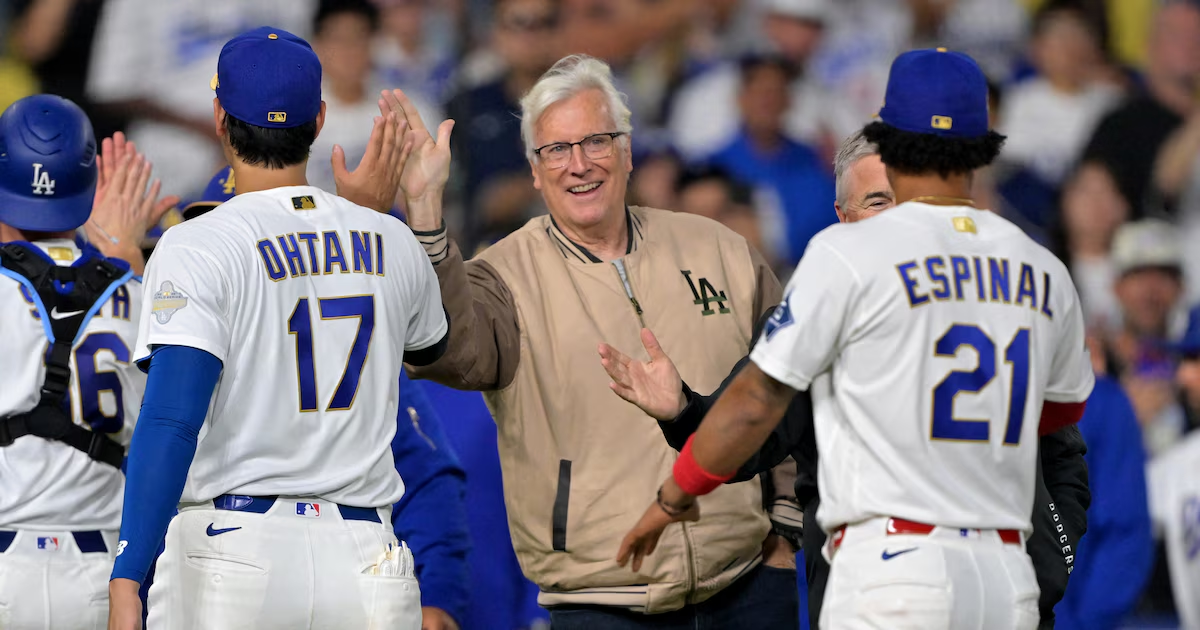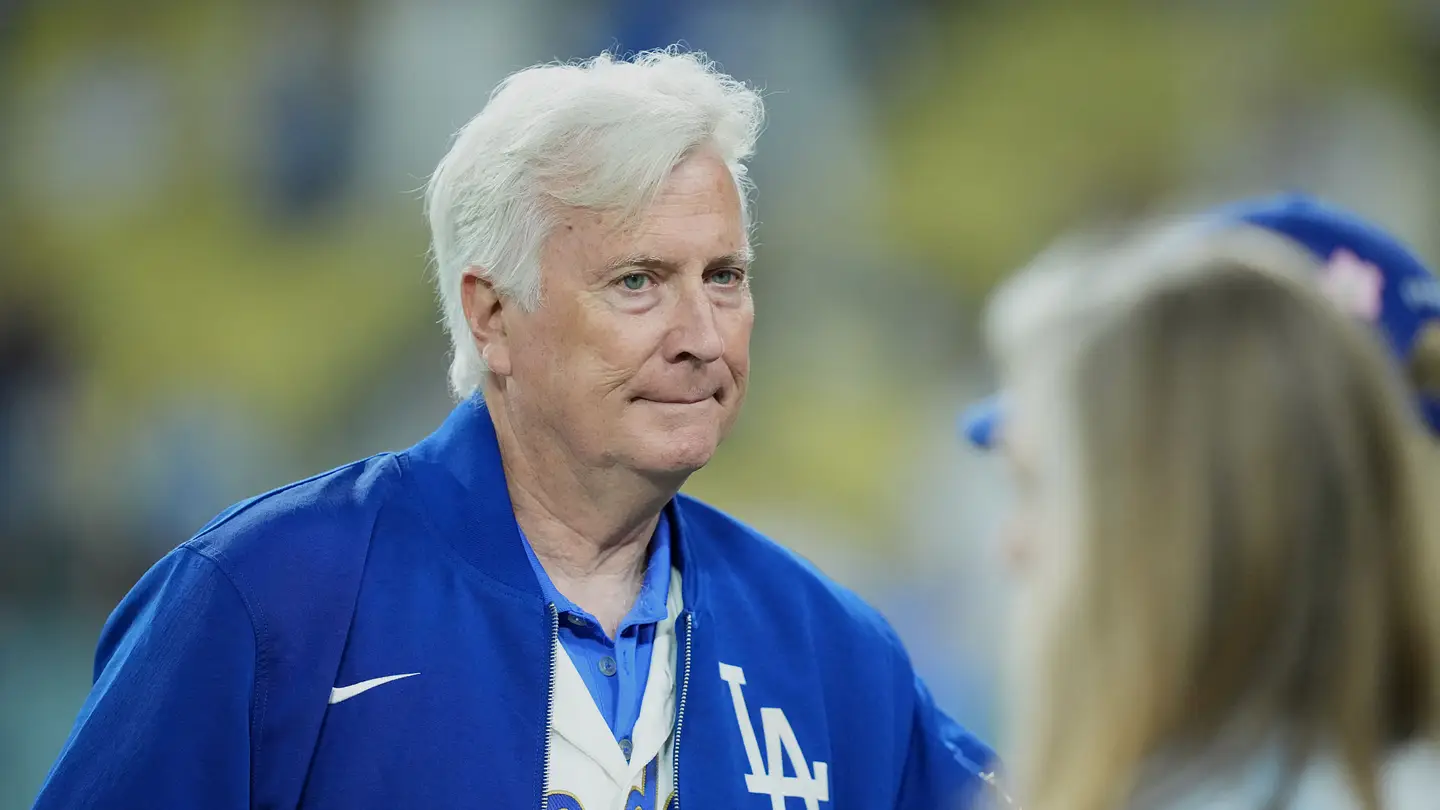
It has often been said that the Dodgers have broken Major League Baseball with their spending and on-field dominance. Now, an off-field scandal may break the Dodgers.As has been reported at length over the past few weeks, Dodgers owner Mark Walter is being investigated by federal prosecutors in Manhattan and the SEC. Walter has not been charged and is cooperating with the investigation. But while the franchise is not accused of wrongdoing, the owner’s legal exposure could wind up impacting it. Walter is the co-founder and CEO of Guggenheim Partners and built TWG Global Holdings into a powerhouse with a massive investment portfolio. Guggenheim Partners has $367 billion of assets under management. The investigation centers on how money moved from Walter-controlled companies Delaware Life Insurance Co. and Clear Spring Life and Annuity Co. At the heart of the scandal is whether billions in loans from those insurers went to companies affiliated with Walter or his TWG Global company without being disclosed as party-related transactions. Insurance companies invest policyholders’ money, including in related companies. Those investments in related companies are legal, but are subject to regulatory scrutiny, which is why they must be disclosed. Initially, insurers reported roughly $1 billion in related-party loans. After subpoenas triggered internal reviews, up to $21 billion more was reclassified as related-party lending, per reports. That’s nearly 40% of the insurers’ investment portfolios, according to ratings agency Fitch. The loans were made to companies with ties to Walter or his TWG Global Holdings company. Per the Los Angeles Times, a large chunk of it was financed with money from Walter-linked insurersThe Dodgers’ connection to Walter’s insurance empire dates back to the purchase of the franchise. When Walter, fronting Guggenheim Baseball Management, bought the Dodgers from Frank McCourt for a record $2.15 billion in 2012, the LA Times reported that about $1.2 billion of the purchase price came from insurance companies under his control. Walter is facing a significant liquidity crunch as his companies reportedly race to unwind billions of dollars in related-party investments and shore up the insurers' balance sheets. On Aug.12, he agreed to sell his controlling stake in the Lakers to Bob Iger and Josh Kushner for $12.5 billion. That came less than a year after the NBA approved his $10 billion purchase of the franchise. Co-owner Todd Boehly and Walter are reportedly considering selling their stake in Chelsea FC to gain even more liquidity. It’s natural to wonder if the Dodgers could be next. Walter is the controlling owner and chairman of the team and owns 27%. Team president Stan Kasten continues to insist the franchise is not for sale. The latest twist in this saga may have a significant impact on MLB as it barrels toward the expiration of its collective bargaining agreement on Dec. 1, and a likely lockout soon after. Walter (left) presents a World Series championship ring to President Donald Trump. | Shawn Thew/Getty ImagesShortly after purchasing the Dodgers in 2012, the ownership group created American Media Productions, which owns SportsNet LA and manages Dodgers broadcasts. In 2013, the franchise landed a massive 25-year, $8.35 billion TV deal with Time Warner Cable that will run through 2038. Charter Communications later bought Time Warner Cable in 2016 and currently has the Dodgers deal on its books. The Dodgers already have a huge advantage when it comes to their media deal, one baked in years before the current deal even existed. As part of MLB’s bankruptcy settlement with McCourt, the league agreed to a predetermined “fair market value” for the team’s TV rights for revenue-sharing purposes, a number that had nothing to do with what the rights would eventually be worth. That provision carried over to the new owners. When the Dodgers landed its huge TV deal, MLB calculated their revenue-sharing obligation using the “fair market value” standard that fell well below the actual value of the contract. Over the life of the TV contract, that arrangement is expected to allow the Dodgers to keep roughly $6 billion, while contributing close to $2 billion to MLB’s revenue-sharing pool.Charter’s payments go to American Media Productions, a company formed by the Dodgers’ ownership group to own and operate SportsNet LA. AMP also borrowed heavily, and some of its debt was purchased by insurers connected to Walter and other members of the Dodgers’ ownership group. According to financial researcher Nick Nemeth’s exhaustive research, five insurance companies tied to the Dodgers’ ownership orbit hold a total of $1.49 billion in AMP debt. This structure allowed the Dodgers’ ownership group to raise substantial debt through the entity that owns SportsNet LA and receives the team’s TV revenue. That arrangement shows how Walter’s financial empire directly intersected with the Dodgers and their most valuable asset. Insurance companies controlled by Walter provided roughly $1.2 billion toward the purchase of the franchise, and insurers linked to the ownership group later seemingly purchased debt issued by the company behind its TV network.How this impacts MLB, and CBA negotiationsAll of this could become relevant as MLB continues what have already been contentious negotiations for a new collective bargaining agreement. For years, MLB owners have used the Dodgers to make their case that the sport’s economics are broken. The Walter investigation raises a different question: How much of what made the Dodgers a powerhouse resulted from baseball’s inherent financial inequalities, and how much came from the franchise’s complex ownership and financing structure? As the owners push hard for a salary cap to rein in spending, that distinction matters. The Dodgers have become Exhibit A in the league’s argument that it needs greater financial restrictions to improve competitive balance. Walter’s legal troubles haven’t been tied to the Dodgers’ outrageous spending, but the ongoing investigation add another layer to what’s already set to be a contentious battle over how the sport is structured.Whether Walter keeps the Dodgers or unloads them as he has done with the Lakers and is exploring with Chelsea, the result may not be decided before bargaining begins in earnest this winter. MLB’s owners will be arguing for a salary cap centered around a franchise whose owner is, at the same time, under federal investigation for allegedly failing to disclose billions in related-party loans. The league’s best argument for a cap may now be sitting on shaky ground.Add us as a preferred source on GoogleFollow
Mark Walter’s Financial Troubles Could Have Major Implications on MLB’s Future
The federal investigation into the Dodgers owner’s finances could have far-reaching effects on baseball’s financial structure ahead of a likely lockout.
1,054 words~5 min read