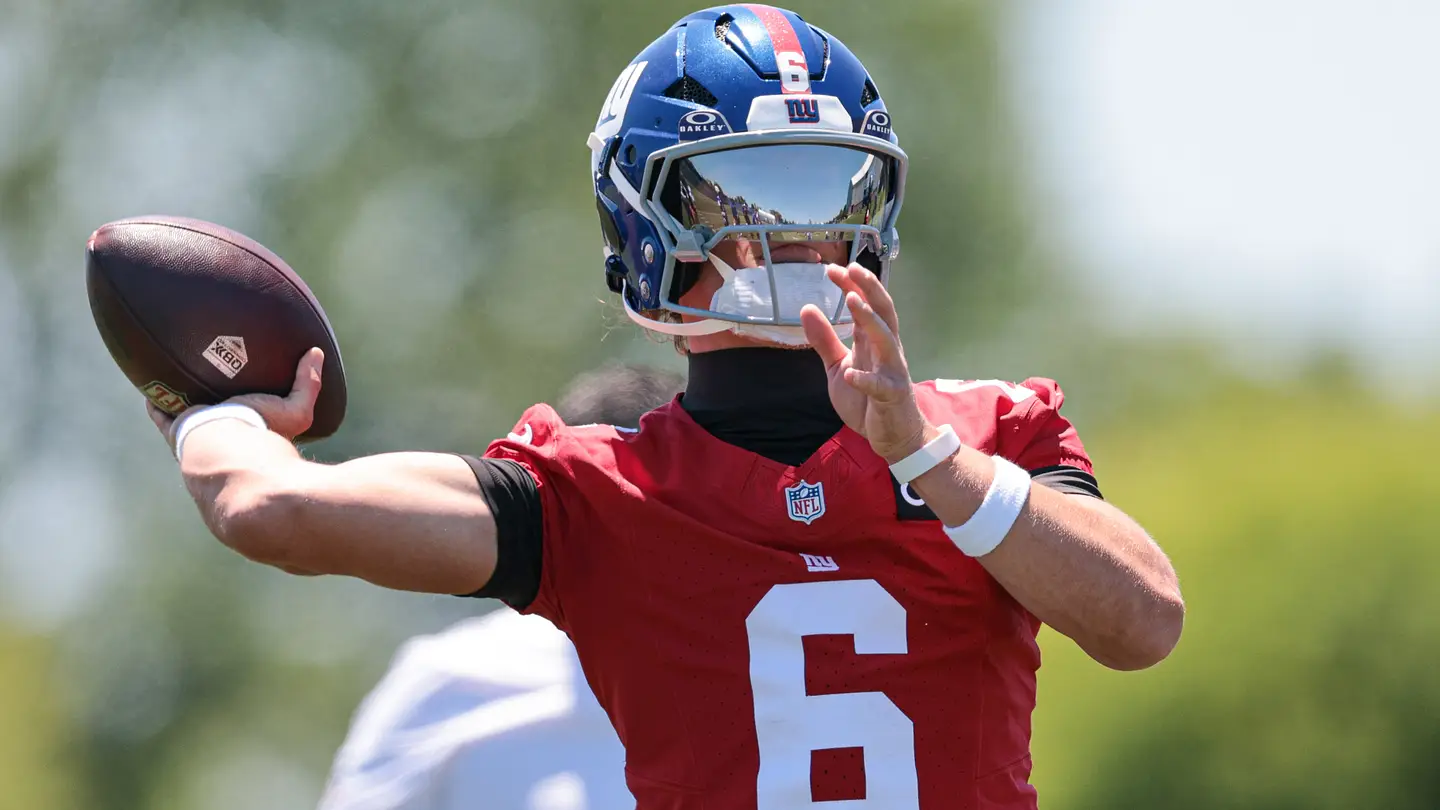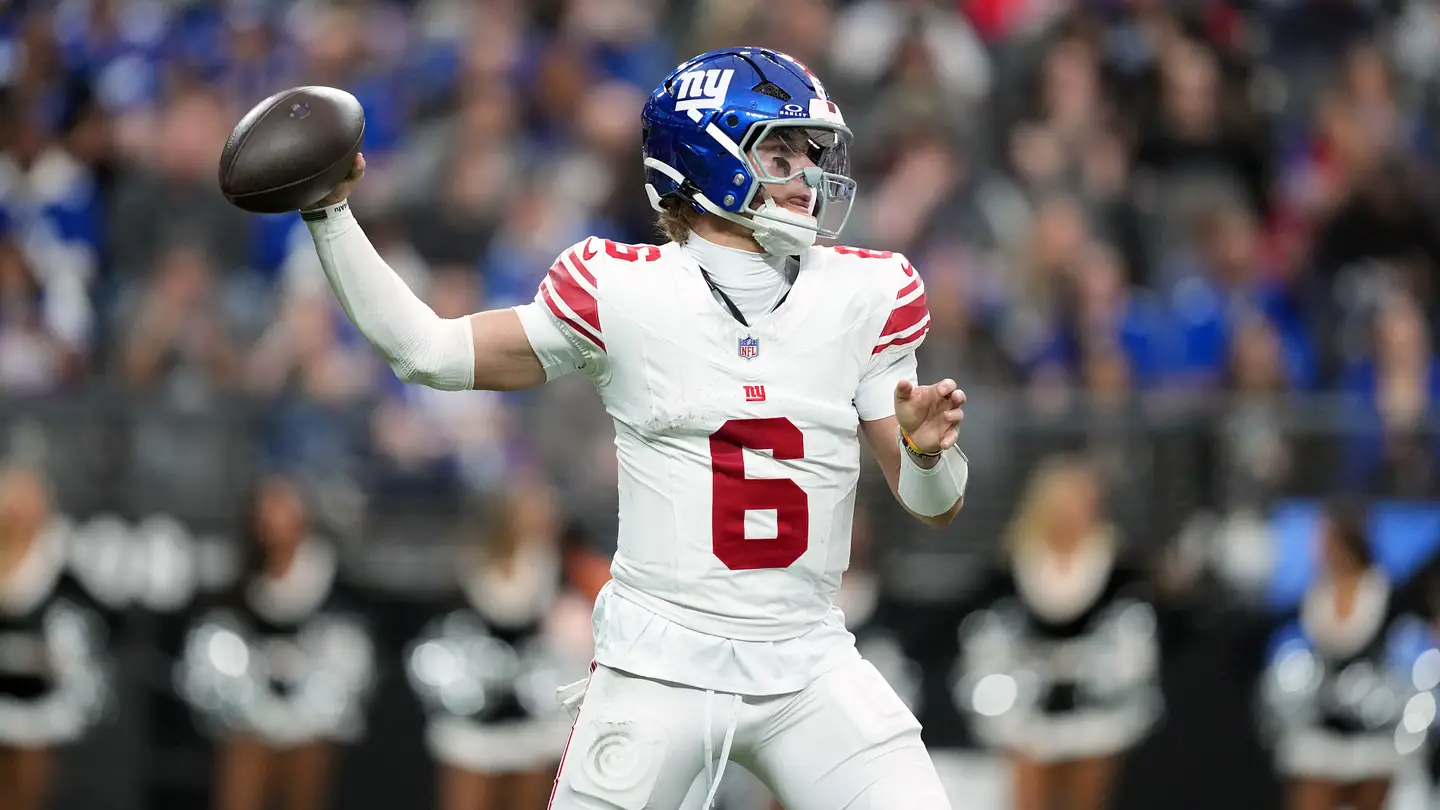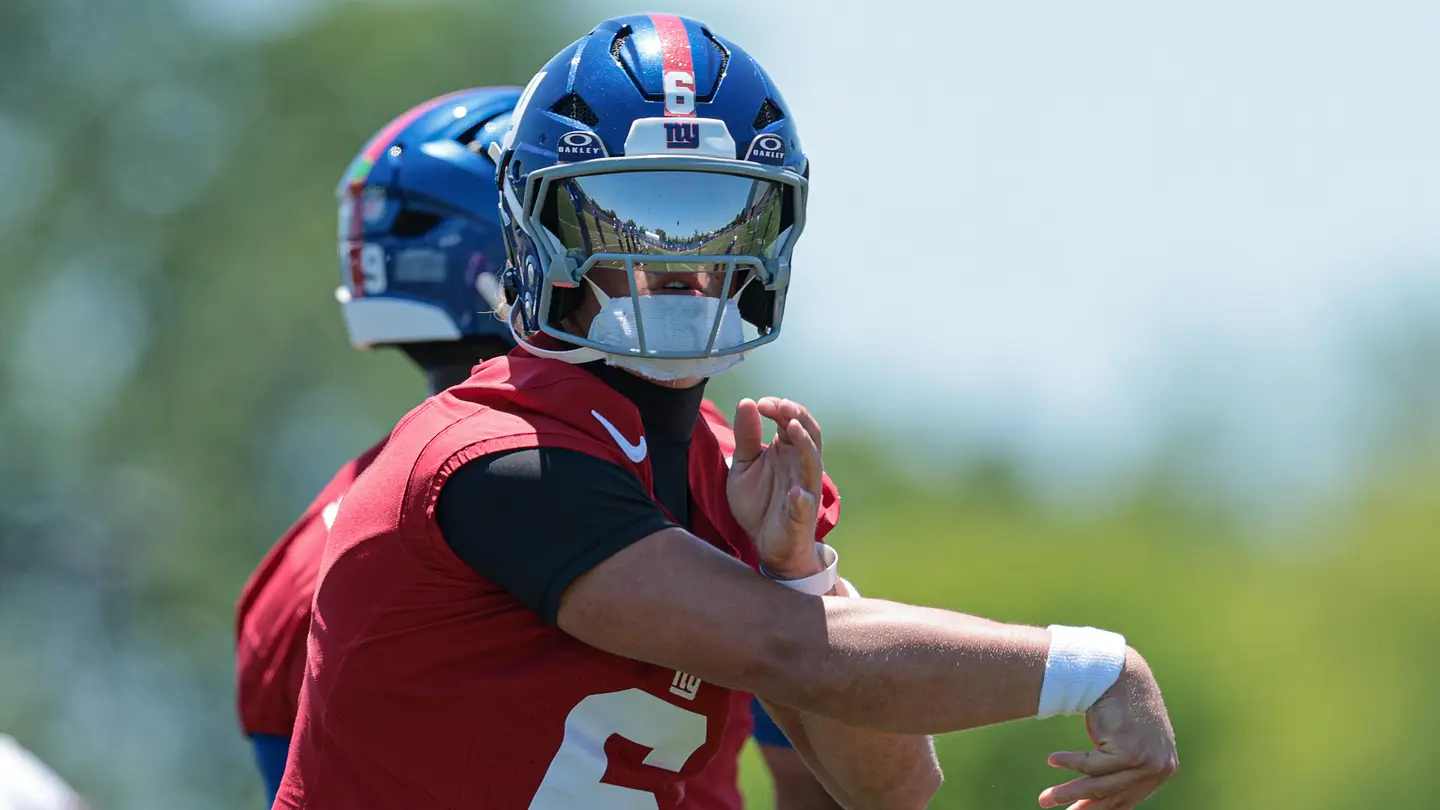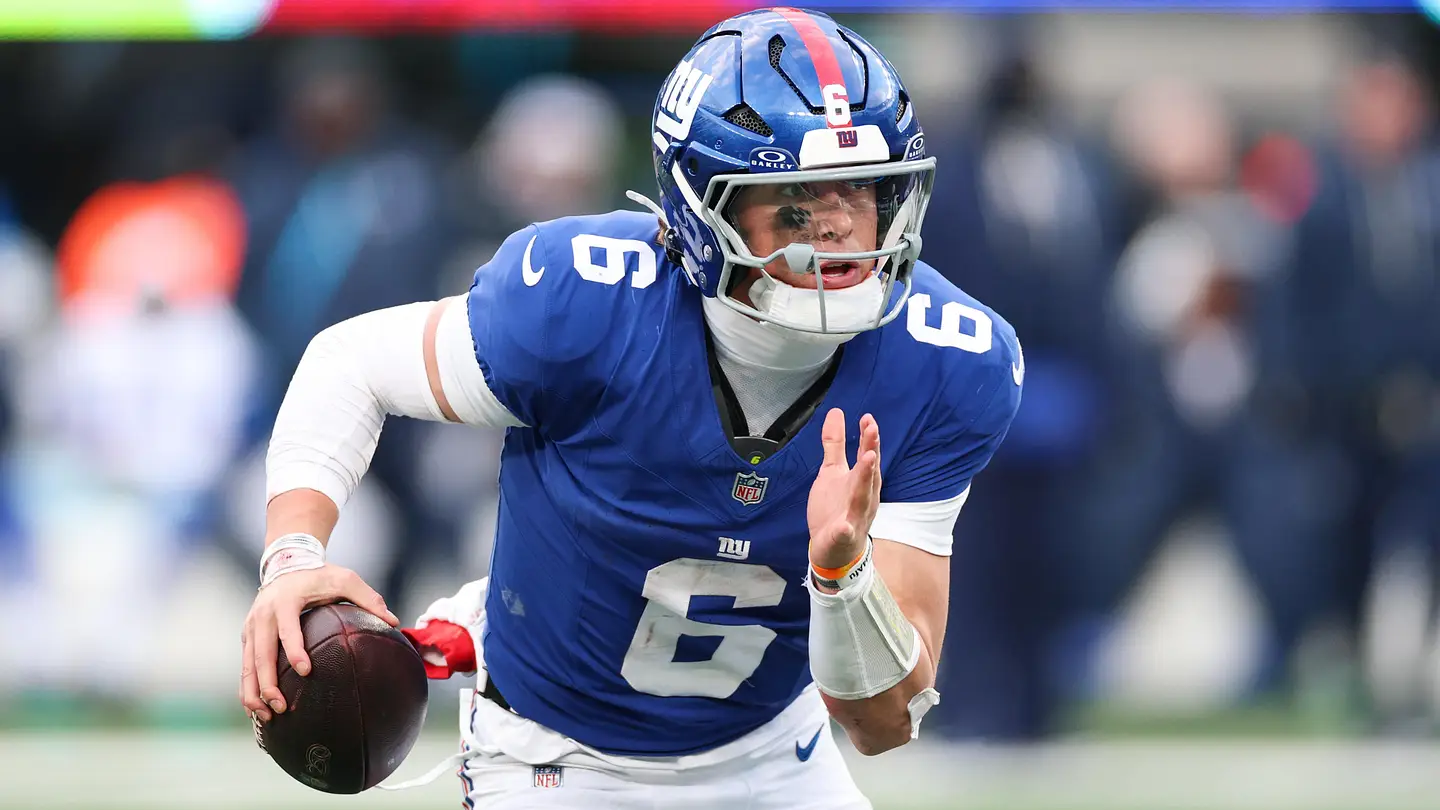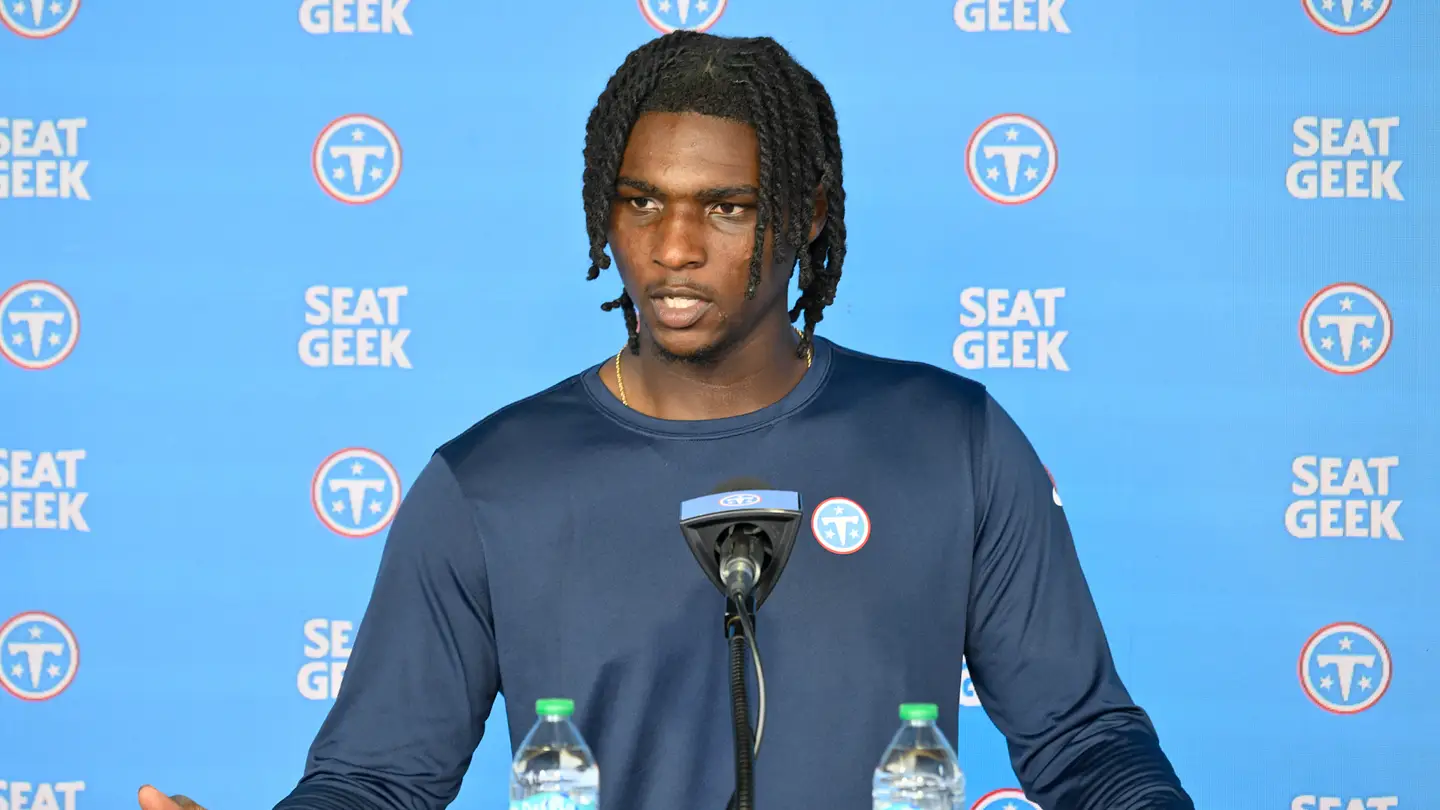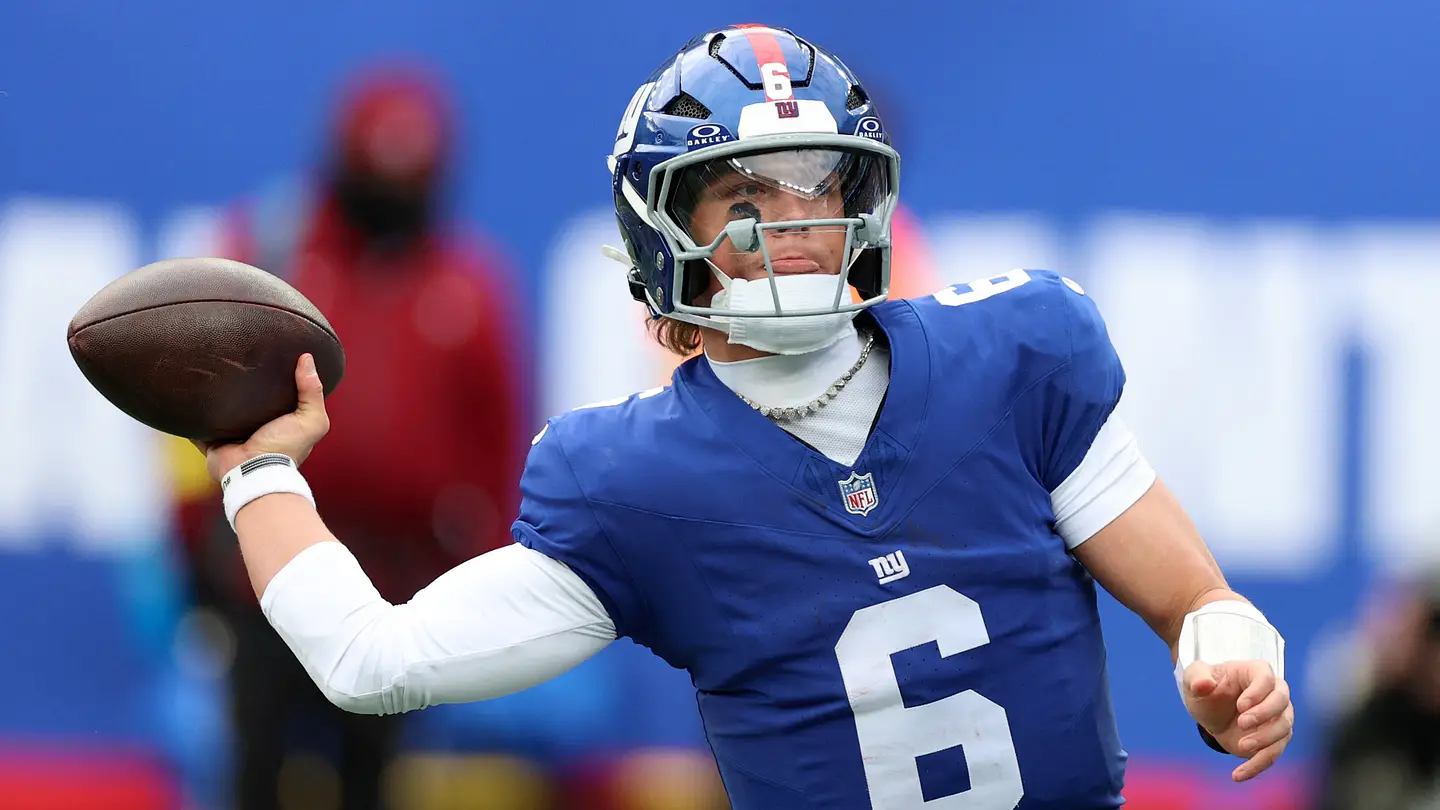
Every summer, fantasy managers line up to draft the "second-year jump". We've all seen the narrative: a rookie flashes brilliance, structural changes hit the depth chart, and suddenly their path to volume looks wide open.The real edge in 2026 fantasy dratfs lies in recognizing the difference between players who already broke out as rookies and true sophomore candidates whose Average Draft Position (ADP) hasn't caught up to their potential. If a player cost a premium draft pick after a 1,000-yard rookie campaign, you're paying retail price. The real value stems from targeting second-year talents entering expanded roles without the elite-tier price tag.The Wide Receiver Room: Scheme, Space and Alpha UpsideLuther Burden III, WR, Chicago BearsBurden III spent his rookie season operating with exceptional per-target efficiency. While his overall volume wasn't high, his yards per route run and target rate when on the field proved his elite skill set translated immediately from the SEC to the pros. In Year 2, Chicago's offensive evolution naturally funneling more targets outside makes Burden III the quintessential sophomore candidate.Chicago Bears wide receiver Luther Burden III (10) is poised to have a fantasy breakout in 2026. Kamil Krzaczynski-Imagn Images | IMAGN IMAGES via Reuters ConnectMatthew Golden, WR, Green Bay PackersAfter functioning as a versatile rotational piece as a rookie, Golden transitions into a defined, boundary X-receiver role for his second season. Green Bay's passing attack has traditionally rotated looks, but Golden's elite ability to win against press coverage gives him a clear runway to earn the team's highest target share. Because his rookie stat line was suppresed by limited snaps, fantasy managers can draft a potential WR1 at a WR3 cost.Matthew Golden has the ability provide a massive return on his current value.Last year, he rarely played over 70% of snaps, and last night got 8 of 10 on the first drive👀The mid-11th round pick for a potential year-2 breakout is a steal📈 pic.twitter.com/u7GxgzfyXo— Upsiders FF (@UpsidersFF) August 22, 2026The Backfield Engines: Volume Meets EfficiencyBhayshul Tuten, RB, Jacksonville JaguarsTuten entered the league as a raw, high-upside athlete, but his second-half efficiency in his rookie season proved he can handle NFL contact. With Jacksonville clearing touch volume out of the backfield, Tuten's path to 15-plus touches per game is glaringly obvious. His ability to create yards after contact gives him high-end RB2 draft value with RB1 top-five upside.Bhayshul Tuten has his eyes set on being a top-5 running back this season 😤 pic.twitter.com/Z1n7TJuGnj— Fantasy Life (@MBFantasyLife) August 19, 2026Quinshon Judkins, RB, Cleveland BrownsContext matters more for running backs than almost any other position. Judkins spent much of his rookie season battling stacked boxes behind a banged-up offensive line. With Cleveland heavily reinvesting in offensive line talent, Judkins enters his second year in a vastly upgraded environment. The pure rushing talent is unquestioned, now the efficiency will follow the upgraded blocking.The Quarterback Value: Dual-Threat High FloorJaxson Dart, QB, New York GiantsDart's rookie campaign was plagued by team-wide instability and minor injuries, leading many fantasy managers to write off his dynamic debut. Dart's rushing floor and aggressive downfield throwing profile makes him a premier QB2 target in superflex and deep leagues. Year 2 brings offensive continuity, and if his pocket protection improves even marginally, his fantasy production will far outpace his current draft price.Jaxson Dart averaged 20.13 fantasy points per game in his 12 starts in 2025Over the full season, that figure would have made him the QB4 👀 pic.twitter.com/SJPcZIK3jq— NFL Fantasy Football (@NFLFantasy) August 19, 2026The Tight End Horizon: Finding Weekly StartersThe second-year tight end breakout is a classic fantasy football staple. Tight ends rarely dominate right away, making Year 2 the prime entry point for elite profiles.Colston Loveland, TE, Chicago BearsWith defensive coverage shifting to keep Chicago's receivers downfield, Loveland sits in the ultimate soft spot over the middle. His route-running ability elevates him beyond a safety valve into a core piece of the passing attack.— SleeperNFL (@SleeperNFL) August 26, 2026Harold Fannin Jr., TE, Cleveland BrownsFannin flashed legitimate run-after-catch dominance in short burst as a rookie. As Cleveland expands his snap share, his ability to force missed tackles makes him a candidate to jump straight into the weekly TE1 tier.FACT or FICTION: Harold Fannin finishes as a top-5 fantasy TE in 2026#DawgPound pic.twitter.com/w8e6VaOqOB— SleeperBrowns (@SleeperBrowns) July 18, 2026Tyler Warren, TE, Indianapolis ColtsWarren built a remarkably consistent floor during his first year. Year 2 brings a refined route tree and more red-zone scheming tailored specifically to his size and hands, laying the foundation for touchdown-driven TE1 production.Final Verdict for Draft DayDon't overpay for last year's rookie highlights. The real championship-winning moves come from drafting players whose environment and volume are shifting now, while the rest of your league is still drafting based on last season's box scores.Add us as a preferred source on GoogleFollow
Jaxson Dart and the Best Second-Year Fantasy Football Breakout Candidates for 2026
With Jaxson Dart and several other talented sophomores entering 2026 with expanded roles, fantasy managers should be watching closely.
796 words~4 min read