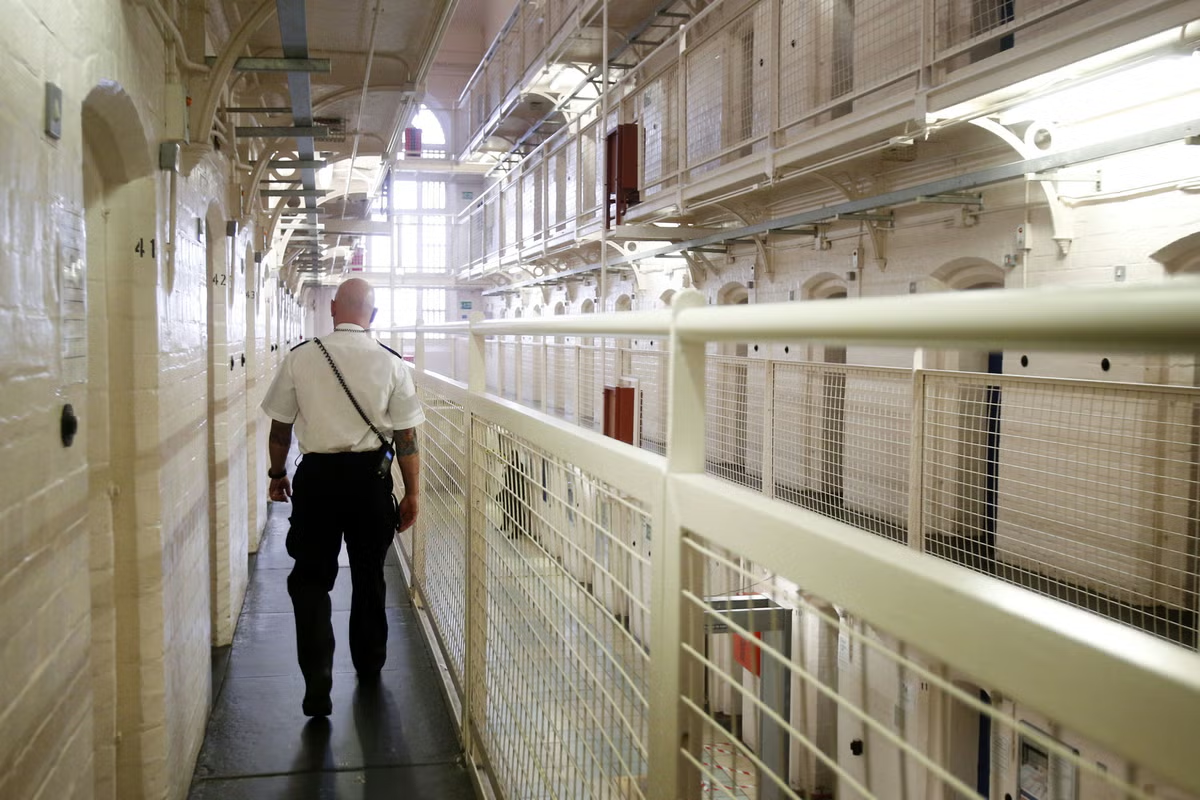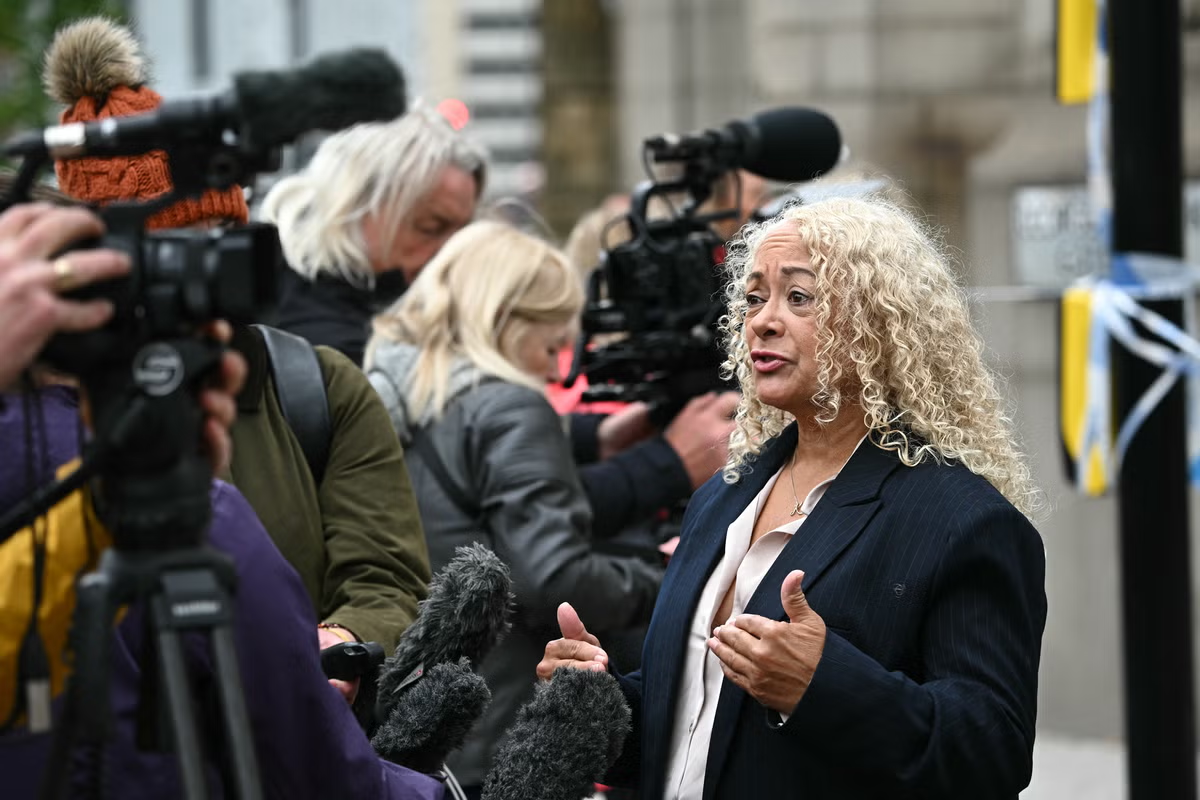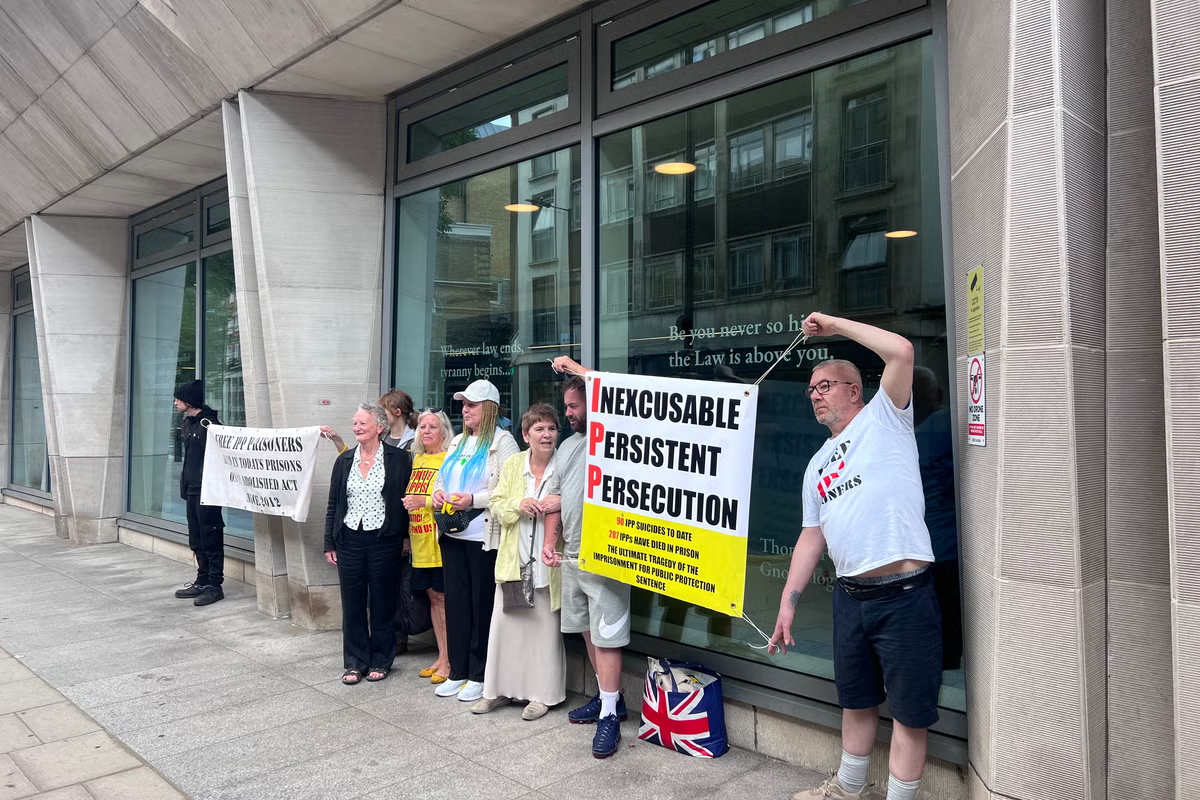
If every cell counts in the present prison crisis – as intense as ever, even if it has slipped from the headlines lately – then it is even more intolerable that the authorities continue to drag their feet on reviewing the cases of some 2,300 prisoners still incarcerated under an unjust and discredited law, long since abolished.These are people, many adolescents at the time, sentenced under the IPP (indefinite public protection) regime, whose cause is at last being recognised, if only because of the pressure on places for criminals much more obviously in need of such punishment.Some have been in jail on and off for decades, unable to prove to a parole board an unprovable proposition – that they no longer pose a threat to public safety, assuming that they ever did.In some cases, the initial crimes were relatively minor, though not trivial; theft and robbery of laptops or smartphones (a novelty at the time) are typical.Fortunately, Tom Wheatley, the president of the Prison Governors’ Association, has added his voice to the many calls on the prime minister to find a “lasting resolution” to the overlapping IPP and overcrowding scandals.Mr Wheatley argues, on his own expense and that of fellow governors, that the IPP inmates “have in essence grown up in prison, and I think if we were all to reflect on various behaviours when we were not fully mature, we didn’t always behave properly. I am not minimising what they did then. But you are not the same person at age 40 as you were at age 20.”One recent case involved someone jailed in 2007 for controlling prostitution for gain and two counts of assaults occasioning actual bodily harm. Obviously, that demands retribution – but to have been in prison since Tony Blair was prime minister is not natural justice. For his profession, the plight of these “throw away the key” prisoners is creating “issues of conscience” for governors (and presumably prison officers), who have to deal with the effects of long-term despair. At least a lifer knows where they are; an IPP prisoner cannot even have that grim knowledge.Unlike most, neither can they “count the days”, such is the uncertainty surrounding their status. The terrible irony is that while they might have been fit for release say a decade ago, they may be unfit to leave now because of what the system has inflicted on them.The IPP system was brought in by New Labour during one of the public’s periodic moral panics about supposedly spiralling crime. By 2012, not even the Conservatives could justify retaining it, and so it was abolished.However, as is the usual constitutional custom, the law was not retroactive, and many thousands were left marooned in a legal limbo. Until recently, relatively few found a way to secure justice, ie a review of their indefinite sentence. For 96, the way out of this mental torture was suicide. So a rational, practical and, above all, just way of making sure people properly convicted of violent crimes, such as those serving time for the horrific manslaughter of PC Andrew Harper, remain behind bars is for a speedy review and release of at least some of the IPP cohort.In a system reaching breaking point once again, one or two thousand places could make all the difference. The extra space should be sufficient to keep people inside who’ve been involved in manslaughter – and also for domestic abuse, which is emerging as another category the public is rightly concerned about. The entire early release scheme isn’t so much larger than the IPP population: 5,000 is the apparent target to be let out on licence. All concerned should be encouraged by Mr Wheatley’s timely intervention, and the way that the prime minister himself is trying to act on public disquiet, even anger, about the flawed early release scheme. The crisis has arisen in part simply because the wrong people are in prison serving effective sentences even longer than those meted out, or supposedly meted out, to the killers of PC Harper and their like, as was plainly intended by the courts.In a situation where there are few good options, the swift ending of the IPP scandal is the outstanding candidate for immediate implementation, even if that means summary hearings and a degree of risk. That is better than no justice at all.
With jails at breaking point, releasing IPP prisoners could make all the difference
Editorial: Thanks to an intervention by Britain’s foremost prison governor, we must surely be counting the days until the nightmare for a cohort of people unjustly incarcerated is finally over
722 words~3 min read