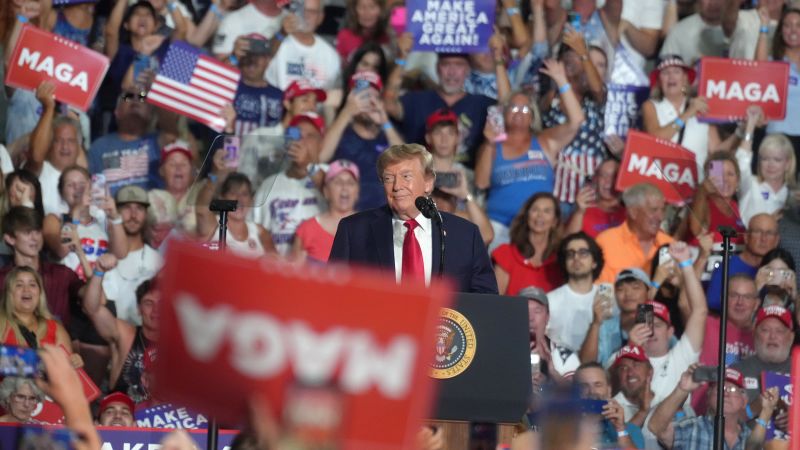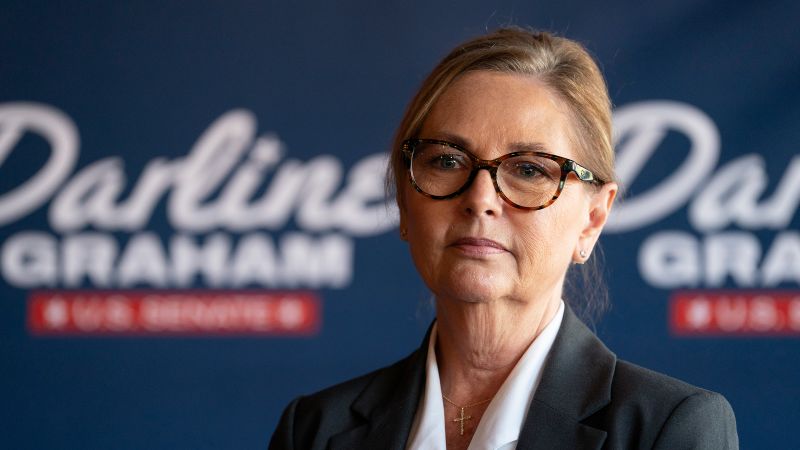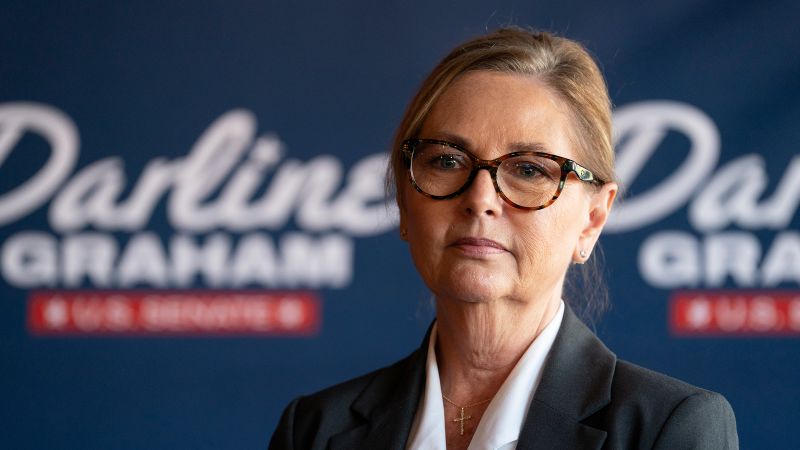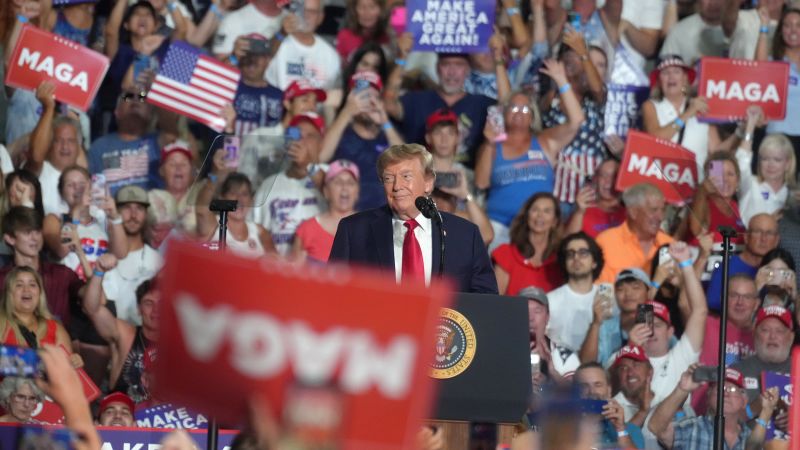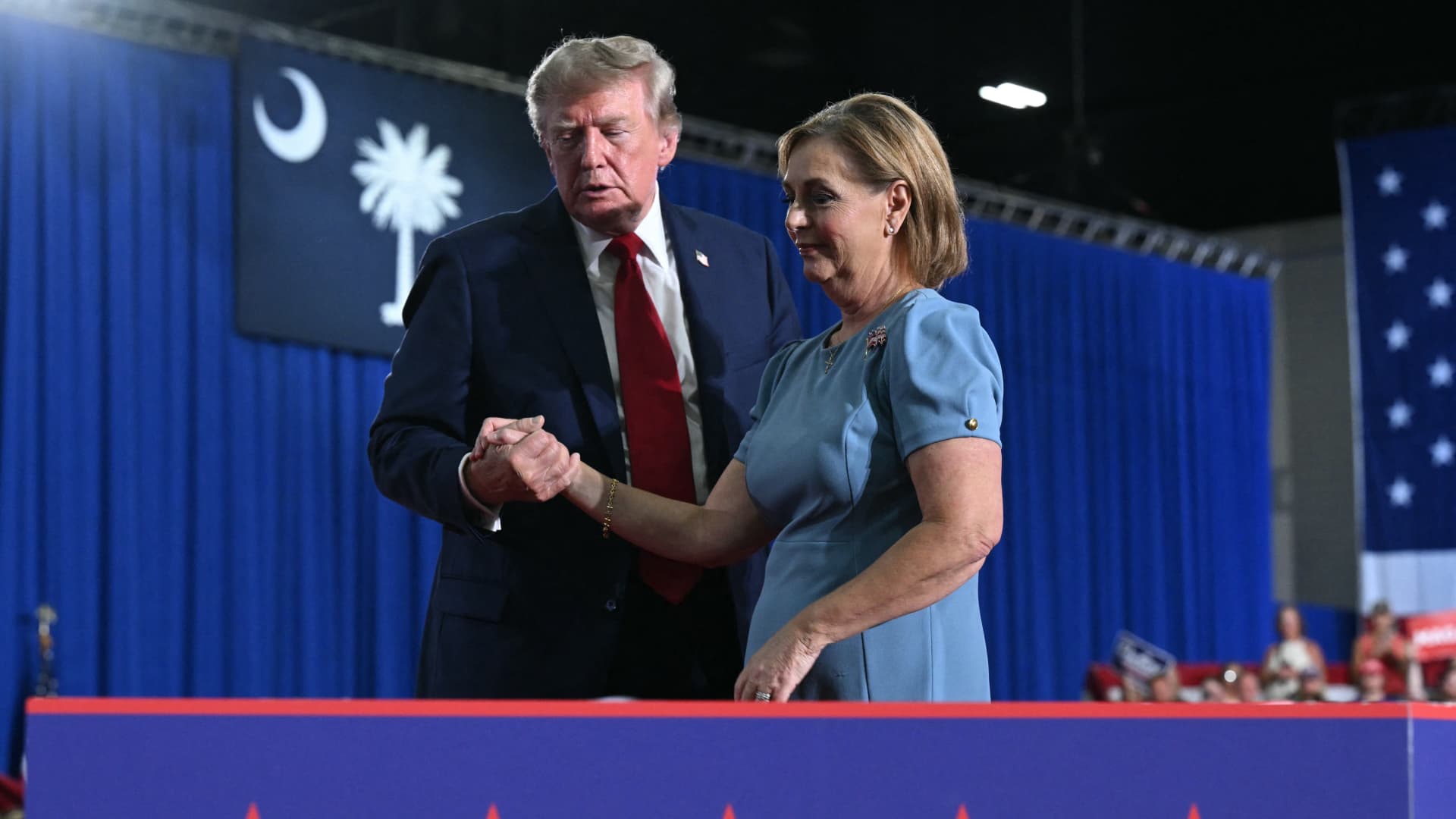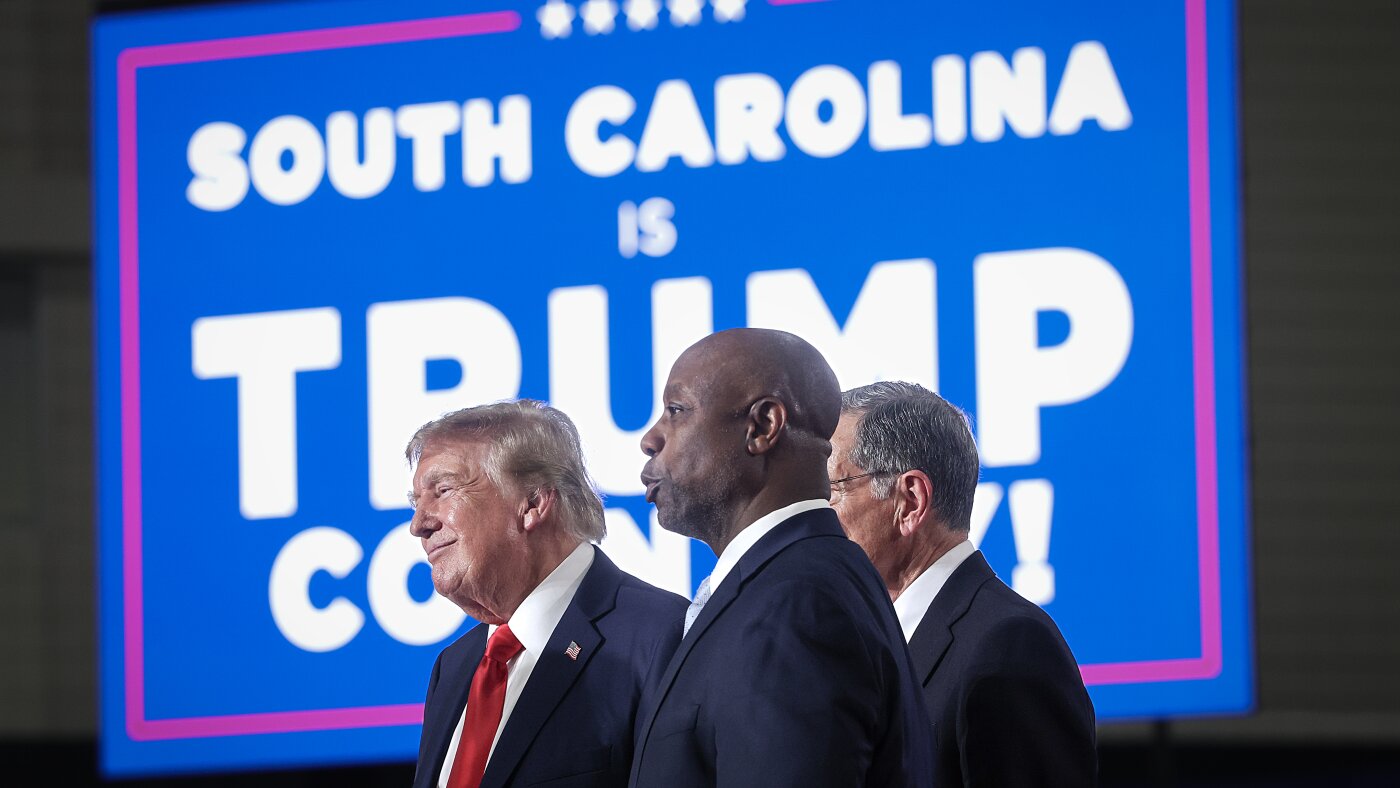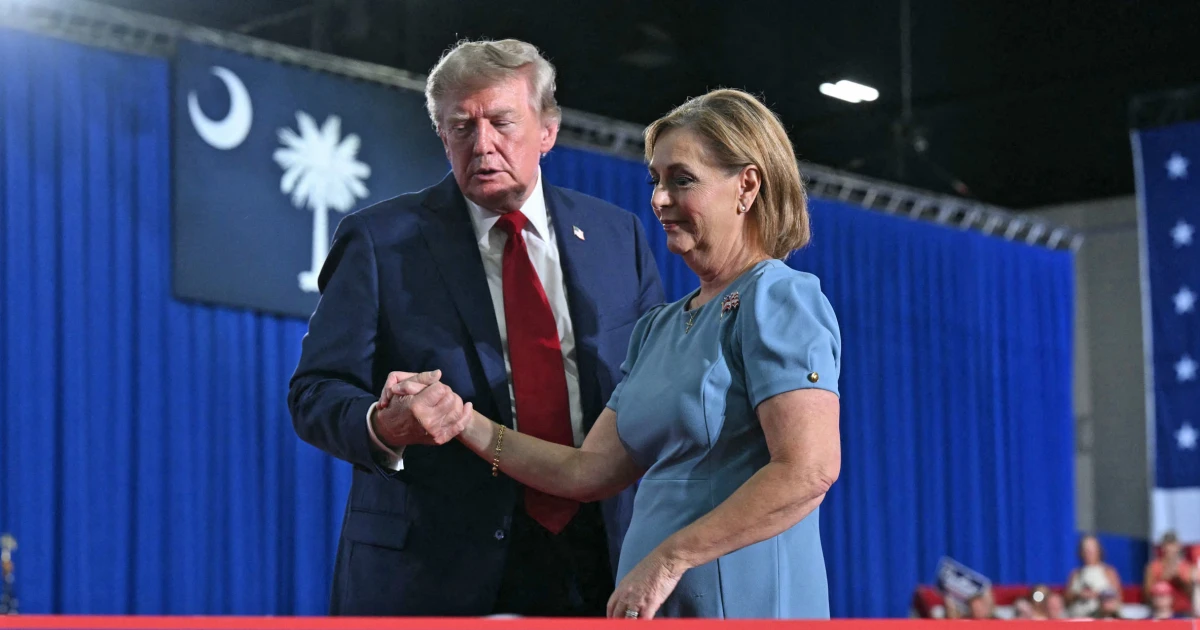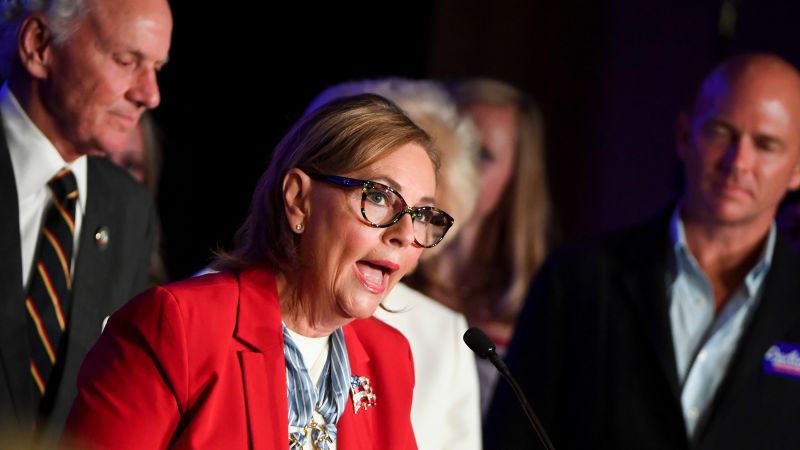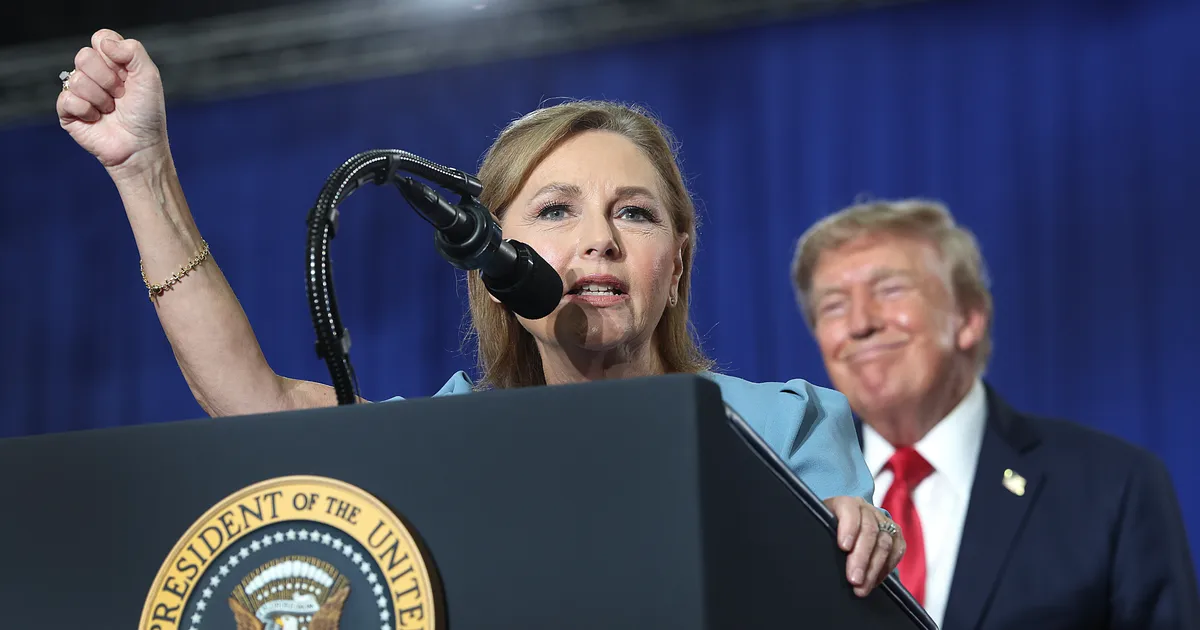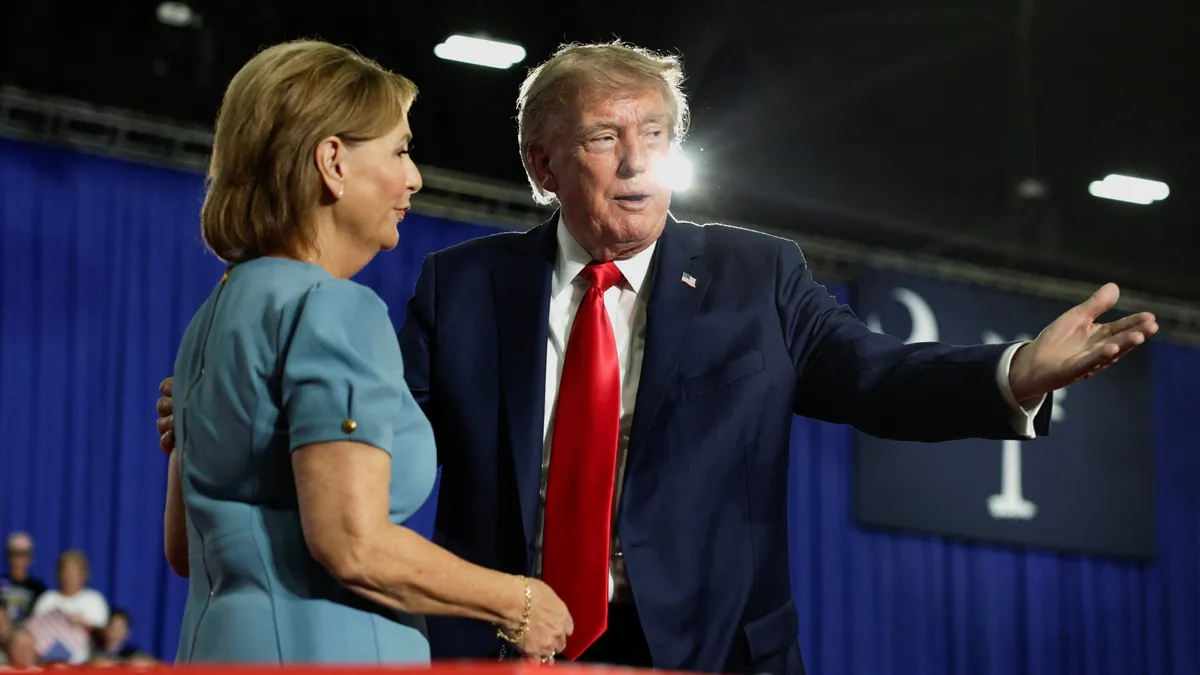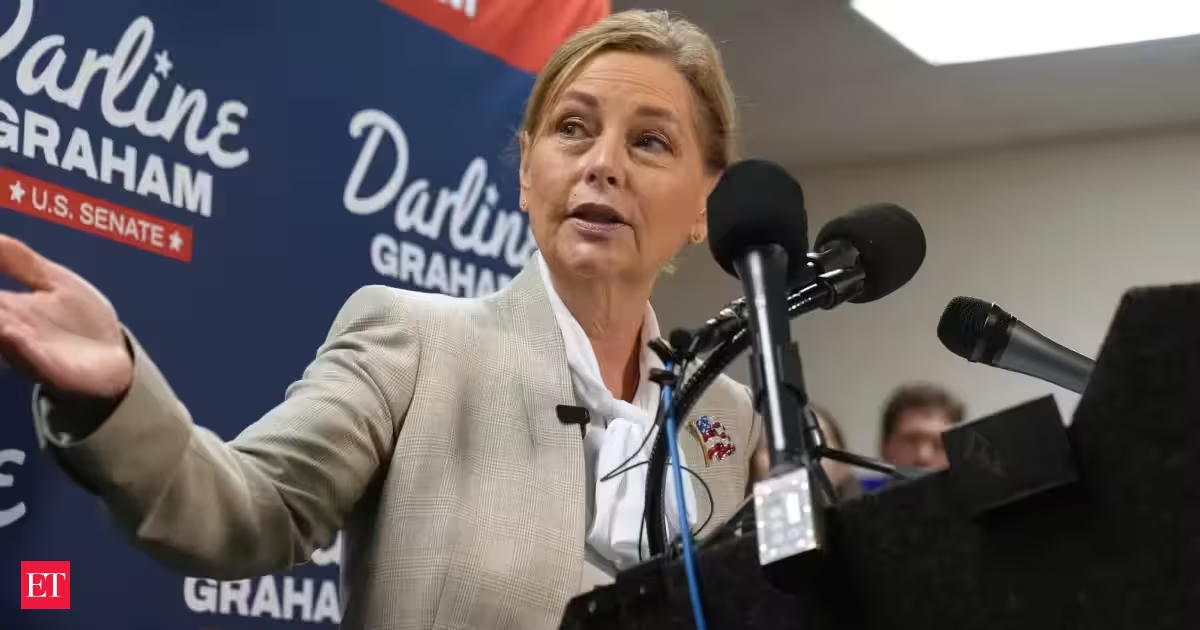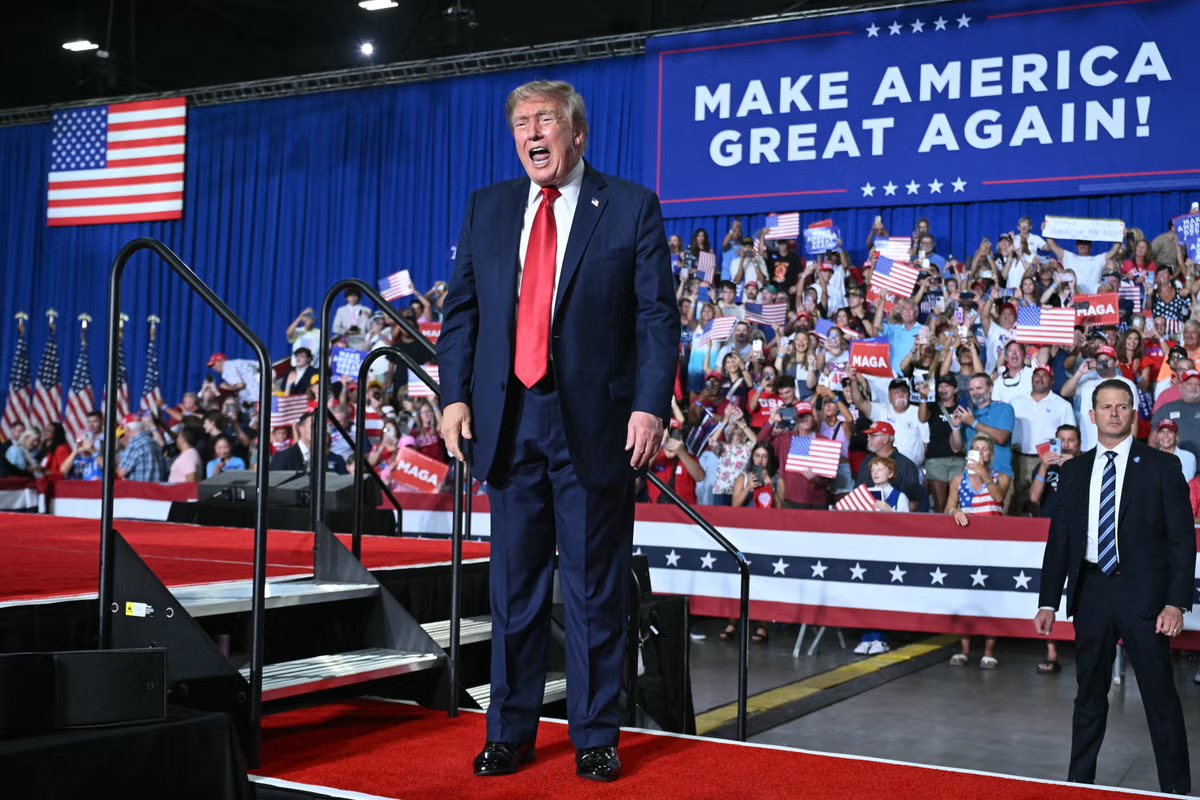
Republican candidates and political operatives in battleground states are hopeful that Donald Trump is getting ready to put his money where his mouth is.Tuesday’s clean victory by Darline Graham Nordone, the sister of the late South Carolina Sen. Lindsey Graham, in her Senate primary against a prominent Republican challenger was the president’s latest effort to put a thumb on the scale in a factional GOP fight. To see Graham Nordone over the finish line, Trump’s affiliated Maga Inc. super PAC dropped more than $800,000 in ad spending and organizing costs. The result sent a message to the GOP establishment and party activist base alike: Trump is still king.And in a new Politico report out Wednesday, Republican strategists around the country and involved in the biggest fights that will determine control of the House and Senate in 2027 are anxiously awaiting the “Darline” treatment as they look to Washington for reinforcements against the resurgent left. Trump, in comments to reporters before boarding Air Force One last week, vowed to make them happy.“Well, I’ve raised a lot, and nobody knows what it is, but I will tell you it’s about $850 million,” Trump said. “I’ll be spending a lot of that money for — and my own money — but I’ll be spending a lot of that money for candidates that I think are good, Republican candidates.”Trump promises the money is coming. But many Republicans worry that Maga Inc.’s investments could come too late for Republicans to mount an efficient defense against Democrats, or worse — they could be selectively doled out to only the most loyal Republicans aligned with the president.President Donald Trump’s affiliated Maga Inc. PAC spent more than $800,000 in the South Carolina primary - its something Republicans in battleground states want to see to help their campaigns (AFP/Getty)“I wouldn’t count on the money if I were in these states,” one GOP strategist based in North Carolina, home to one of the major Senate races of the cycle, told Politico. “He still could. I’m just saying, I wouldn’t count on it. We’re not dealing with somebody that’s, you know, super calculated in the way they plan.”Another strategist involved in several key battleground races told the news outlet that it was time to “put up or shut up” for the president and his allies.“You’ve got September and October to really move the needle here, and it just doesn’t seem like there’s any sense of urgency, or like we understand that we are down big in some of these states,” they said.Polling shows Republicans trailing by the mid- to high-single digits on generic ballot questions, giving Democrats a clear advantage in congressional races heading into the early fall. With a razor-thin margin in the House, Republicans in battleground states and safe red states alike are spreading doom and gloom about the party’s chances of protecting their majority in the lower chamber. They’re in a somewhat awkward position: Many still decline to break with Trump, even as his approval ratings decline, out of necessity to maintain control of the GOP base and secure much-needed investments in their races. At least one candidate is trying the opposite: Ralph Alvarado, a Republican running for the House in Kentucky, was reported by NBC News to have removed references to Trump, including the president’s endorsement, from his campaign website after winning the GOP primary with Trump’s backing.The recruitment of strong Democratic candidates in purple-red states such as Alaska's Mary Peltola have put Republicans on the back foot (Getty)But it’s the Senate where the map has surprisingly shifted under the GOP’s feet in the last year, including in North Carolina where the retirement of Sen. Thom Tillis (spurred in part by a feud with Trump) is causing Republicans headaches. Tillis’s would-be replacement, former GOP chair Michael Whatley, has consistently trailed his Democratic opponent Roy Cooper, the state’s former governor, in polling for months.Democrats have succeeded in recruiting strong challengers in several other red-purple states, including Ohio, Iowa, Texas and Alaska — making the prospect of eliminating the GOP’s four-seat majority in the Senate a real possibility. Just a year and a half ago that possibility didn’t look like it was on the table for Democrats, many of whom emerged from the 2024 election prepared to write off the Senate for another cycle.In battleground states House Speaker Mike Johnson says his caucus in the House is focused on just under two dozen races that he says he believes will be the ones that determine control of the House. While other Republicans have given sour predictions, Johnson and his ally leading the Senate GOP campaign arm, Tim Scott, have been rare optimistic outliers asserting that the GOP will protect their delicate majorities.“I’m telling you what, you better not bet against the House Republicans,” Johnson said Sunday on Fox News’s The Sunday Briefing.That comment, however, was made in response to news that the president’s son-in-law, Jared Kushner, took a meeting with House Minority Leader Hakeem Jeffries. The meeting was taken by many political analysts in Washington as a clear sign that Kushner, and possibly by extension others in the White House’s sphere of influence, see their party’s midterm prospects as bleak.Kushner hasn’t commented publicly on the meeting, but Jeffries emerged afterwards to deny that he made any compromises with the White House. Progressives who’ve pressed Democratic leadership to take more oppositional stances rolled their eyes, and Jeffries continues to face criticism.
Battleground Republicans want Trump to pour resources on their races
Swing state Republicans are in dire straits and are eyeing Trump’s investment in South Carolina, but it comes with a cost: Association with an unpopular president, writes John Bowden
901 words~4 min read