Published August 26th, 2026 - 16:47 GMT
Highlights
The German Research Centre for Geosciences detected a magnitude 4.4 earthquake in the area shortly before the disaster
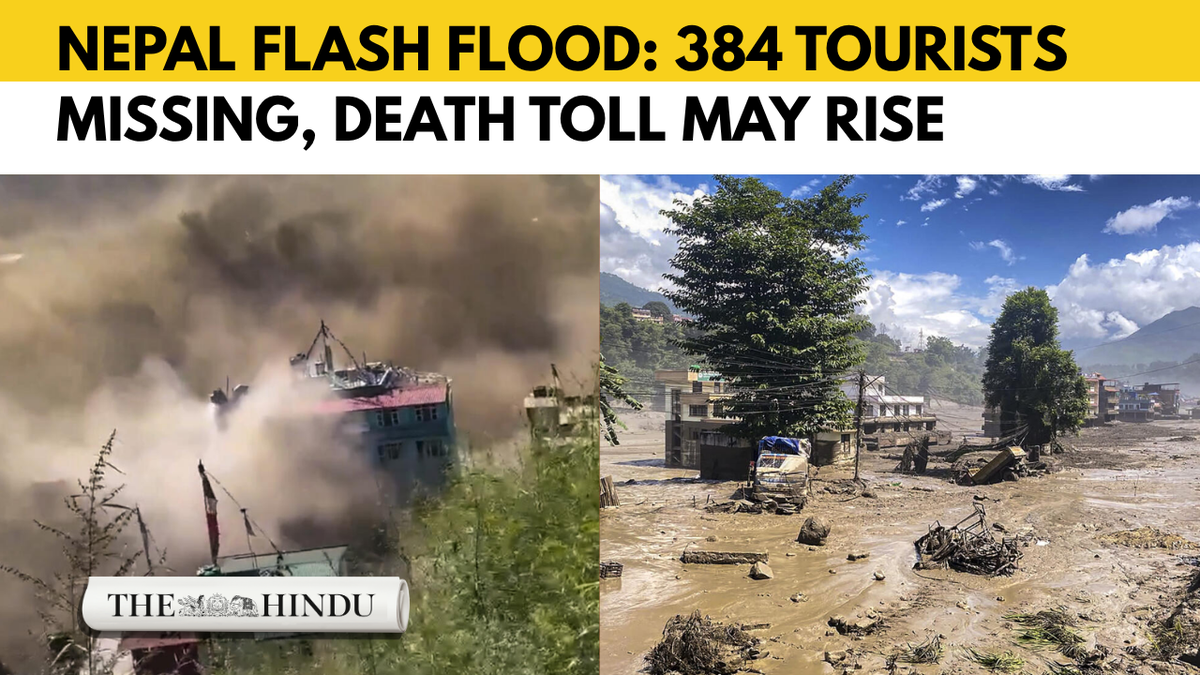
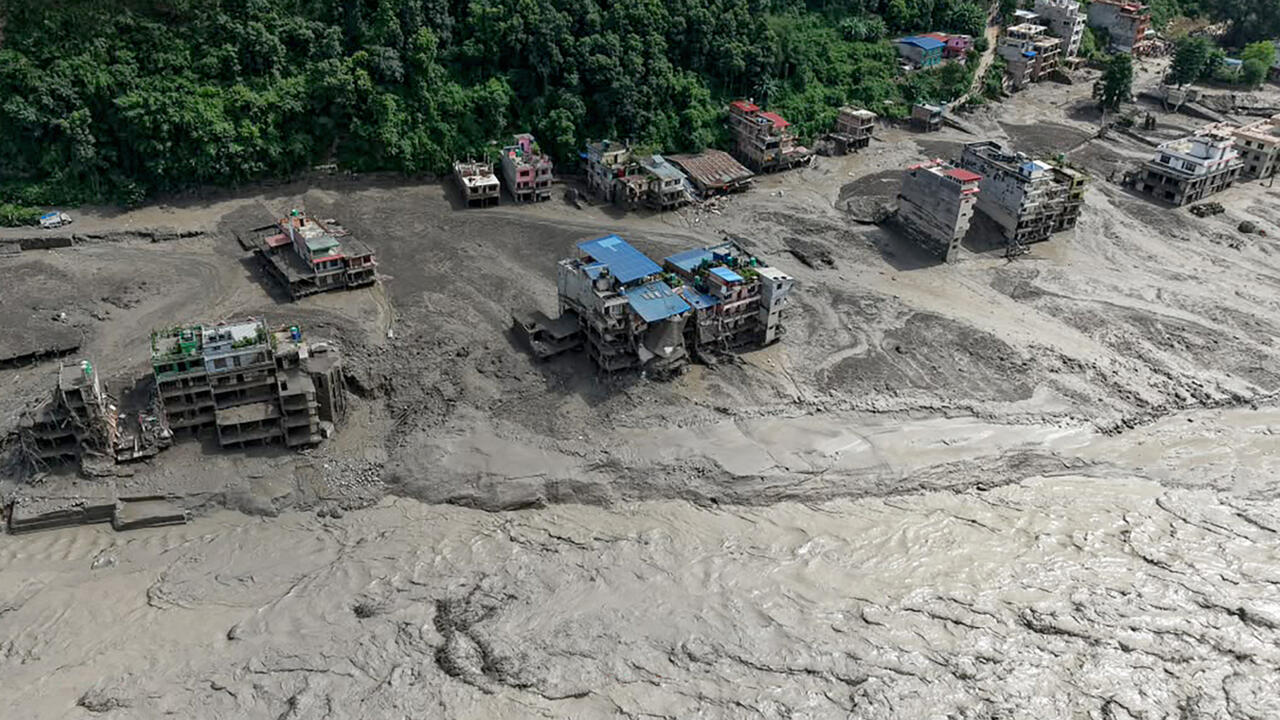
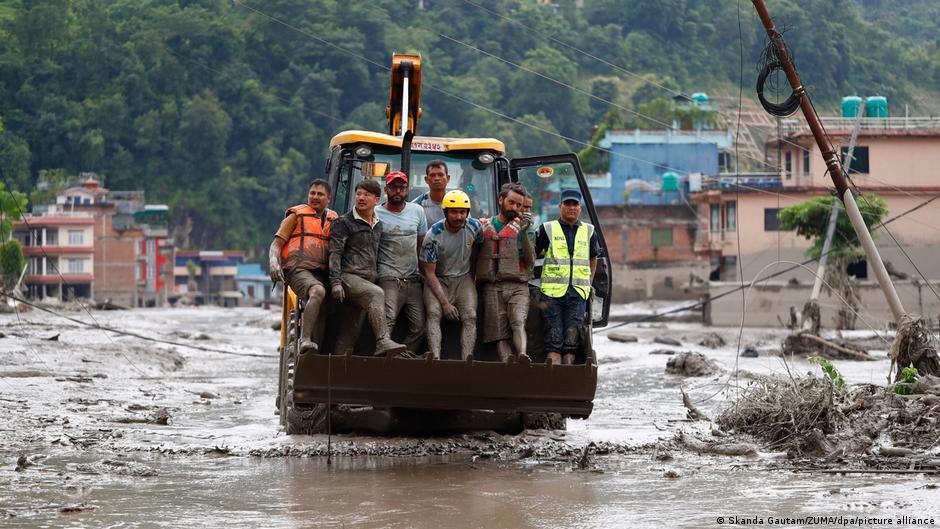
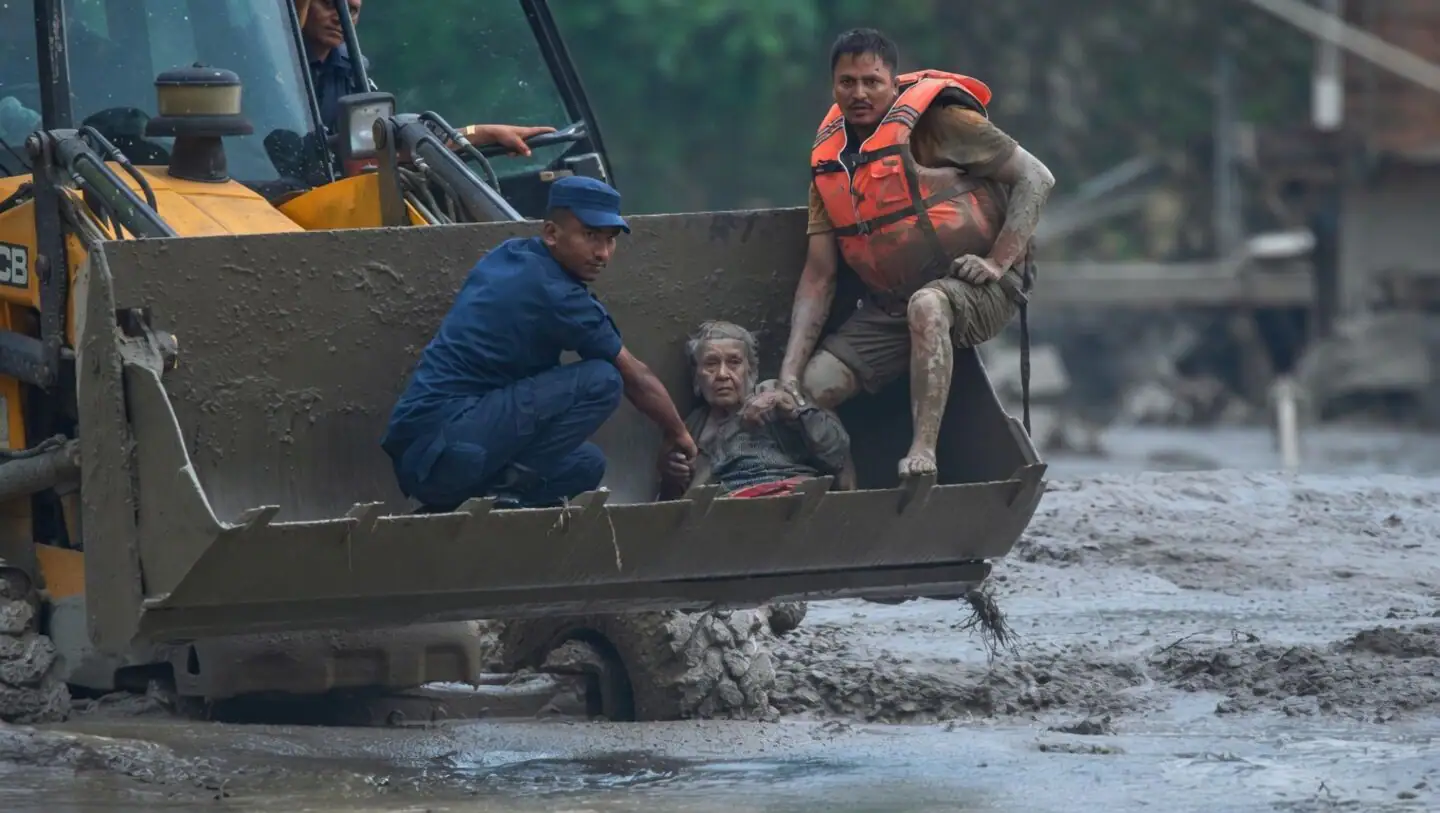
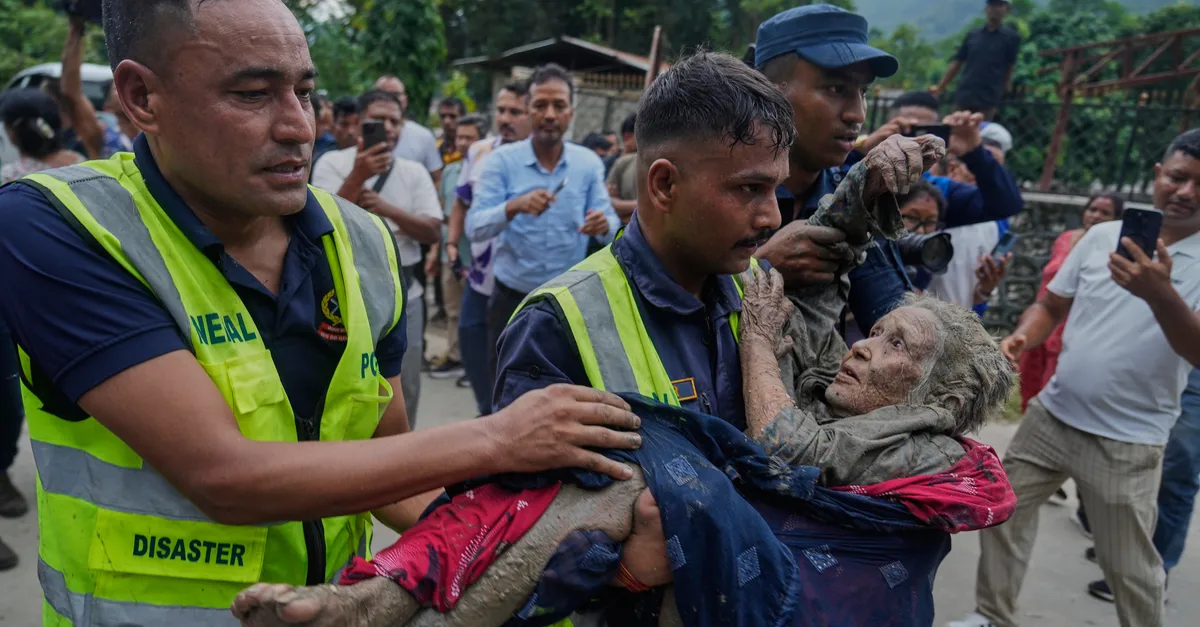
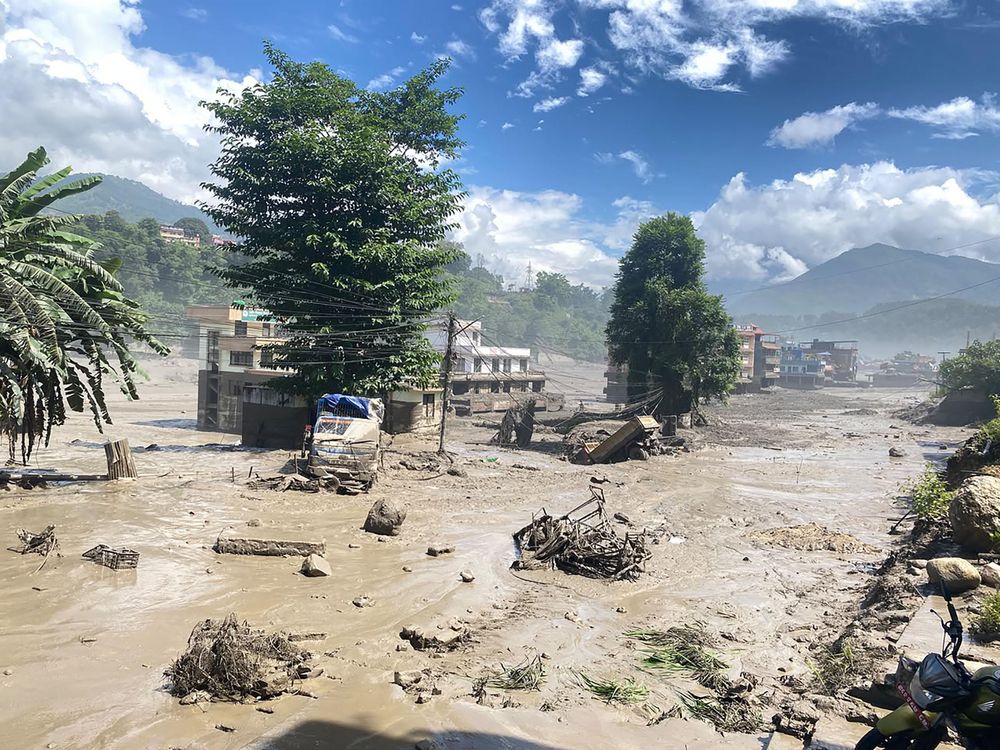
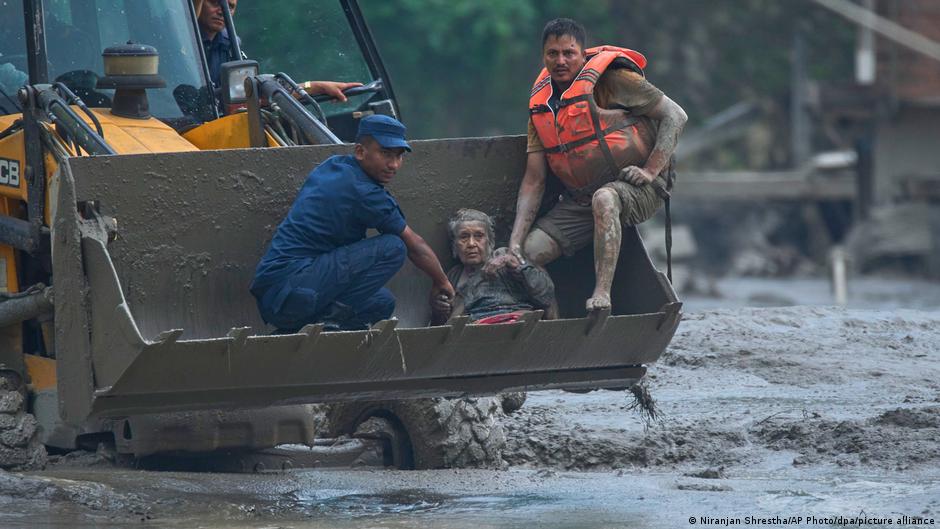
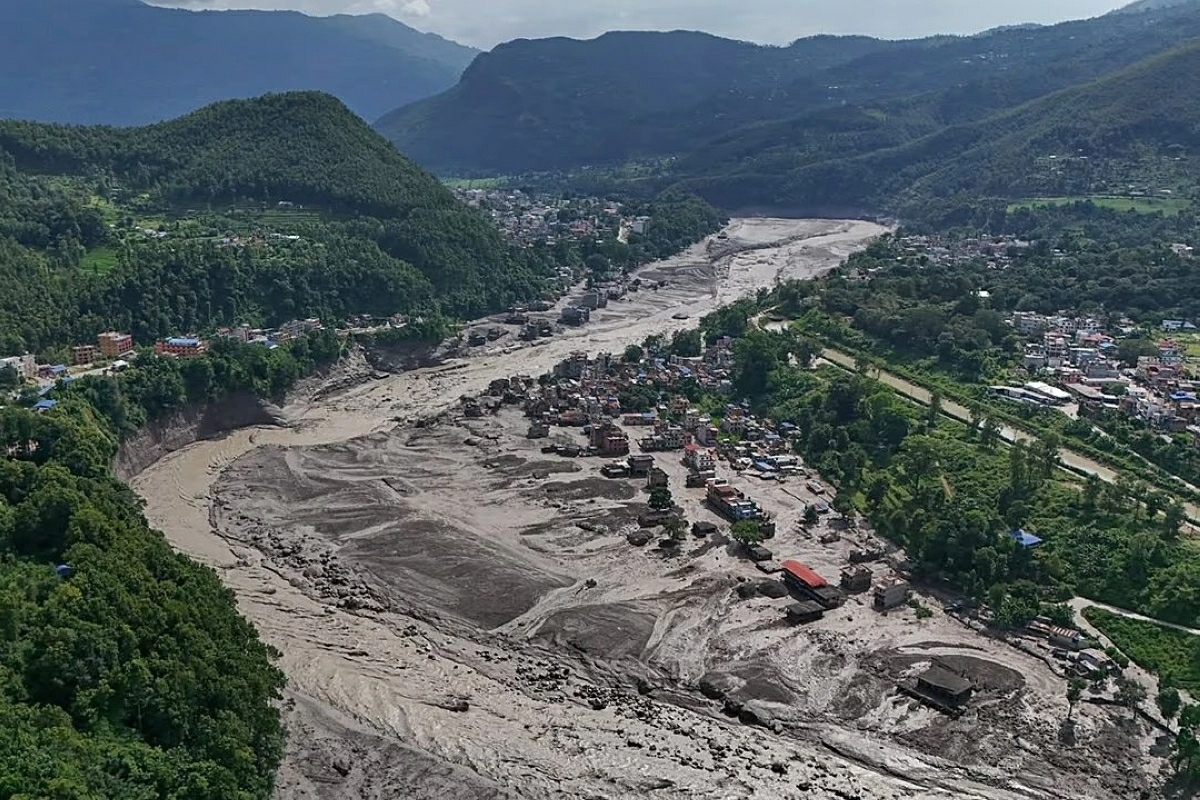
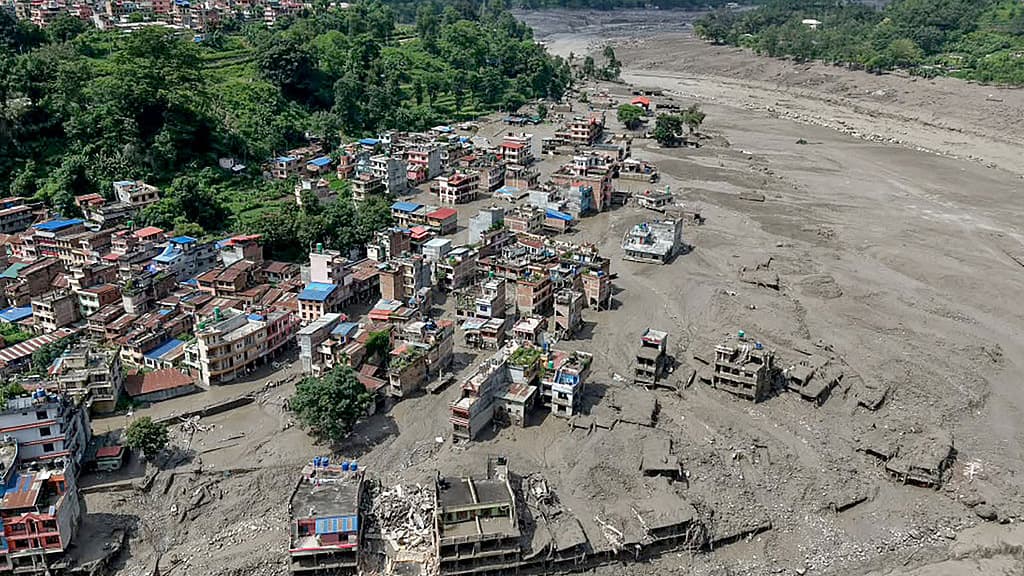
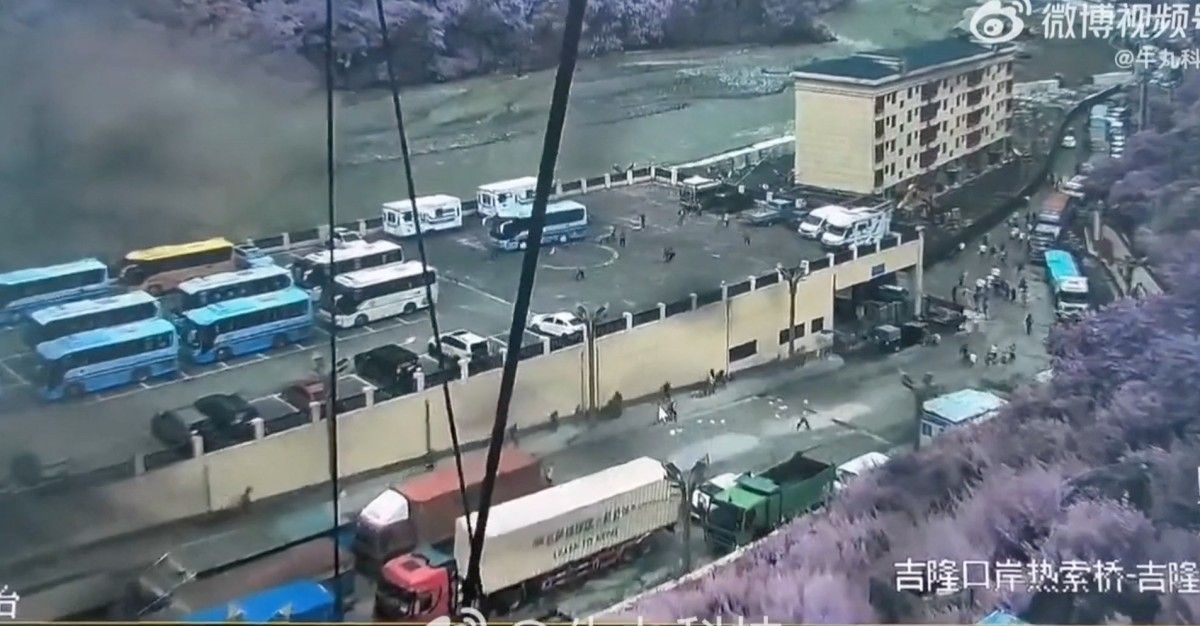
ALBAWABA- The death toll from devastating floods and landslides in Nepal’s northern Rasuwa district has risen to 100, with hundreds of people still missing, including dozens of foreign tourists and pilgrims, as rescue teams race to reach communities swept away by torrents of mud and water. Terrifying scenes from the disaster showed powerful floodwaters engulfing settlements, destroying bridges and roads, and carrying away vehicles and buildings near the border with China. The mudslide struck Gyirong Port, a major China-Nepal crossing used for trade, tourism and pilgrimage routes toward Mount Kailash and Lake Mansarovar. Security footage showed people fleeing as a torrent of mud and water swept through the border area, damaging buildings and vehicles and cutting roads, communications and power supplies. Chinese authorities said the roads leading to the port were severely damaged, while rescue teams faced thick sediment and difficult weather conditions.A flash flood in Nepal has caused the Bhote Koshi river hydrostation to burst. Officials in Tibet said they feared “major casualties” after the ensuing mudslide hit Gyirong Port, a major land crossing between the neighbours.Follow the latest ⤵️ https://t.co/r31k0HsZ9c pic.twitter.com/kcdw82sdcM— The Telegraph (@Telegraph) August 26, 2026 China reported three deaths and 265 people missing in Gyirong County, according to state broadcaster CCTV, while authorities continued to verify the figures. President Xi Jinping ordered an “all-out” search and rescue operation, the evacuation of people at risk and stronger monitoring to prevent secondary disasters. More than 600 rescuers and emergency personnel were deployed, supported by vehicles, drones and other search equipment.On the Nepalese side, the disaster was even more devastating. Nepalese authorities reported that at least 95 people had died, while hundreds of others remained missing. The Nepal Tourism Board reported 384 tourists and travelers unaccounted for, including more than 100 Indians and nationals from the United States, United Kingdom, South Korea, Malaysia, Australia, the Netherlands and other countries. Many were traveling through the region for tourism or pilgrimage.The hardest-hit areas included Nepal’s Rasuwa district, particularly the settlements of Timure and Syapru Besi along the Lhende Khola and Bhote Koshi river system. Entire settlements were swept away, while at least 19 bridges and about 40 kilometers of roads were damaged. Several hydropower projects were also affected, further disrupting infrastructure in the mountainous region.The German Research Centre for Geosciences detected a magnitude 4.4 earthquake in the area shortly before the disaster, raising the possibility that seismic activity contributed to the landslide. Experts have also warned that an upstream blockage could trigger another flood.Nepal deployed its army, police, helicopters and emergency teams to search for survivors, although difficult terrain, high water levels and continuing instability have hampered operations. China has likewise mobilized large rescue teams and equipment on its side of the border.