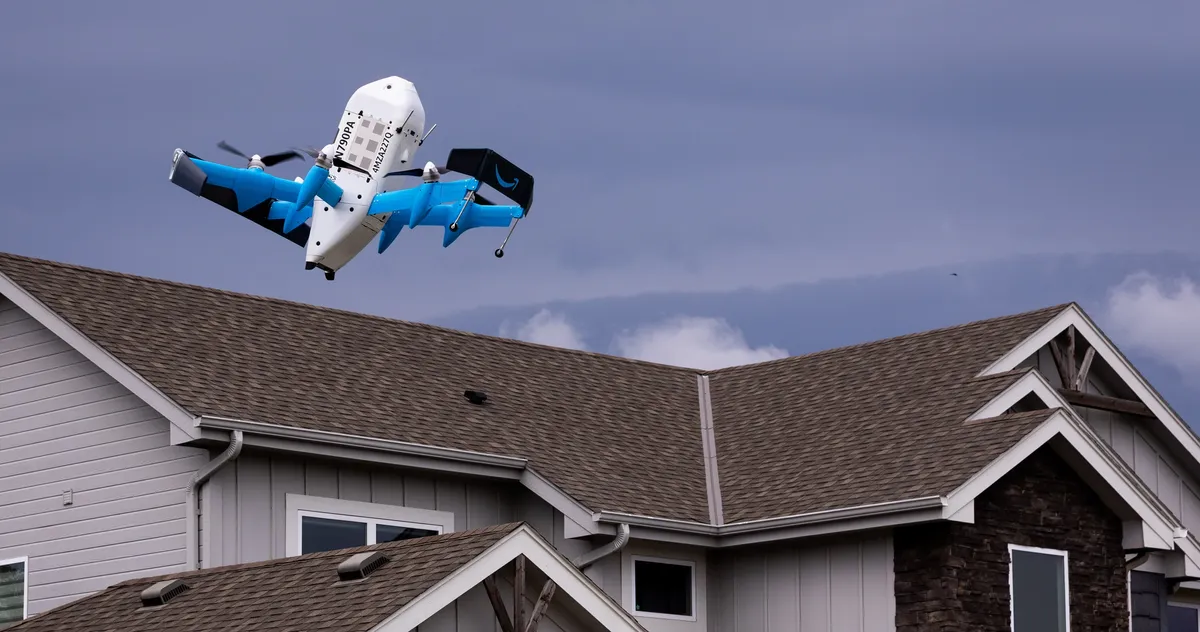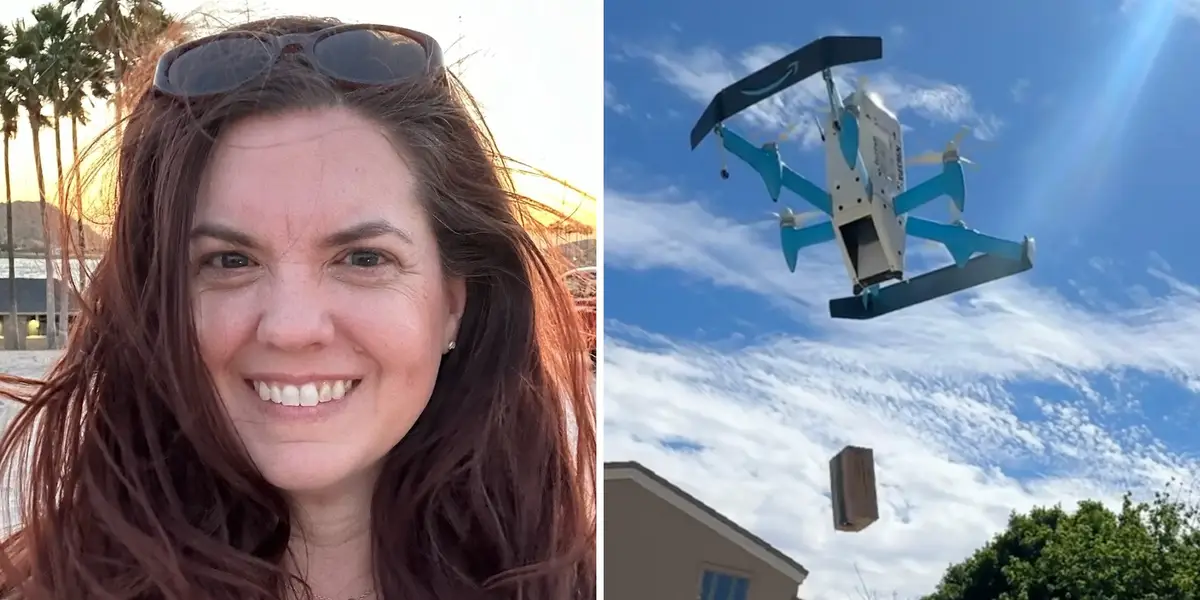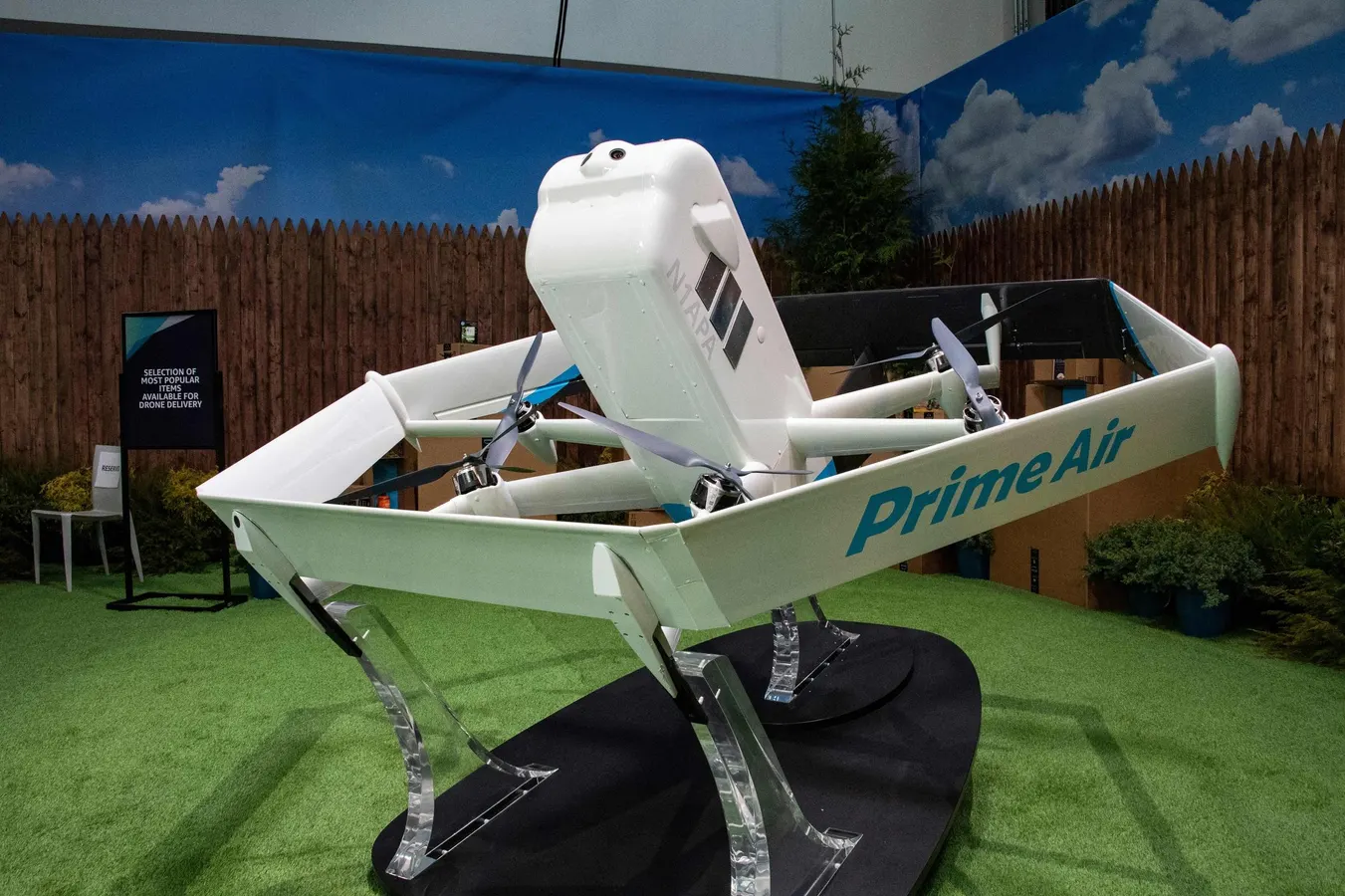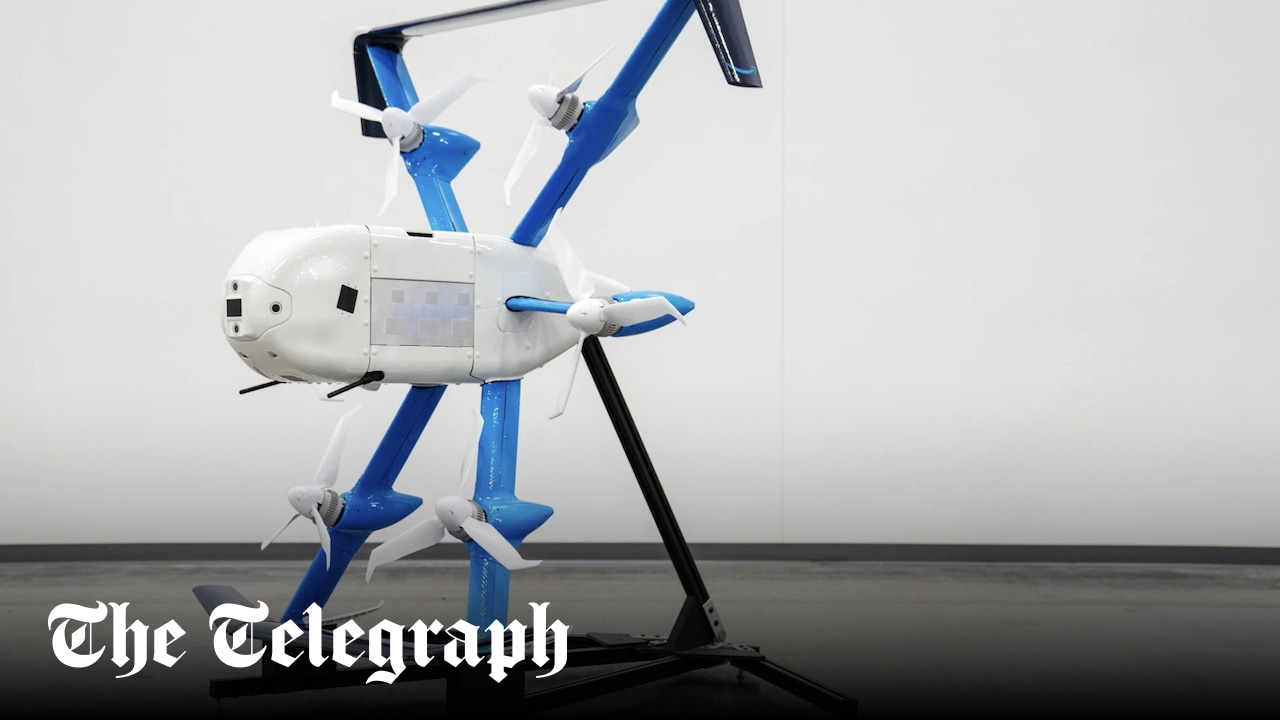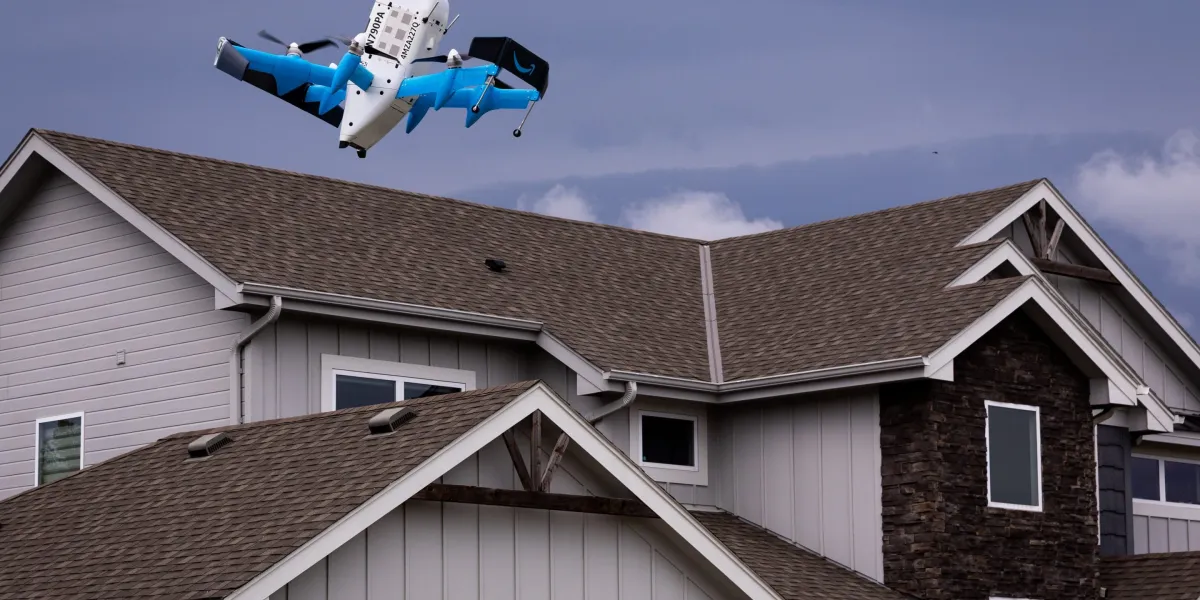
The drone-delivery race is taking off, setting up a real-world test of which flying machines people will tolerate buzzing around their neighborhoods.Why it matters: Amazon, Wing and Zipline are taking dramatically different engineering approaches to drone delivery — differences that will determine how much they can carry, where they can put your package and, perhaps most importantly, how much you'll hear them.Driving the news: Drone delivery is about to become mainstream across the U.S.Amazon plans to expand its Prime Air service sixfold, reaching nearly 500 U.S. cities and towns by the end of 2026.Uber is investing in Zipline, with an ambitious goal of reaching 1 million Uber Eats drone deliveries per day by the end of 2029.Alphabet-owned Wing expects to be operating from more than 270 Walmart stores by 2027, within reach of more than 40 million people.Between the lines: As those fleets multiply, consumers are going to encounter three very different visions of drone delivery — like three different cars in the showroom:Wing: the Toyota Prius of drones, lightweight and efficient, optimized for frequent deliveries.Amazon's MK30: like a Hummer EV — big, heavy and technologically elaborate; you can't miss it.Zipline: closer to a Mercedes S-class— sophisticated to the point of over-engineering, but designed for precision.Amazon's MK30The chunkiest aircraft, with a boxy frame and six rotors.Amazon's Prime Air MK30 drone. Photos courtesy of AmazonDimensions: About 6 feet tall with a 5.5-foot wingspan. 78 pounds. Service parameters: 7.5-mile operating radius, packages up to 5 pounds. Top speed 73 mph.How it works: Takes off and lands vertically, then flies horizontally to its destination, where it descends to about 13 feet. Package is dropped to the ground (or into a hot tub, by mistake) before returning to the Amazon fulfillment center. Zipline's Platform 2A fixed-wing aircraft with five propellers and a smaller droid inside its belly — a drone within a drone.Zipline's Platform 2 drone and droid. Photos courtesy of ZiplineDimensions: 8 feet long, with a nearly 8-foot wingspan. 55 pounds.Service parameters: 10-mile operating radius; packages up to 8 pounds. Top speed 70 mph.How it works: The Zip hovers above the trees around 300 feet in the air, then lowers the tethered droid, which has its own sensors and thrusters for a more precise landing. After releasing the package, the droid returns to the belly of the Zip, which flies away. Wing's Hummingbird 8000-AThe smallest and lightest of the three drones with 12 propellers and a slim body.Photos courtesy of WingDimensions: 6 feet long, with a 6-foot wingspan; about 17 pounds.Service parameters: 12-mile operating radius; the newest version can handle packages up to 5 pounds. Top speed 60 mph. How it works: The drone hovers about 25 feet in the air, and uses a tether to lower a lightweight carton that looks like a McDonald's Happy Meal. After releasing the package on the ground, the tether recoils and the drone flies away. Hoping to be seen, not heardAs delivery drones proliferate, weather and noise could prove to be among the most important differentiators.All three companies say they have designed their drones to be quiet, no worse than a delivery truck barreling through the neighborhood or a vacuum cleaner or home air conditioner.But the nature of their operations affects how much noise people on the ground will hear. Zoom in: Amazon's drone, for example, is larger and comes down closest to the customer to drop the package, while Wing's drone stays higher and lowers it on a tether. Zipline's drone stays way above the trees while it lowers its droid, whose fan noise is "negligible," according to the Federal Aviation Administration. By the numbers: FAA testing suggests Zipline is quietest during delivery (79 decibels), followed by Wing (84) and Amazon (88), measured from 50 feet away. The bottom line: The drone-delivery winner might not be the aircraft that flies farthest, fastest or carries the most.It could be the one neighbors barely notice.
Drone delivery's next challenge: Don't annoy the neighbors
The drone-delivery race is taking off, setting up a real-world test of which flying machines people will tolerate buzzing around their neighborhoods.
648 words~3 min read