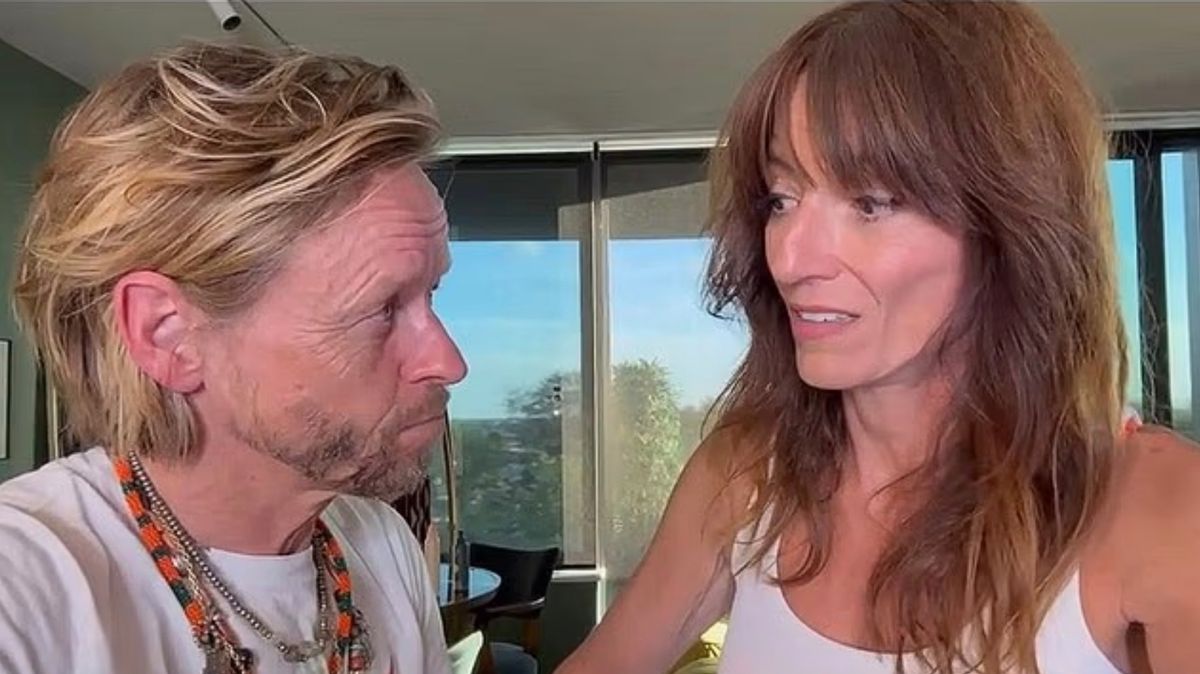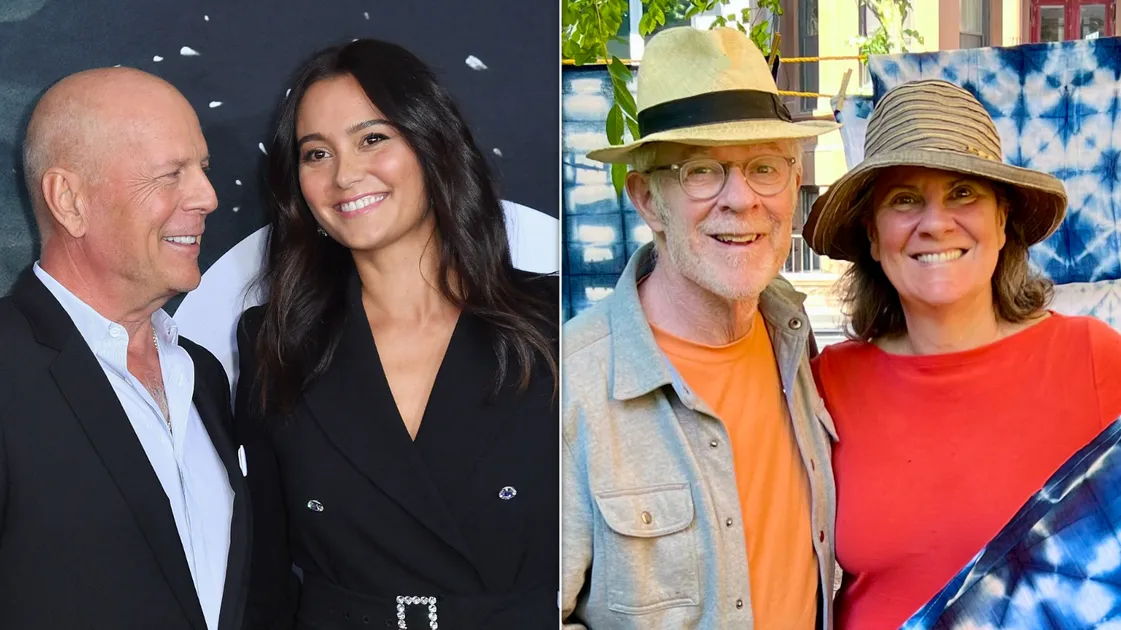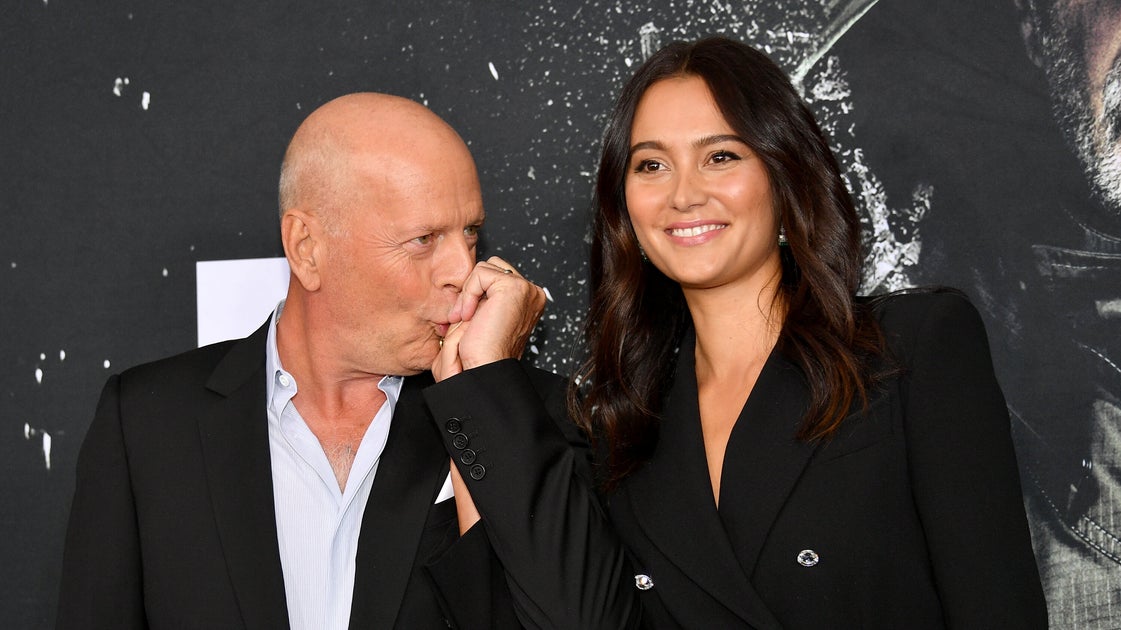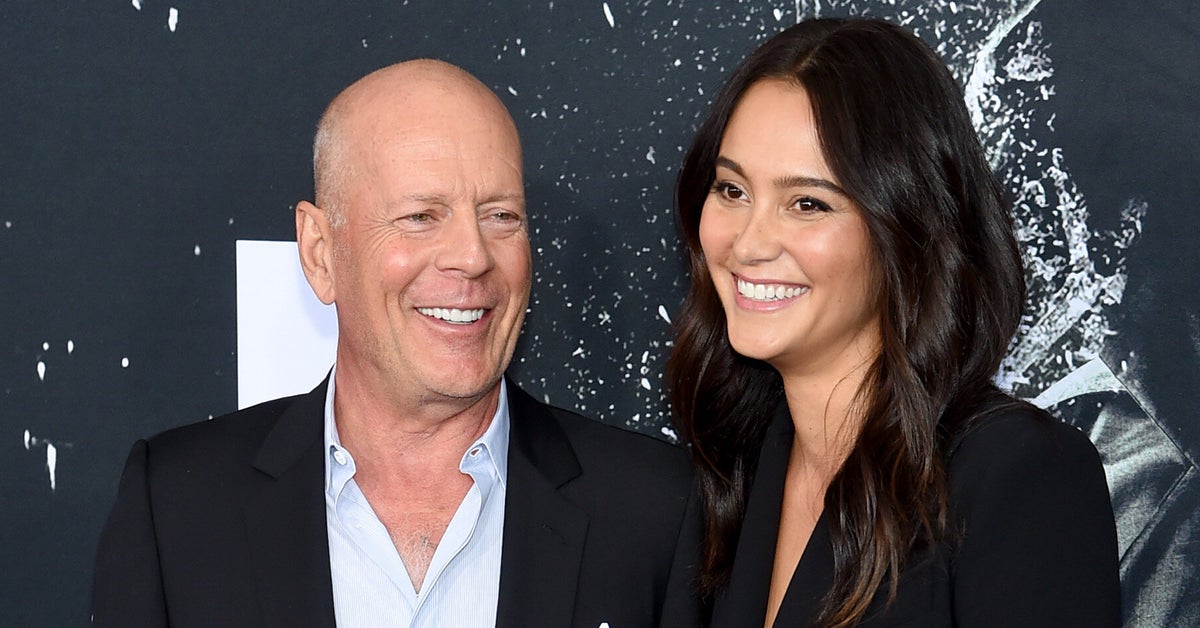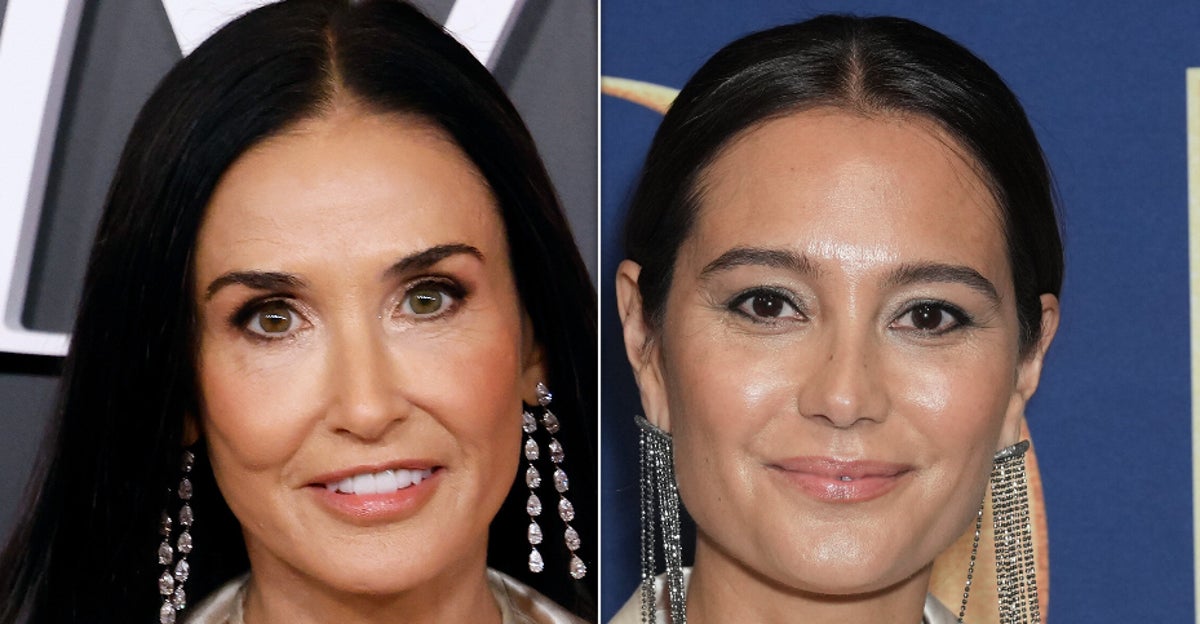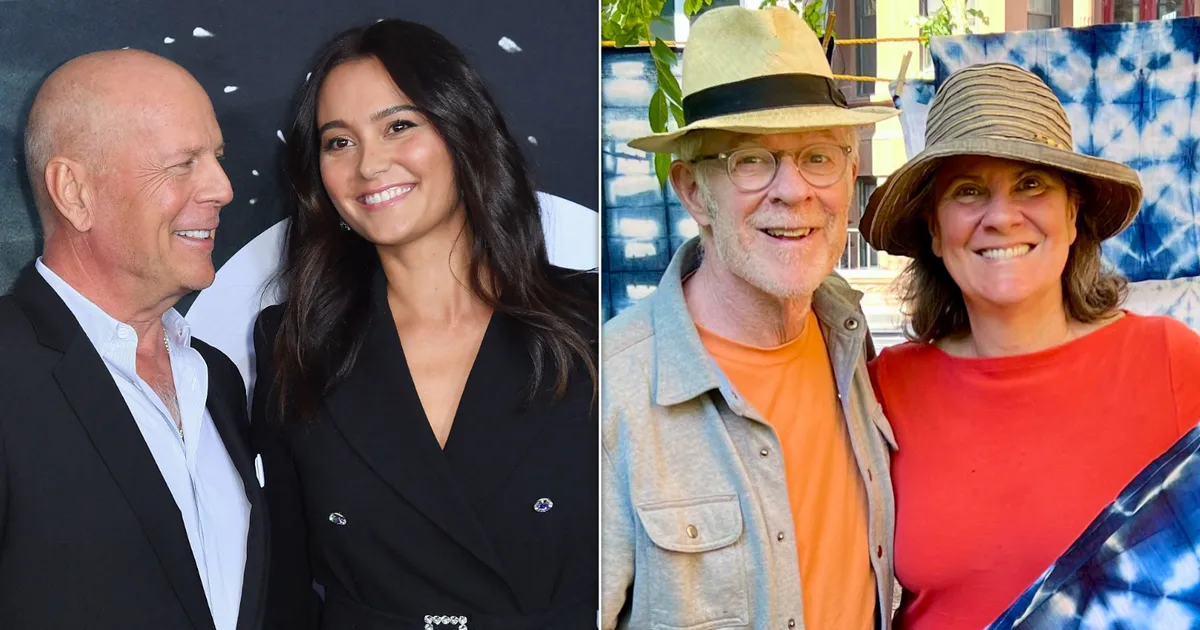
Alzheimer’s sucks. It sucks for the victim, and it sucks for the caregiver. I was my husband’s caregiver for six years after his diagnosis, so I know first-hand how much it sucks. Weirdly though, the scrolling I did on Instagram after tucking David in at night or in between cleaning up and cooking (and cleaning up again), brought me some solace. And while this helped me immensely, it wasn’t the cat videos or bhangra dancing tutorials that got me through.It was Emma Heming Willis’ account. What I discovered during my caregiver journey is that there is a whole world of Alzheimer’s influencers out there. I acknowledge the stalker-ish vibe of the algorithm and how it reads minds to reveal and feed our preoccupation with cute animals, strappy sandals, tofu recipes, and in my case, Alzheimer’s help. While it freaks most people out, I am eternally grateful for it.About the same time that my husband was diagnosed with Primary Progressive Aphasia (PPA), the news hit that Bruce Willis was living with it, too. Suddenly, the masses were being educated on a somewhat esoteric condition that I was intimately and painfully familiar with at home.When the neurologist gave us the diagnosis, he assured me it was not Alzheimer’s and gave us a referral for a speech pathologist. But my husband had failed the clock face test, a quick tool doctors’ use to discern cognitive decline, and had trouble counting down from seven, another cognitive staging tool. Really, I thought — not Alzheimer’s? Then COVID descended upon us, and we lived in a bubble. It was just David and me in our apartment. So what if he couldn’t speak; I was his partner for close to 40 years and excelled at intuiting what he needed. I kept thinking that if he stayed like this, it wasn’t so bad. I mean, at least it wasn’t Alzheimer’s. As it turns out, denial ain’t just a river. A year and a half later we saw a new speech pathologist, and she referred us to a different neurologist. The verdict was PPA. Probable cause: Alzheimer’s. There it was. We left with a folder about the condition and were asked to return in six months. Back to Bruce Willis. As it turns out, his wife, Emma, and I have a friend in common. When I saw this friend and told her about David, she said I should follow Emma on Instagram. I did, and learned that the Willis’ had a very similar experience. Diagnosis: Frontal Temporal Dementia and see you in six months. And so, I followed Emma.I was skeptical at first. How could our experiences be the same? After all, she was the wife of a famous actor, and I was the wife of a college professor. Honestly, I was resentful of her privilege. But her honesty drew me in and made me realize that being rich, poor or in-between doesn’t matter. Caring for someone with dementia is devastating. Emma was sad and exhausted, and so was I. At first, her feed centered on information and resources concerning FTD, but then her focus became the caregiver and the toll dementia takes on us. In one of her posts, Emma stared straight at the camera and said, ‘30% of caregivers die before the person they are caring for.’One thing led to another, and other Alzheimer feeds began popping up when I scrolled. I started following Diane Chew’s Dementia Coach Diane, and Adria Thompson, a speech pathologist who offered really helpful tricks of the trade to dealing with your person. I tried many of her expert tips with David. Some worked and some didn’t. For the life of me, I could never get him to brush his teeth, nor have him let me brush them for him. But I took comfort in her calm voice and situational role playing. Dementia Coach Diane was a woman caring for her husband with Lewy Body Dementia in their home. Like me, she looked exhausted and frazzled, and her lipstick was often smeared. She was on her last leg — and she didn’t hide that in her online persona. She did not sugar coat any part of her process. But you had to give her credit for trying. Diane was honest about how hard caregiving is, and that helped me feel less guilt about the times I wished my husband would die. Diane’s husband, Ben, was often in the videos with her. These videos aptly conveyed their love ― but also their pain. At those moments when I thought I might somehow harm David or myself, seeing her in a similar situation allowed me to take a deep breath and move forward with love. Her feed was a comfort. While these two content creators informed and encouraged me, Emma’s feed quite literally saved my life — because while I was deep in my caregiving journey, as is the case for many women in my situation especially, I had completely neglected to take care of myself.In one of her posts, Emma stared straight at the camera and said, “30% of caregivers die before the person they are caring for.” At this stage, I was about three years into my caregiving journey and thought I might die. I never got a full night’s sleep, my body ached, I felt isolated and my brain never shut off because I was always thinking about David’s needs. What she said really resonated with me. I could not die before David; I needed to take care of him. But I also needed to take care of myself. So, I did what I had been neglecting to do: I made doctor’s appointments for myself. I got a physical, a colonoscopy, saw a cardiologist, and finally made a mammogram appointment. I learned that I had plaque in an artery and that I had stage 1 breast cancer. It was the breast cancer that hit me hard. But thanks to Emma, I made an appointment with a reputable specialist, and had a lumpectomy and radiation. One year later, I am cancer free. My husband died on Jan. 15, 2026. Because of Emma, I am alive. And I got to thank her for that at a talk I attended a few months ago, where she was the featured speaker. She is beautiful and kind, and like Diane and me, she looked exhausted and slightly frazzled. However, she is using her privilege (as she said, herself) to lobby and advocate for research into FTD and support for caregivers. Because we know what it’s like to fight like hell for someone we love. This is your reminder: We deserve that same grace.RelatedHealthdementiaAlzheimer's Diseasebruce willis Caregiving
Emma Heming Willis Saved My Life
“What [Emma] said really resonated with me. I could not die before David; I needed to take care of him. But I also needed to take care of myself.”
1,110 words~5 min read