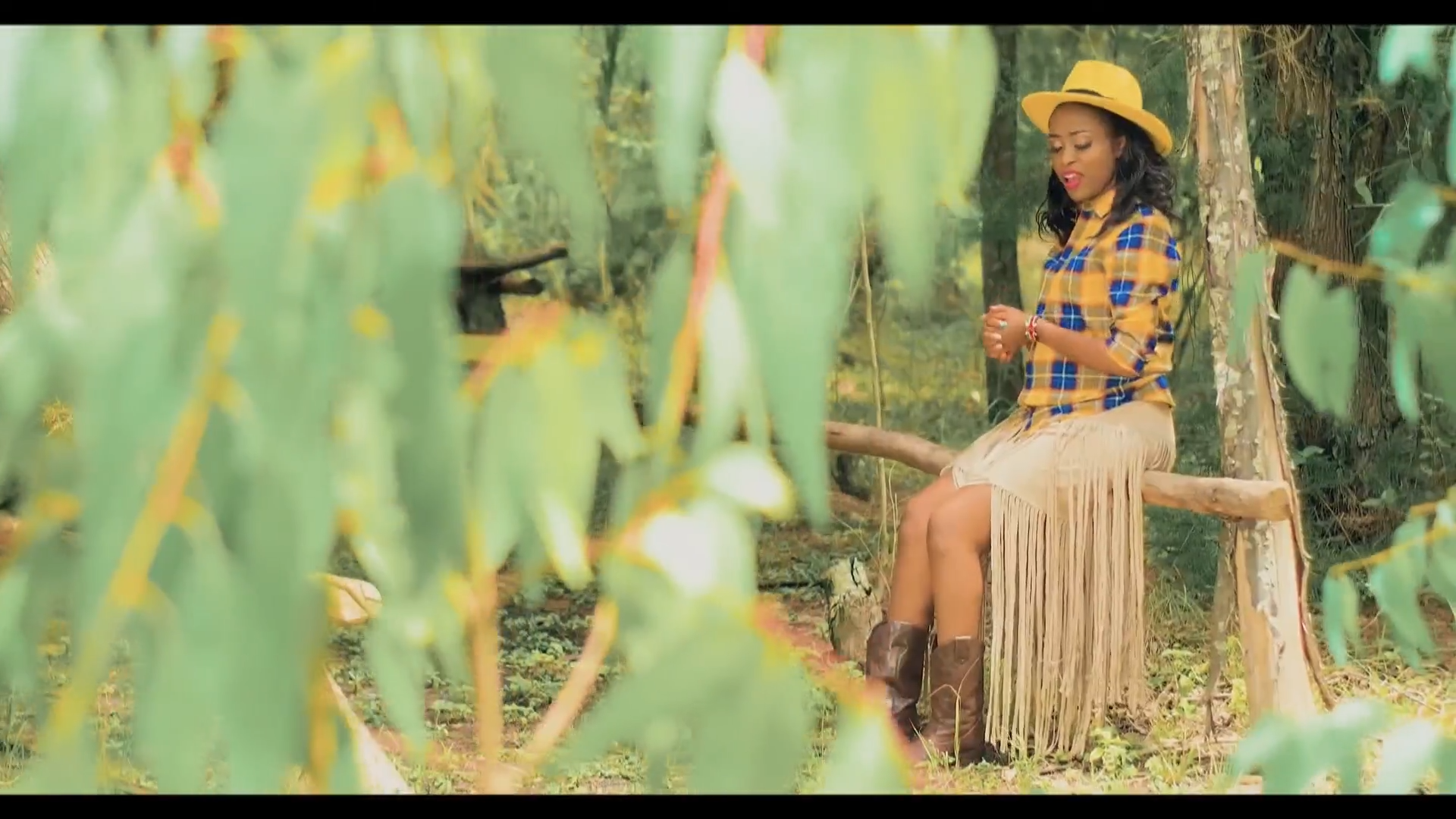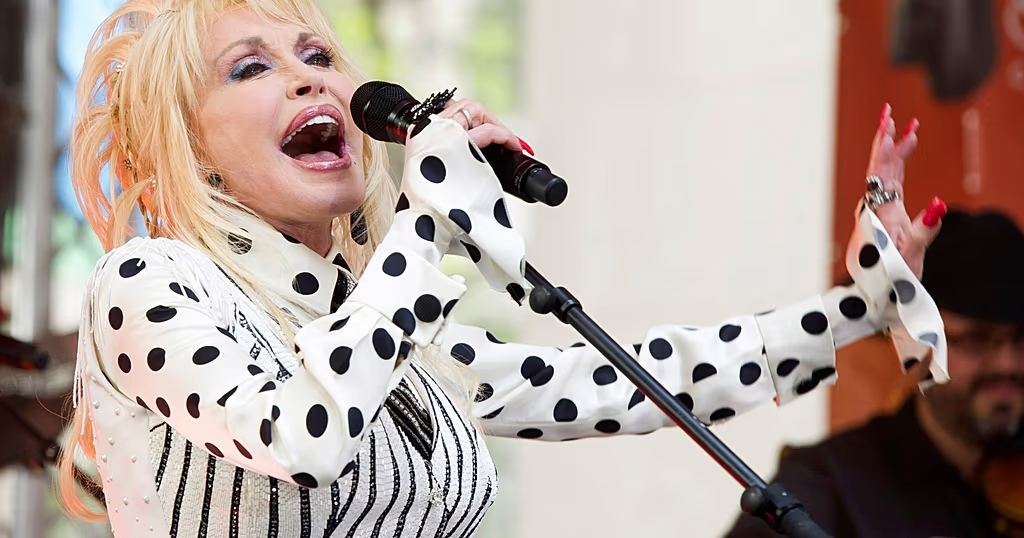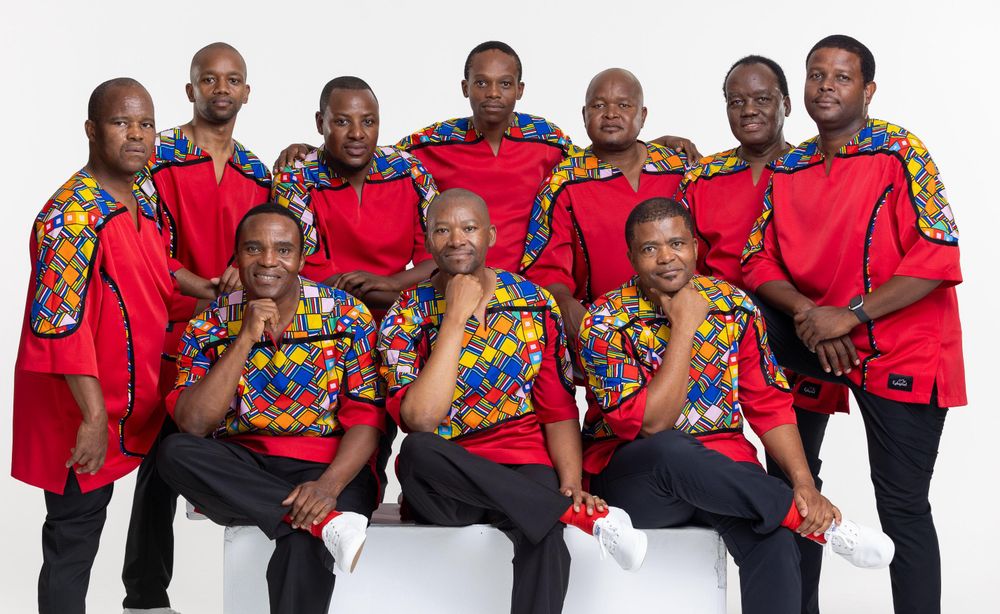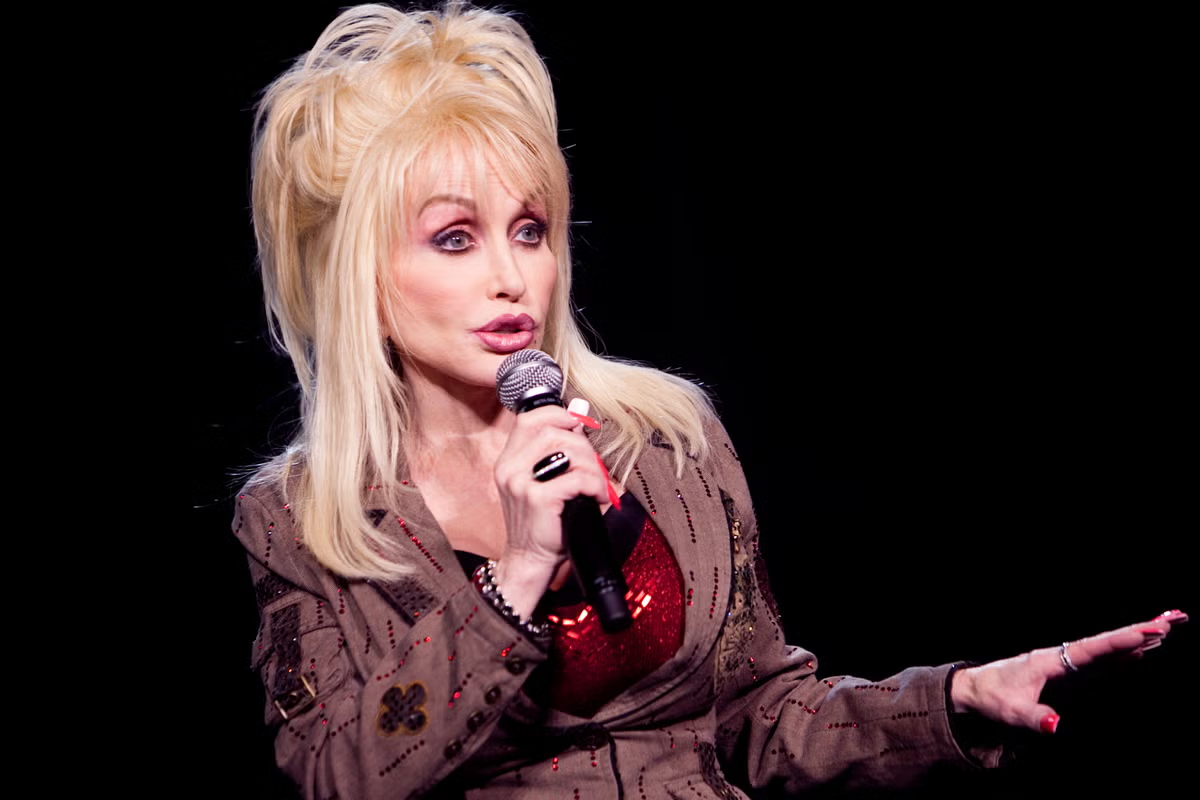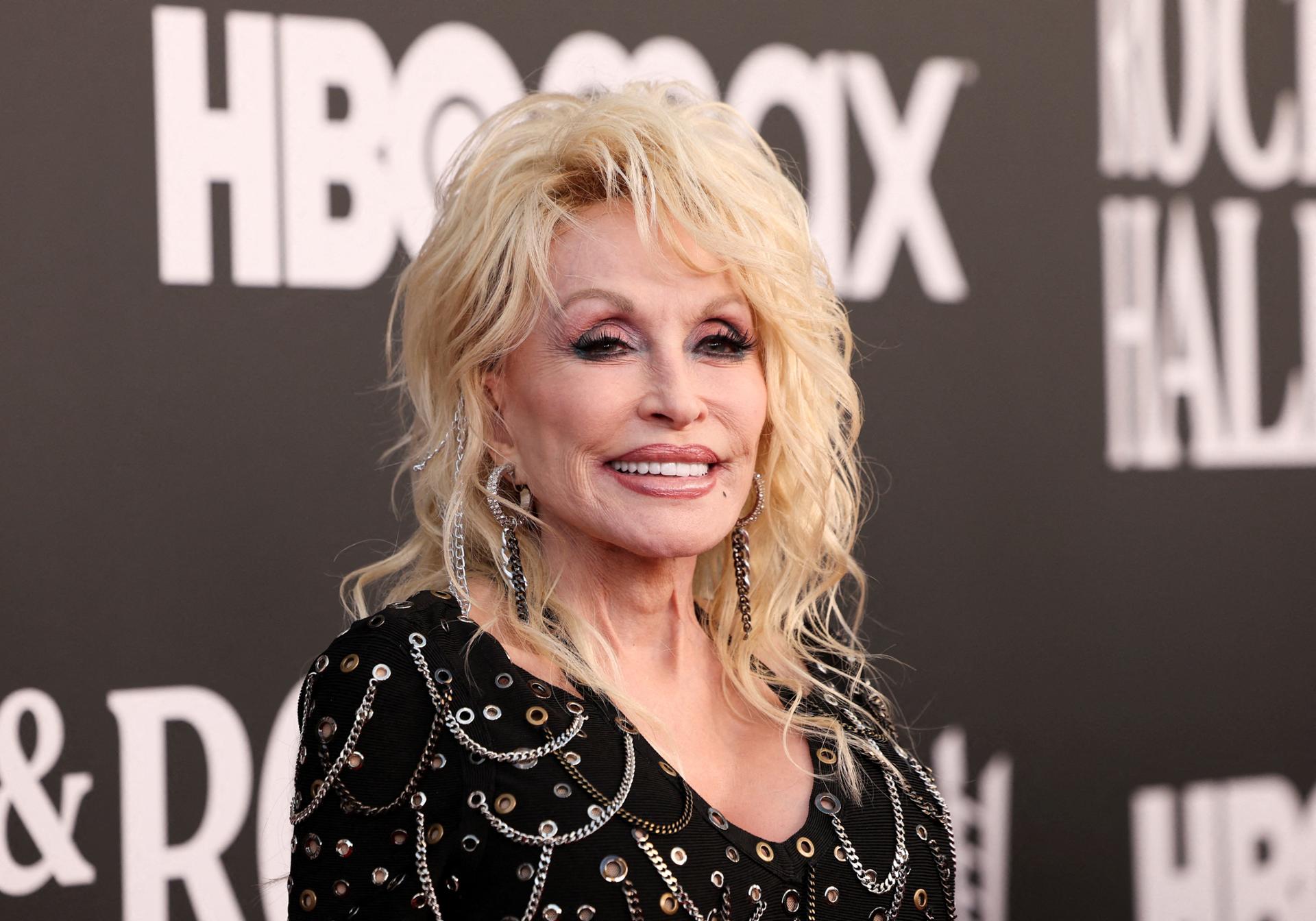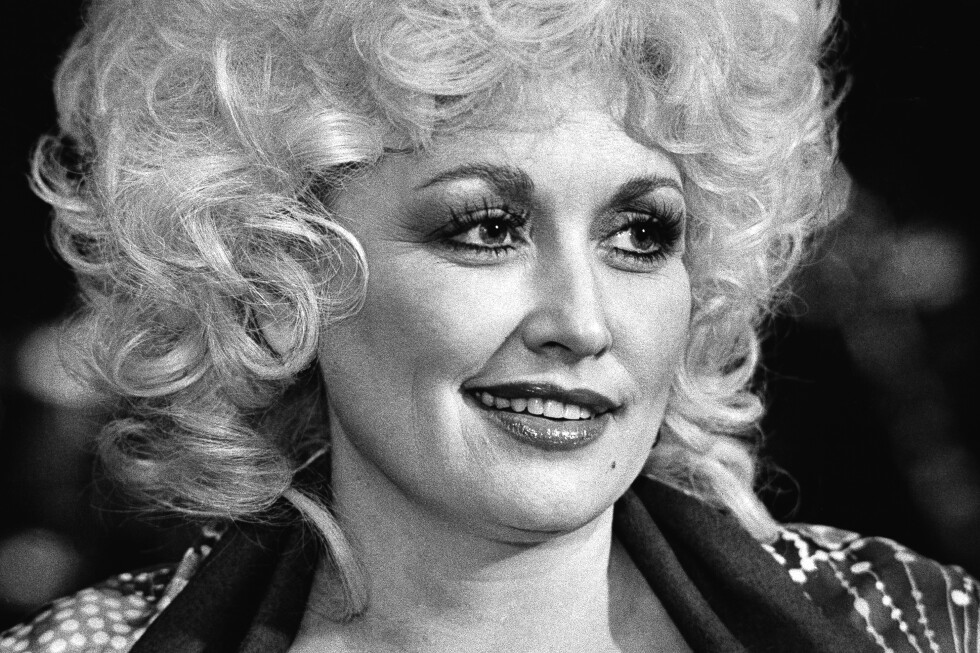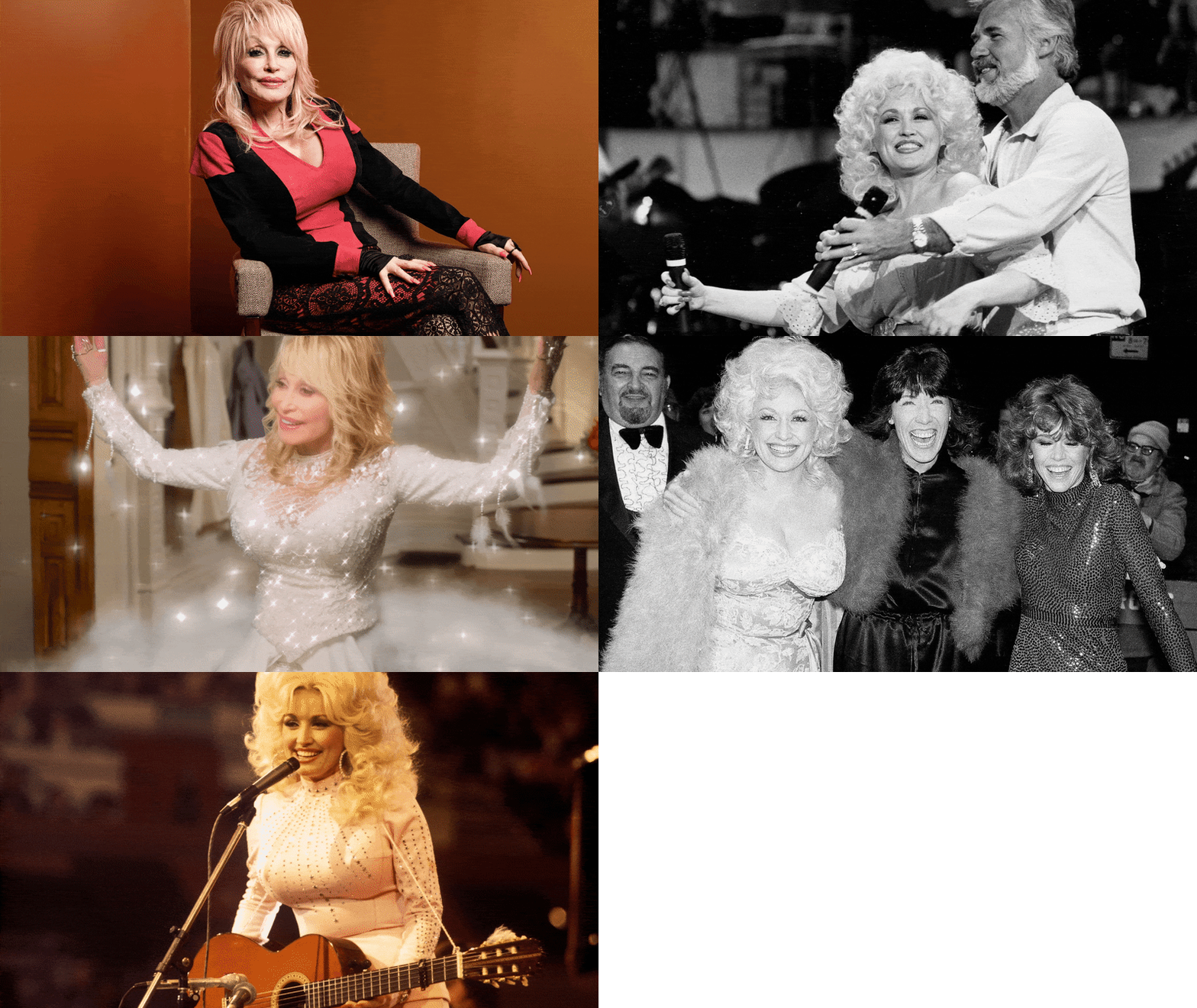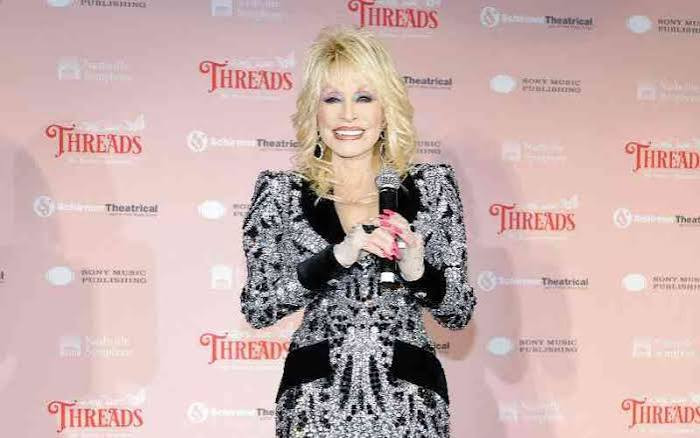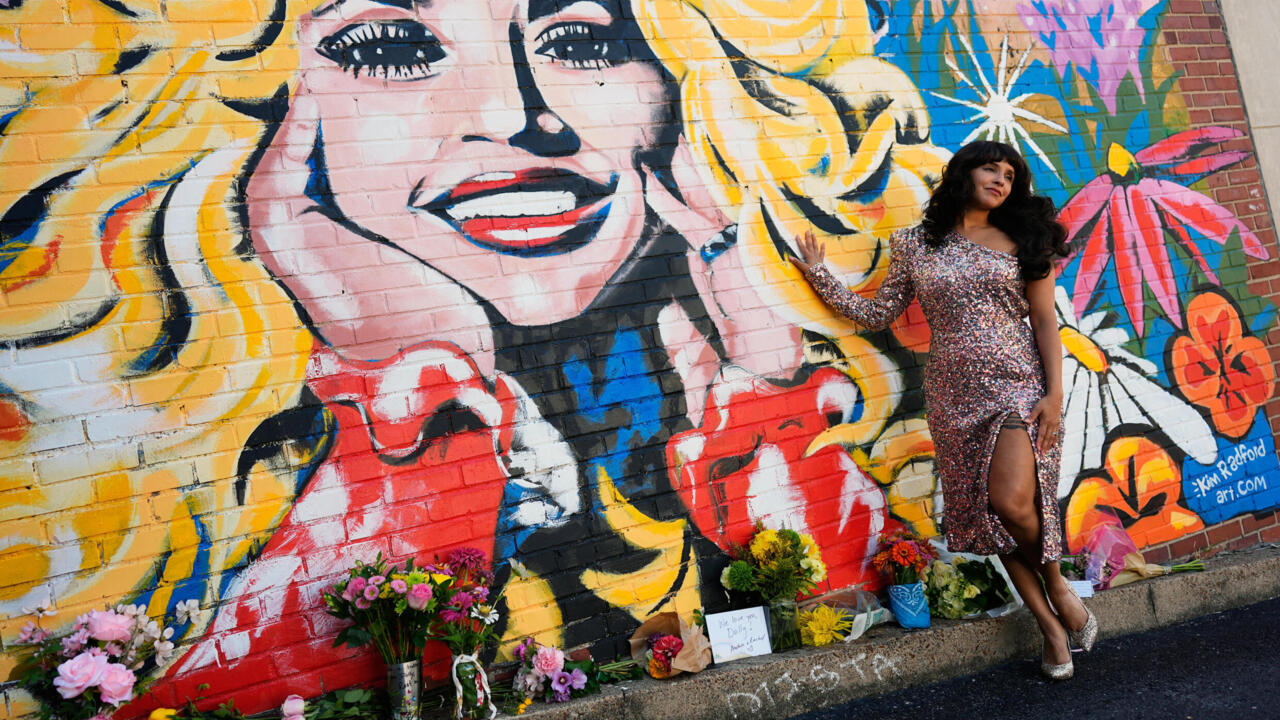
Country music icon Dolly Parton's remarkable career spanned generations and inspired people around the world – including across Africa. The star, who died in Tennessee on Tuesday at the age of 80, was particularly appreciated in South Africa thanks to her collaboration with renowned Zulu group Ladysmith Black Mambazo.
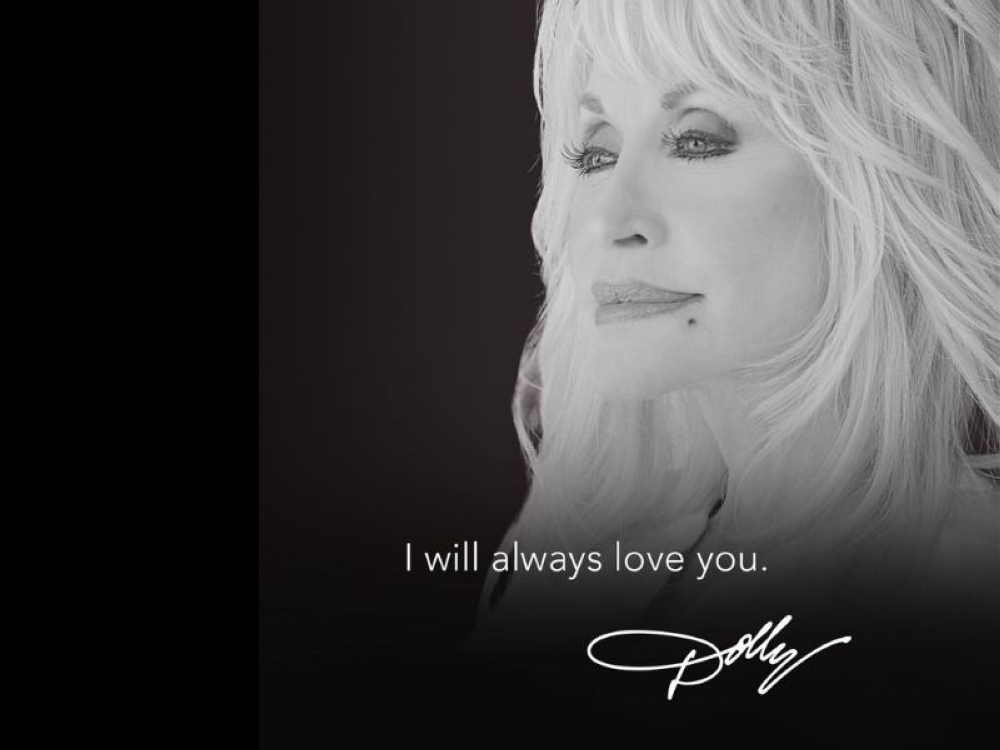
Affectionately known as the "Queen of Country Music", Parton wrote some 3,000 songs during a prolific career that even inspired a Broadway musical. The singer-songwriter became one of the most recognisable figures in country music while also successfully crossing into pop, film, television, business and philanthropy. Her hits included "Jolene", "Coat of Many Colors" and the ballad "I Will Always Love You", which became an international success for Whitney Houston when it was used as the main song for the 1992 film The Bodyguard. With 100 million albums sold, she influenced artists such as Beyoncé, Miley Cyrus, Taylor Swift, The White Stripes, and sparked the career of the French singer Pomme. Robben Island radio She also left a distinct mark on Africa, influencing artists and reaching listeners from Kenya and Zambia to Nigeria and South Africa. Her music even reached former South African leader Nelson Mandela during the 18 years he spent imprisoned on Robben Island from 1964 to 1982. When political prisoners were occasionally allowed to choose music to be played over the loudspeakers, Mandela selected Parton's 1973 hit "Jolene", fellow anti-apartheid activist and Robben Island prisoner Tokyo Sexwale told US public broadcaster NPR's podcast Dolly Parton's America. In 1982, Parton performed at the Sun City Superbowl in South Africa, a resort in the former Bophuthatswana homeland, at a time when many international artists were avoiding the country because of the cultural boycott against apartheid. Parton later expressed regret over the booking, publicly acknowledging her lack of awareness of the political situation at the time. She became one of the early high-profile international artists to pledge not to perform in South Africa under apartheid.