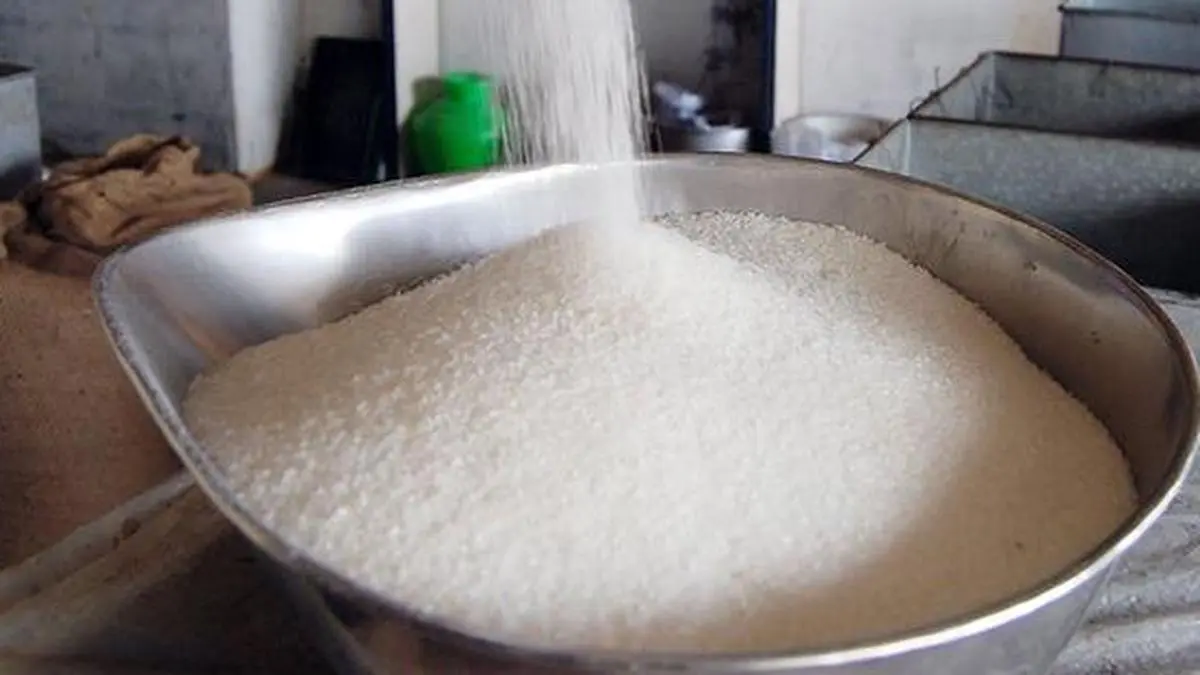
Sugar economy: Need for better output forecasts
| Photo Credit:
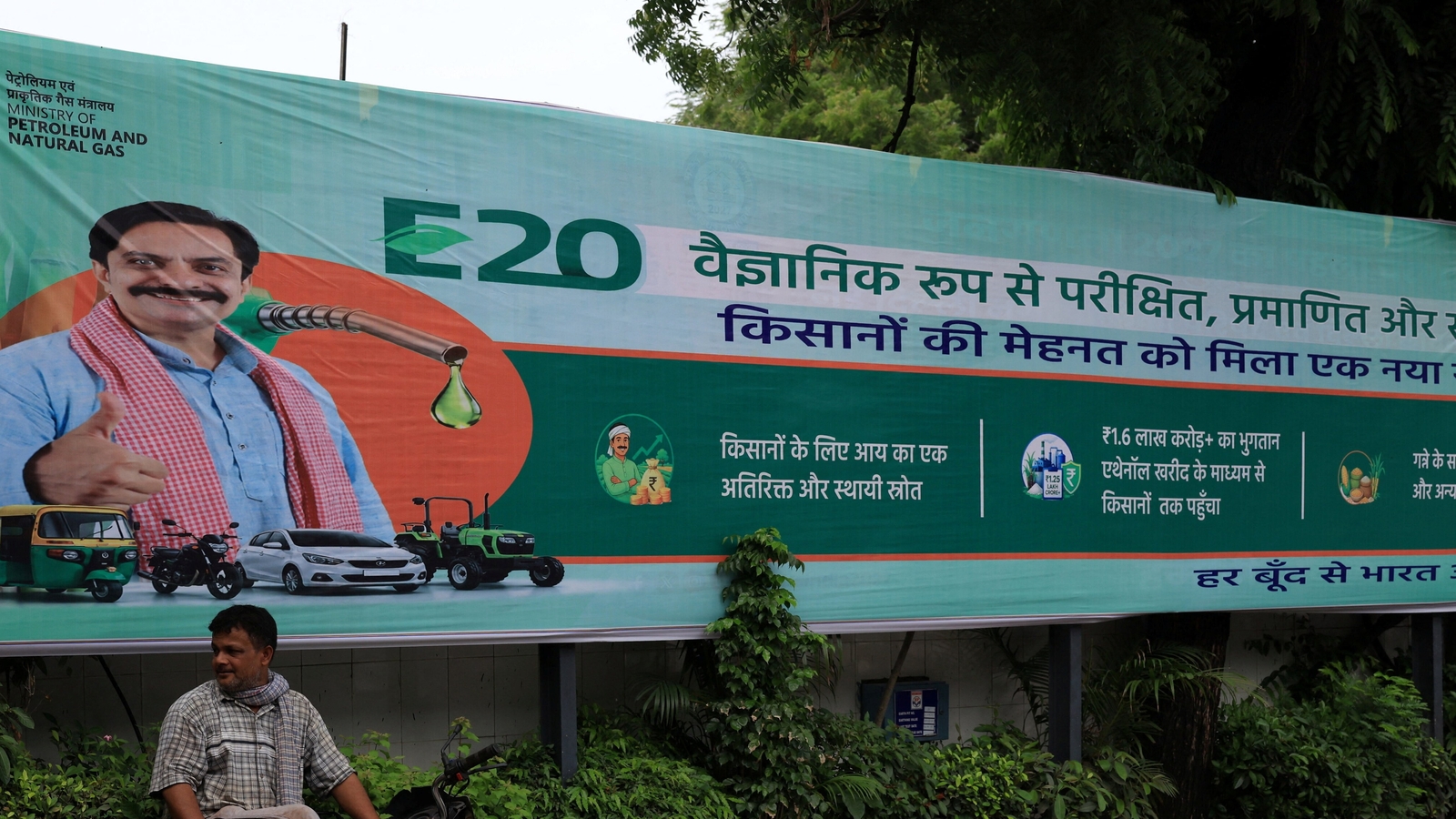
The Centre’s decision to allow duty-free imports of 10 lakh tonnes of raw sugar for the first time in over a decade has raked up a fresh controversy over ethanol blending. Critics blame the diversion of sugarcane to ethanol for the recent sugar price surge which prompted this move. However, the reasons for the sugar price rise this year are wide-ranging.After normal or above-normal rainfall in the four years from 2021-22 to 2024-25, a persistent El Nino has led to South-West monsoon rainfall falling short of the Long Period Average by about 13 per cent this year. With yields also being impacted by red rot fungus and pest attacks, domestic sugar output (after diversion of cane to ethanol) is expected at about 279 lakh tonnes for this sugar season (October 2025 to September 2026) down from between 300 and 360 lakh tonnes between 2021-22 and 2023-24. This output was just about sufficient to meet domestic consumption of 280 lakh tonnes. While such deficits are usually covered by carried-forward stocks from the previous season, low output in 2024-25 (262 lakh tonnes) had drawn down the opening stocks for the 2025-56 season.Sugar exports since then have aggravated the shortage. In February 2026, on expectations of record cane output, the Centre approved a sugar export quota of 20 lakh tonnes, of which about 7-8 lakh tonnes were contracted before curbs were reinstated. These developments have led the market to conclude that by October 2026, India will be left with opening stocks of just 40 lakh tonnes of sugar — the lowest in a decade. This has sent domestic sugar prices soaring by 30 per cent in a month. With the upcoming festival season, the government went into fire-fighting mode imposing stock limits on sugar dealers, capping the inventory held by bulk consumers at 15 days and asking States to flag off an early start to the next crushing season by October 15. However, with crop prospects still up in the air, it remains to be seen if these measures suffice to address the supply deficit.Downward revisions in the cane crop, pest attacks, low sugar yield and exports have all contributed along with cane diversion to ethanol. While policymakers cannot do much about pest attacks or yield fluctuations, they can certainly strive to improve the accuracy of the production forecasts that dictate policy. Against a cane output estimate of 500 lakh tonnes in May 2026 by the Agriculture Ministry, the actual output may now be at 475 million tonnes or lower. Against the sugar industry’s estimate of 343 lakh tonnes of sugar production, the actual number is likely to be in 300-310 lakh tonne range. To ensure reliable supply of cane to meet consumption, export and ethanol needs, more accurate forecasts are now critical. Perhaps systematic deployment of technology such as satellite imagery and drone mapping can help governmental agencies arrive at more precise estimates of crop progress, without relying on industry or trade estimates which are error-prone.Published on August 26, 2026