“We will never know how close we came to nuclear war.” These words were spoken to me in a run-down Moscow flat by a man who was already drinking vodka just after breakfast time, a man worn out by the memories that he had carried since 1983.
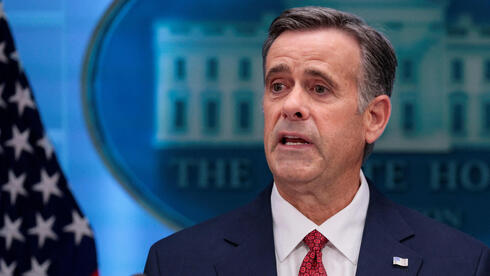
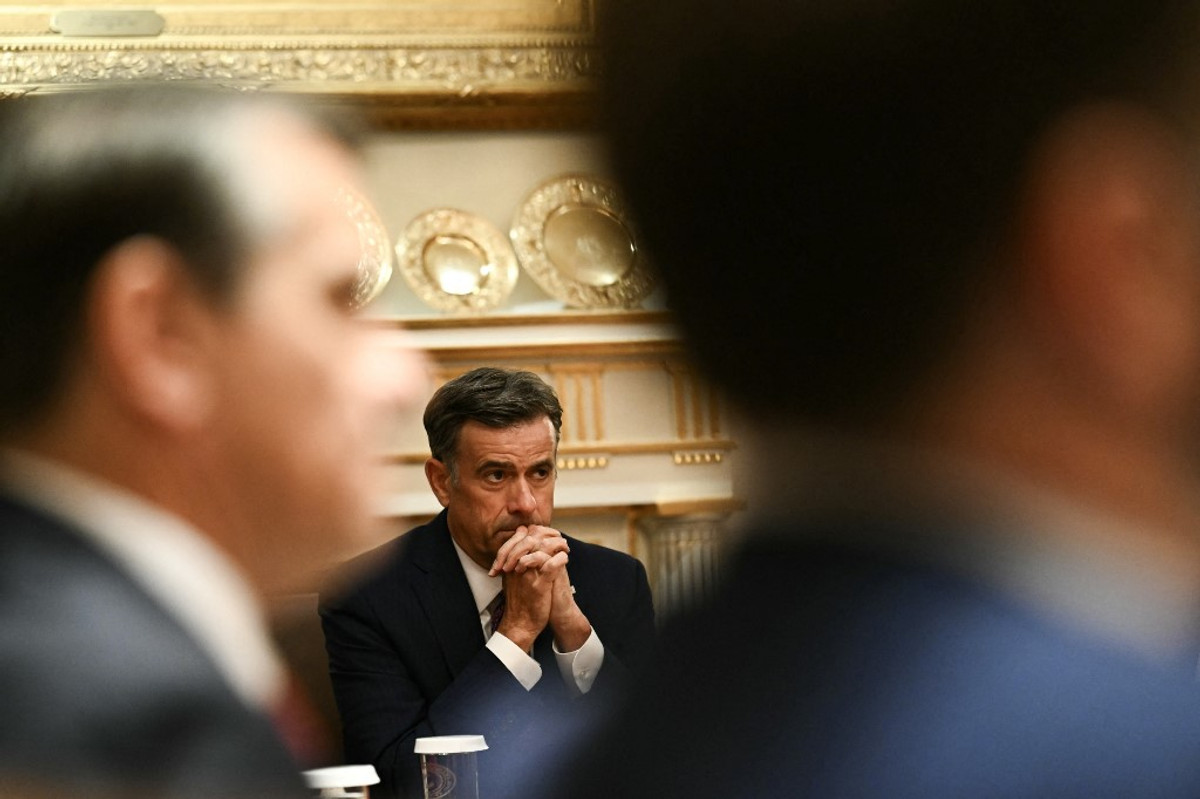
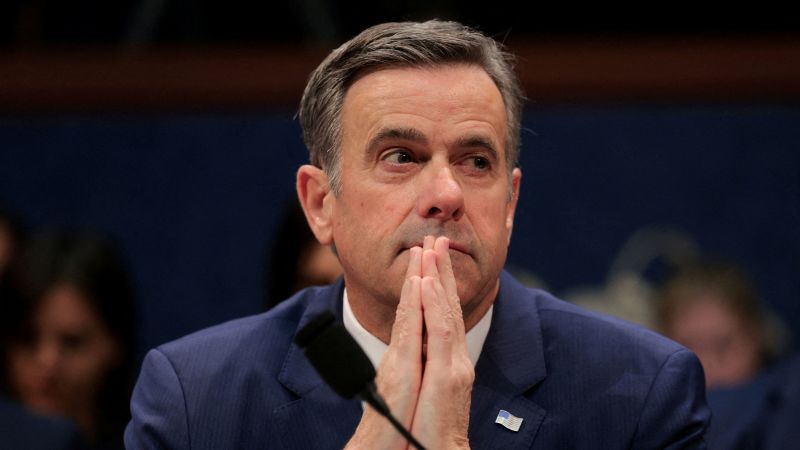
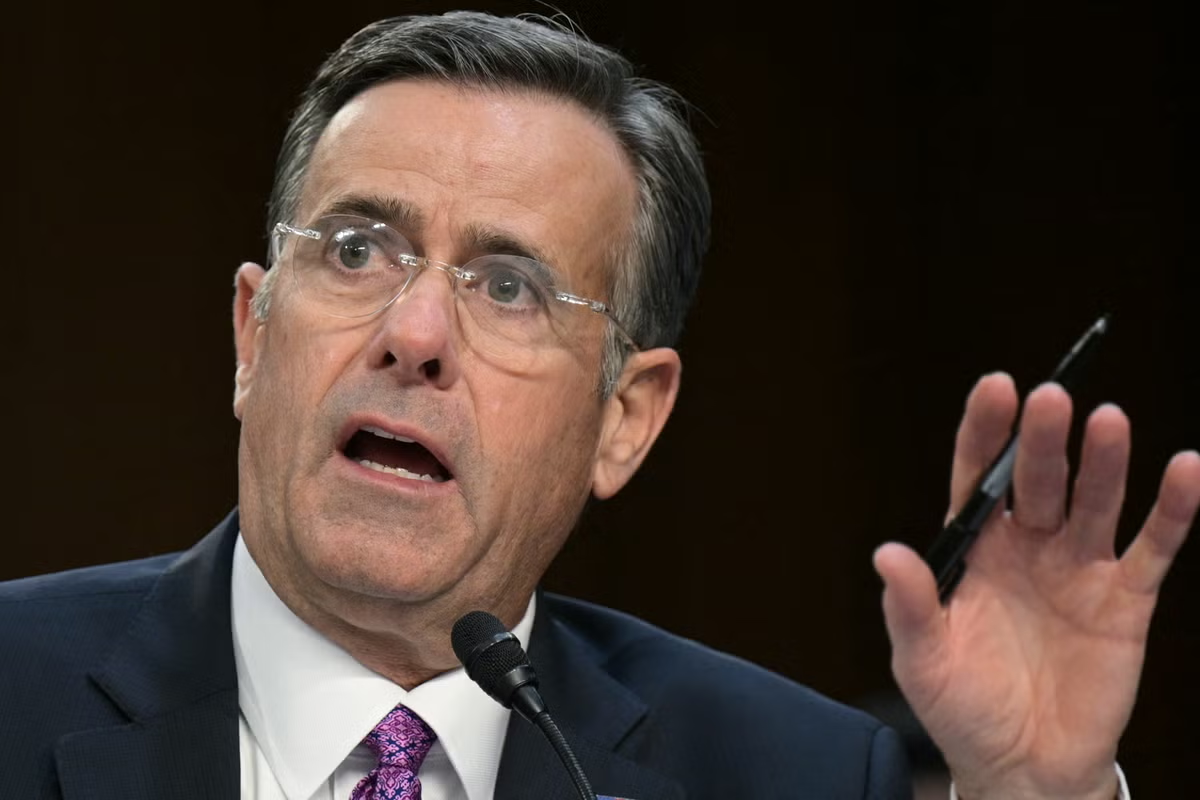
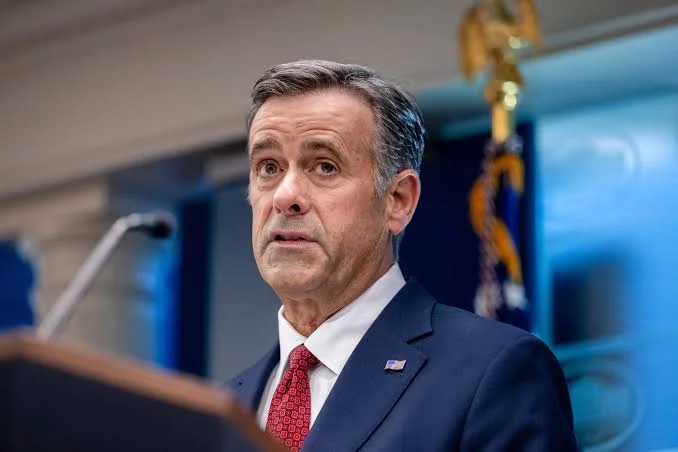
His words sprang to mind when I heard that the director of the US Central Intelligence Agency, John Ratcliffe, had made an unannounced journey to the Russian capital. I don’t think we are close to nuclear conflict but the world is in a bad place. The visit is reassurance that, despite the frictions, we are still able to find ways of communicating with each other. When there are tensions in 2026, when normal diplomacy isn’t working, at least a US President can send in his spymaster to try to lower the temperature.
That meeting in a Moscow flat – a BBC interview with Stanislav Petrov, the Lieutenant-Colonel in command at the centre for the Soviet Union’s nuclear attack early-warning system – offered me a window into what can happen when there are no back channels available to try to reduce room for misunderstanding.
On a fateful September day in 1983, Petrov told me, tensions between East and West were running high as the Cold War was at its most glacial. Three weeks earlier, the Soviets had shot down a Korean Airlines passenger jet, killing all 269 passengers on board, and the Communist leadership believed Nato was formulating an attack, using a long-planned military exercise in Germany, as a springboard. Trust between the two sides was non-existent.