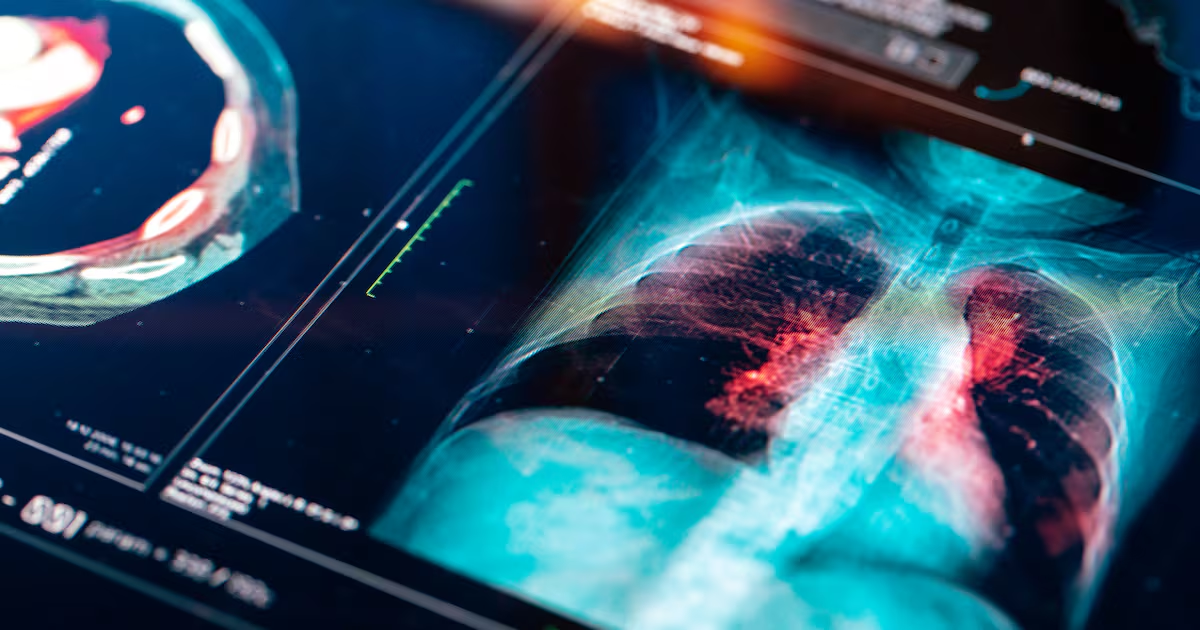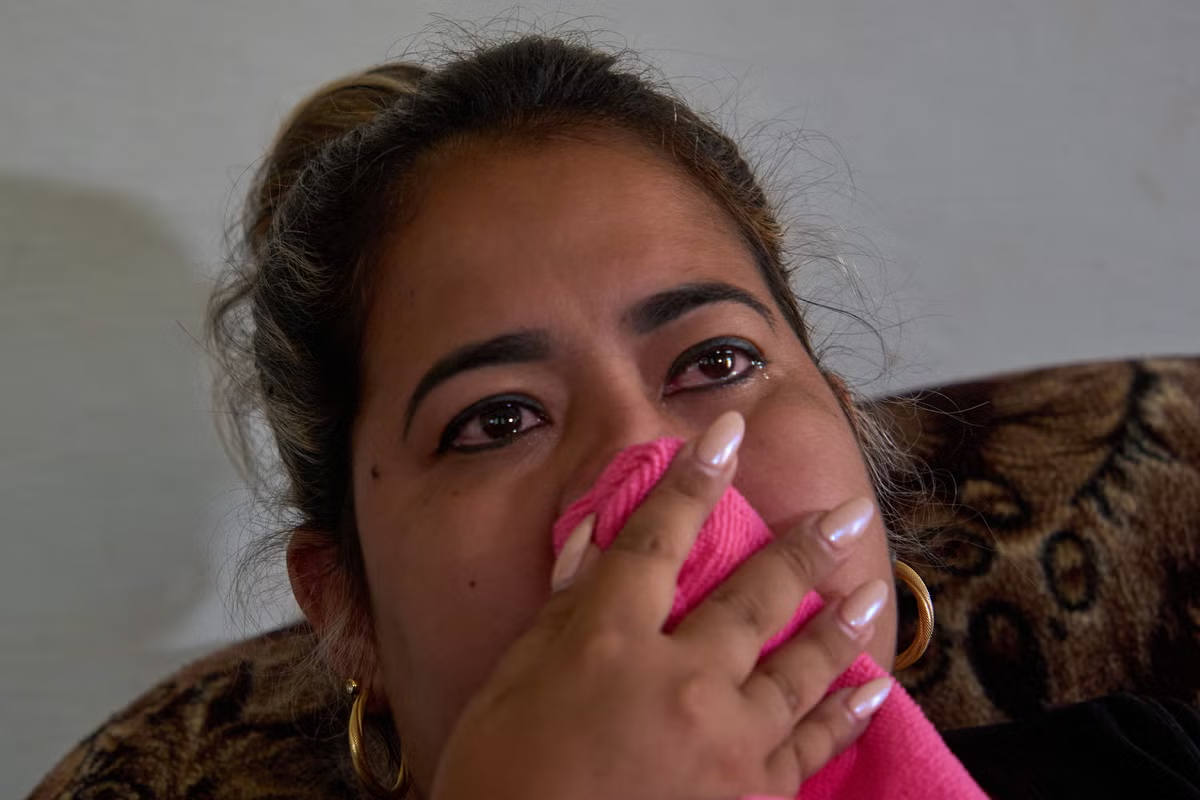
TRINIDAD and Tobago has reached a 'crisis point' in cancer care, with patients reporting lengthy waits for scans, delays in receiving results, and shortages of essential medication, cancer advocate Nicole Dyer-Griffith has said.'Last week, I would have started a call for a national cancer care conversation, and the purpose of starting that call is because I think we've reached a crisis point as it pertains to cancer management in Trinidad and Tobago,' Dyer-Griffith said while speaking with the Express at her Aranjuez office yesterday.Dyer-Griffith, a cancer survivor and former registered nurse, said she has received reports from members of her online cancer support group about difficulties accessing medication and obtaining timely diagnostic tests.The delays, she said, were particularly concerning because cancer patients cannot afford to lose valuable time between diagnosis, testing and treatment.'In some instances, it's as difficult as having to wait almost one year for a scan. I know of two persons, in particular, who have advised me that they have been on a waiting list for a scan for almost a year,' Dyer-Griffith said.She said patients could also face lengthy waits after undergoing a scan before receiving their results.'You don't have the time to sit and wait to do a scan today; if you do get through with a scan today and then wait six weeks thereafter to get the results of that scan,' she said.According to her, such delays could mean that warning signs are missed, and cancer could progress while patients wait for answers.She also raised concerns about reported shortages of medication, including Faslodex, which is used in cancer management, as well as a diminished supply of some reagents required for blood tests.Dyer-Griffith said cancer management did not end when a patient completed the initial phase of treatment.She explained that some patients require ongoing medication and monitoring, including Zometa, an intravenous treatment given every six months to help maintain bone health.'When you have come over the initial thing of cancer, there is a continued management,' she said. 'So it is a challenge.'According to Dyer-Griffith, the difficulties experienced by cancer patients are compounded by anxiety, uncertainty and the financial burden associated with treatment. She said patients who cannot obtain medication through the public healthcare system may be advised to purchase it privately, where the cost can be exorbitant.'The cost of treatment is exponential,' she said, adding that cancer treatment was 'extremely expensive', both in T&T and internationally.'Let's have a conversation to find that solution, so that everyone can be on the same page moving forward,' she said.She is proposing a national consultation involving all stakeholders, including patients, healthcare administrators, Government officials and pharmaceutical companies. Dyer-Griffith said cancer was among the leading causes of death in T&T and therefore warranted greater attention.'All stakeholders should come around,' she said, stressing 'let's host one for cancer care management in Trinidad and Tobago'.Calls to Health Minister Dr Lackram Bodoe for comment yesterday went unanswer
T&T's 'crisis point' in cancer care
TRINIDAD and Tobago has reached a 'crisis point' in cancer care, with patients reporting lengthy waits for scans, delays in receiving results, and shortages of essential medication, cancer advocate Nicole
483 words~2 min read