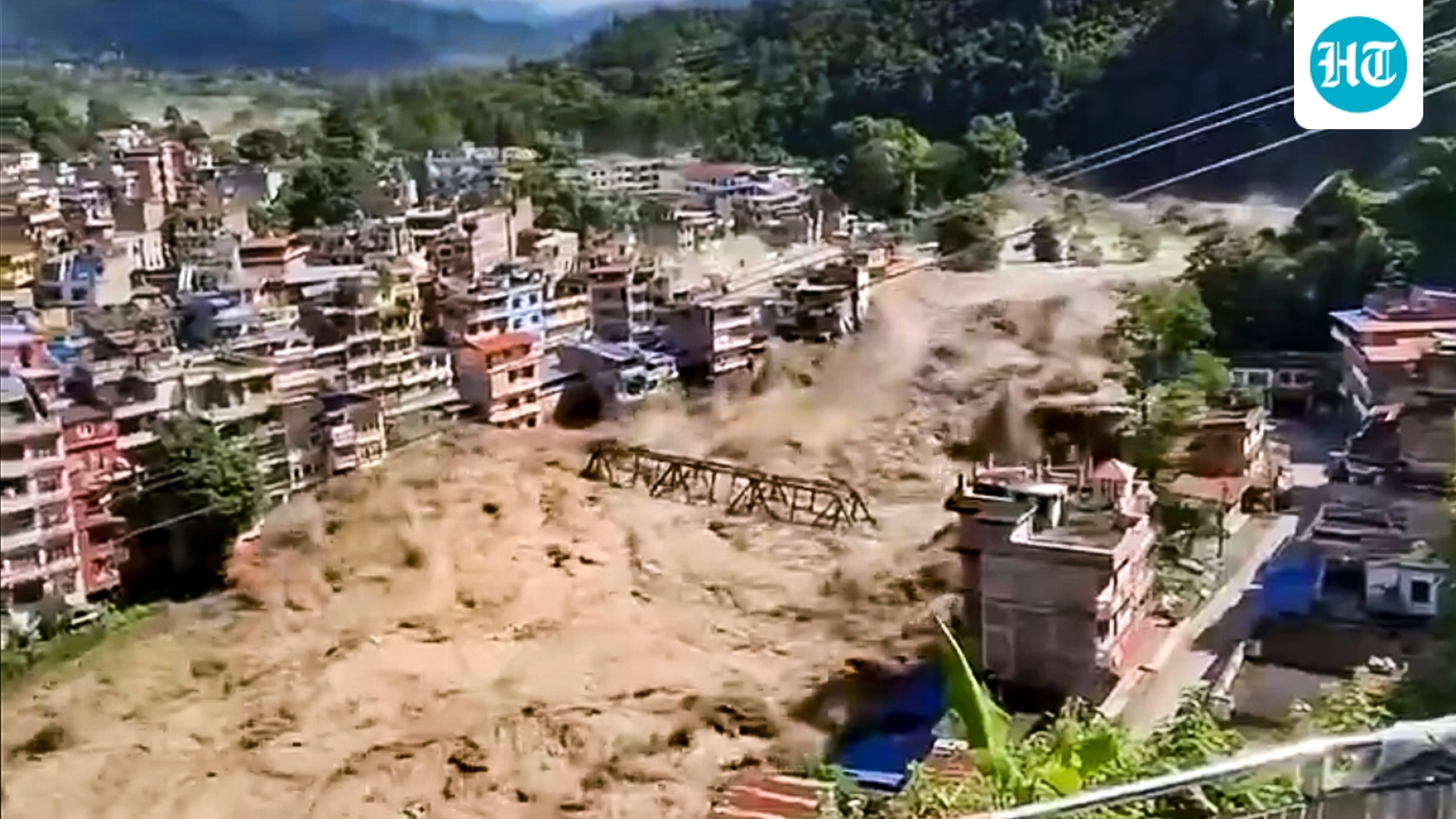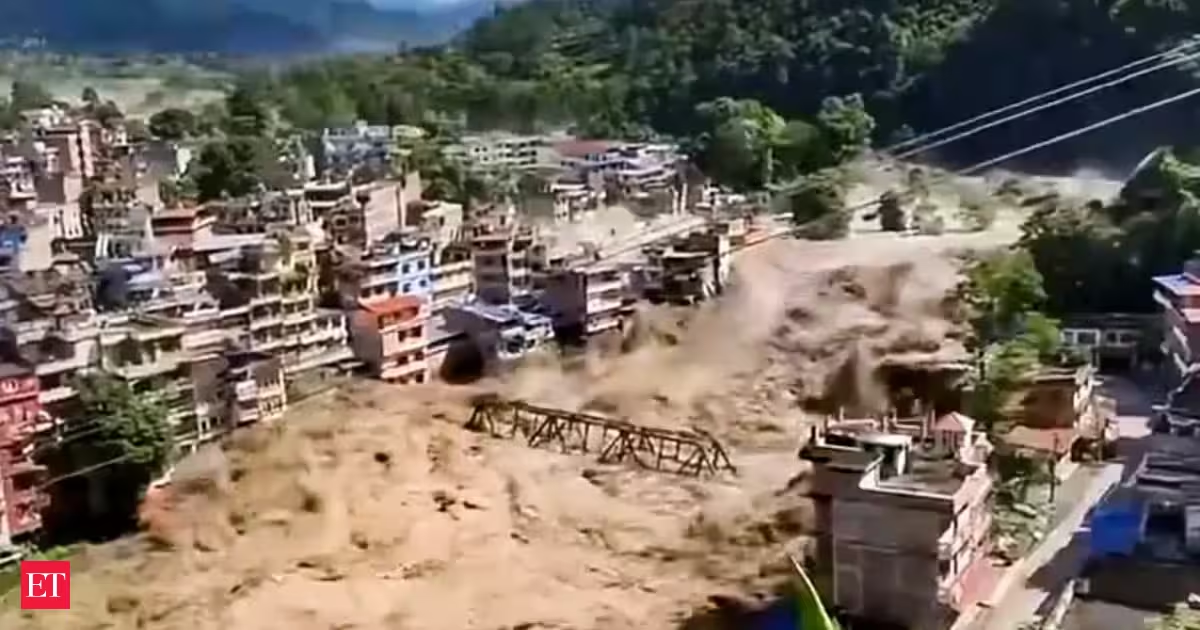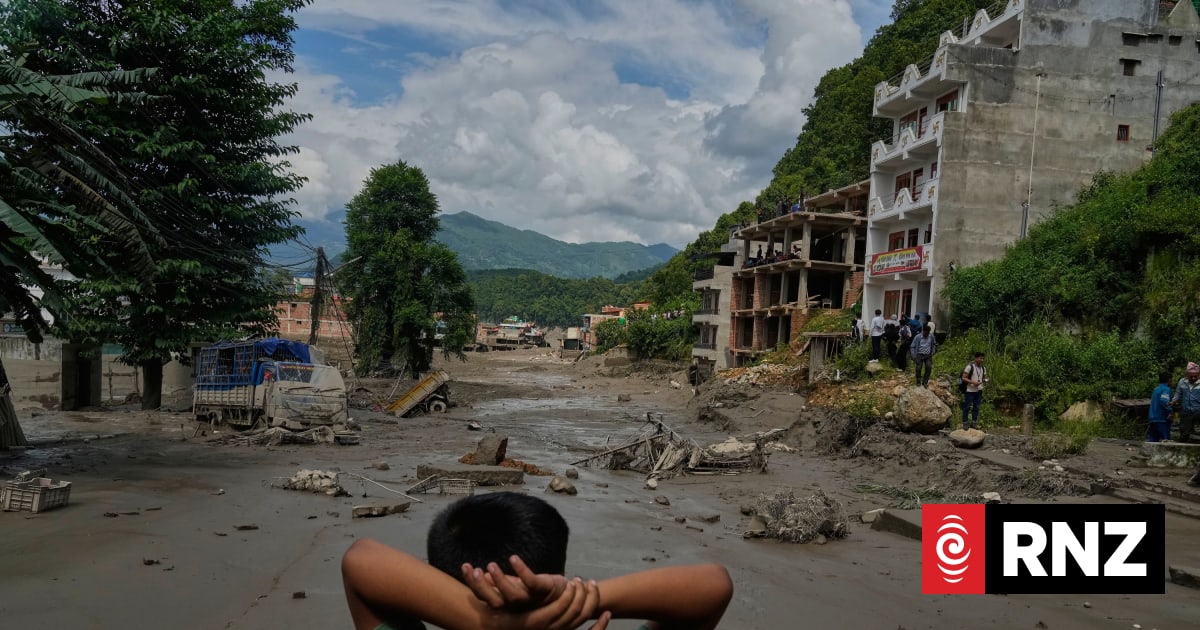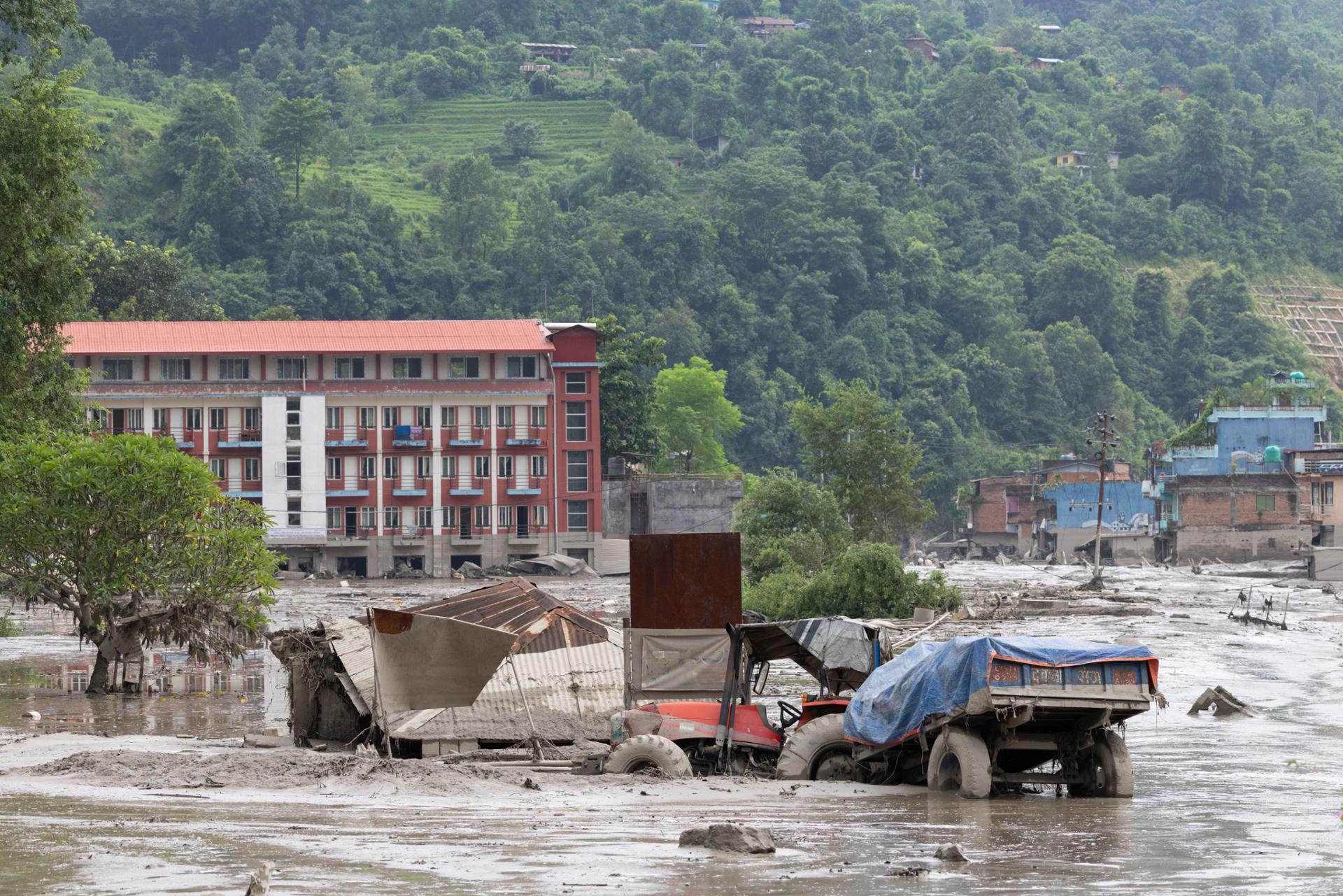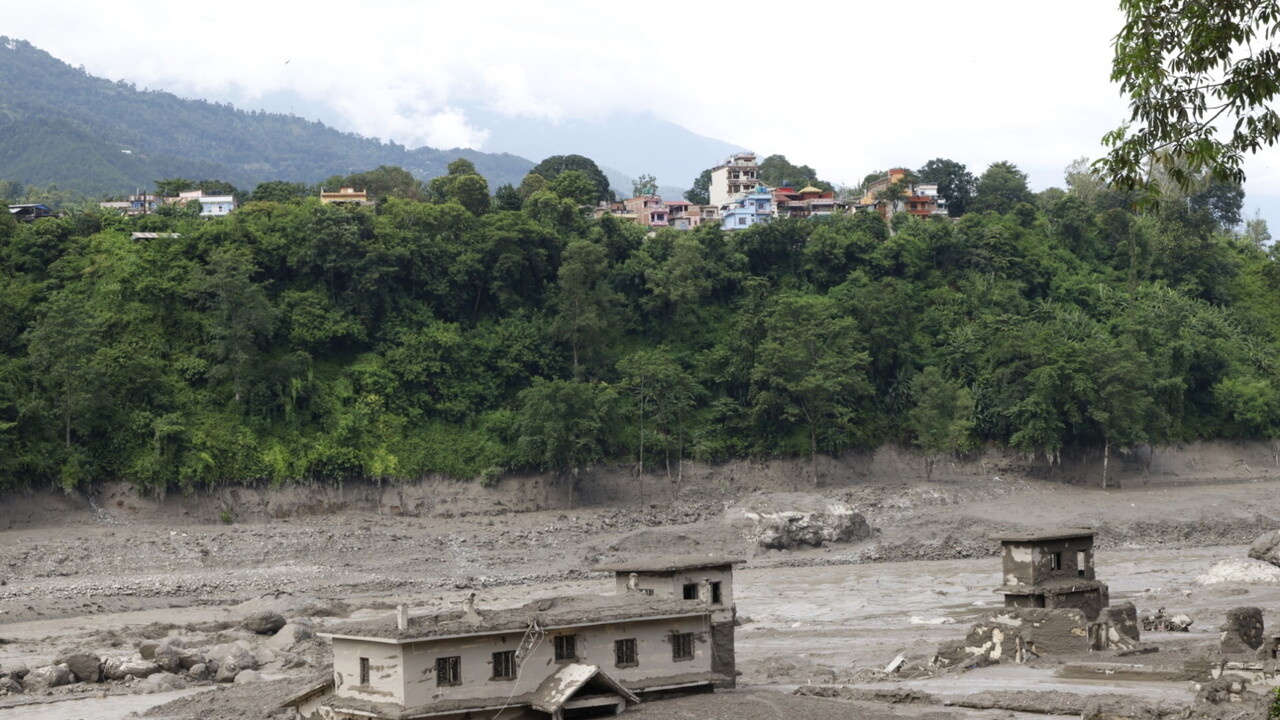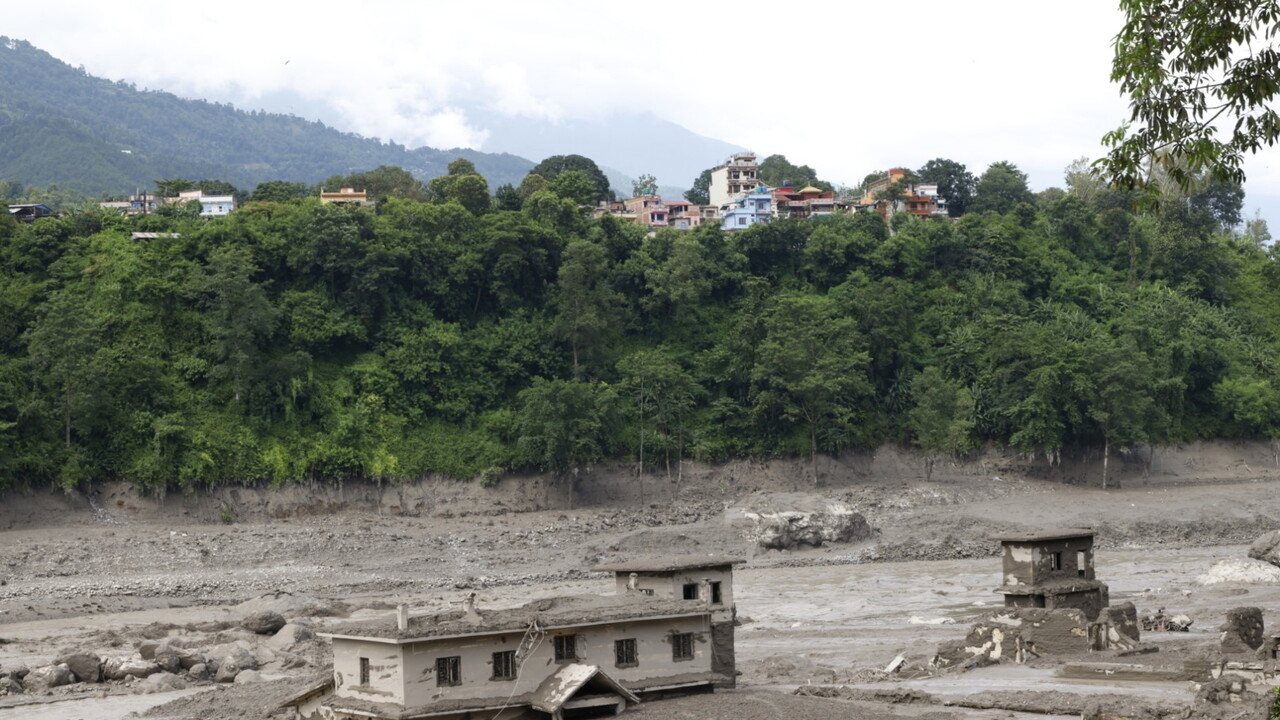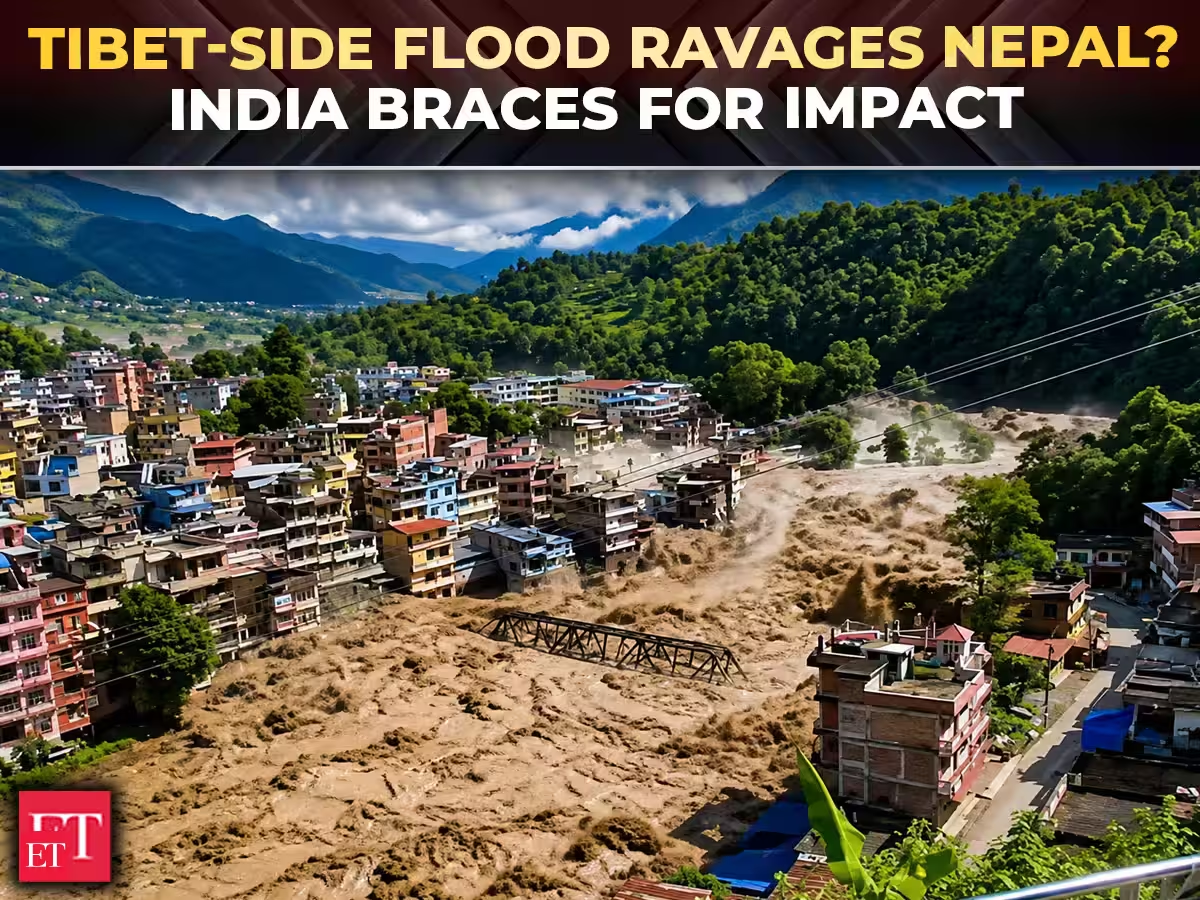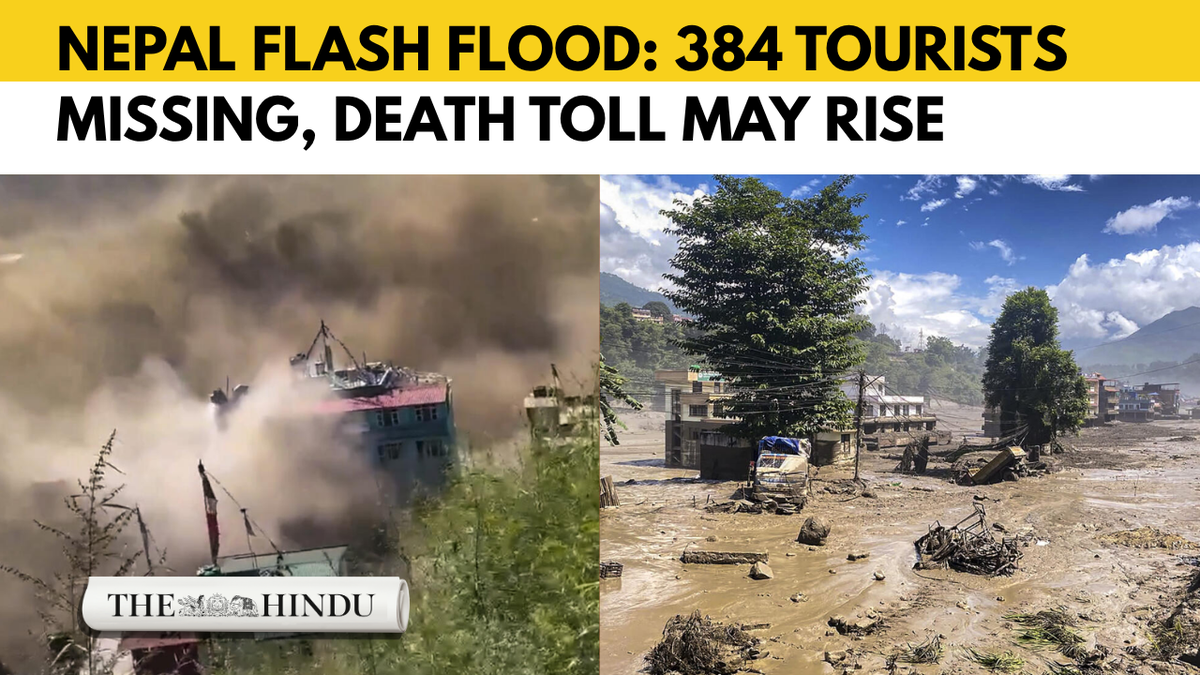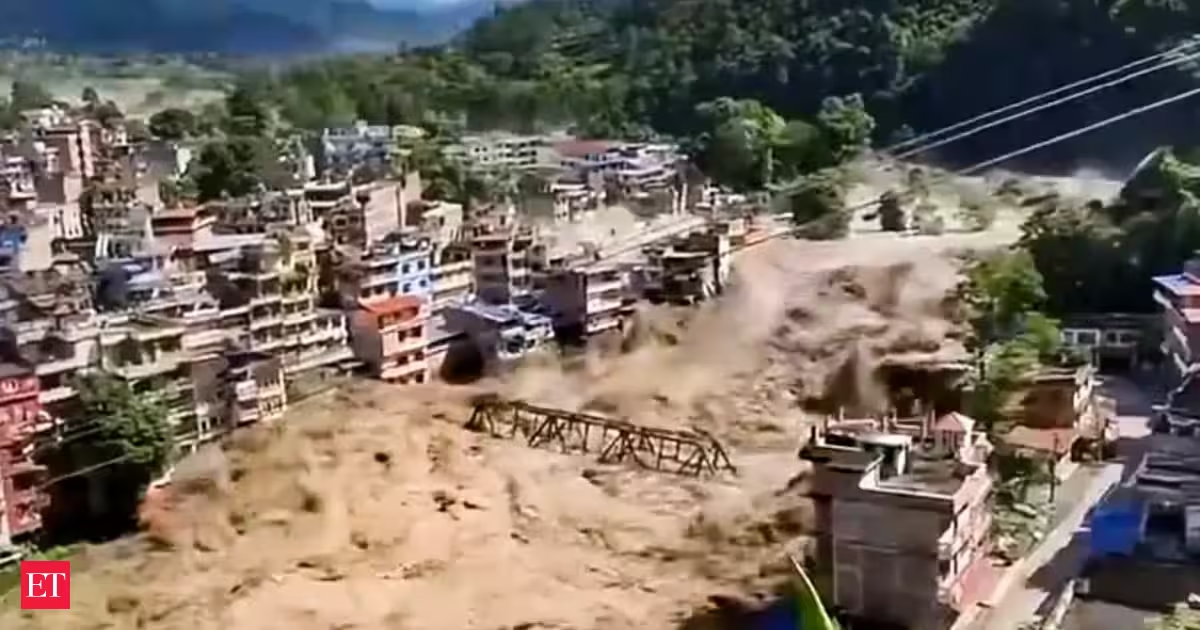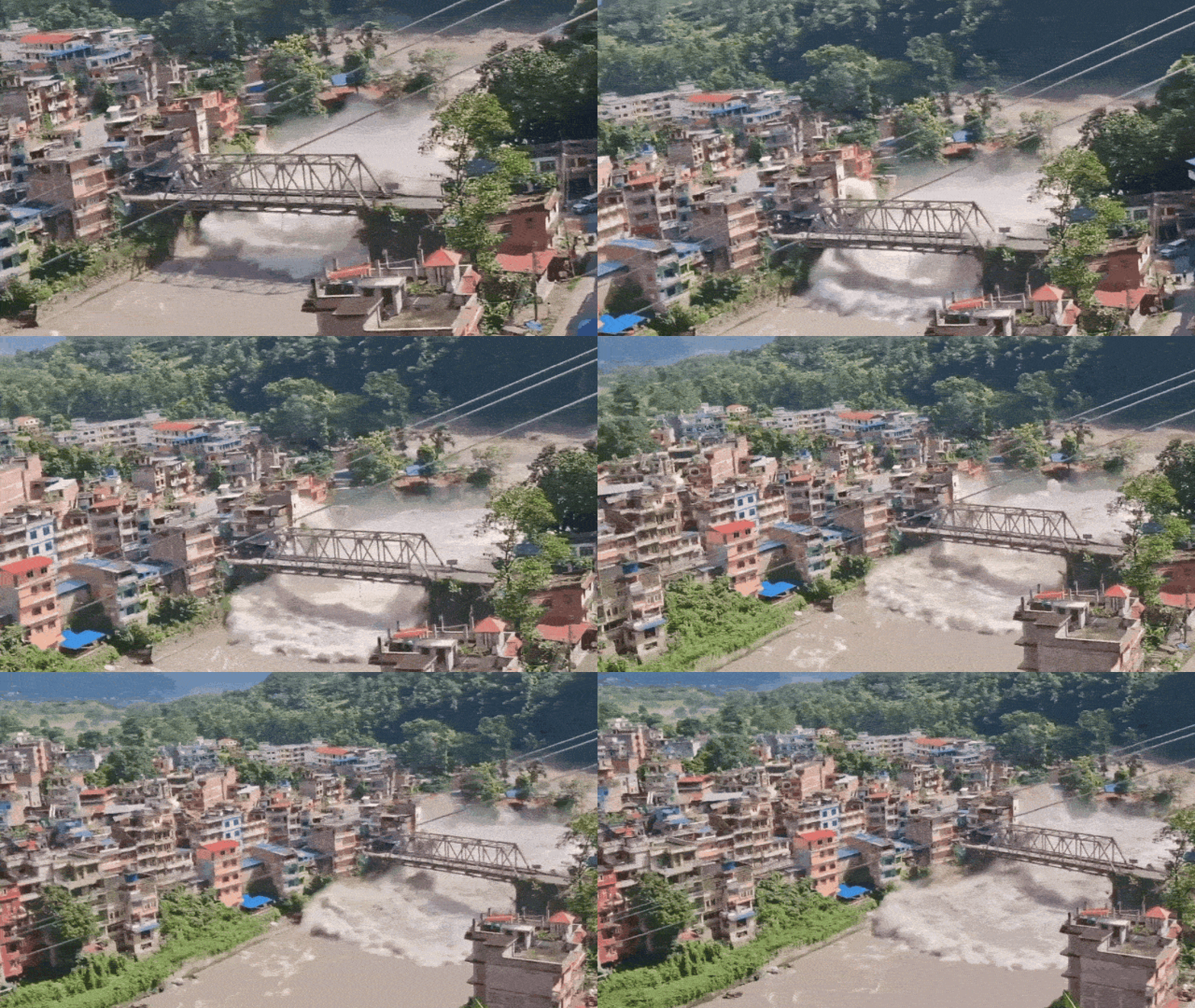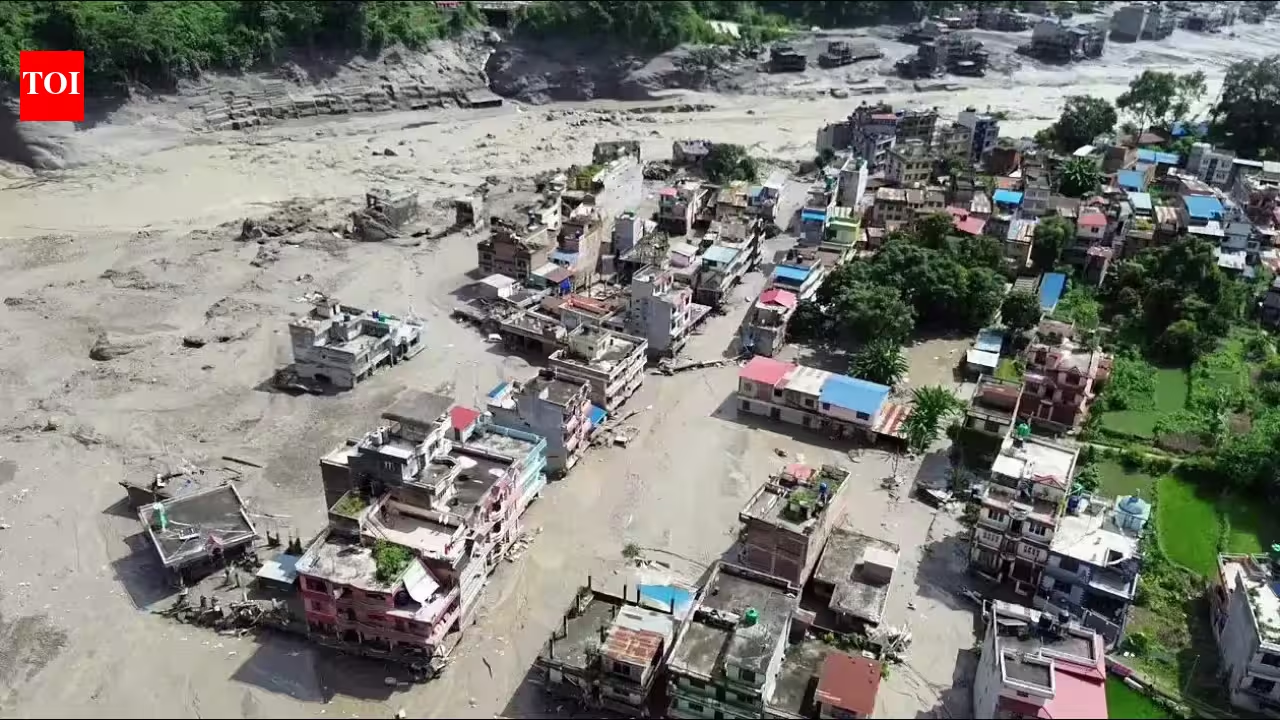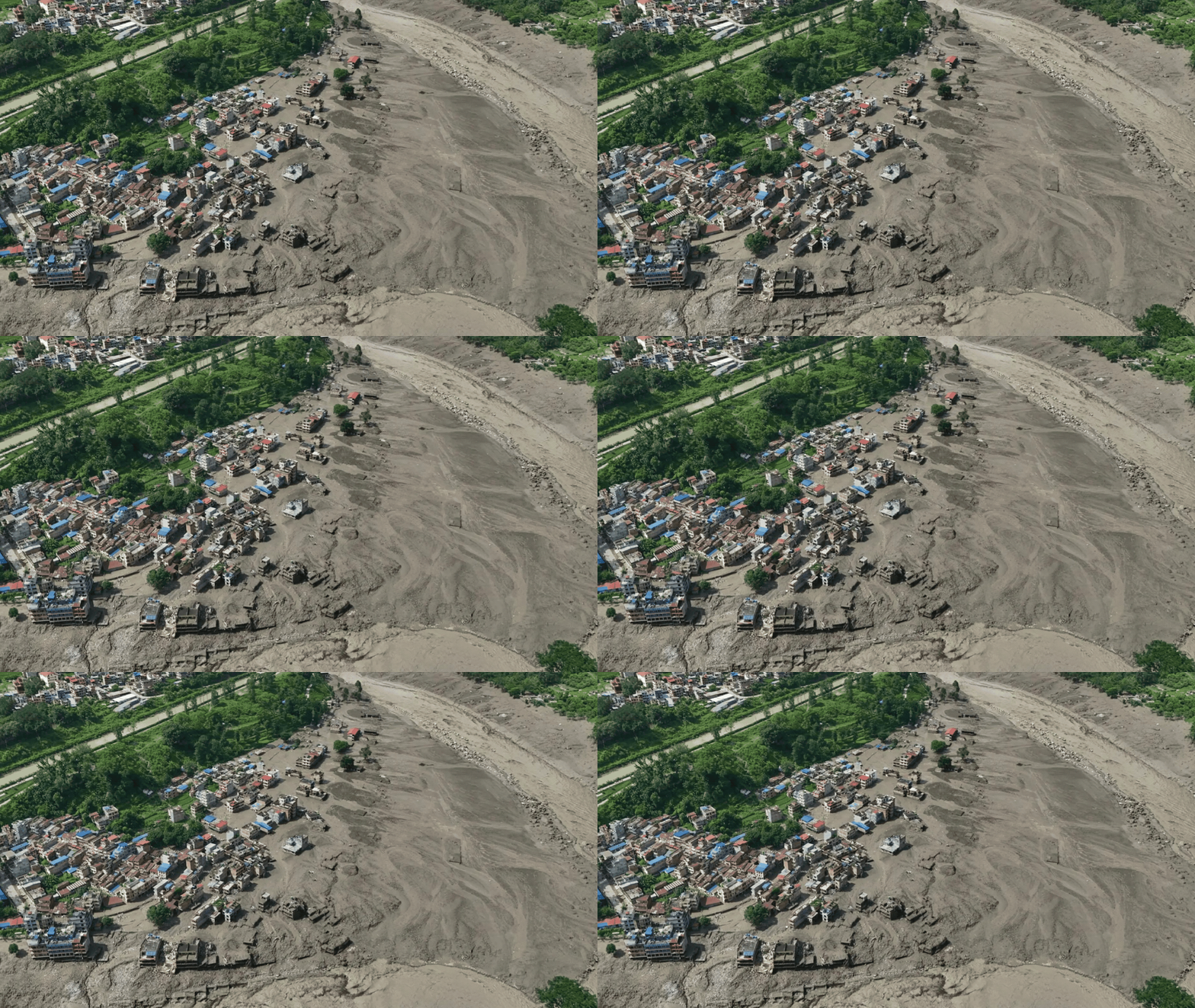
The flood originated in Lhende Khola after an ice-rock avalanche created a temporary blockage upstreamAn ice-rock avalanche from a glacier that blocked Lhende Khola river -- a tributary of Bhotekoshi — and later released a sudden surge emerged as the most likely cause of the flash flood, while scientists investigated whether a 4.4 magnitude earthquake minutes earlier destabilised the high-altitude terrain and triggered the avalanche.Scientists were also examining whether a glacial lake outburst flood (GLOF) higher in the catchment added to the surge, but no GLOF had been confirmed. Heavy rainfall was largely ruled out, with officials saying the affected area had received little to no rain.Climate experts at Kathmandu-based International Centre for Integrated Mountain Development (ICIMOD) said the flood originated in Lhende Khola after an ice-rock avalanche created a temporary blockage upstream. “The Lhende Khola has flooded twice in 14 months, this time triggered by an ice rock avalanche from a glacier on the Nepal side that blocked the river and released a sudden surge downstream,” Saswata Sanyal, a disaster risk reduction specialist at ICIMOD, said.The avalanche apparently created a temporary natural dam in the narrow river gorge. Water accumulated behind ice, rock and debris before the blockage gave way, releasing a sudden mass of water, mud and boulders downstream. Nepal’s flood authorities later said a lake had formed behind the remaining blockage, supporting the assessment that impounded water played a central role in the flood.Nepal foreign minister Shisir Khanal told parliament that initial reports suggested the tremor could have triggered an avalanche and caused the flooding, but scientists had not established a direct causal link.The same Lhende-Bhotekoshi corridor had suffered a similar flash flood on July 8 last year killing at least nine people with19 still missing. Nepal’s National Disaster Risk Reduction and Management Authority later said rapid discharge from a supraglacial lake on Purepu Glacier in Tibet, around 35km upstream of Nepal-China border, triggered that flood.
Ice-rock avalanche likely triggered Bhotekoshi flood; quake link under probe
An ice-rock avalanche from a glacier that blocked Lhende Khola river -- a tributary of Bhotekoshi — and later released a sudden surge emerged as the most likely cause of the flash flood, while scientists investigated whether a 4.4 magnitude earthquake minutes earlier destabilised the high-altitude terrain and triggered the avalanche.
319 words~1 min read