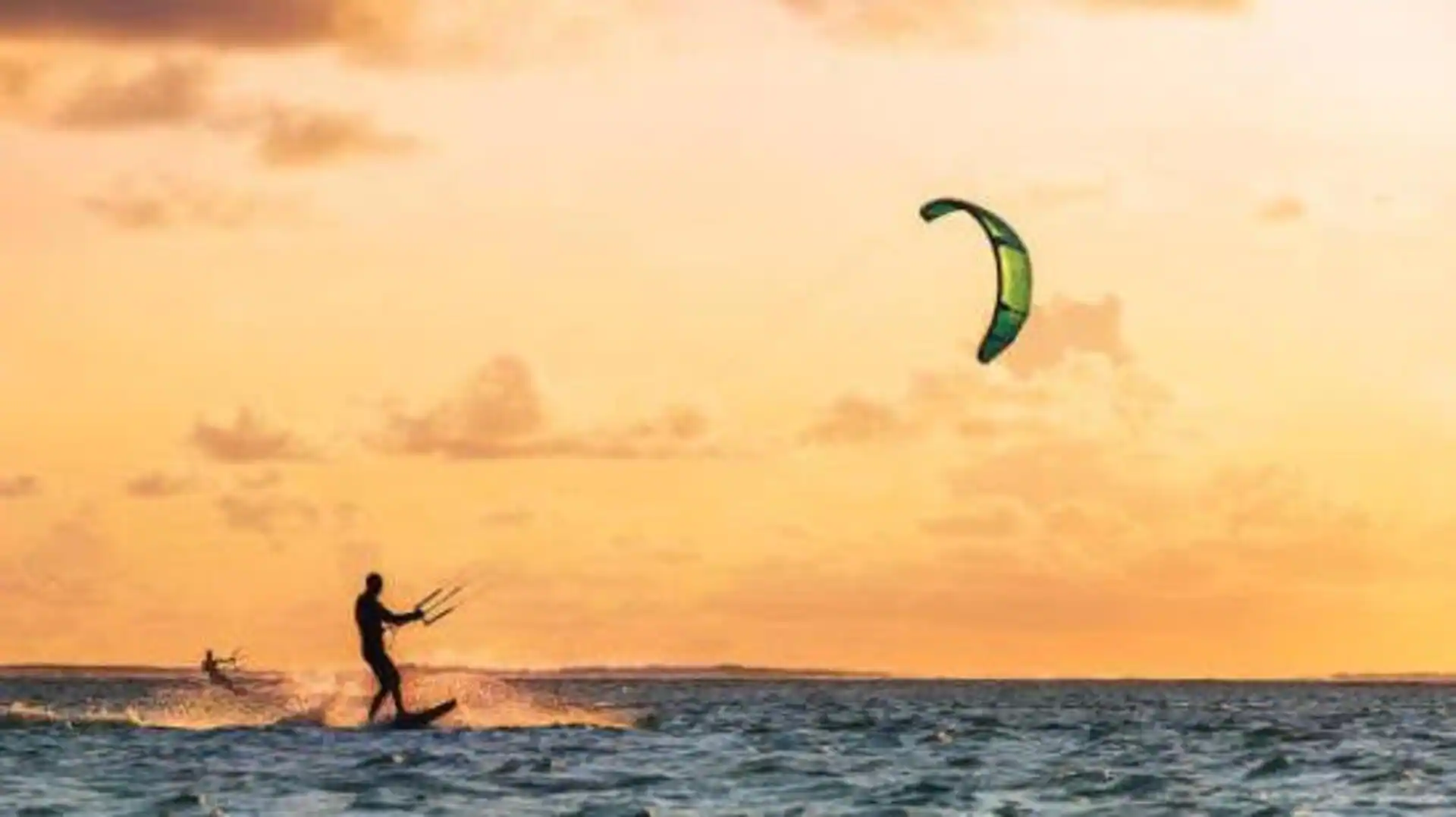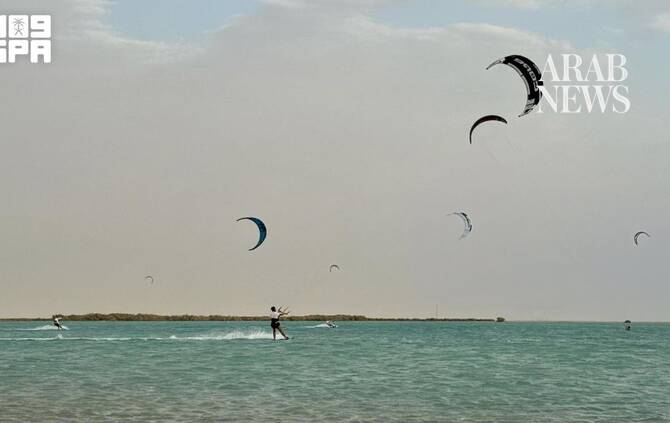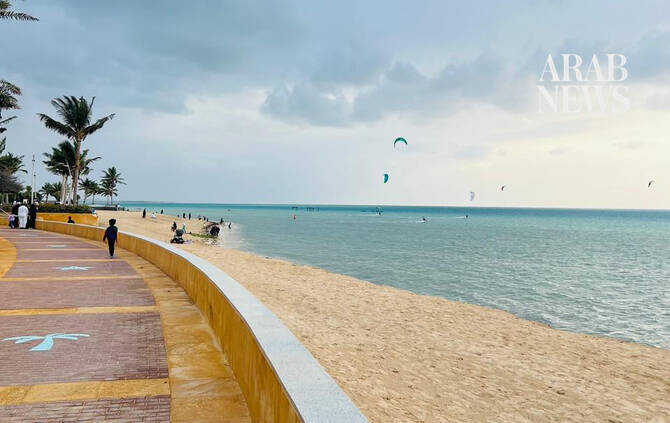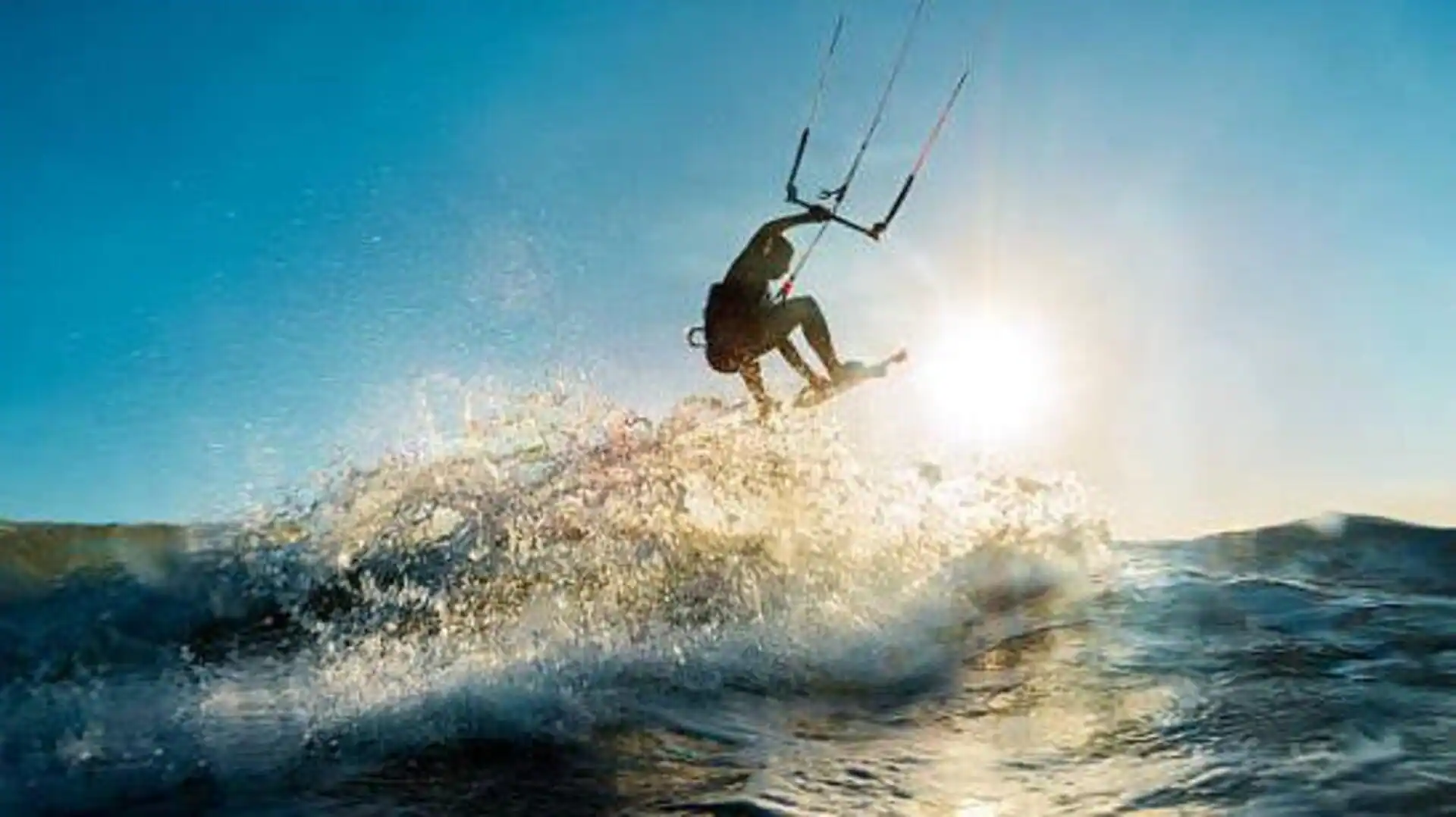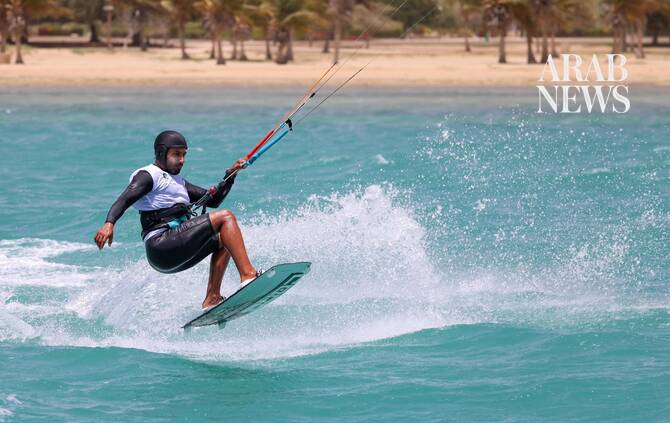
MAKKAH: Every weekend along the shores of Al-Shuaiba, vivid modern canopy kites catch the thermal winds of the Red Sea, carving sharp arcs across the skyline. Below them, young athletes skim turquoise waters on specialized boards, executing high-speed maneuvers and gravity-defying jumps.
Once a quiet coastal retreat for families escaping Makkah’s urban pace, Al-Shuaiba has become a dynamic hub for one of the world’s fastest-growing water sports.
Kitesurfing — where riders harness wind power via a canopy kite to glide across the water —combines raw physical power with precision mechanics.
Recent advances in safety quick-releases, ergonomic harness designs and aerodynamically refined leading-edge inflatable kites have dramatically lowered the barrier to entry, turning what was once a niche extreme sport into an enticing thrill for Makkah’s young adventure seekers.
Yet mastering the Red Sea requires more than just adrenaline; it demands a deep technical understanding of maritime weather. Before entering the water, riders spend considerable time on the sand assessing wind velocity, tracking direction changes and laying out control lines. Every piece of equipment — from line tension to kite inflation — must be checked to ensure safety and responsive handling once airborne.