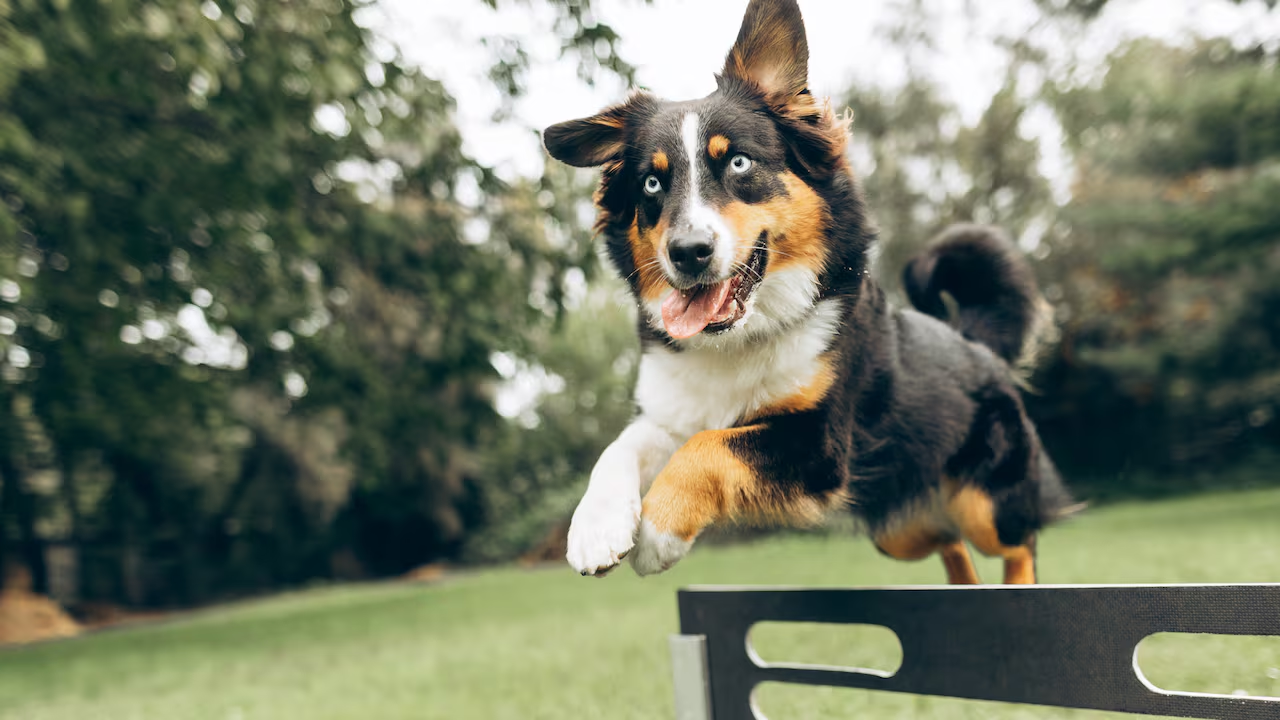
With ADHD in the spotlight, some dog owners are wondering if their pet could show similar symptoms - a vet explains the signs of canine hyperactivity to look out for and when to seek advice15:54, 26 Aug 2026Is your dog always on the go, struggling to sit still and constantly bouncing off the walls? You might have found yourself wondering whether something more than high spirits is at play. As conversations around ADHD continue to grow - fuelled in part by Channel 4's documentary The Great ADHD Myth? - increasing numbers of pet owners are turning their attention to their dogs, asking whether their four-legged companions could be experiencing something similar.It is a question that veterinary experts are hearing more and more. Dr Guy Sandelowsky, a practising vet, OMNI co-founder and widely known as The Dog Doctor, says that while dogs can indeed display behaviours that mirror some ADHD traits seen in humans, owners need to think carefully before drawing firm conclusions about what is really going on with their pet.Can dogs actually have ADHD?"Dogs can display behaviours that look remarkably similar to some of the features associated with ADHD in people, including hyperactivity, impulsivity and difficulty maintaining attention. In veterinary behavioural medicine, we would generally talk about hyperactivity, hyperkinesis or impulsivity rather than diagnosing a dog with human ADHD. That said, owners shouldn't assume that a very energetic or easily distracted dog has a medical condition."What are the signs?"Things owners might notice include an unusual inability to settle, constant activity, very short attention span, excessive excitability, impulsive behaviour and difficulty concentrating even in relatively calm environments."The key word is unusual. A young Labrador getting wildly excited when someone comes through the door is very different from a dog that seems almost incapable of settling or regulating its behaviour throughout everyday life."ADHD or simply a lively dog?"A lot of completely normal dog behaviour can also be mistaken for a disorder. Boredom, insufficient exercise, anxiety, frustration and lack of appropriate mental stimulation can all result in behaviours that look superficially similar. Before attaching a label to the dog, we need to look at exercise, enrichment, sleep, training, environment and emotional state."Age and breed can also be factors. Dr Guy adds:Article continues below"Puppies and adolescent dogs naturally tend to be more energetic, impulsive and distractible. That doesn't mean certain breeds 'have ADHD'. It means we have to judge behaviour in the context of what is normal for that individual dog, its age and its breed."What should dog owners do?"I wouldn't recommend trying to diagnose your dog from a TikTok checklist. If the behaviour is persistent, extreme or affecting the dog's welfare or the owner's ability to manage them, speak to your vet. One of the most useful things owners can do beforehand is take videos and keep a short behaviour diary. Record when the behaviour happens, what happened immediately beforehand, how much exercise and sleep the dog has had, and how long it takes them to settle."
'I'm a vet and there's certain signs that could mean your dog has ADHD'
With ADHD in the spotlight, some dog owners are wondering if their pet could show similar symptoms - a vet explains the signs of canine hyperactivity to look out for and when to seek advice
495 words~2 min read