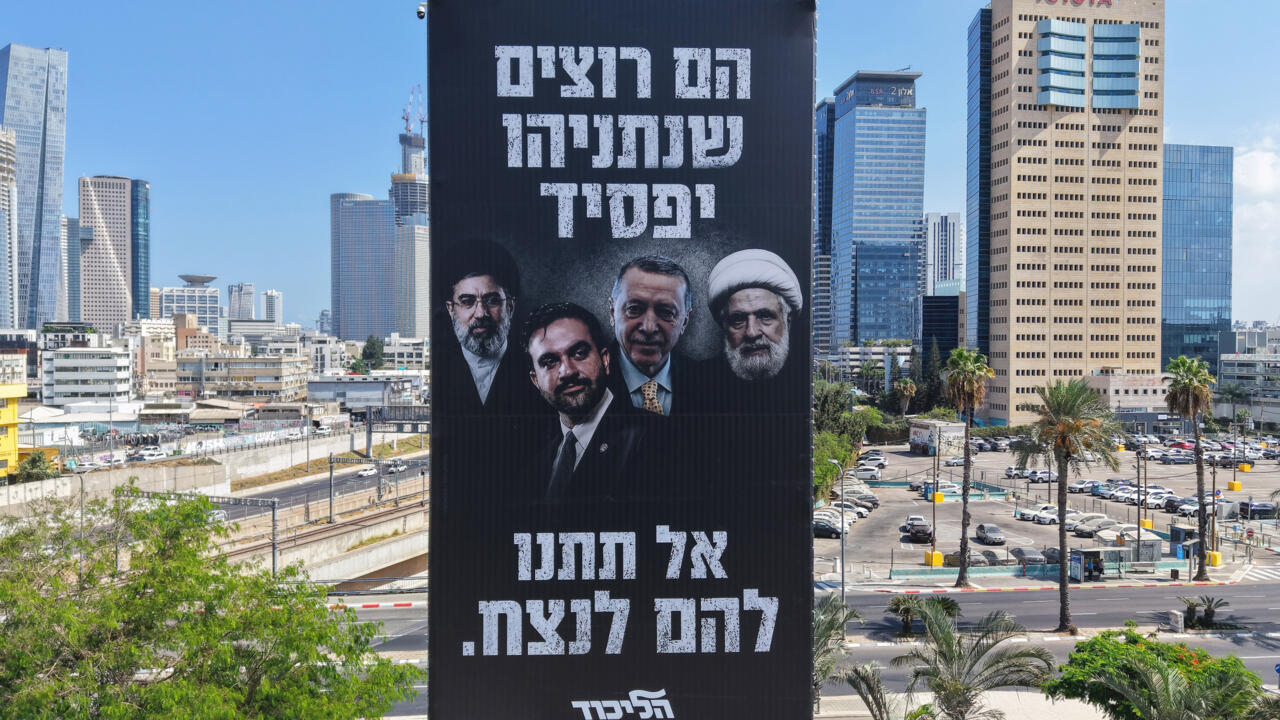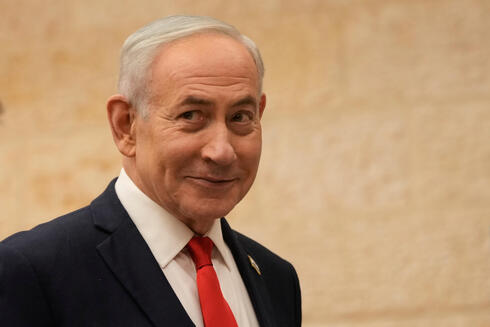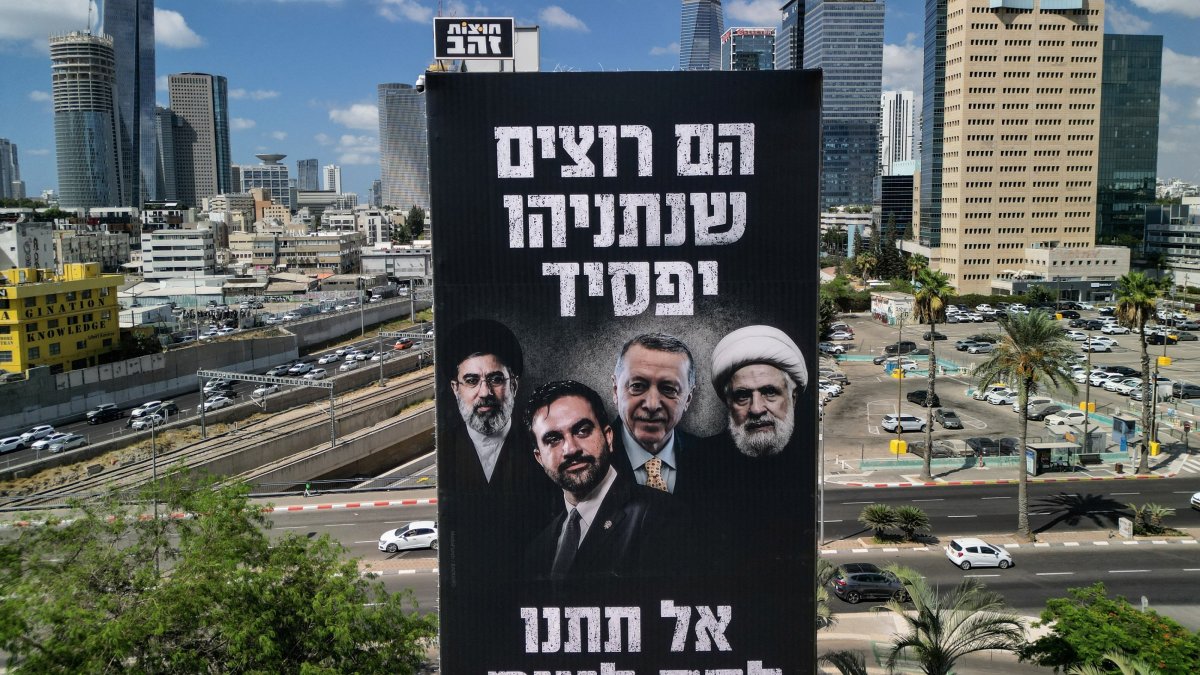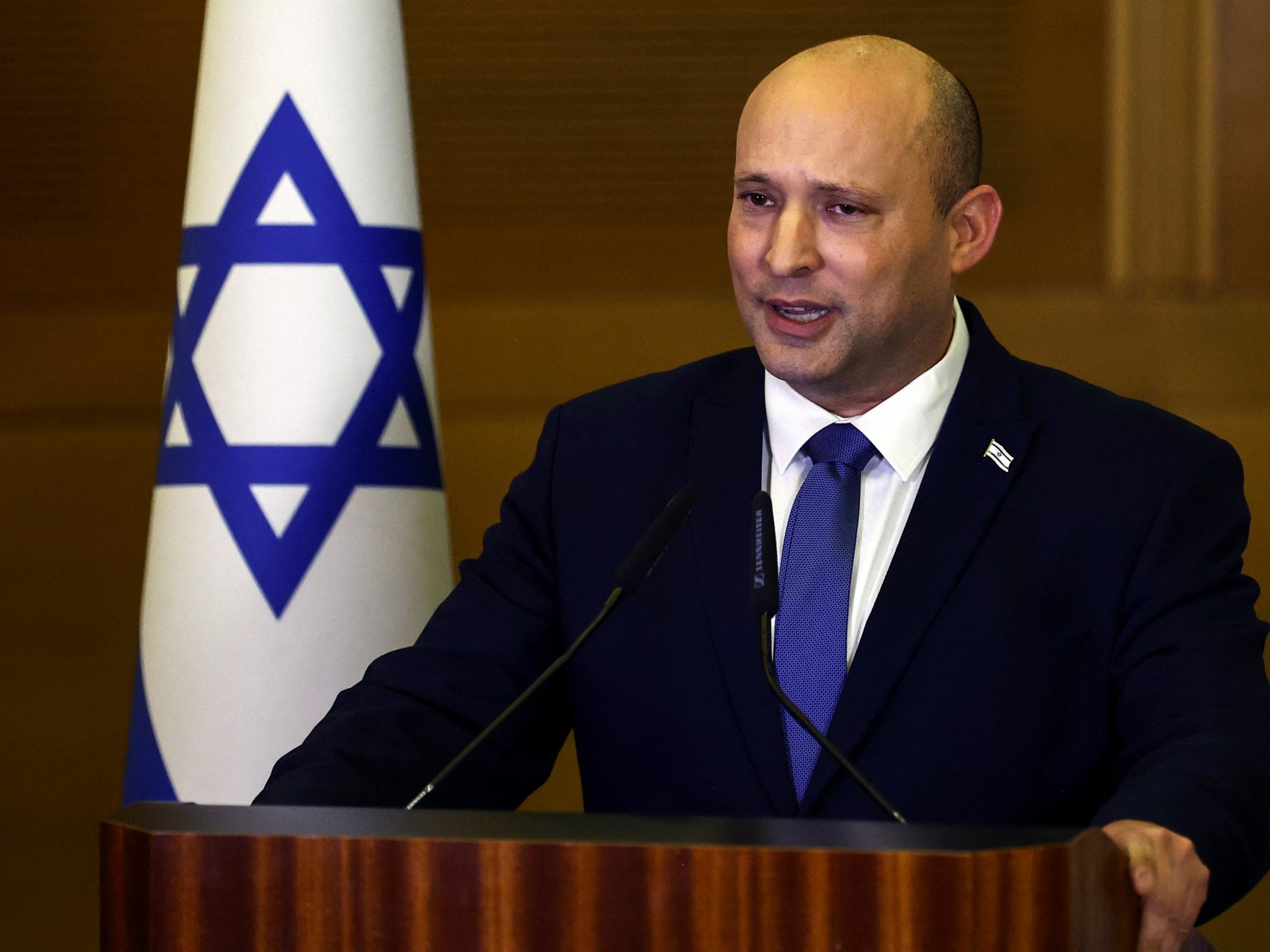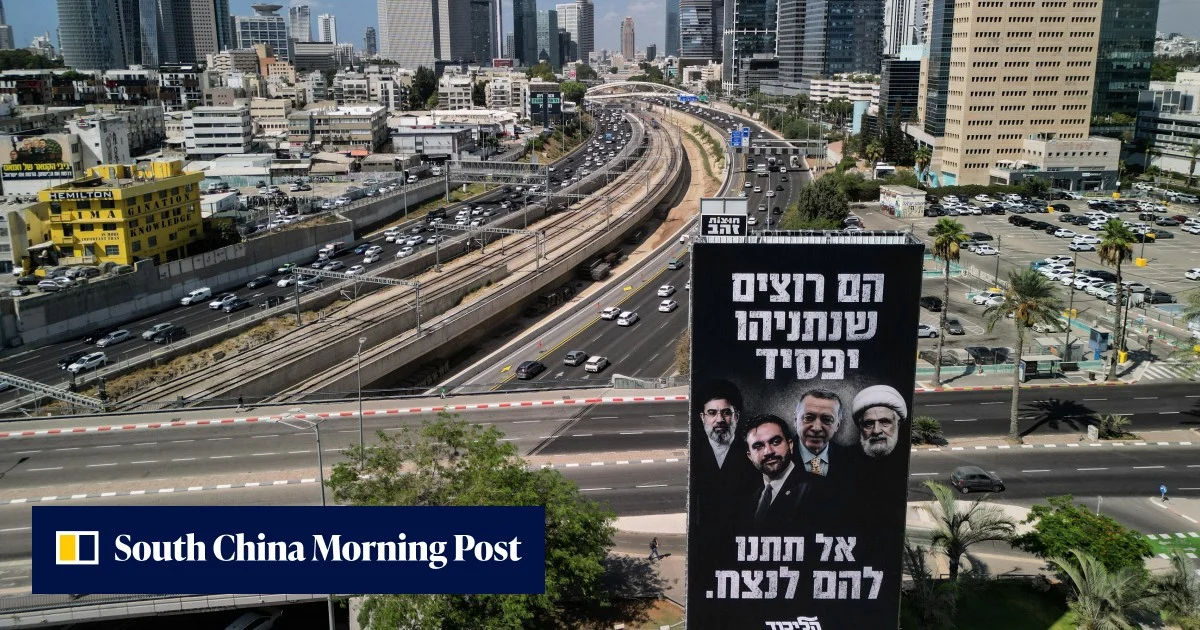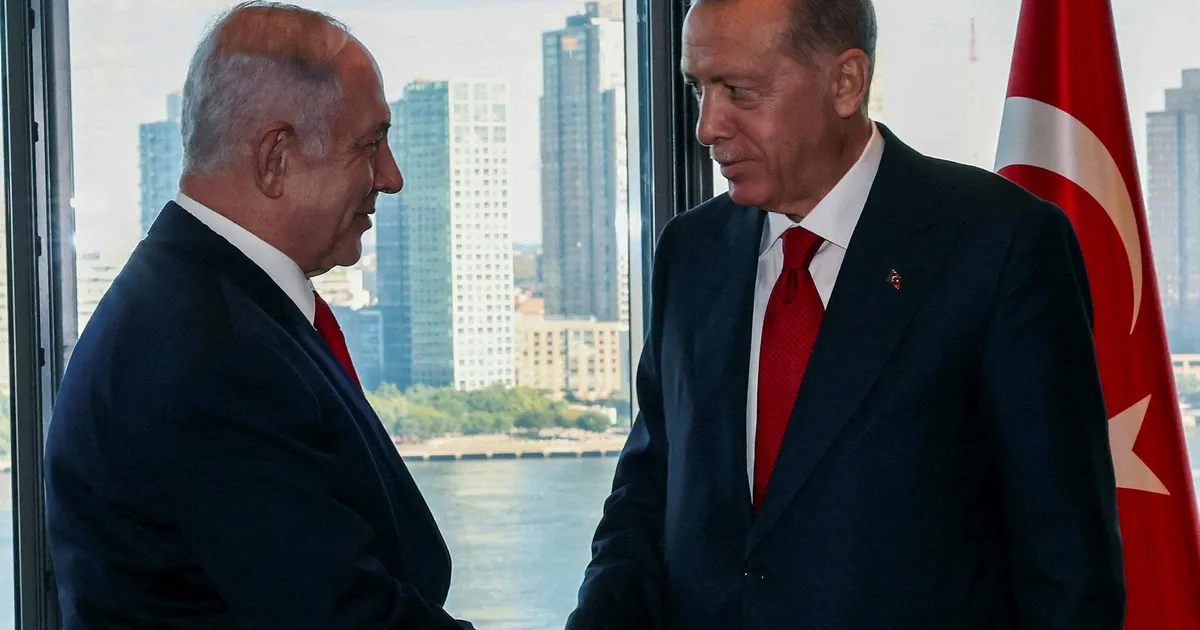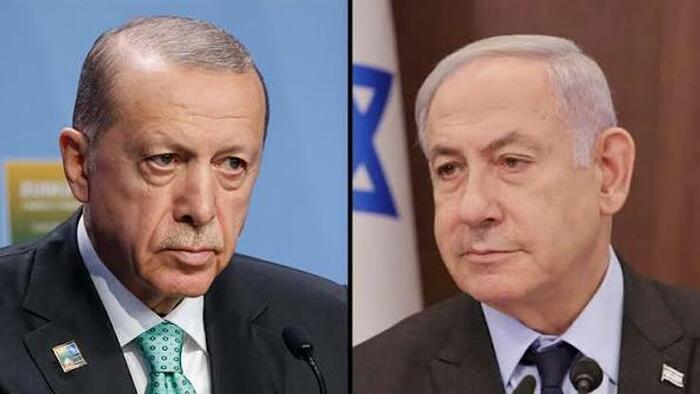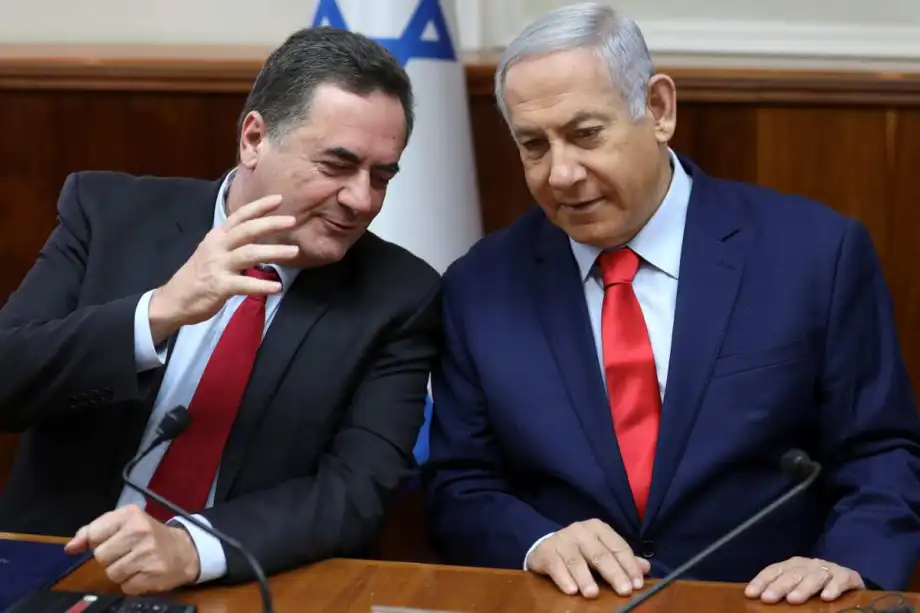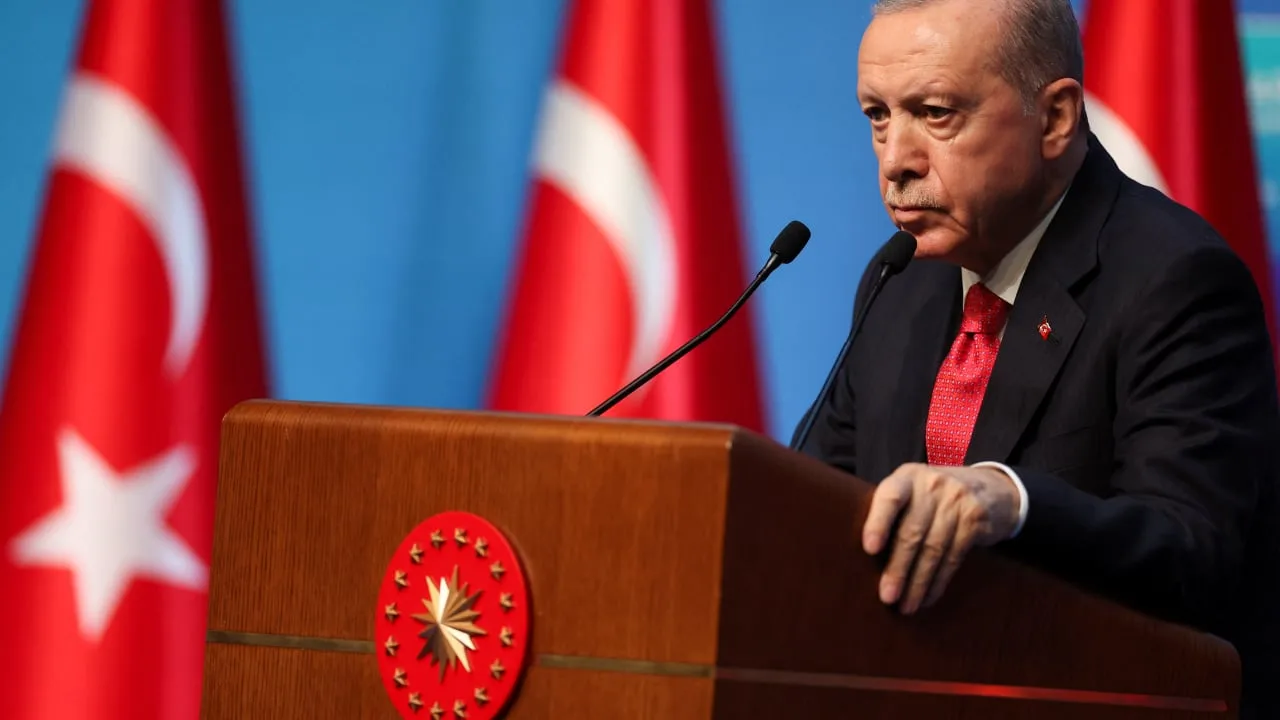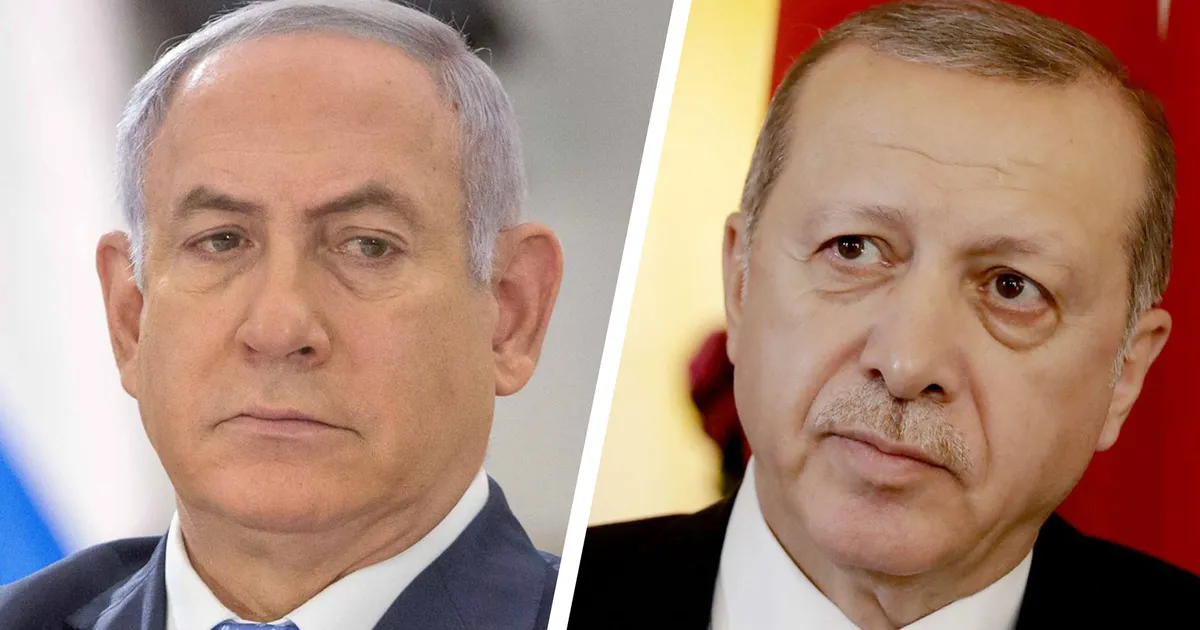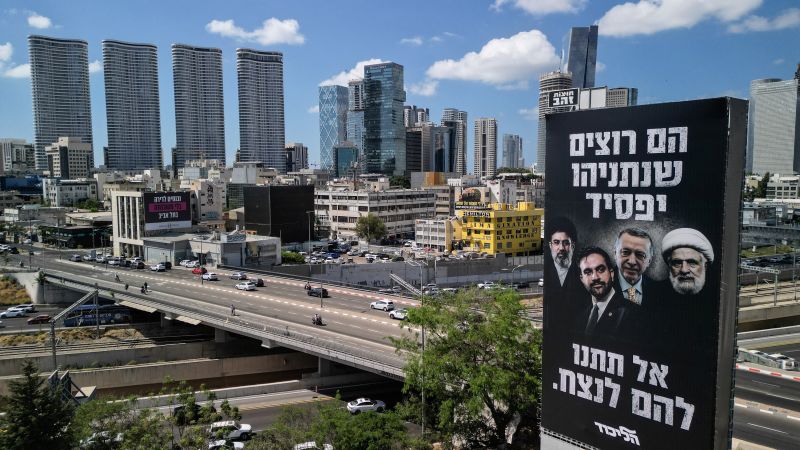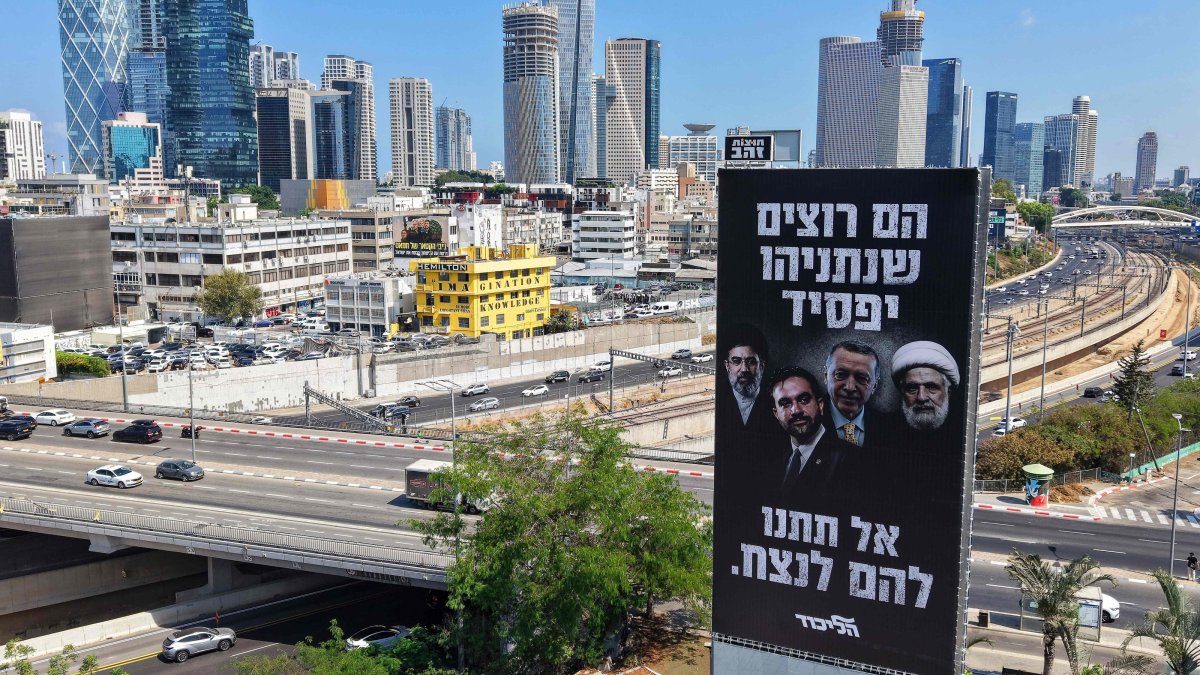
In recent days, Israel’s actions have increasingly raised the risk of tension and conflict across the Middle East. The extent to which this has evolved into a deliberate “politics of threat” ahead of Israel’s Oct. 27 elections is certainly noteworthy. Yet, are elections the only factor shaping Netanyahu’s policy? In my view, they are not.
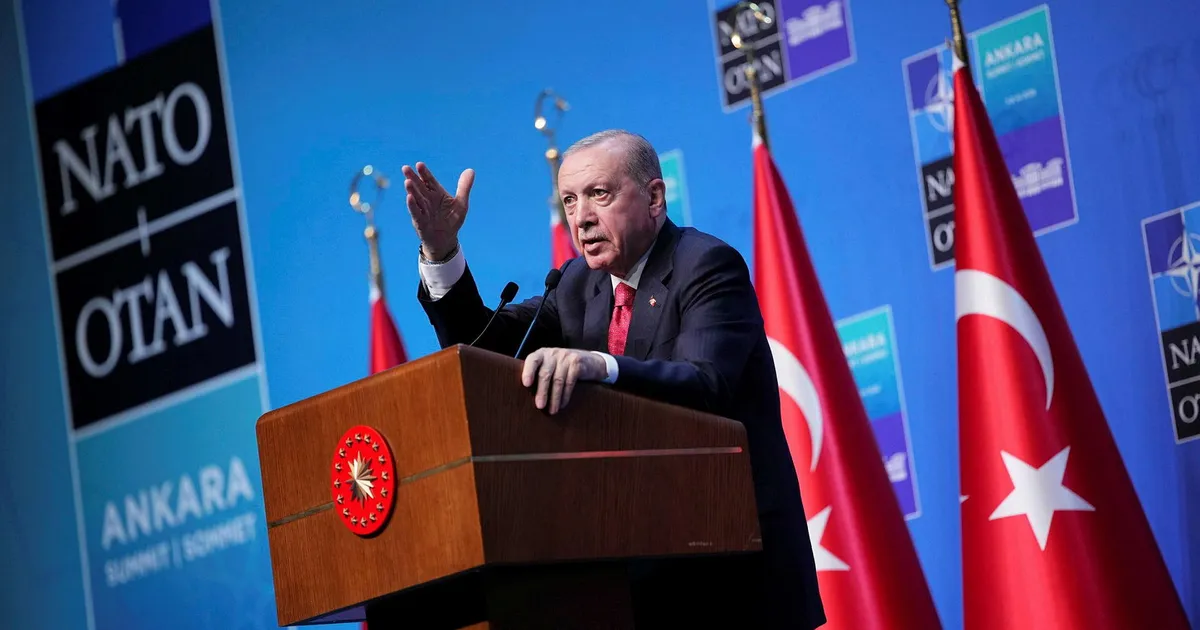
The broader issue lies in the changing power dynamics across the Middle East and, more broadly, the emerging geopolitical balance throughout Afro-Eurasia. From this perspective, Israel’s Aug. 18 strikes on Syria’s Abu al-Duhur air base should be considered within a much wider geopolitical framework. The attack is particularly significant because the base had been out of service for a considerable period. Israel was therefore not targeting an active military capability; rather, it was targeting a potential capability that could emerge in the future with Türkiye’s support. Israel claimed that Syria was preparing to allow the deployment of Turkish troops at the facility.
Damascus rejected this claim, while Syrian Foreign Minister Asaad al-Shaibani stated that Abu al-Duhur was being rehabilitated for the Syrian Air Force and that there were no plans to establish a permanent Turkish military base there. Nevertheless, the Netanyahu government’s portrayal of Türkiye’s growing presence in Syria as an unacceptable security threshold is highly significant. Although the Abu al-Duhur strike may appear to be a conjunctural military move, a larger question lies behind it: Is Israel primarily concerned with what exists at Abu al-Duhur today, or with an emerging regional power and security architecture in which Türkiye is becoming increasingly central?