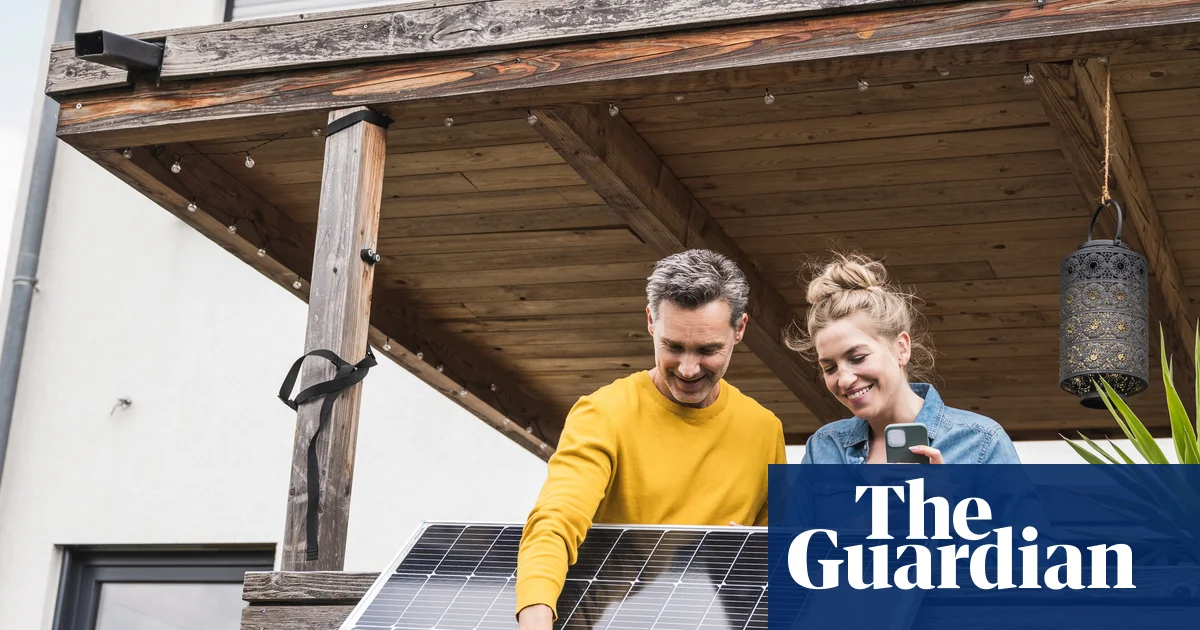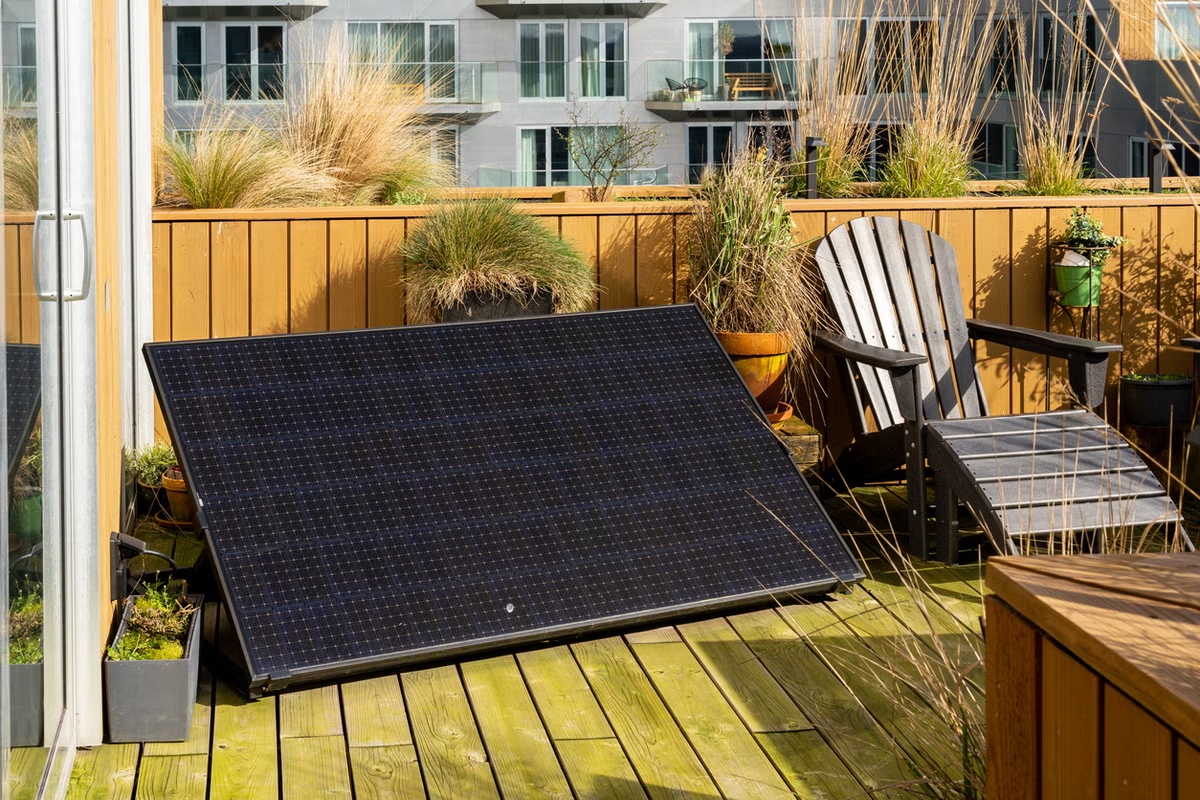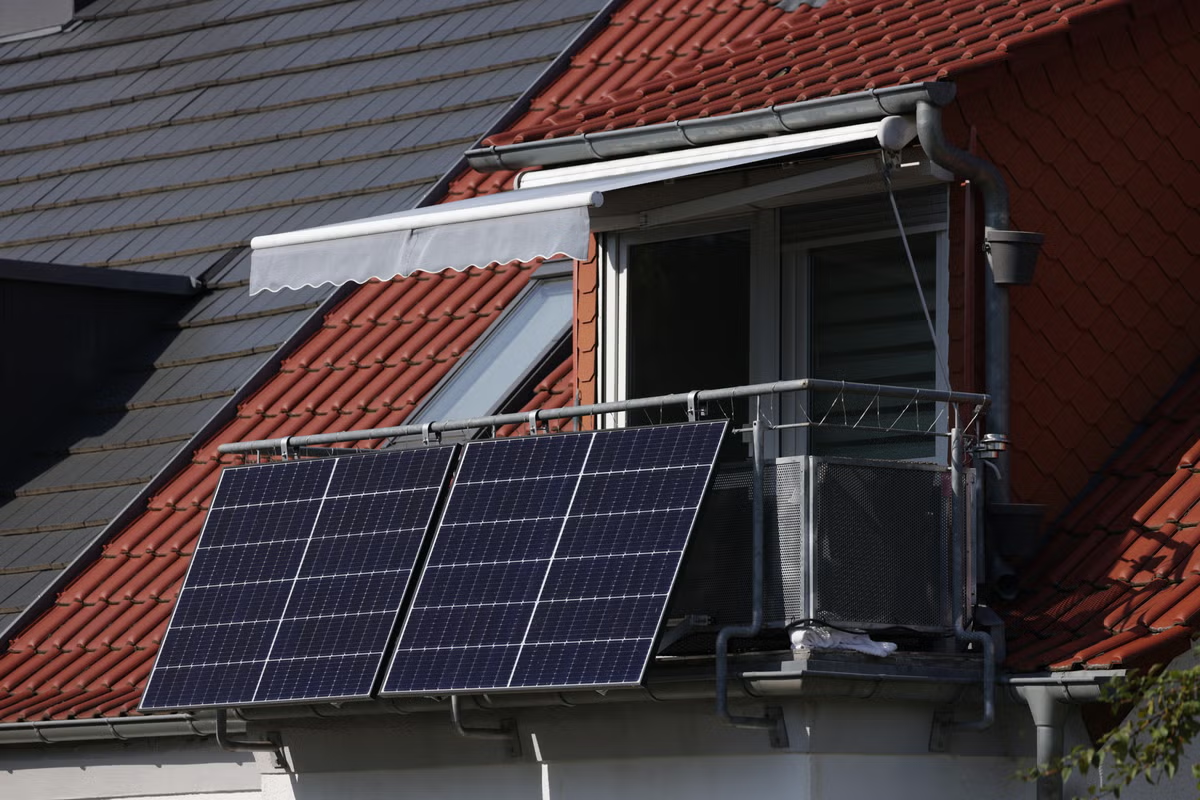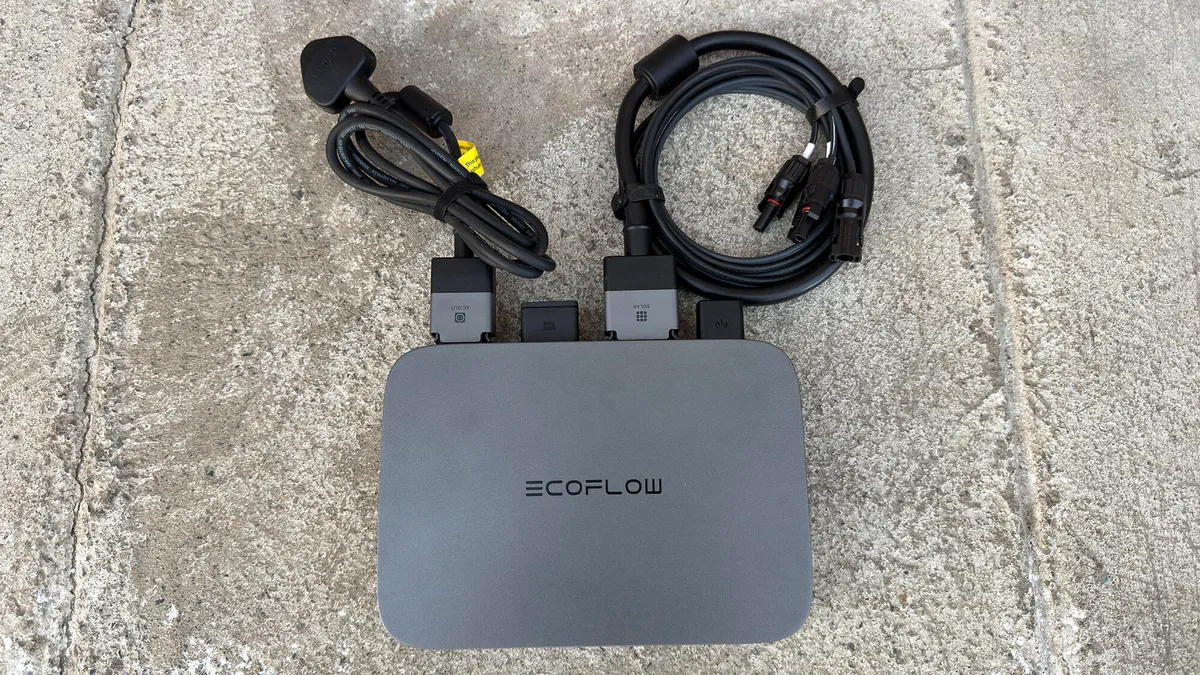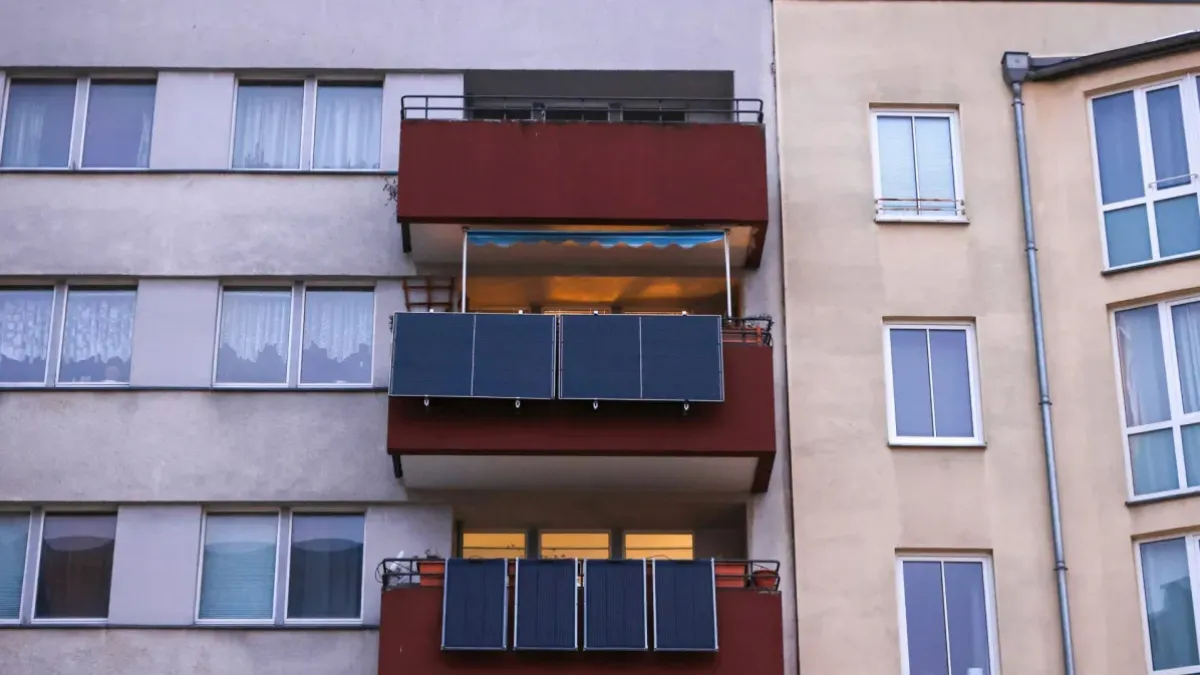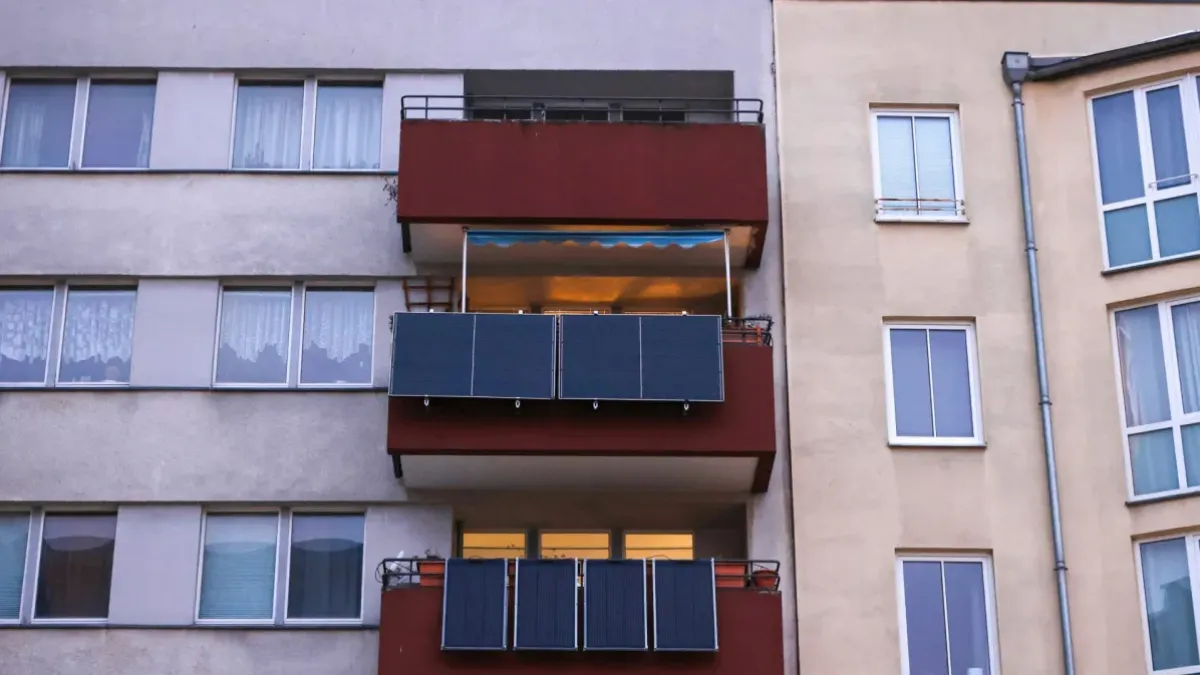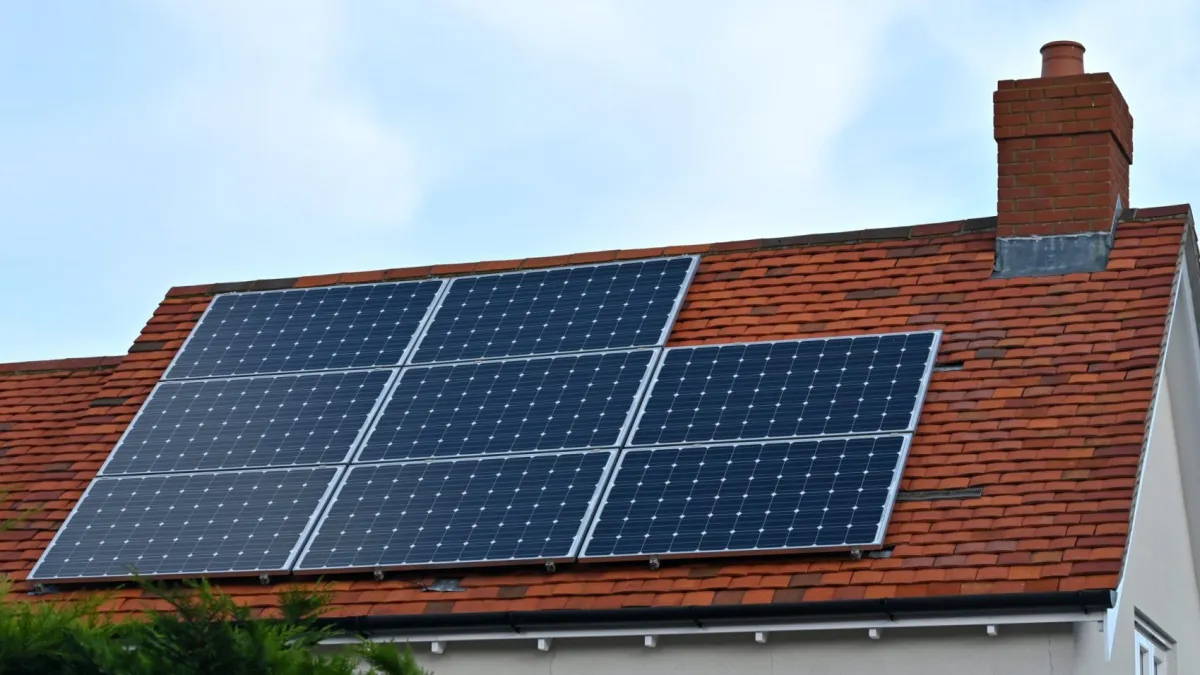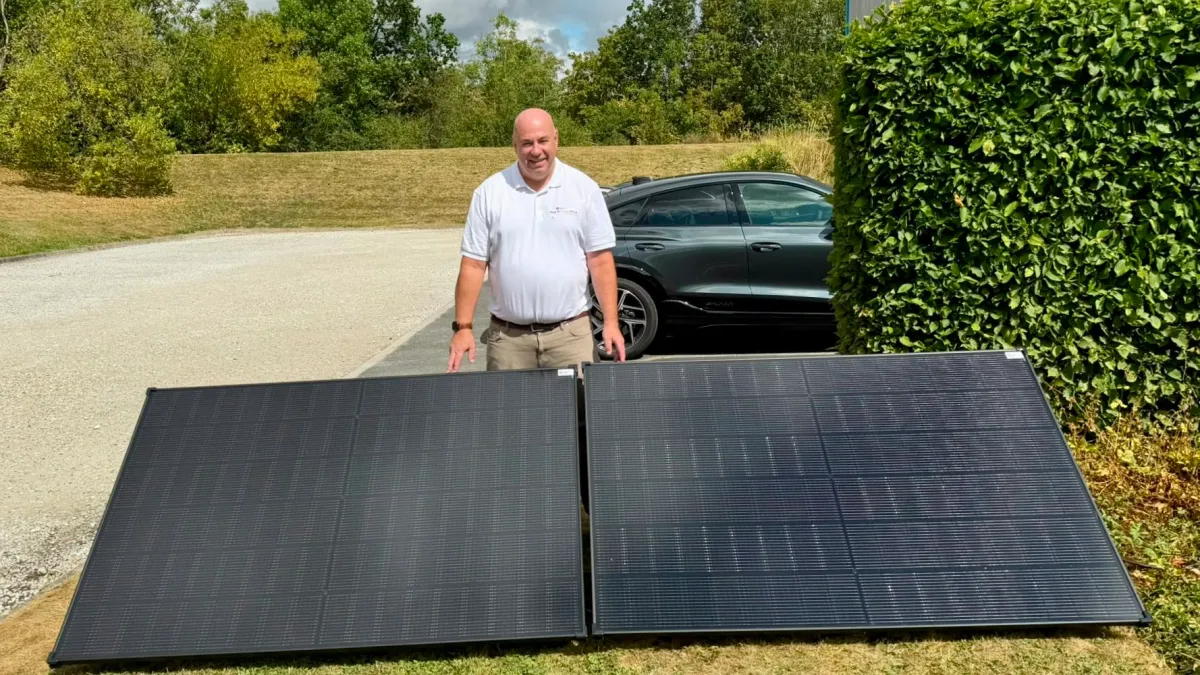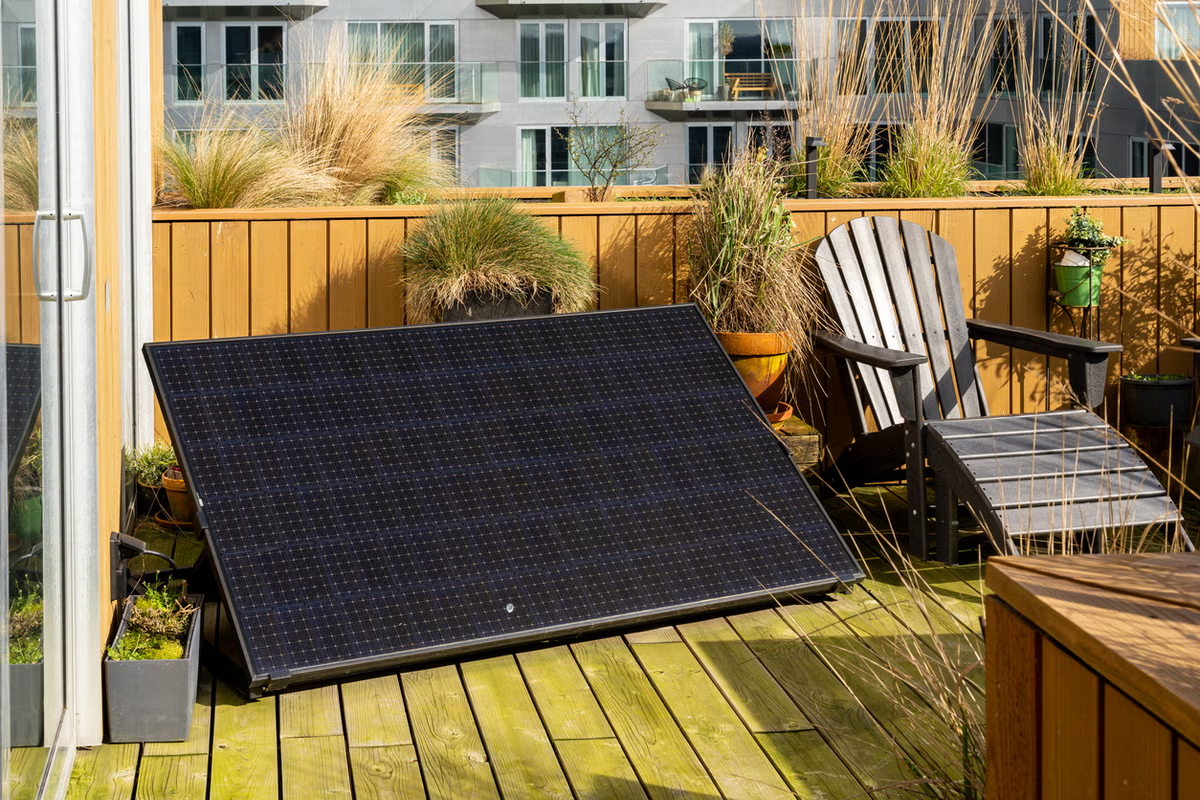
Solar panels have traditionally been seen as a home upgrade for those with the right property, a suitable roof, the money to cover the upfront cost and the willingness to take on a full installation. That leaves plenty of households out of the equation.However from 27 August, UK homes will be able to buy plug-in solar panels from retailers like Amazon and B&Q. It’s easy to focus on the novelty of Lidl and other high-street retailers putting plug-in solar panels in the middle aisle alongside everyday household buys. But it shows that solar is beginning to become smaller in scale, not in ambition, but more compact, affordable and straightforward, potentially opening it up to people who have traditionally been left out of the conversation.For years, rooftop solar panels have largely been an option for homeowners with a suitable roof, a sizeable budget and the willingness to go through a full installation. If you had a south-facing roof, planned to stay in your home for the long term and could afford to spend thousands upfront, solar could be a smart investment. But despite its benefits, traditional rooftop solar has often felt more like a solution for a relatively small group of households than something genuinely accessible to everyone.Read more: Best solar panels for UK homesIn practice, the usual solar conversation has excluded lots of people: renters, flat owners, those with small outdoor spaces but no real roof to work with, and households that like the idea of generating some of their own electricity, but have never been in the market for a full system. For them, solar has often felt less like a practical option than a sensible thing other people do. Plug-in solar could begin to change that.That doesn’t mean it will transform the economics of home energy overnight. It will not. The systems now being discussed for the UK are small in terms of their output capability, and hence so are the likely savings. Anyone hoping for a plug-in miracle that wipes out a chunk of their electricity bill is likely to be disappointed. Amid all the excitement, we should be clear that these devices are not a substitute for a full rooftop system, and they are certainly not a substitute for wider action on energy bills, insulation or the cost of heating homes.But I do think plug-in solar panels represent something important all the same.For one thing, they make solar look less like a renovation project and more like a normal consumer purchase. And that is an important cultural shift. Heat pumps are still a major decision. Full solar installations are still a major decision. Home batteries, for most households, are still a major decision. They all involve quotes, installers, disruption and big upfront sums. Plug-in solar hints at a different kind of energy technology that’s smaller, cheaper, lower-commitment, and perhaps easier for more people to imagine themselves actually buying.Read more: Lidl to sell £400 plug-in solar panelsThat shift in perception is not trivial. Technologies often change the market long before they transform the numbers. Sometimes the big breakthrough isn’t a product becoming dramatically more powerful, but rather it becomes more familiar, affordable and ordinary so people stop seeing it as something specialist.That is why I think the democratising case for plug-in solar is real, even if the headline savings are modest.If you rent a home with a balcony or own a flat with some usable outdoor space, the appeal is obvious. A smaller setup that lets you generate at least some of your own electricity is a very different proposition. It lowers the barrier to entry and offers a version of self-generation that feels less exclusive. This resonates with people because the energy transition has not always felt especially democratic.Too often, the technologies that make homes cheaper to run are the ones that require the most money, control and permanence to install, and the households that would most benefit from lower bills aren’t always the ones with the easiest route to solar, batteries or deep retrofit work. This is perhaps the biggest reason why public enthusiasm for green technology can feel uneven. People are often asked to get excited about systems that are plainly out of reach for most of us.Plug-in solar does not solve that problem, but it does at least point in a better direction. It’s a first step and suggests a world in which home energy technology isn’t only for people embarking on expensive projects. It opens up a new market in which smaller, simpler products can coexist with full installations and give millions of people the confidence that self-generation is something ordinary households can join in with, even on a small scale. But the caveats all apply.The UK should be careful not to oversell this. Plug-in offerings will not make every home suitable for solar. It will not deliver the same savings as a larger rooftop array. Not every property will have the right outdoor space, sunlight or permissions. And there is always a risk with new consumer energy products that the hype runs ahead of the practical reality.That is especially true with anything presented as cheap and easy. In energy, cheap and easy can quickly be mistaken for universally useful. But home energy is rarely that simple. What works well in one property may be pointless in another. The best way to think about plug-in solar is not as a universal answer, but as a new option for homes that have previously had very few.That, to me, is what is most significant about this news. It presents an opportunity to widen access to a technology that has so far been shaped around a relatively narrow vision of who the energy transition is for. And in the long run, that may prove just as significant as the number of kilowatt-hours it produces.Find out how plug-in solar panels actually work
I’m an energy expert – here’s my verdict on plug-in solar panels
These small systems are no substitute for full rooftop solar, but they could open the door to renters, flat owners and households, says Jeff Meyer
976 words~4 min read