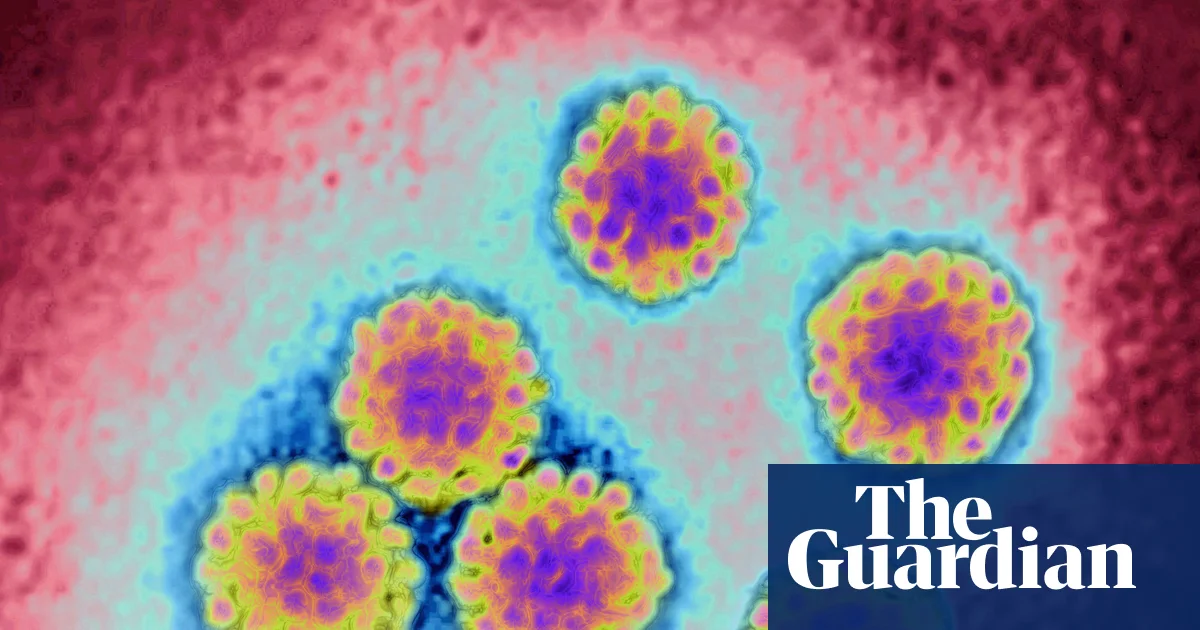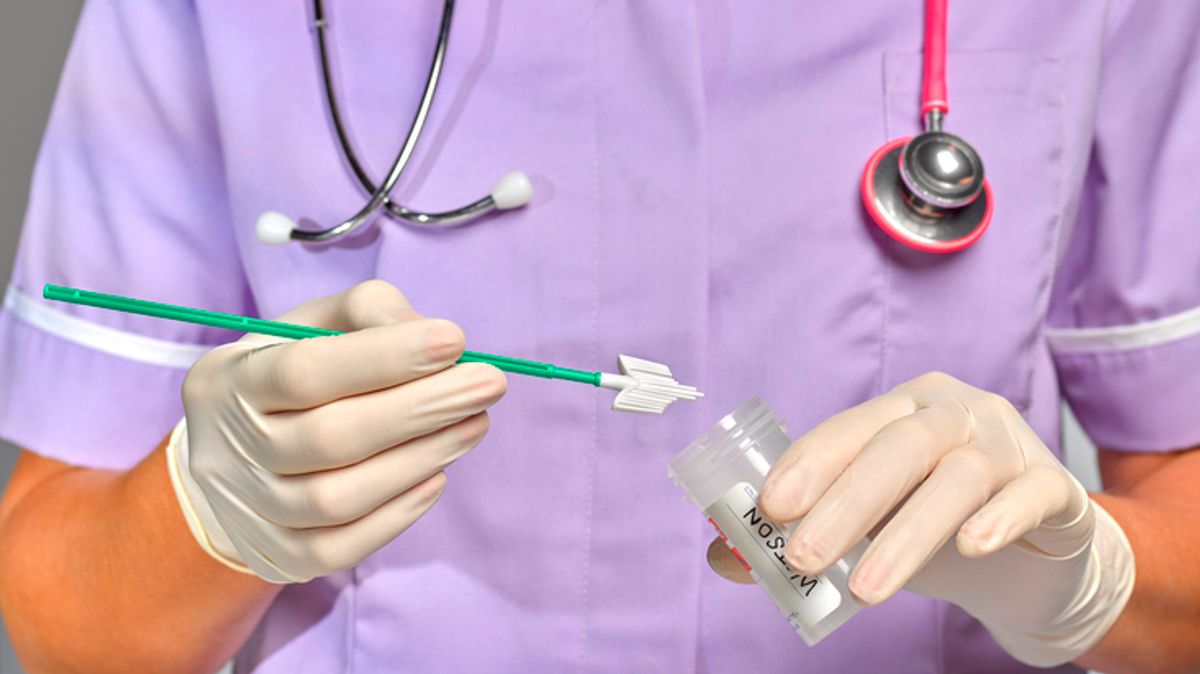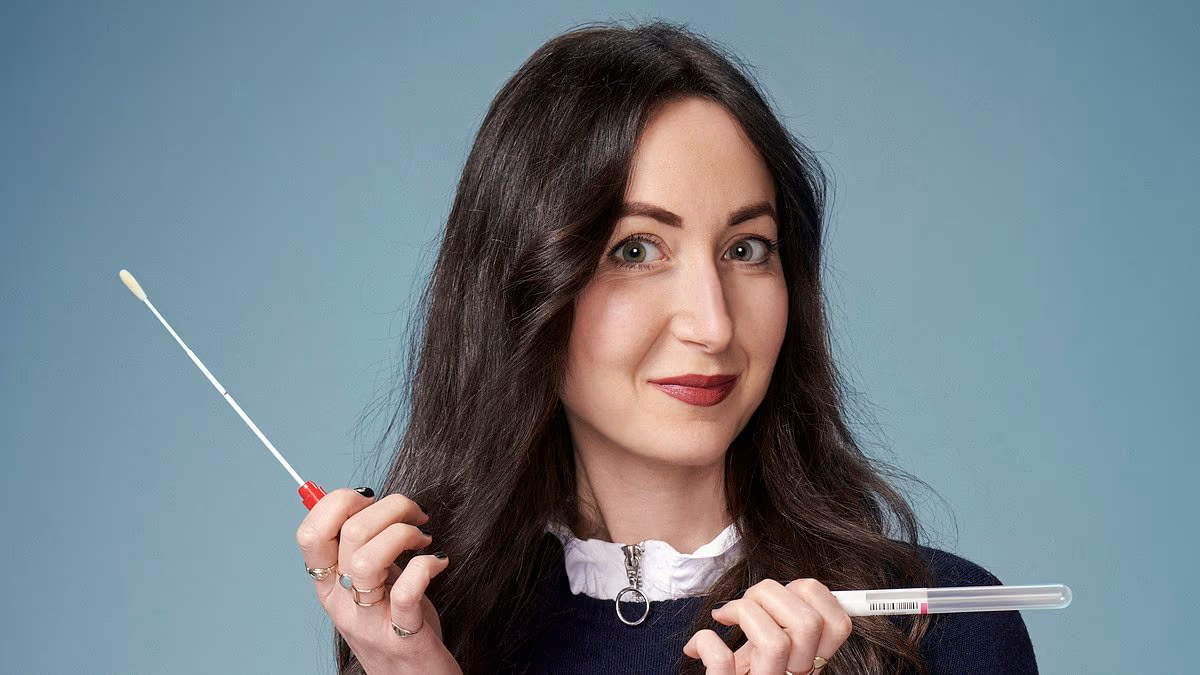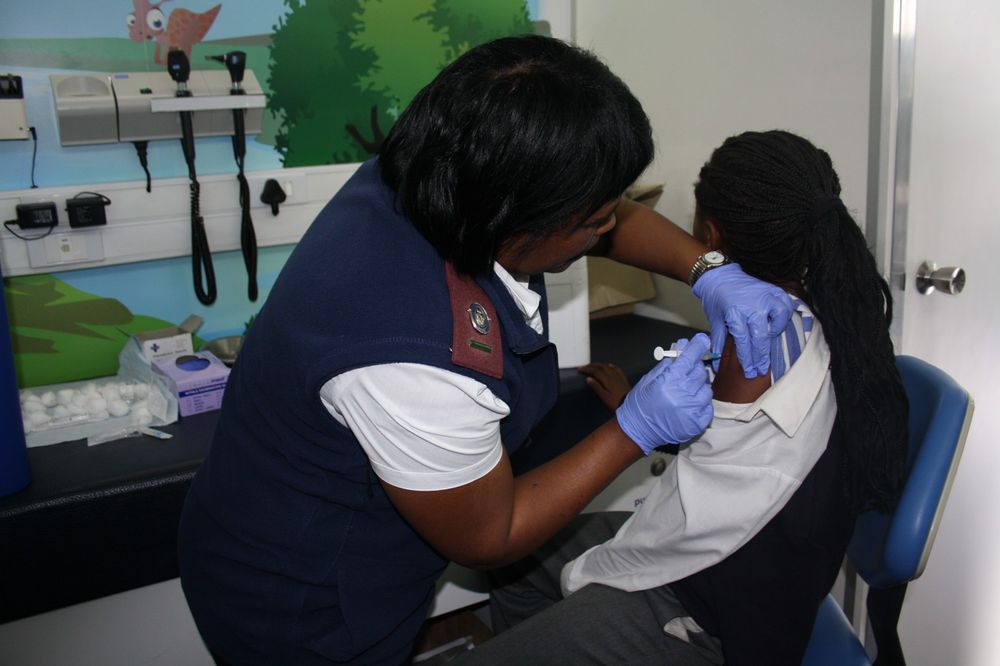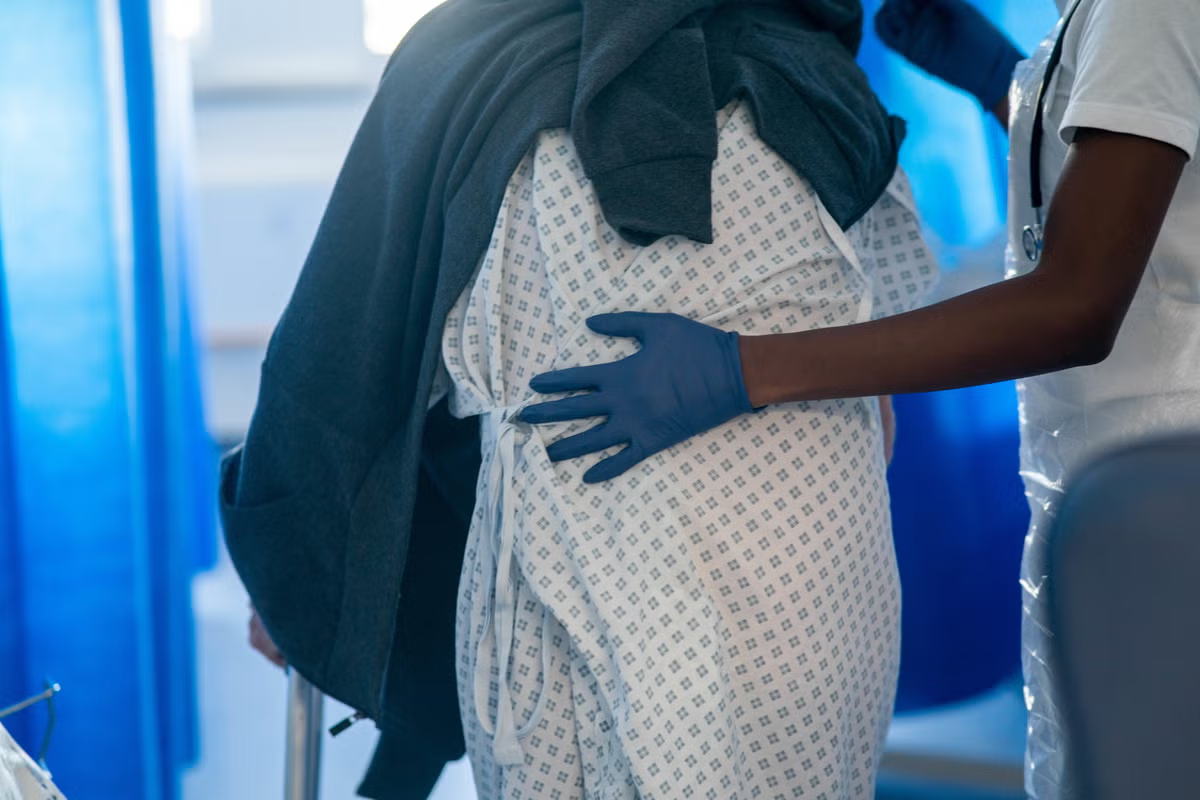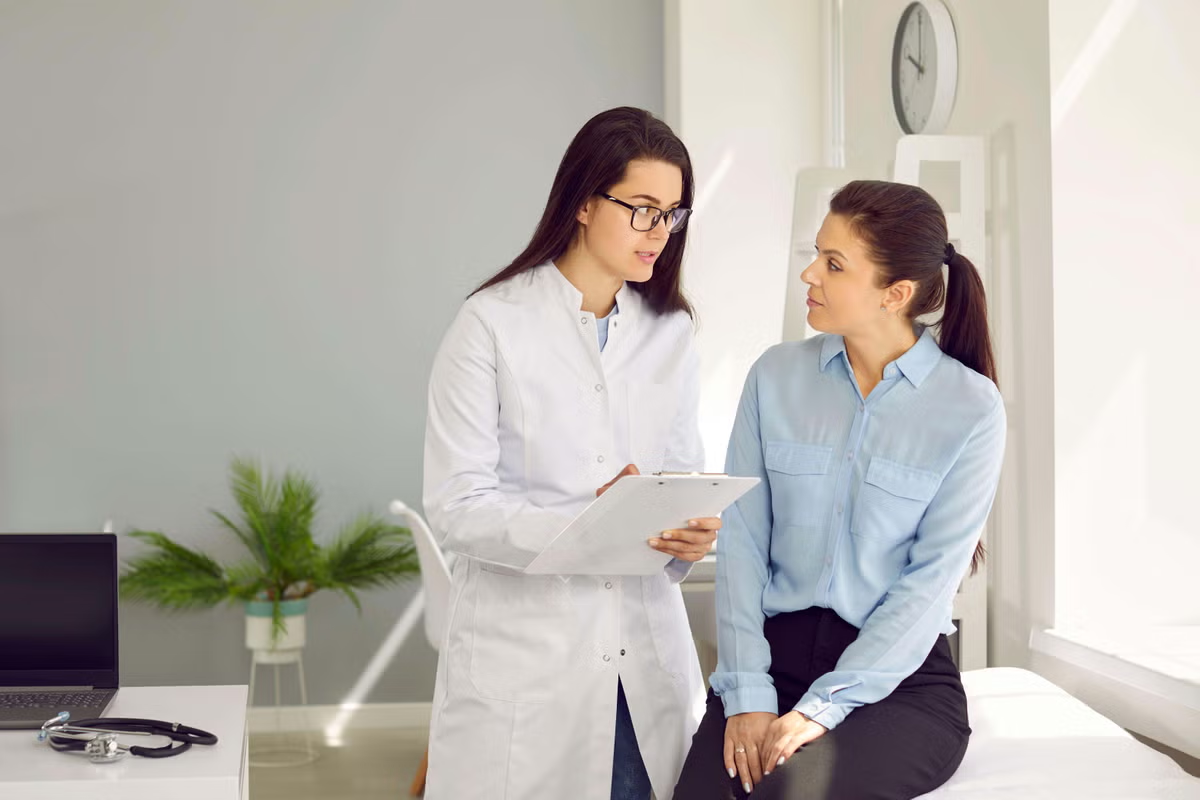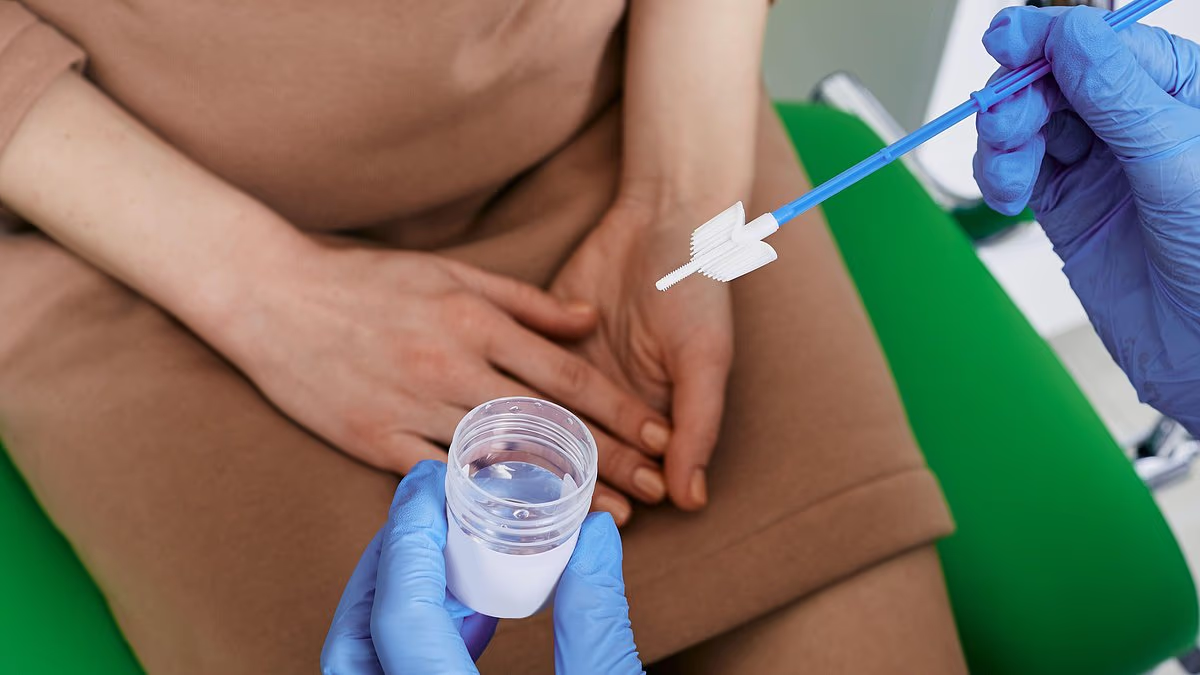
Millions of women in the UK who have missed cervical screening appointments will now be offered free at-home self-testing kits on the NHS. The scheme offers a "discreet and convenient option" intended to persuade more women to undertake screening as almost a third of women are overdue for their appointment for life-saving cervical cancer screening – due to embarrassment, discomfort or simply not having enough time to attend.Over the next year, nearly four million will receive invites to receive a free testing kit. But who is eligible and how do the at-home tests work? Women who are not up to date with cervical cancer screening are to be offered at-home tests to drive down cases of cervical cancer (Alamy/PA)How will the tests work?Included in each kit is a swab, which is used to collect a vaginal sample.This is then returned to NHS laboratories without charge, where scientists test the sample for high-risk human papillomavirus (HPV).Where high-risk HPV is found, patients will subsequently be requested to go to a clinician for a cervical screening appointment.Normally, cervical screening is a ten minute appointment where a nurse or doctor will use a soft brush to collect a small sample of cells from your cervix. This sample is then sent to test for HPV and if the virus is found the sample is checked for any changes in the cells of your cervix. These can be treated to help prevent cervical cancer.What is HPV? HPV is a group of viruses which can be passed on through sexual contact. Some of these viruses can cause warts, some cause no symptoms at all and others increase the risk of cervical cancer.Approximately 13 high-risk forms of the virus are known to cause 99.7 per cent of all cervical cancer cases.There are around 3,300 new cases of cervical cancer every year, but rates of the disease have decreased by a quarter since the early 1990s.About 70 per cent of cases are prevented through cervical screening, according to cancer research, and the HPV vaccine is cutting cases of cervical cancer by 90 per cent.Women aged between 24 and 64 are invited for cervical screening every five years, or more often if HPV is detected.Approximately 13 high-risk forms of HPV are known to cause 99.7 per cent of all cervical cancer cases (Getty/iStock)Who can get the free tests? Women who have missed their cervical screening appointments will be offered the free at-home testing kits.Invitations have already started to be distributed to eligible women aged 30 to 65 who have missed appointments, arriving by letter, email, text message or the NHS app.They will then be able to order a kit through the NHS app or online.The programme specifically targets those groups consistently missing vital appointments, with younger women, ethnic minority communities facing cultural hurdles, people with a disability and LGBT+ people all set to benefit. What makes these tests a ‘game-changer’?Not all women attend screening appointments for reasons including fear of pain, concerns about privacy and stigma, and lack of awareness.Latest figures from NHS England show 68.8 per cent of eligible women are up to date with cervical screening, below the 80 per cent target.This is dangerous because cervical cancer often doesn't cause any symptoms until the disease is more advanced and harder to treat.Dr Sue Mann, national clinical director for women’s health at NHS England, said: “Screening saves thousands of lives each year by preventing cancers and catching them earlier, but only around two thirds of women are attending cervical screening appointments when invited by the NHS.“Offering millions of women an alternative test they can do from the comfort of their own homes will be a gamechanger – making it easier than ever for them to get tested for HPV.”Offering women an at-home self-test could prevent as many as 1,000 cases of cervical cancer every year, a study led by Queen Mary University of London with King’s College London found.More than 3,000 women are diagnosed with cervical cancer each year in the UK. It has been estimated that the number would be 5,000 higher if it weren’t for cervical screening. But at-home testing could save even more lives. Dr Sweta Sharma Saha, VC Research Fellow for the School of Health and Life Sciences at Teesside University, said: "Cervical cancer is one of the most preventable cancers, yet screening attendance remains suboptimal. Around one in three eligible women in England are not currently up to date with screening. “Home HPV testing is an important opportunity to improve access to life-saving screening and addressing some of the practical, psychological and social barriers that prevent participation. It offers a convenient and evidence-based route into screening for those who might otherwise not engage.”
HPV home-testing kits: How do they work and will I get one?
Latest figures from NHS England show only 68.8 per cent of eligible women are up to date with cervical screening
779 words~4 min read