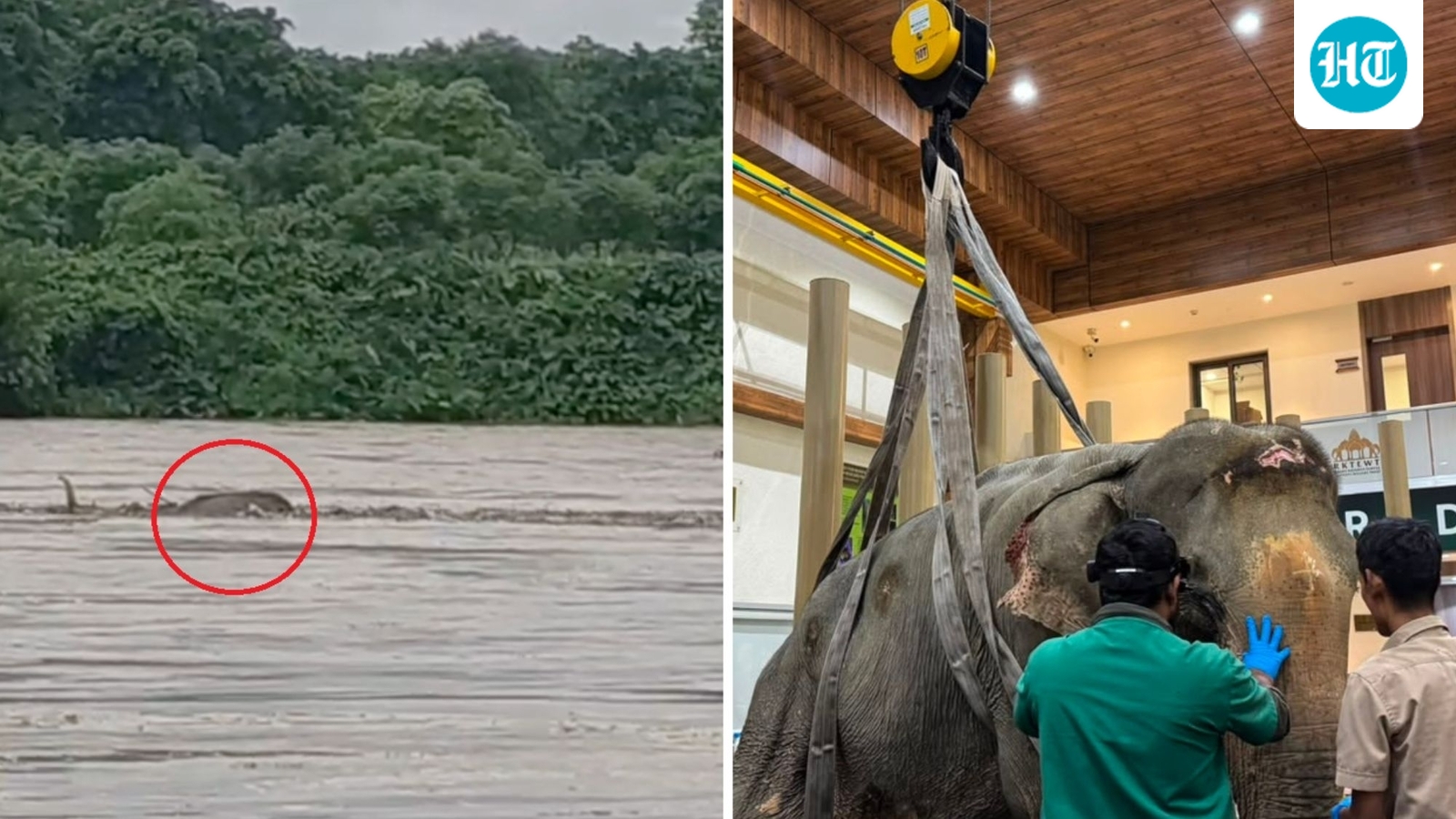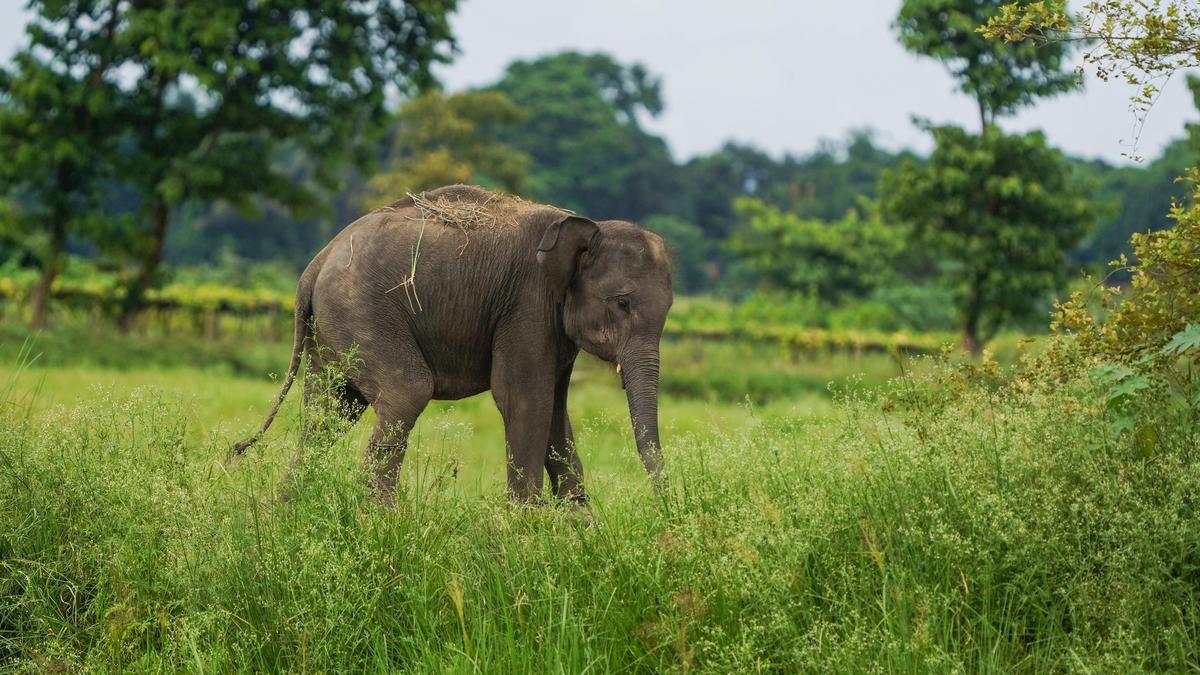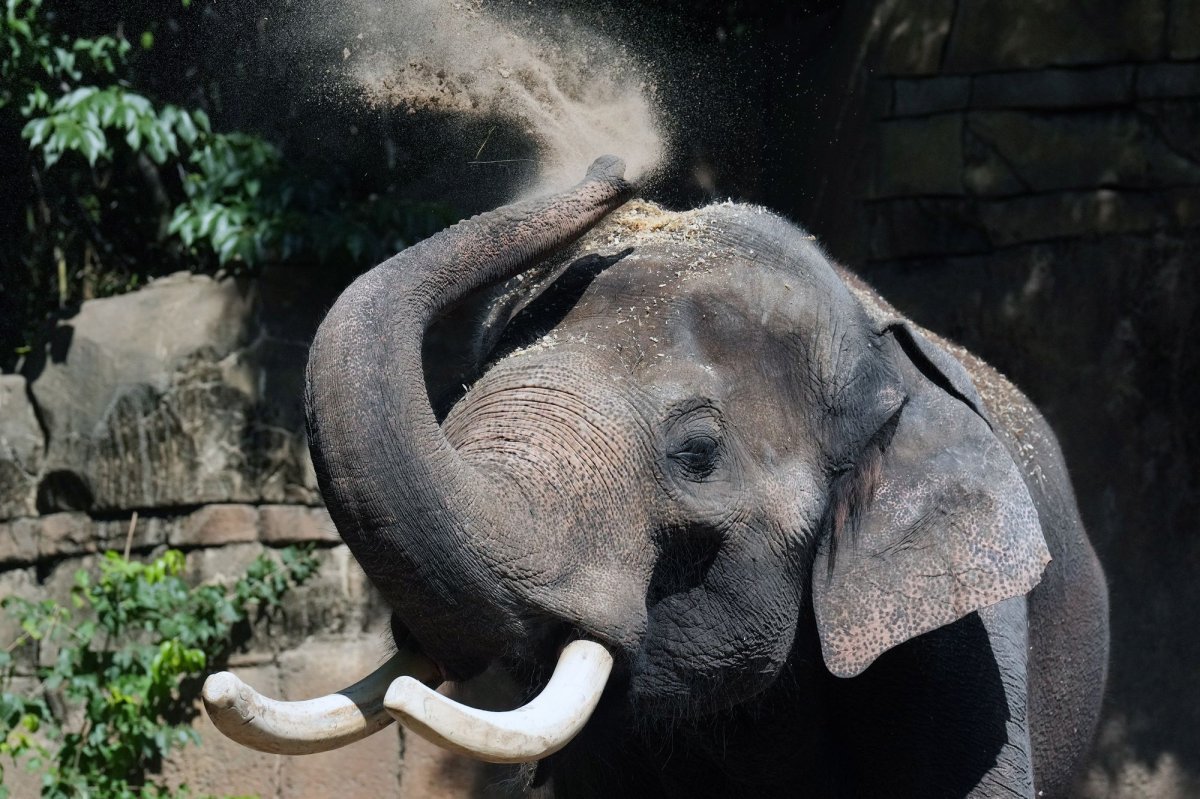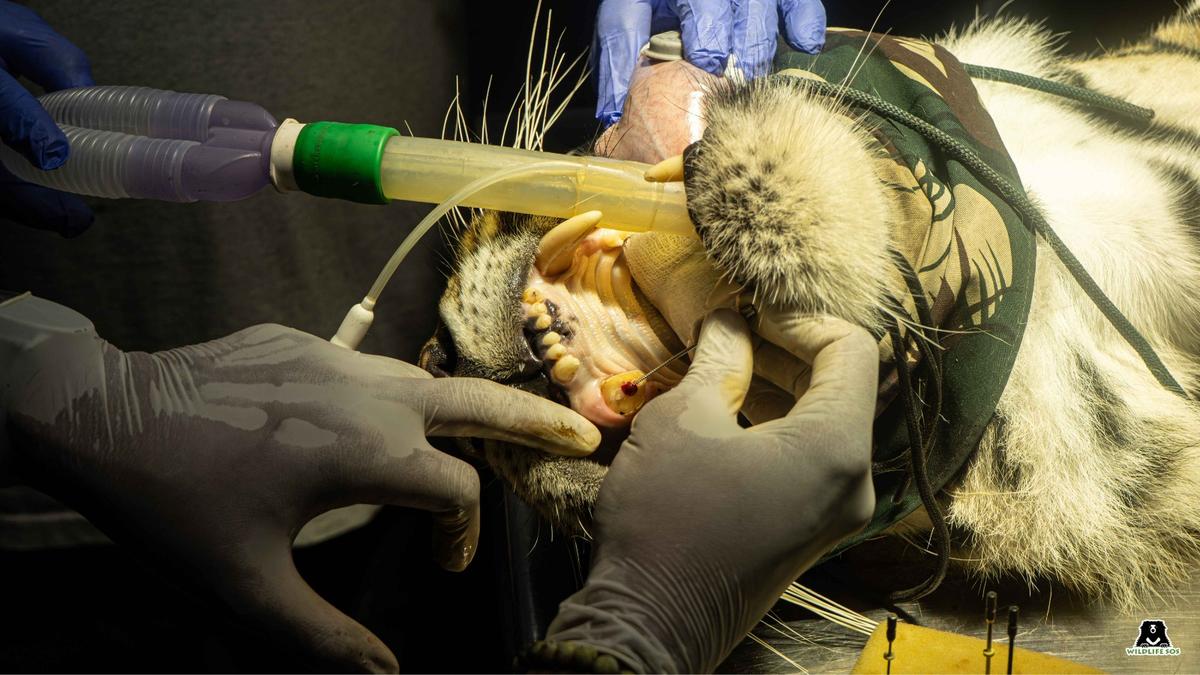
GUWAHATIA 16-year-old male elephant in Assam has undergone a critical dental procedure five months after poachers hacked off its tusks near their roots.Mangal Singh, a captive elephant in eastern Assam’s Dibrugarh district, was left with life-threatening injuries and exposed pulp cavities when poachers sawed off both its tusks in April. The incident had sparked outrage and raised concerns about the security of privately owned elephants.Owned by an individual in Margherita town, Mangal Singh has received treatment over the past few months. “Local veterinarians with experience of handling elephants were taking his care, but the exposed pulp cavity required closure in both tusks, which was possible only with specialised partial pulpotomy,” Rohini Kumar Das, the Division Forest Officer at Digboi, said.A team of experts initiated the pulpotomy in the Dhulijan forest area of Digboi Forest Division’s Lakhipathar on Wednesday (August 26, 2026). “The team will be ensuring post-operative care for the next seven days,” he said.A pulpotomy is the removal of pulp, or nerve tissue, typically from a baby tooth. The nerve tissue removed by this process is the part in the crown of the tooth, while the healthy nerve tissue in the roots is left behind. The tissue is then covered with a medication and protected with a crown, which prevents the tooth from breaking.Bhaskar Choudhury from the Wildlife Trust of India’s (WTI) Centre for Wildlife Rehabilitation and Conservation near Kaziranga National Park led the team that performed the dental procedure. The other team members were Bhupen Sarma, an expert on elephant anaesthesia; orthodontist Abhishek Ojha; Rabi Shankar Choudhury; Biswajit Barua; Mehedi Hassan of WTI; and veterinarians from the Animal Husbandry Department.“During the initial days following the incident, the elephant remained in critical condition and suffered from severe bleeding. As both tusks had been cut from near the roots, the pulp cavities were left exposed, resulting in persistent infection despite regular monitoring and treatment,” Dr. Hassan, a veterinary surgeon, said.Given the elephant’s bond with the family it grew up with, the team decided to keep the animal in its familiar surroundings to perform the dental procedure, as transporting it to an unfamiliar environment could have stressed it.“Mangal Singh’s case highlights the severe physical and psychological consequences of illegal ivory-related activities and underscores the need for continued vigilance, stronger protection measures and swift action against wildlife criminals,” Jose Louies, the chief executive officer of WTI, said. Published - August 26, 2026 08:00 pm IST
Months after poachers hacked off its tusks, Assam elephant undergoes critical dental procedure
A 16-year-old elephant in Assam undergoes vital dental surgery months after poachers severed its tusks, highlighting wildlife crime consequences.
403 words~2 min read