Cars lose value while sitting in storage and property can take years to sell.
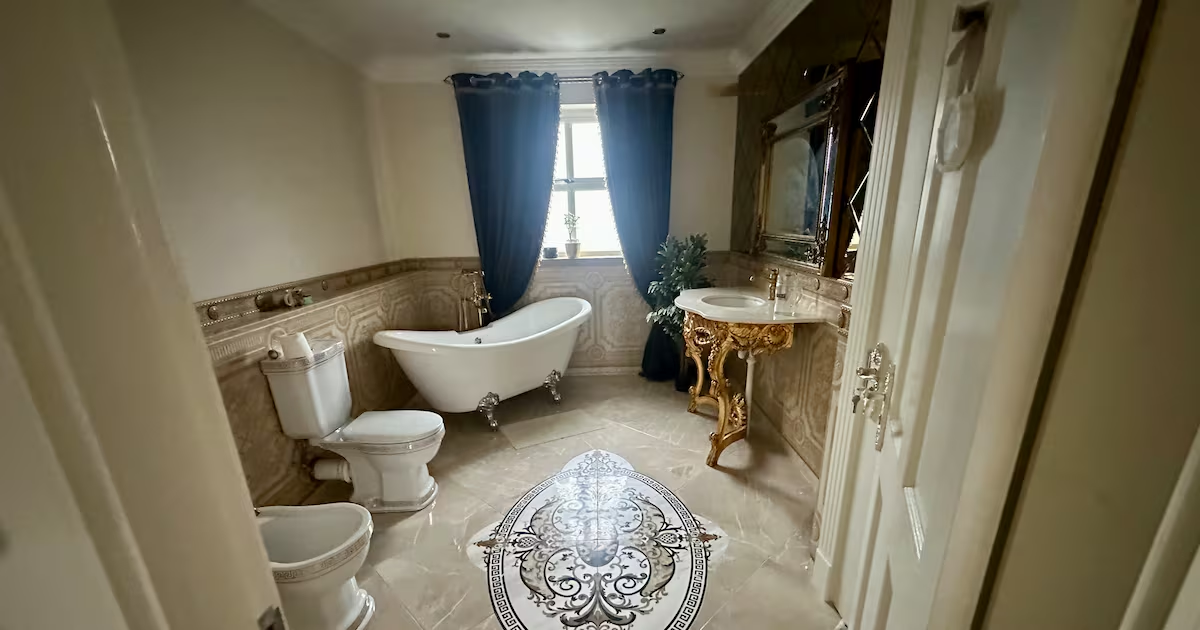
A luxury Bratislava flat belonging to convicted tax fraudster Ladislav Bašternák, where Robert Fico once lived while prime minister, and a villa belonging to underworld boss Juraj “Piťo” Ondrejčák are among the more notorious properties highlighting a problem for the Slovak state: seizing assets during criminal proceedings can prove considerably easier than turning them into money.
Slovakia established the Office for the Management of Seized Assets five years ago to look after property seized during criminal proceedings and preserve its value. Yet former investigators, prosecutors and lawyers say cumbersome rules can leave assets deteriorating while the state pays to store and maintain them.
The problems were detailed by the Stop Corruption Foundation, which spoke to the office’s new director as well as former police officials, a prosecutor and a lawyer about how the system works in practice.
Since its creation, the office has raised just over €682,000 from sales of seized property. At the end of 2025, it was managing assets connected with 267 cases.