China eyes 6G commercial use before 2030
Nation revs up developing tech-savvy industries
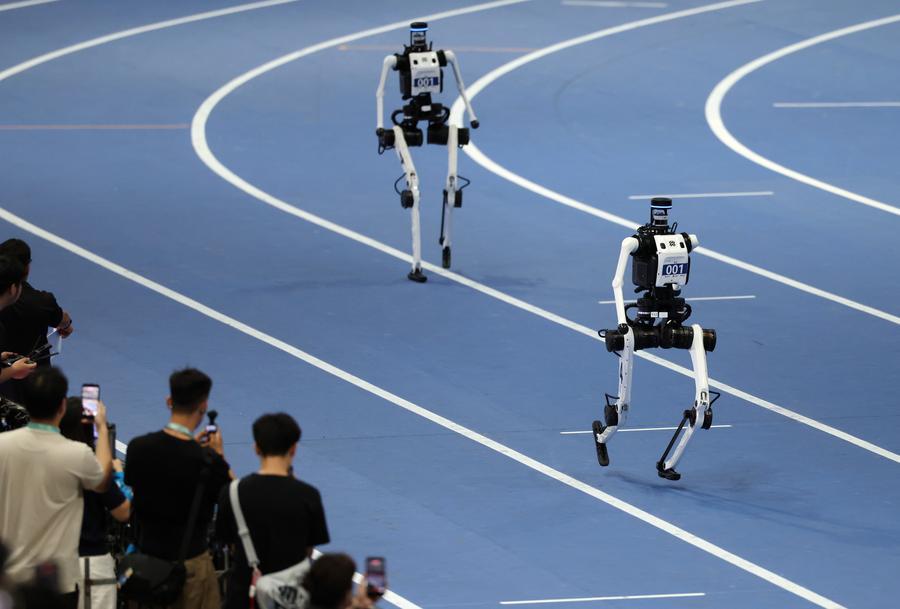
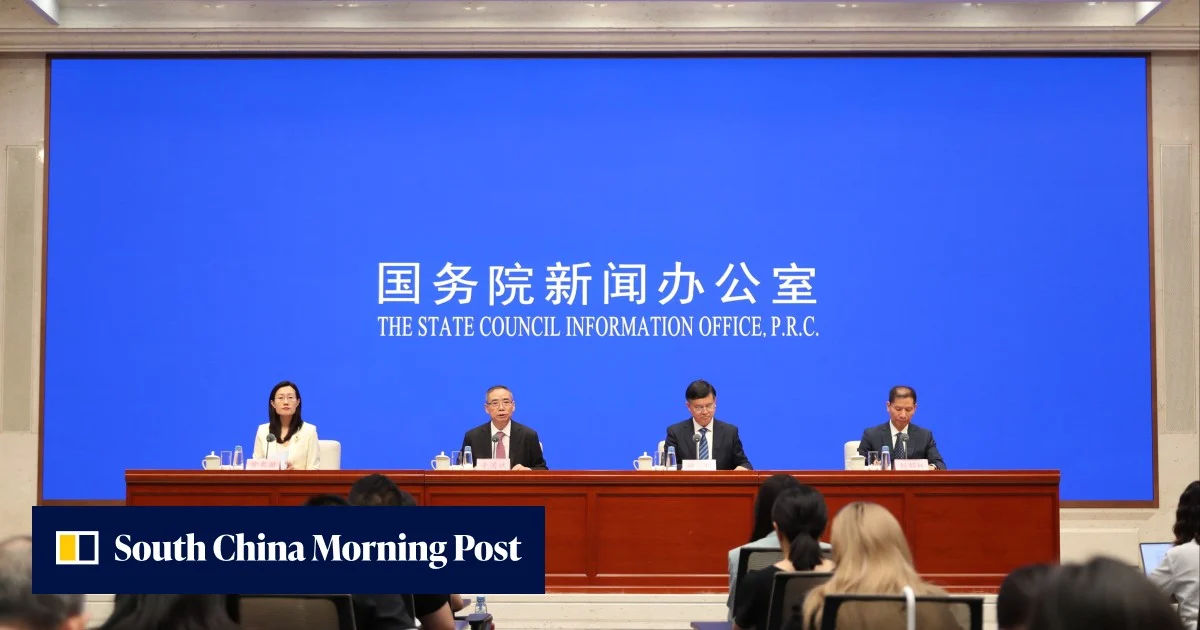
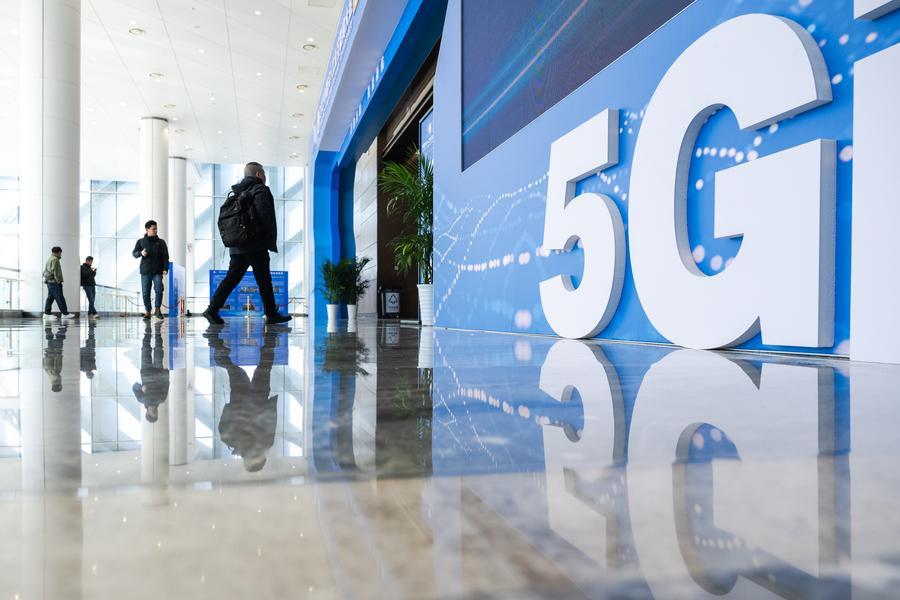
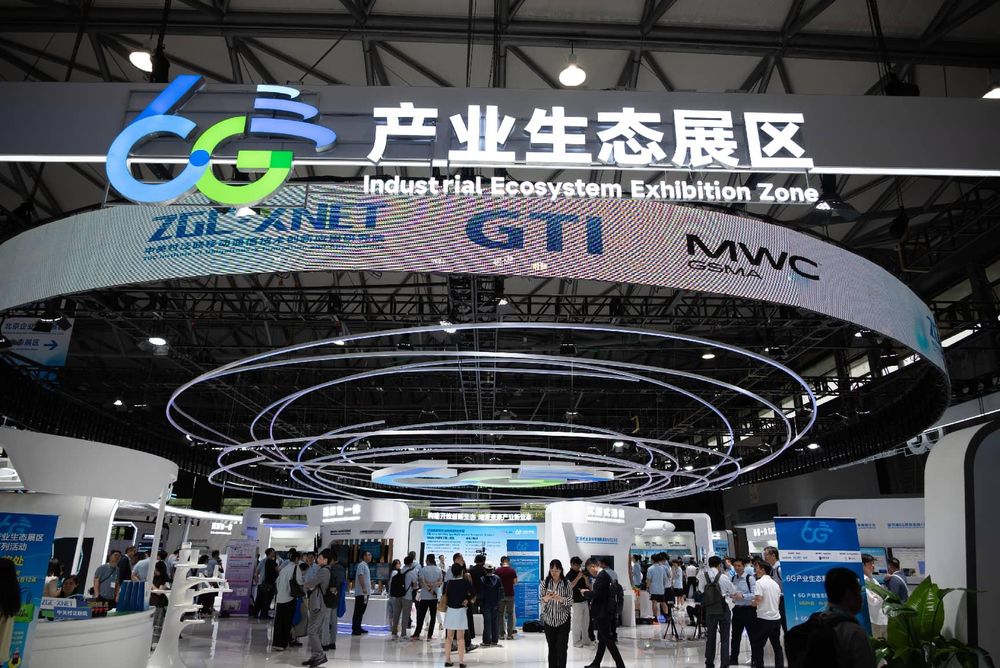
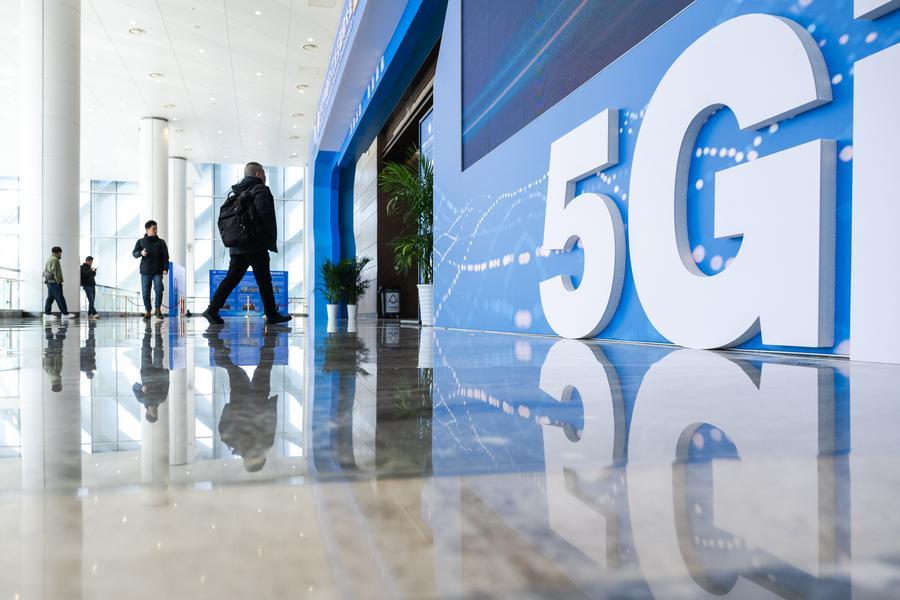
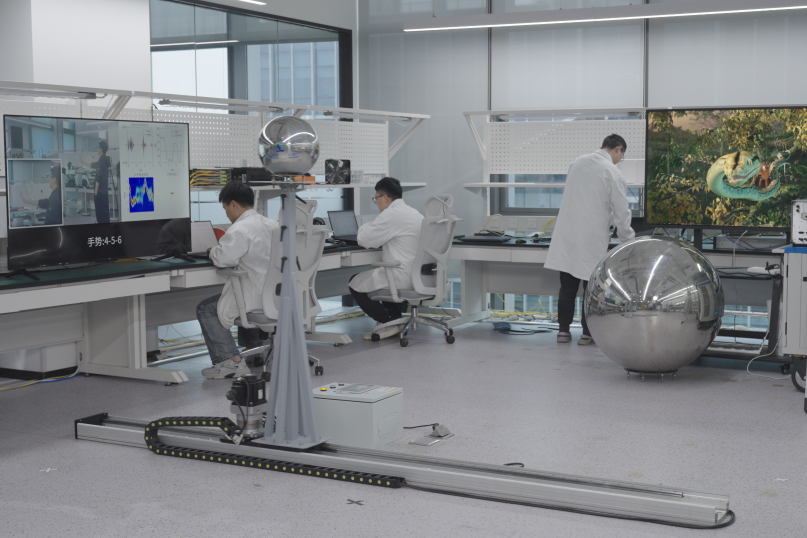
6G File Photo: VCGChina will strengthen 6G super-high-speed mobile communication technology research and development (R&D) and prepare for its commercial rollout between now and 2030, according to Chinese officials on Wednesday. The technology is among the planned key growth drivers including quantum computing, bio-manufacturing, hydrogen and fusion energy, brain-computer interface (BCI) and embodied artificial intelligence (AI), officials said at a press briefing in Beijing on Wednesday. At the briefing, officials outlined China's roadmap for new industrialization over the next five years, advancing the building of a manufacturing powerhouse and a cyber power. The combination of cutting-edge technologies including 6G and AI is set to drive smart factories, autonomous driving, and new forms of the digital economy, experts noted. China will try to optimize its industrial structure and cultivate a group of new pillar industries including semiconductors, aerospace, bio-medicine, the low-altitude economy, new-energy storage, and intelligent robots during the 15th Five-Year Plan (2026-30) period, the Ministry of Industry and Information Technology (MIIT) said."China will also speed up construction of next-generation telecommunication networks and computing-power networks, expand large-scale 5G and industrial internet applications in key industrial sectors, and strengthen its mobile network and cyberspace data security," said Xin Guobin, vice-minister of the MIIT.In the next five years, China will step up efforts to achieve breakthroughs in 6G, including the development of the technology's standards, and foster a mature industry ecosystem to lay the groundwork for commercial use, said Liu Yulin, an official of the MIIT.Pan Helin, a member of the Expert Committee for the MIIT, told the Global Times on Wednesday that 6G can drive tech iteration among equipment-makers, maintaining China's lead in digital communications, and enabling future applications.Regarding core technology breakthroughs, Pan said that 6G requires multiple advances, some evolving from 5G such as terahertz communications, integrated sensing and communication, space-air-ground-sea integrated networks, and AI-native networks, plus optional technologies such as reconfigurable intelligent surfaces and semantic communications.Apart from telecommunications, the MIIT also outlined blueprints for other industries of the future.For AI, Xin said that the sector is injecting strong momentum into economic growth, and nearly 200 key AI standards have been developed.Speaking of future development plans for the AI industry, Xin said that on the supply side, China will support R&D of high-end training chips and multimodal algorithms, advance brain-inspired intelligence and related AI models (which simulate environments and predict what happens next based on a user's actions), and iterate intelligent terminals such as humanoid robots and BCI. "On the application side, the focus will be on high-value industry scenarios, cultivating lightweight, low-cost and easy-to-deploy solutions so enterprises can adopt AI effectively," said Xin.Given that AI and telecommunications technologies are crucial to industry upgrading, Yao Jun, director of the planning department of the MIIT, said on Wednesday that the ministry will promote large-scale application of new technologies, new products and scenarios through "5G+," "AI+," "robot+," "industrial internet+" and "BeiDou Navigation Satellite System+", accelerating industrialization and real-world deployment."Scenarios underutilized under 5G will see major capability upgrades with 6G and other future technologies, creating new economic forms and serving as essential infrastructure for the digital society, supporting large-scale human-machine, agent-to-agent, and embodied-intelligence applications," said Pan.In broader efforts to help upgrade traditional industries and lay out industries of the future, the MIIT will establish national demonstration bases for emerging industries, focusing on next-generation information technology, new energies, new materials, intelligent connected new-energy vehicles, robots, bio-medicine, high-end equipment and aerospace. By 2035, China aims to set up 100 demonstration parks with strong radiating effects and 1,000 leading demonstration enterprises, the officials said.