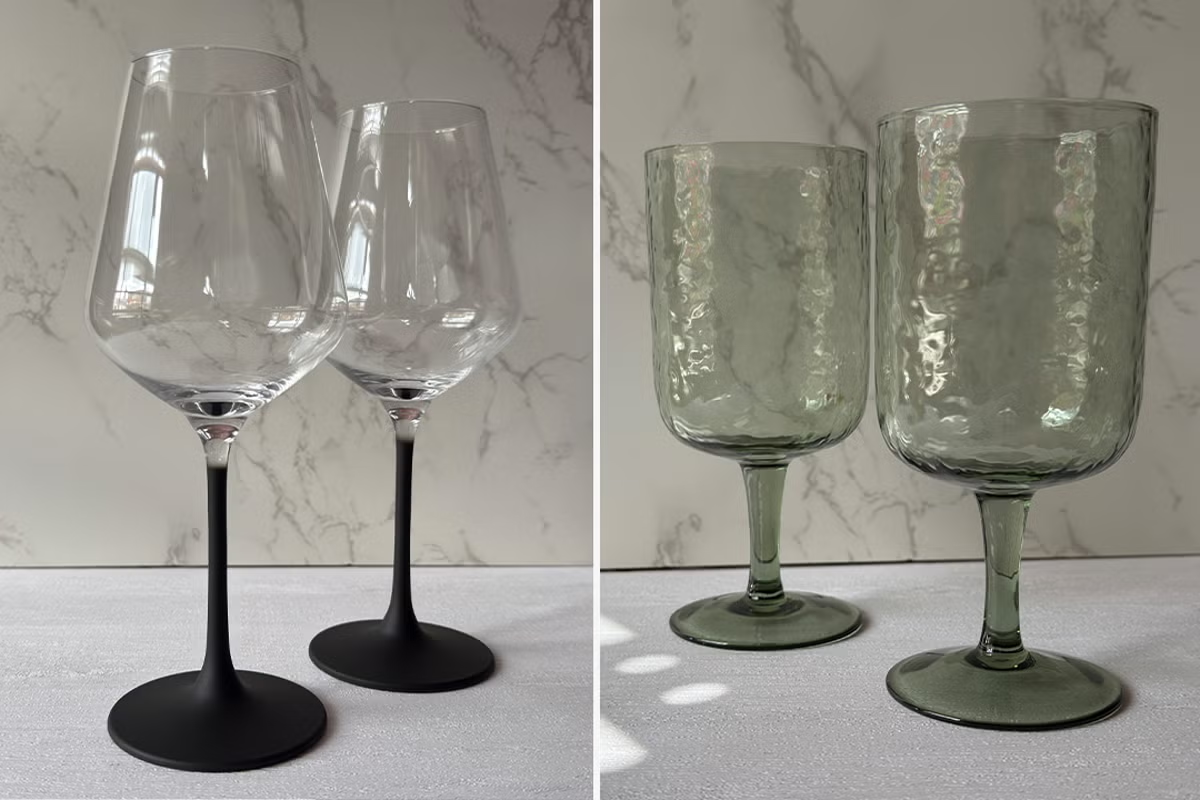
Your questions on wine glasses answeredWhat are the best wine glasses?Klink London's Chelsea set are the best wine glasses I tried, as they get the important things right at a price that encourages use, rather than reverence. The large bowl works across red, white and rosé, the lead-free crystal feels suitably refined and six glasses for £30 is difficult to beat.If performance matters more than price, the Jancis Robinson precision is the superior universal glass. Its finer rim and controlled tulip bowl made wine more articulate across the widest range of styles. For parties or a first set, Asda's green hammered pair is the best budget recommendation. It sacrifices tasting accuracy, but not all the pleasure of drinking wine.How I tested wine glassesI used every set repeatedly at home, comparing the glasses side by side, filled with a wine style that best suited them, including pinot noir for the red wine specific glasses and sauvignon blanc for the more white-leaning. Universal shapes were also tried with sparkling wine. Rather than rewarding fragility for its own sake, I looked for the point where a fine rim and useful bowl met the realities of storage, washing and replacing a broken glass.Aroma and flavour: I compared how effectively each bowl allowed wine to open, then concentrated aroma at the rim, without making it difficult to drink. Rim and balance: Lip thickness, stem comfort, weight distribution and the control offered while swirling and drinking were all considered. Stability and durability: I looked for secure feet or bases, sensible proportions and enough substance for regular use, without destructive drop testing. Cleaning and storage: Dishwasher compatibility, polishing, fingerprints, overall height and the space each set demanded in a cupboard were taken into account. Value and versatility: Price was judged per glass, alongside build quality, replacement anxiety and how convincingly each design handled different wine styles. How to hold a wine glassHold a traditional wine glass by the stem, ideally between your thumb, index and middle finger, rather than cupping the bowl. This keeps fingerprints off the glass and, crucially, prevents the heat from your hand from warming the wine. Moreover, holding closer to the base offers a little more stability, while pinching the very bottom of the stem does look elegant but gives far less control. Stemless glasses are the exception. Hold them low on the bowl and avoid nursing them for too long, particularly with chilled whites and rosé. There is no need for theatrical rules, though. Comfort and avoiding spills matter significantly more than etiquette here.Why you can trust IndyBest reviewsJonathan Hatchman is a writer who specialises in alcoholic beverages and spirits – he’s taste-tested everything from the best bourbons to the best gins, best rums and more. He combines his expertise with a keen eye for value, making him well placed to judge the best wine glasses.Restocking your drinks cabinet? We’ve rounded up the best supermarket wines
8 best wine glasses tested by an expert, from universal to stemless designs and more
From an £8 supermarket pair to a precision glass developed with wine critic Jancis Robinson, there’s a goblet to suit every wine-lover
484 words~2 min read