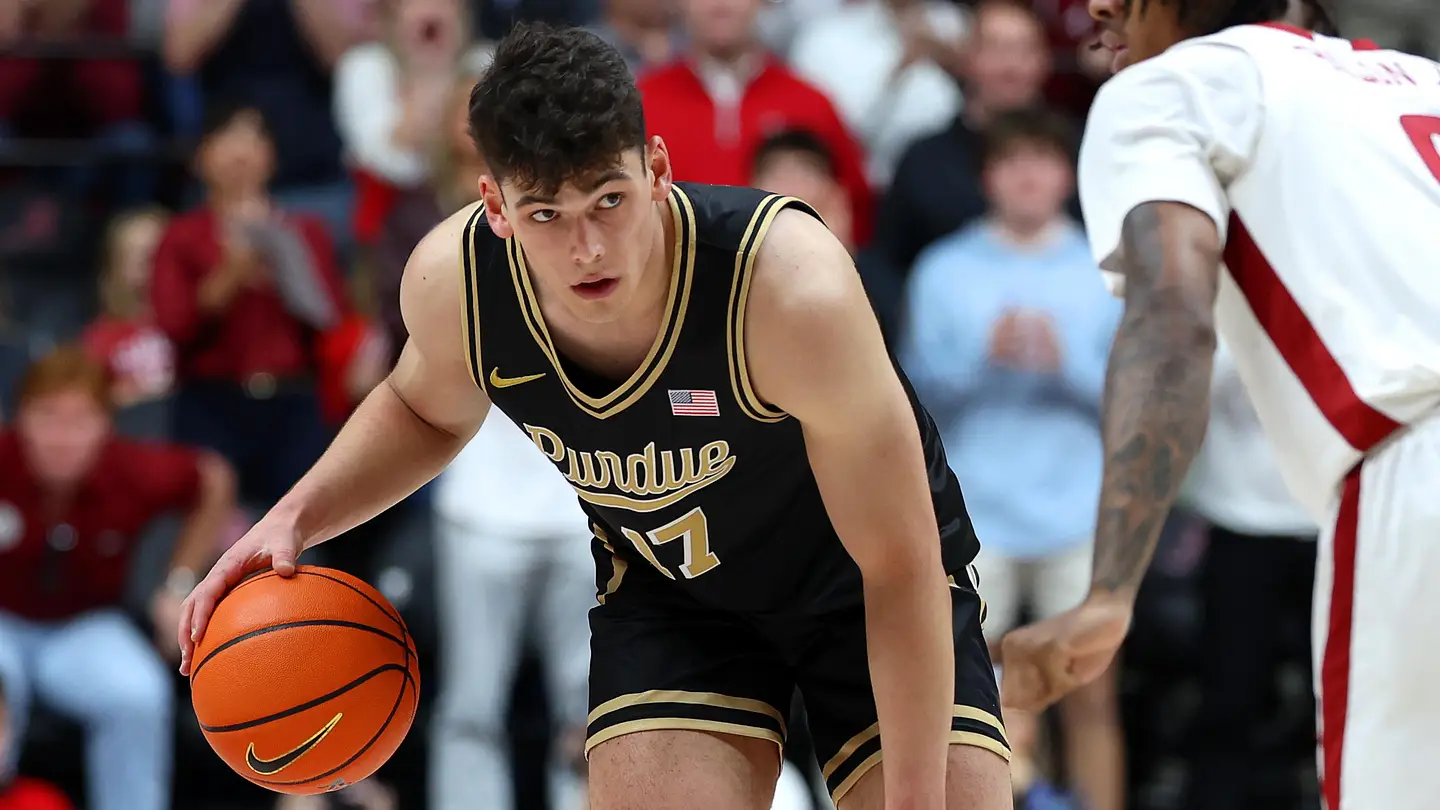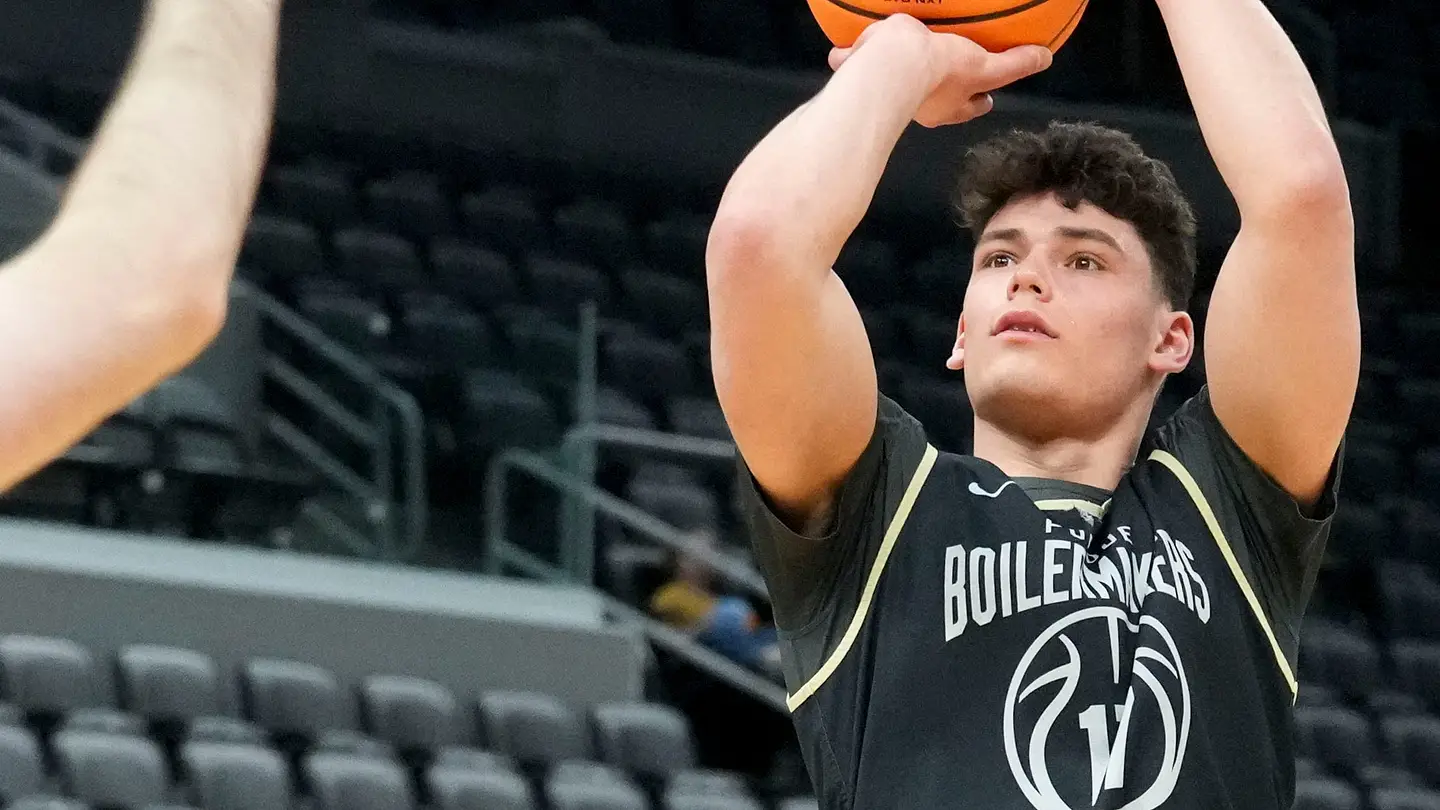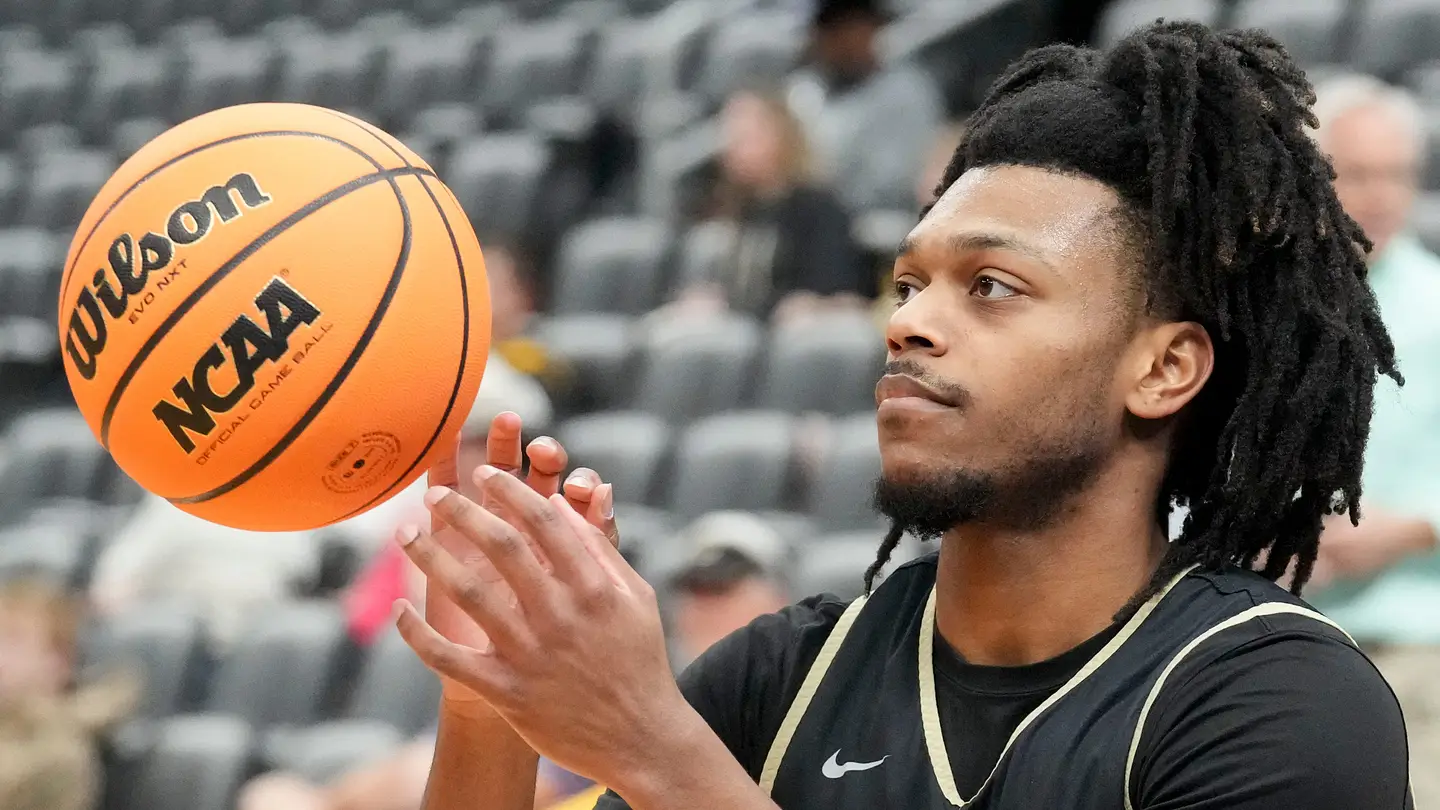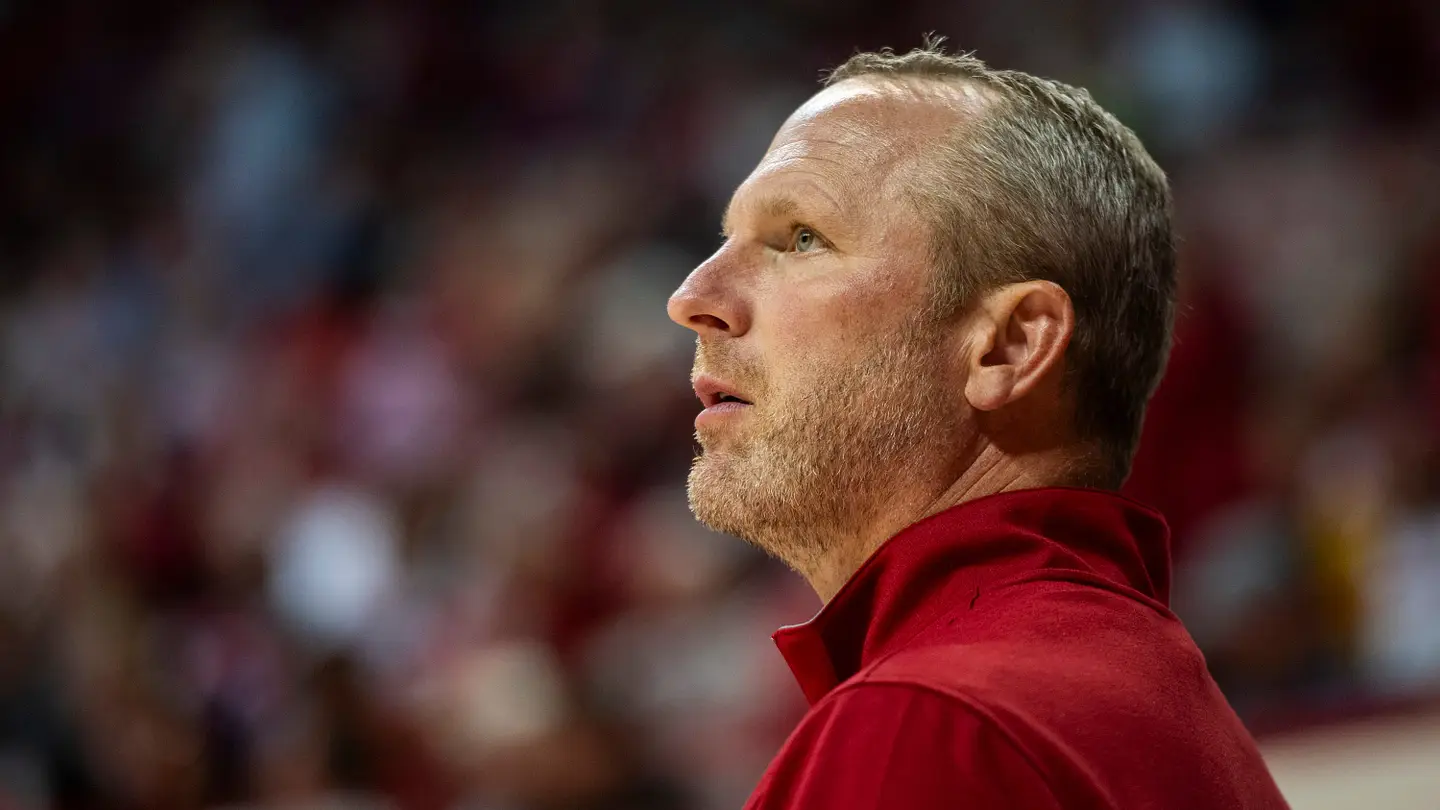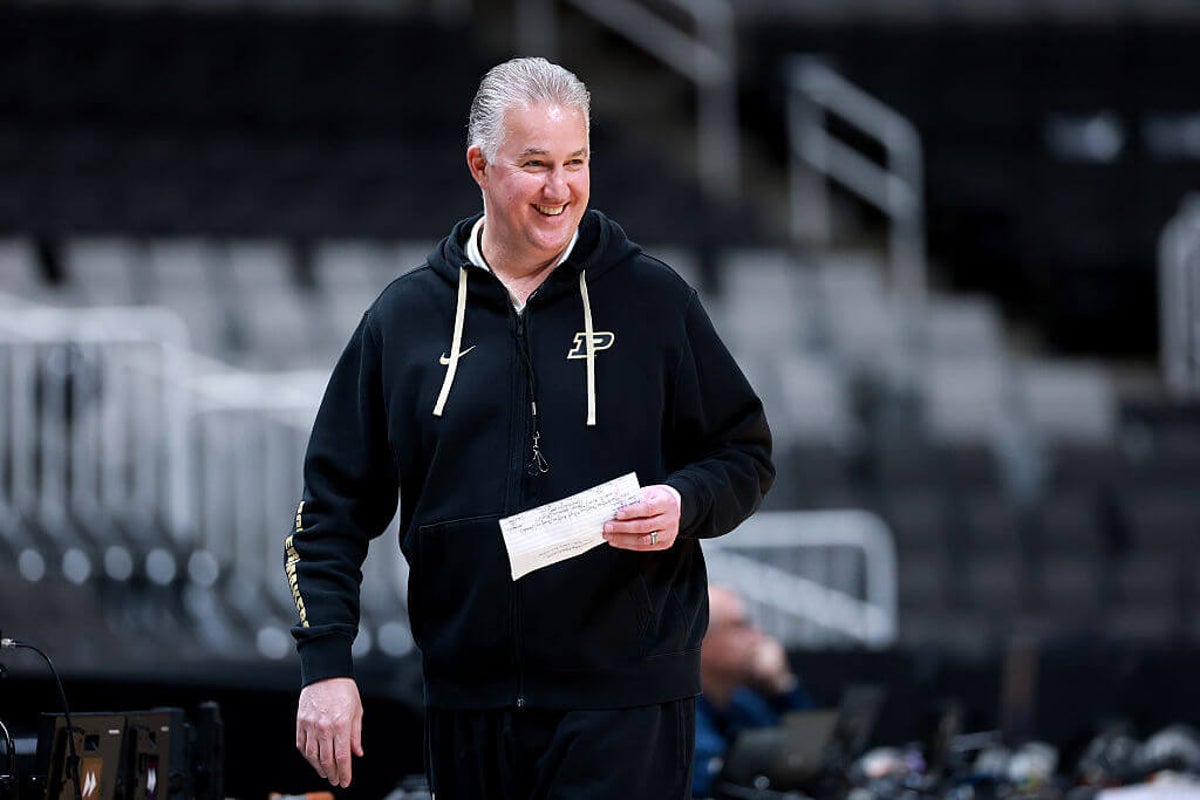
It’s the slowest month of the college basketball calendar, but August is the time when I start to get excited for the season because we get some (semi) real games, by way of foreign tours.On Tuesday, I wrote about Arizona and Michigan, who played the stiffest competition of any teams traveling this month. Those games were competitive and fun to watch. Most teams play overmatched competition and it’s hard to read too much into the results. As Purdue coach Matt Painter told me, “You don’t wanna get fooled by sometimes people having success, but you also don’t want to discount it.”The numbers are inflated, but when combined with watching the games, you can start to come away with some hints on who are possible breakout guys, what potential rotations will look like and some stylistic possibilities for these teams this upcoming season.This is what stood out to me from Purdue, Indiana and Cincinnati. On Thursday, we’ll conclude this series with a look at three intriguing teams in the SEC: Arkansas, Auburn and Texas A&M.A new-look PurdueIt’s a new chapter for the Boilermakers after the graduation of Braden Smith, Trey Kaufman-Renn and Fletcher Loyer. The loss of Kaufman-Renn will have the greatest impact on Purdue stylistically, because unlike most of the program’s recent rosters, there’s not an obvious post-up threat who will be a huge part of the offense. Instead, this team seems designed to be balanced and shoot a lot of 3-pointers.Painter compared this group to his 2017-18 team, which won 30 games, shot 42 percent from 3 and was his first team to attempt more than 40 percent of its shots from deep. My bet is the 2026-27 team will take the most 3s in school history. On Purdue’s trip to Canada in late July, where it played four games in five days in British Columbia, the Boilermakers attempted 46 percent of their shots from deep.This team is not designed to play through the post. Instead, the priority is ball movement and hunting for quality looks from deep. That’s where the veterans have operated in the past. Four of Purdue’s five top returning scorers — CJ Cox, Omer Mayer, Gicarri Harris and Jack Benter — shot more 3s than 2s last season. Redshirt freshman Antione West Jr. led the team in scoring on the trip, and 18 of his 35 attempts were from deep. Then Purdue’s best two incoming freshmen, Luke Ertel and Jacob Webber, are good 3-point shooters. (Painter called Webber, who made 11-of-22 3s on the trip, his best shooter.)Last year, on its run to the Elite Eight, Purdue had the most efficient offense in college basketball, and Painter is predicting some regression, but he’s hopeful Purdue can still be a “really good offensive team.”“We’re going to have to be more physical along our front line, and we’re gonna have to rebound the ball better,” Painter said. “We have some guys that can shoot. We have some really good guards, we have good size, we have good big guys, but that physicality is going to be, I think, a major question for us. As you saw in college basketball, the best teams in college basketball were pretty big and pretty physical.”What’s promising is that 7-foot-4 center Daniel Jacobsen was moving as well as I’ve seen him move, and while he’s still skinny, he looks like he’s added some strength. It’s going to be key that he doesn’t get pushed around, and that was one area where the lack of competition — Purdue played Canadian university competition in all four games — made it tough to fully evaluate. The athleticism and physicality weren’t close to what Purdue will face in the Big Ten. Jacobsen had the team’s best plus-minus (plus-91) on the trip and looks like a lock to be the starting center.The rest of the starting spots could still be up for grabs outside of Cox, who is the other lock. Power forward will be between Princeton transfer Caden Pierce, who Painter called his best rebounder, and Benter, who can play as a stretch 4 or small forward.Mayer is the favorite to start at point guard, but Ertel looked fantastic on the trip and could push him. Ertel plays with great pace and sees the floor really well, and I’m convinced he will be one of my favorite players to watch for years to come. He looks like an old-school setup guard, but he’s also a capable scorer. Painter called him more of a “lead guard than a point guard.”“You want to keep him aggressive because he can go and score,” Painter said. “I think that’s an important piece as he continues to grow into a quintessential point guard that we don’t lose that aggressiveness. It’s important for guys like him to keep looking for your shot, keep looking to drive the ball, and then play off of that instinct. Thinking shot first is only gonna make you a better passer.”Harris was solid and will likely battle West for the third guard spot in the starting lineup. West is Purdue’s most gifted scorer, and even if he does come off the bench, it wouldn’t be surprising to see him lead the team in scoring. He’s constantly hunting for 3-point looks and has blow-by speed off the dribble. Painter has effectively used redshirts in the past, and West, coming off his redshirt season, could be the final one to benefit, as the new age-based, five-year eligibility model will likely make the redshirt obsolete.That could create a challenge, because it appears Painter has at least 10 players worthy of being in the rotation. He said there’s not much separation among that group, and while balance could be a strength, it’s probably also going to create some playing time decisions. But based on these four games, Purdue’s offense will still be a major strength. Even losing those three foundational stars, I’ll bet Purdue remains a Top-25 team.How does Indiana’s big portal haul look?Indiana represented the United States in the FISU America Games in Lima, Peru, and cruised to gold in a pretty weak field. The Hoosiers did not have starting center Samet Yigitoglu, a transfer from SMU, on the trip, which is a bummer because the biggest question for them entering the season is how effective the tall lineup of Yigitoglu (7-foot-2) and Alabama transfer Aiden Sherrell (6-11) can be. Yigitoglu practiced and played in a warmup game against Canada, which wasn’t streamed, so I was interested to get IU coach Darian DeVries’ take on how the two bigs looked together.DeVries said they often had to go against each other in practice because German 7-footer Clemens Sokolov had yet to arrive for the summer session, but he’s optimistic about the small sample.“Aiden’s versatility really allows you to have both bigs on the floor because he can stretch it and shoot it and play make from the perimeter,” DeVries said. “To have two guys basically 7-foot — Samet is 7-2 — when you’re talking about the rebounding focus at both ends of the floor immediately stands out for us to have that type of size in line up on the floor at the same time.”That was an emphasis in the spring because IU’s first team under DeVries struggled on the glass, ranking 279th in defensive rebounding rate, and finished 14th in defensive efficiency in conference games in the Big Ten. Indiana went 18-14 and missed the NCAA Tournament as a result. That led DeVries to sign two starting centers.Sherrill was MVP of the FISU tourney and appears to have slimmed down from his time at Alabama.“He’s had a great offseason,” DeVries said. “He’s running well. He feels good. He looks good, and I think you can see it just in the way he’s playing, just his ability to run up and down the floor, sustain it for longer periods.”Other summer takeaways from DeVries: He thinks the Hoosiers have more depth and that will allow them to play faster. He wants this group to get more paint touches — off post-ups and dribble drives — allowing IU to be less one-dimensional than last year’s team, which shot over half its attempts from 3. DeVries pointed out Duke transfer Darren Harris as another player who had a good summer.“He’s really hungry to get out there and play and improve himself,” DeVries said of Harris, who averaged 2.8 points per game in two seasons at Duke.Cincinnati takes shape under Jerrod CalhounNew Cincinnati coach Jerrod Calhoun plays a funky matchup zone that is difficult to dissect and leads to a lot of turnovers. (For a more in-depth look at how it works, check out the work of my guys at Slappin’ Glass.) In Calhoun’s two years at Utah State, the Aggies finished 42nd and 18th in defensive turnover rate, and the biggest thing that jumped out watching Cincinnati’s two summer games — against Canadian universities Victoria and Calgary in The Bahamas — is that this will be a disruptive defense that causes turnovers. The Bearcats forced 32 in their first game.Calhoun recruits well to his system, and that should get easier at the high-major level, where he has built a roster with length and positional size in Year 1. He likes the number of players who can apply ball pressure. The Bearcats utilized a full-court press occasionally during the summer games, and Calhoun said he has the athletes to make that part of his scheme.Cincinnati’s ball movement also popped in the two games. That was another strength of Calhoun’s Utah State teams, which ranked 20th and 33rd in assist rate, and appears to have carried over. The Bearcats had 57 assists on 82 field goals, an assist rate (69.5) that would have ranked second nationally last year.The star of the trip was former Purdue/Wake Forest guard Myles Colvin, who made 7-of-11 3s and scored 25 points in the second game.“I don’t know if there’s a kid in the country that shot the ball better throughout two-and-a-half months,” Calhoun said. “The kid just really lived in the gym, made shots. I think in our system we run a lot of off-ball screens and Tylen Riley will have the ability to get downhill in pick-and-rolls, so I think Myles could really have a breakout year for us.”
How does Purdue look post-Braden Smith? What we saw on college basketball teams’ foreign tours
Rivals Purdue and Indiana have new looks this season. Here's what we learned from their summer exhibition slates.
1,710 words~8 min read