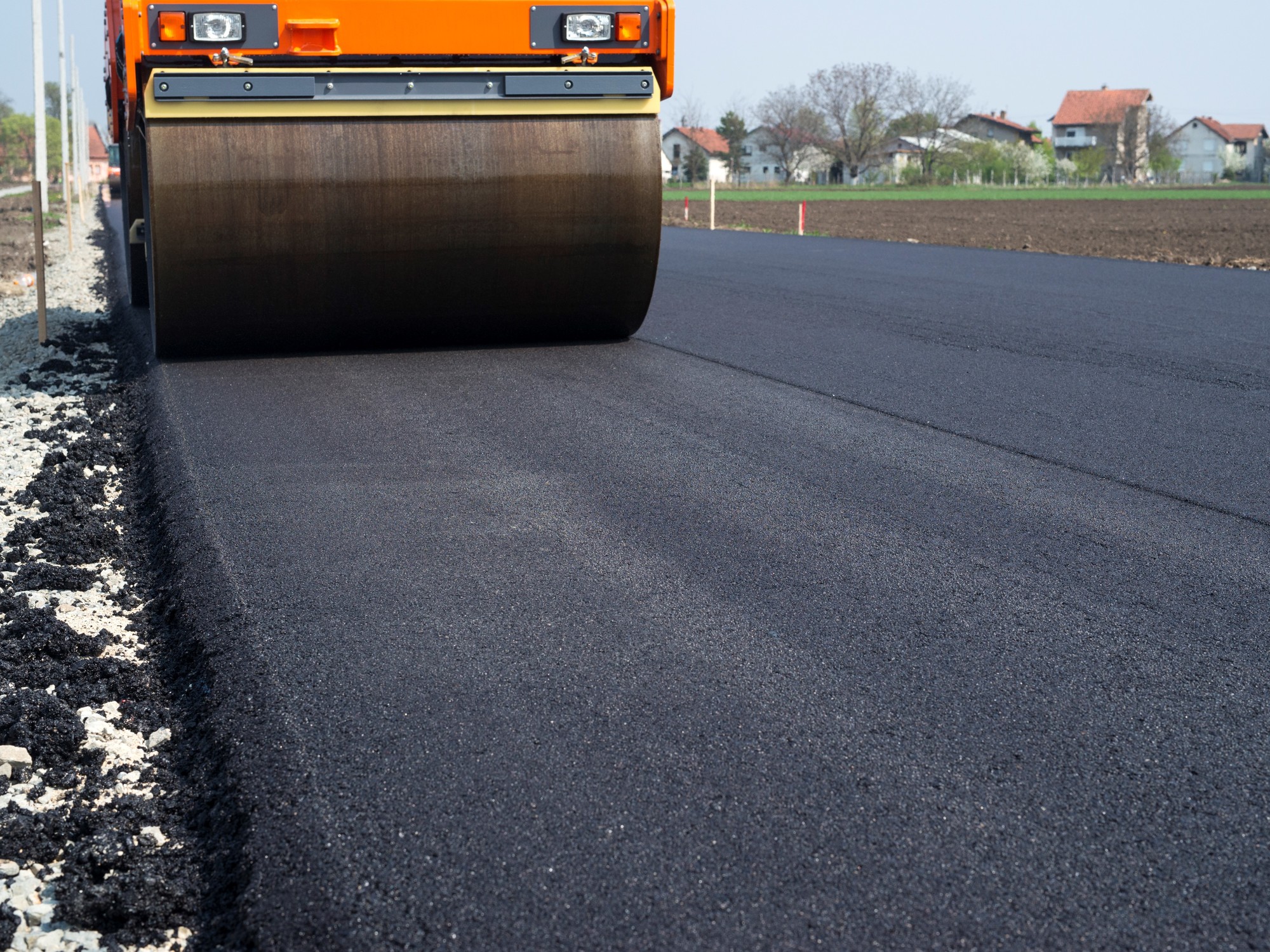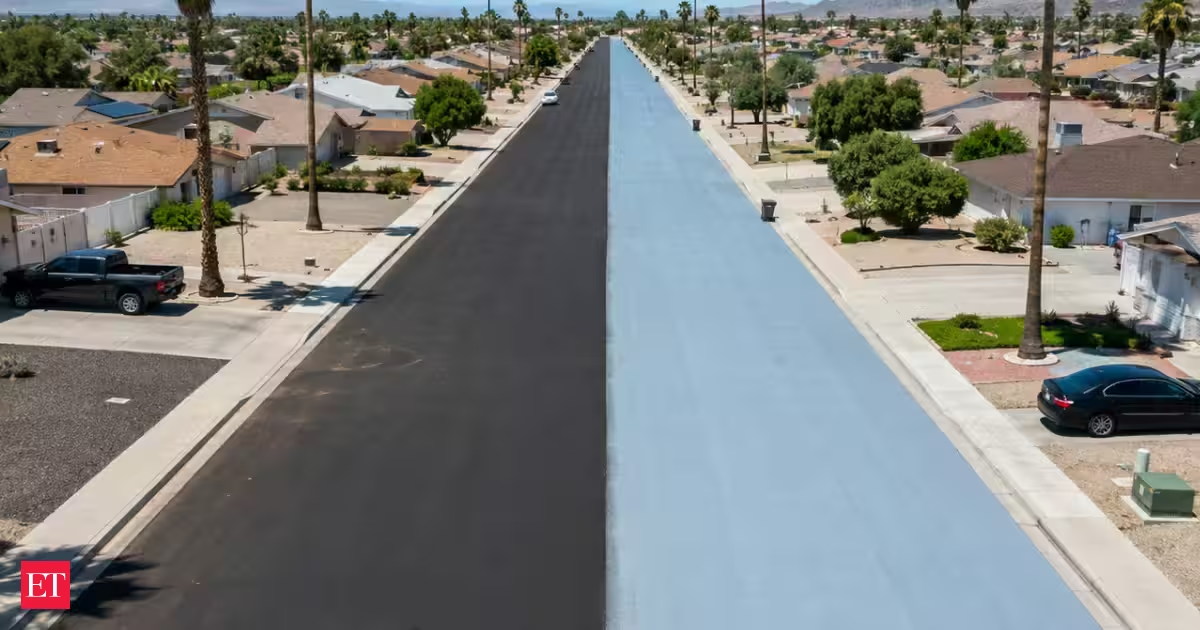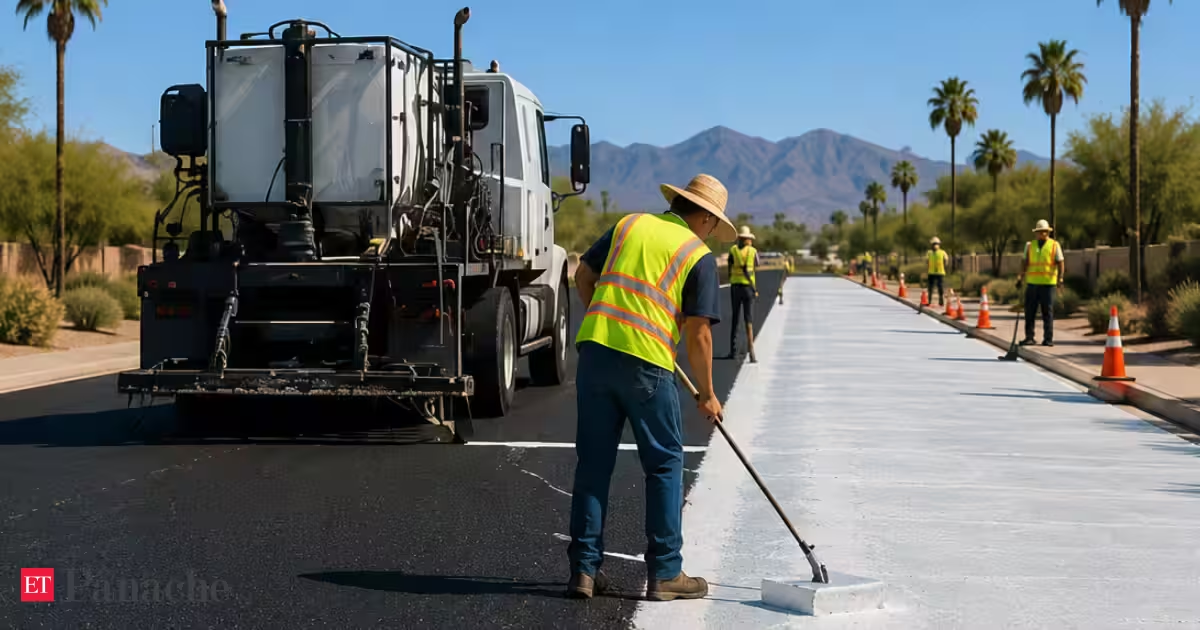
Painting roads a lighter colour sounds like one of the simplest ways to fight extreme heat. Dark asphalt absorbs enormous amounts of sunlight, so replacing its black surface with something more reflective should keep streets cooler. Phoenix, one of America's hottest cities, decided to test exactly that idea. The experiment worked at least when researchers measured the road itself. But when scientists from Arizona State University looked at what pedestrians experienced above those cooler streets, they discovered an important trade-off.Phoenix covered 36 miles of streetsIn 2020, Phoenix's Street Transportation Department partnered with Arizona State University's Urban Climate Research Center to launch its Cool Pavement Pilot Program. Rather than replacing existing roads, crews applied a light-coloured, water-based reflective coating over asphalt. Approximately 36 miles of neighbourhood streets and one public parking lot were included in the initial rollout. Researchers monitored the treated areas from July 2020 to July 2021 and compared them with conventional asphalt nearby. The principle was straightforward. Traditional dark asphalt absorbs much of the Sun's energy and stores it as heat. A more reflective surface sends a greater proportion of that solar radiation away instead.At noon, the road was 12°F coolerOn surface temperature, the experiment produced striking results. ASU found that treated pavement was an average 2.4°F cooler at sunrise, 12°F cooler at noon and 10.5°F cooler during the afternoon compared with conventional aged asphalt. Temperatures beneath the coated pavement were also an average 4.8°F lower. Phoenix subsequently continued experimenting with the technology. A second phase using an updated CoolSeal coating also found that cool pavement could reduce daytime summer surface temperatures by as much as 12°F compared with conventional aged pavement. But measuring the asphalt revealed only part of the story.Pedestrians experienced more radiant heatA road stays cooler because the coating reflects more sunlight rather than absorbing it. That reflected energy, however, has to go somewhere. Researchers measured mean radiant temperature, an indicator of the radiant heat a person experiences from surrounding surfaces and sunlight. The initial study found greater radiant heat exposure over the reflective pavement, reported as an average increase of about 5.5°F.Similar results have appeared elsewhere. Research led by ASU scientist Ariane Middel on reflective pavement in Los Angeles found surface temperatures fell by roughly 4°F to 6°F, while midday mean radiant temperature over the pavement increased by around 4°C, or 7.2°F. In other words, a street can become physically cooler without necessarily making the person walking along it feel cooler. The coating also changed with age Researchers encountered another real-world complication: reflective pavement does not remain pristine.When freshly installed, Phoenix's coating reflected approximately 33% to 38% of incoming solar radiation. Ten months later, reflectivity across the test neighbourhoods had dropped to about 19% to 30%, as dirt accumulated and the material weathered. Conventional asphalt reflected roughly 12%. Despite those limitations, Phoenix did not abandon the idea. Cool pavement has become part of the city's street-maintenance programme, while officials and researchers have continued testing newer versions.Cooling a city is more complicated than cooling a roadPhoenix's experiment offers a useful lesson for cities facing increasingly dangerous summer temperatures. Reflective pavement clearly can reduce asphalt temperatures, potentially bringing benefits for road durability and reducing the amount of heat stored by urban surfaces. But if pedestrian comfort is the objective, reflective roads cannot necessarily do the job alone. Shade trees, canopies and careful decisions about where reflective coatings are installed may matter just as much. Phoenix succeeded in making its roads cooler. Its experiment also demonstrated something less obvious: cooling the ground beneath people's feet and cooling the people standing on it are two very different engineering problems.
Phoenix coated 36 miles of black asphalt with reflective coating to fight extreme heat. Road temperature dropped by 12°F, but pedestrians found a surprising side effect
To tackle the oppressive heat, Phoenix pioneered the use of lighter-toned roads, which successfully reduced surface temperatures significantly. However, this solution led to an increase in radiant heat impacting pedestrians walking nearby. Moreover, the effectiveness of the reflective coating waned over time as it succumbed to dirt and weather conditions.
601 words~3 min read