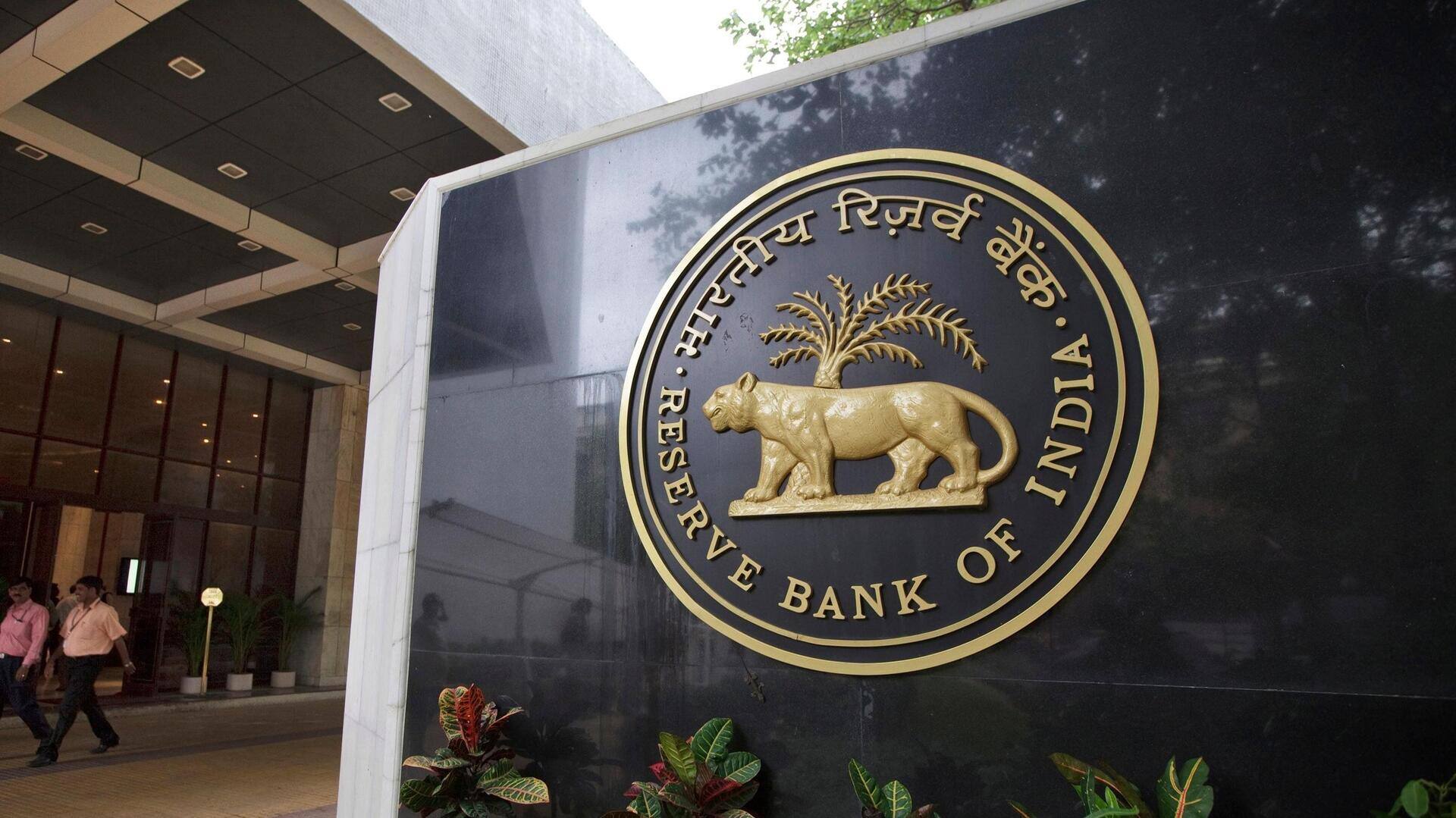
Foreign investments in India are at an all-time low. Net foreign direct investment (FDI) was about $7 billion in FY26, one of the lowest levels India has seen in recent years. It is in this context that the proposed changes to the NDI Rules, which the RBI has placed for public comment, gain greater significance. On July 21, the RBI released the Draft Foreign Exchange Management (Foreign Investment) Rules proposing to replace the existing Non-Debt Instruments Rules, 2019 and invited public comments on the draft until August 31.
The NDI rules govern how foreign investors can acquire, hold, or transfer assets in Indian entities.Now, there are two key changes that the draft rules propose. The first concerns the pricing at which transactions can take place. The second is the definition of “foreign control,” and the subsequent regulations that apply once control is established. The proposed changes may have significant economic costs, such as stifled Mergers and acquisitions activity, stranded distressed assets, and deterrence of foreign capital. Increasing regulatory frictions at a time when India needs foreign capital seems like a counterproductive move.
Changes in pricing
Let’s say a foreign investor wants to buy a stake in an Indian start-up. What should the price of the transaction be? There may be a theoretical discounted cash flow value (considered the fair market value), but in reality, the actual price depends on negotiations between the buyer and the seller.For example, the foreign investor may negotiate an earn-out clause, paying the first 80% at the time of purchase and the remainder after a year based on the company meeting some revenue target. If the start-up is in distress, it might sell shares at a discount because it needs cash quickly. However, such pricing flexibility is not possible under existing rules. The RBI insists that foreign investors must pay at least the fair market value at the time of purchase, or receive only up to the FMV at the time of sale. While the idea of fair market value can itself be called into question, the current arrangement leaves enough room for pricing structures between the thresholds.The proposed new rules seek to ensure that transactions must occur only at the “exact determined price.” This will eliminate much of the existing pricing flexibility and narrow the range of possible transactions. Buyers and sellers rarely agree on the value of a transaction. Without flexibility to work around the determined price, deals may not go through.Further, companies in distress may not find takers at the exact determined price. There is often a need for a deep discount for a transaction to take place. The proposed pricing norms could force deals into a rigid framework, leaving little room for buyers and sellers to negotiate and share risk. A mathematical valuation model cannot always capture the absolute truth.