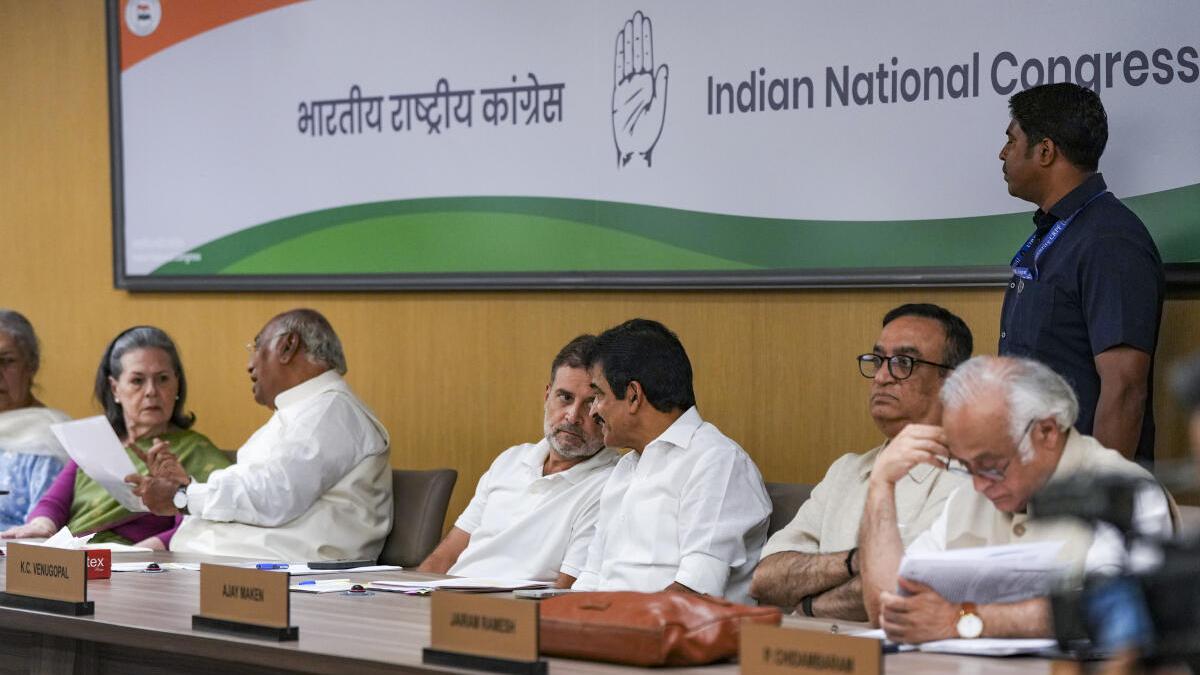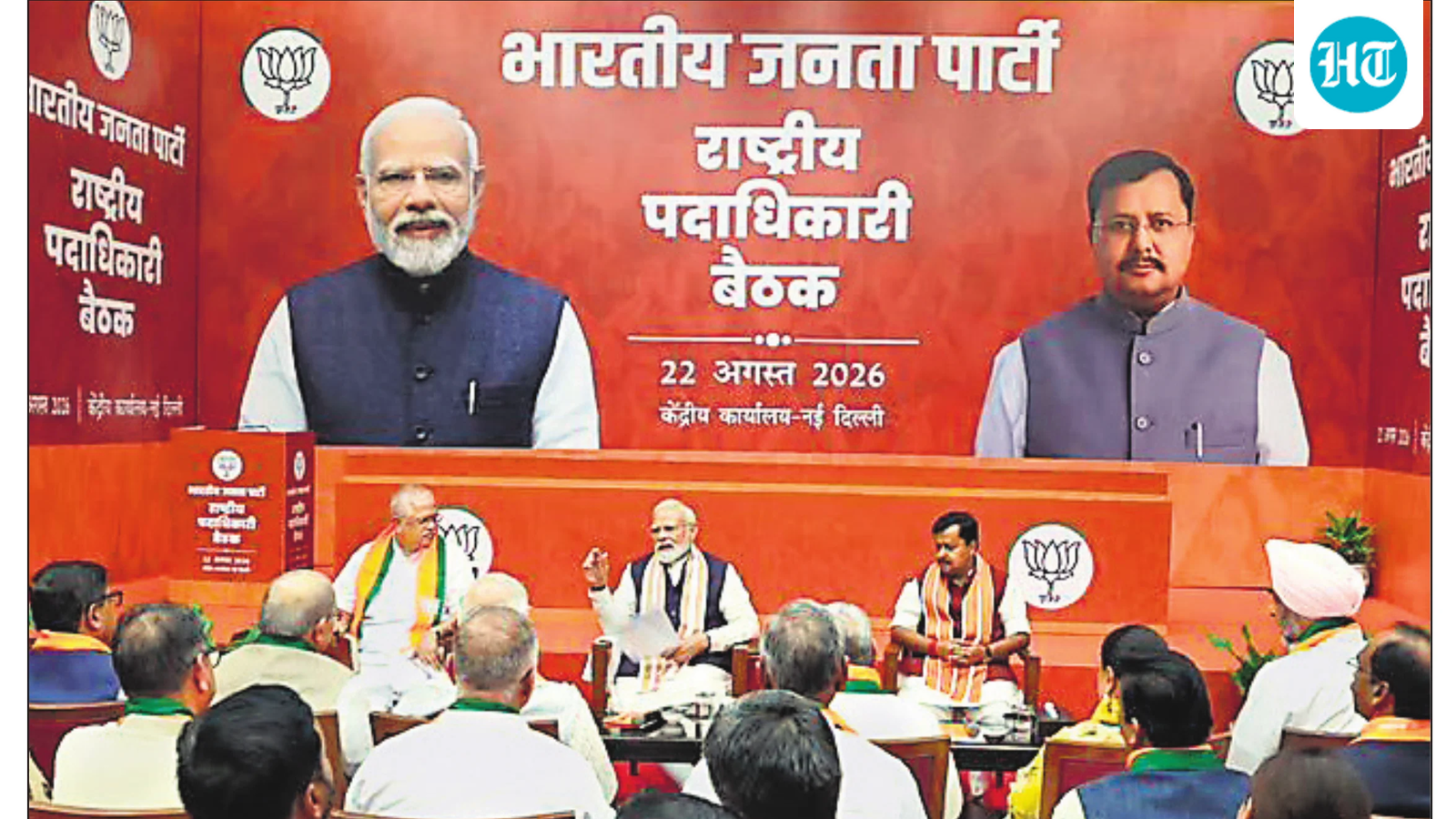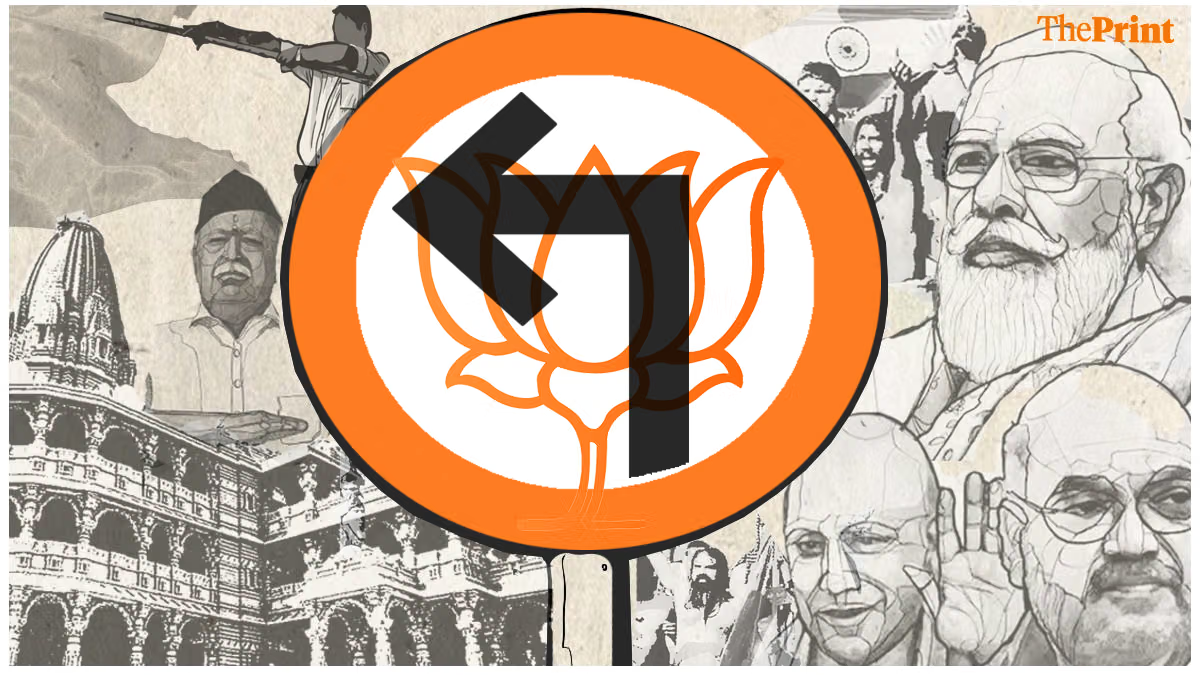
The recent row over reciting all six stanzas of Vande Mataram once again highlights the BJP and RSS’s unabashed appropriation of symbols rooted in opposing ideologies.
The irony is unmistakable. Vande Mataram was one of the first nationalist elements adopted by the Indian National Congress after its birth in 1885. Early renditions included Rabindranath Tagore’s recital at the Congress’s 1896 Kolkata session and his niece Sarala Devi Chaudhurani’s stirring recitation at the party’s Varanasi session in 1905. The tradition of opening proceedings with the song has been one of the party’s oldest and most enduring rituals for decades. Over time, it became inseparable from the Congress, even as revolutionaries adopted Vande Mataram as a rallying cry of sacrifice.Though some Muslims objected to the song in the first decade of the 20th century (Vande Mataram, The Biography of a Song, Sabyasachi Bhattacharya, p 24), opposition was limited. It changed in 1937, when the Muslim League, after defeat in provincial elections, turned to communal politics. Leaders like MK Gandhi and Jawaharlal Nehru acknowledged the song’s historic weight but resisted imposing it, seeking to preserve the Congress’s inclusive character. The Congress sought the counsel of Tagore, who advised limiting the recitation to the first two stanzas (Bhattacharya, p 33). Even after that, the song’s stature never waned. Generations of Indians sang it in schools during Congress-led governments, and All India Radio broadcast it regularly.