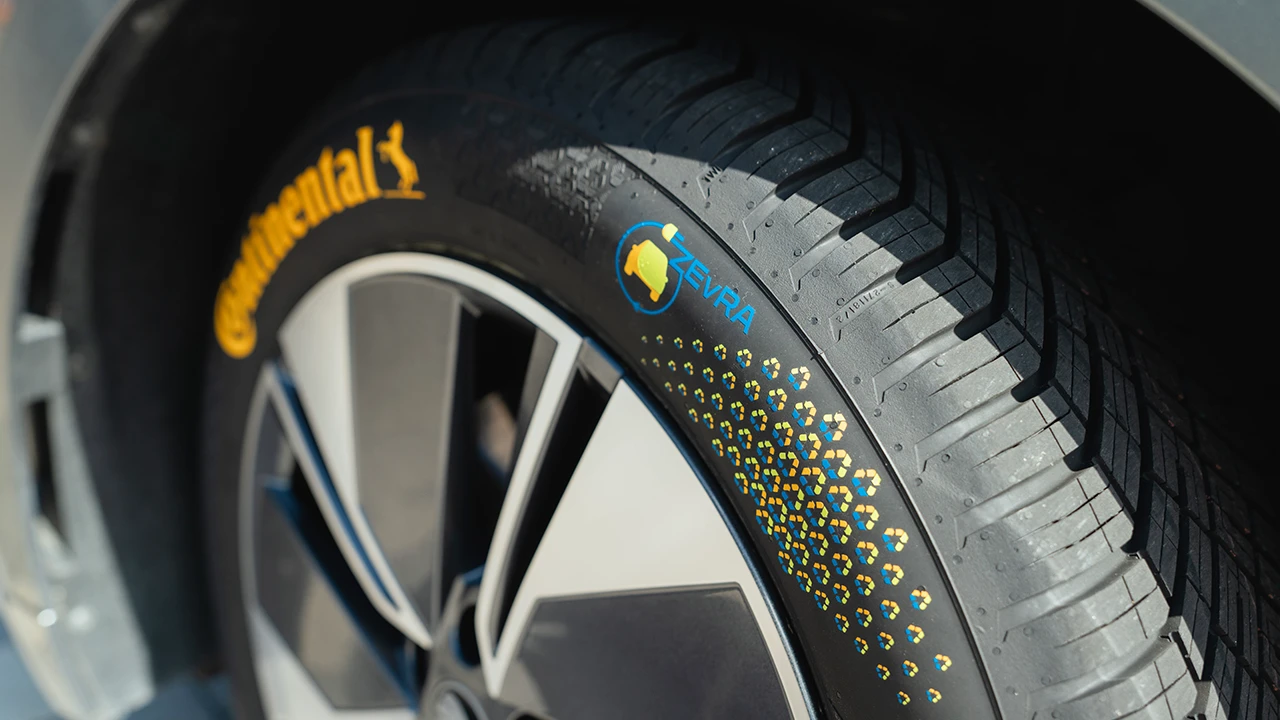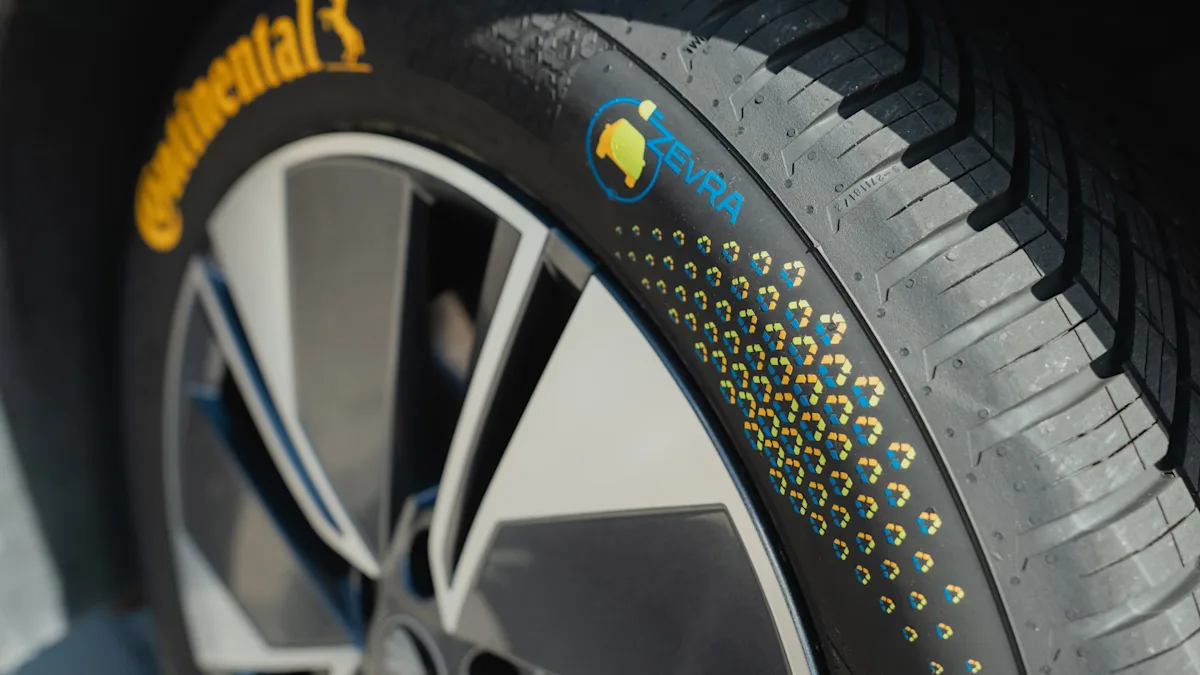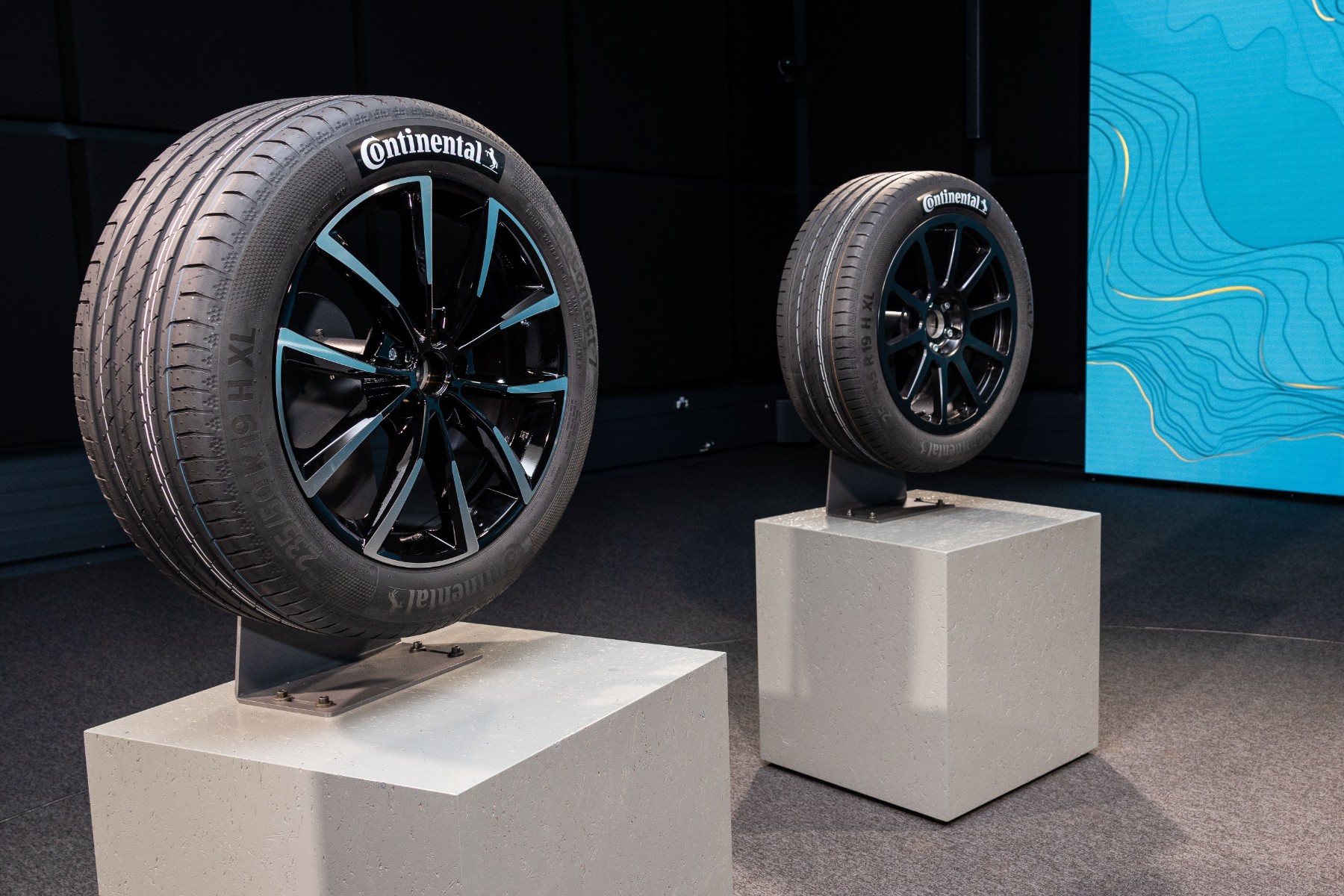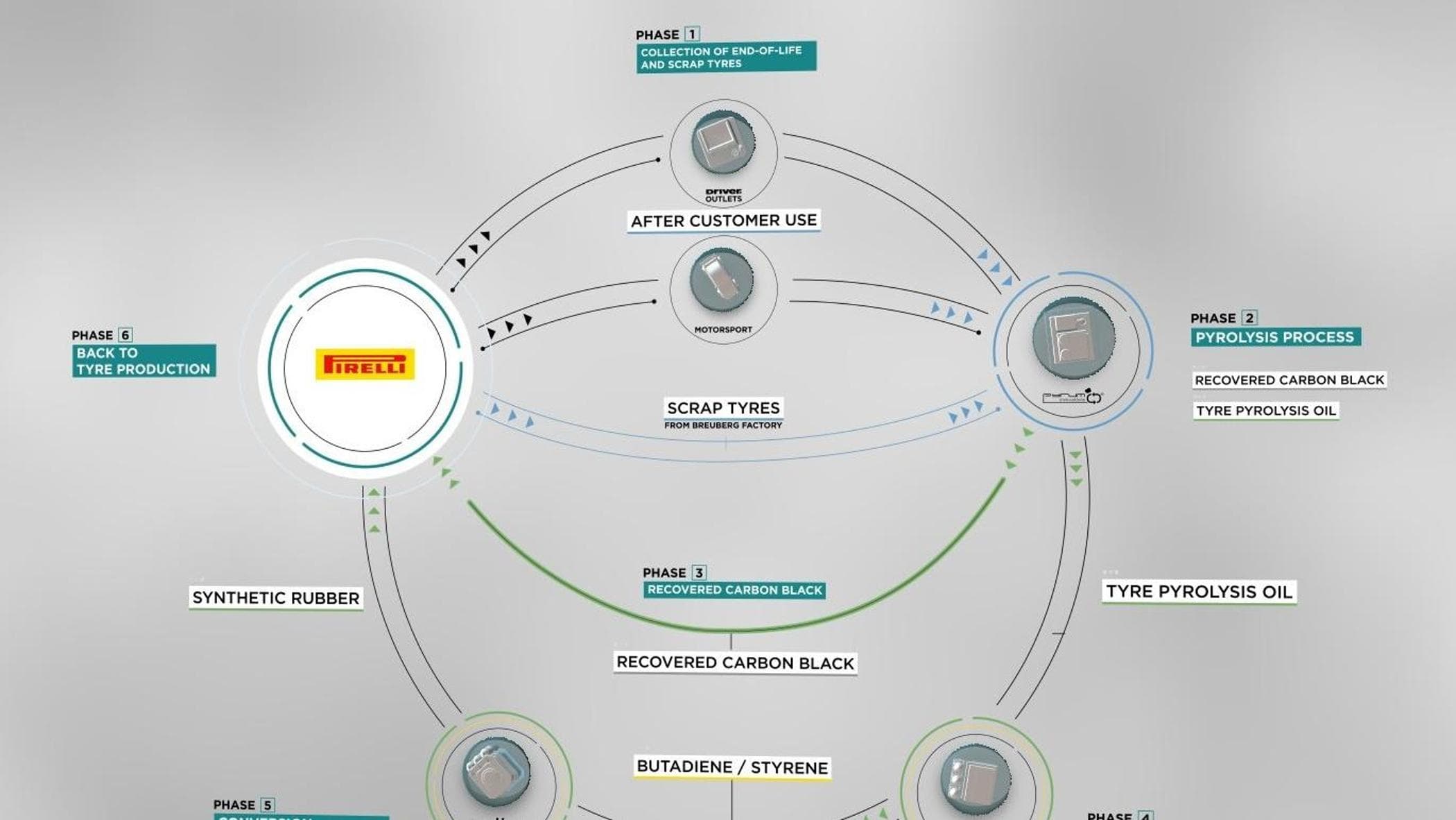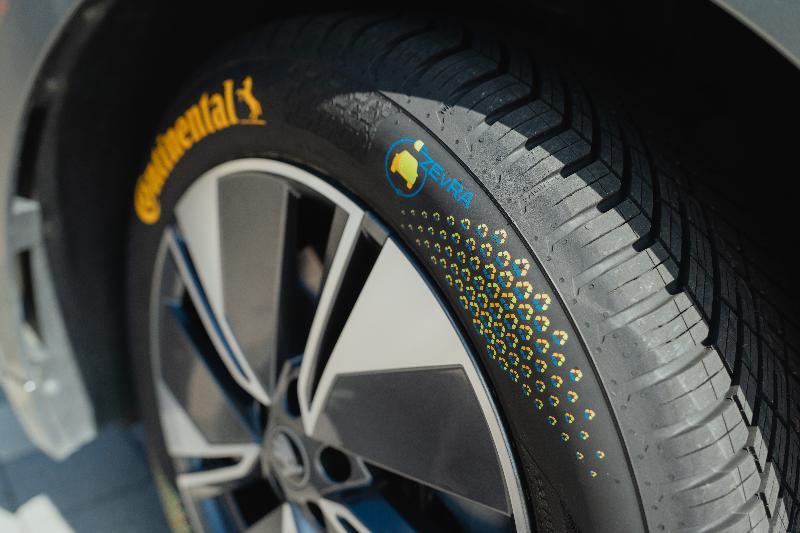
The concept tyre was developed as part of the EU project ZEvRA (Zero Emission Electric Vehicles Enabled by Harmonised Circularity), which aims to improve the circular economy of electric vehicles across the entire value chain. According to Continental, it is the only tyre manufacturer among the 28 project partners. In total, more than 80 per cent of the materials used are sourced from recycled, renewable or mass-balance-certified origins.
Around 43 per cent of the materials are recycled, including steel, rubber from end-of-life tyres, polyester yarn from PET bottles and recovered industrial carbon black. Despite the high proportion of recycled materials, the concept tyre achieves the top rating for rolling resistance on the EU tyre label, according to Continental. This is particularly relevant for electric vehicles, as low rolling resistance reduces energy consumption and thus extends range.
However, several challenges remain before a corresponding production model can be realised. Continental highlights the availability of high-quality recycled materials, the scalability of processes and the lack of standardised regulatory definitions as key hurdles. Nevertheless, the share of renewable and recycled production materials in its tyre portfolio is set to increase further. In 2025, this share stood at 28 per cent and is targeted to rise to at least 40 per cent by 2030.