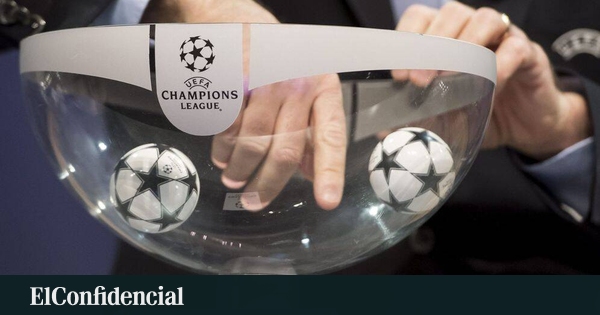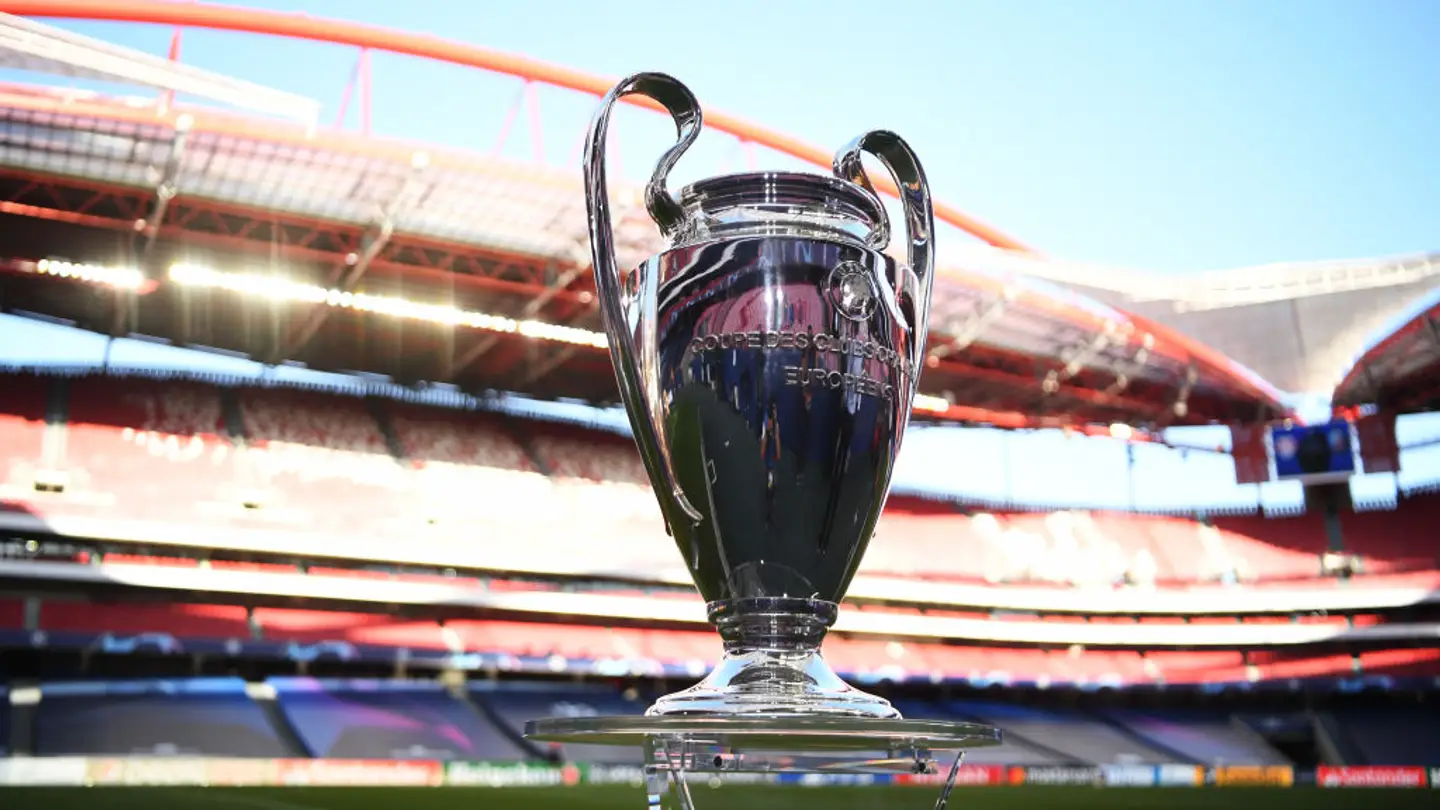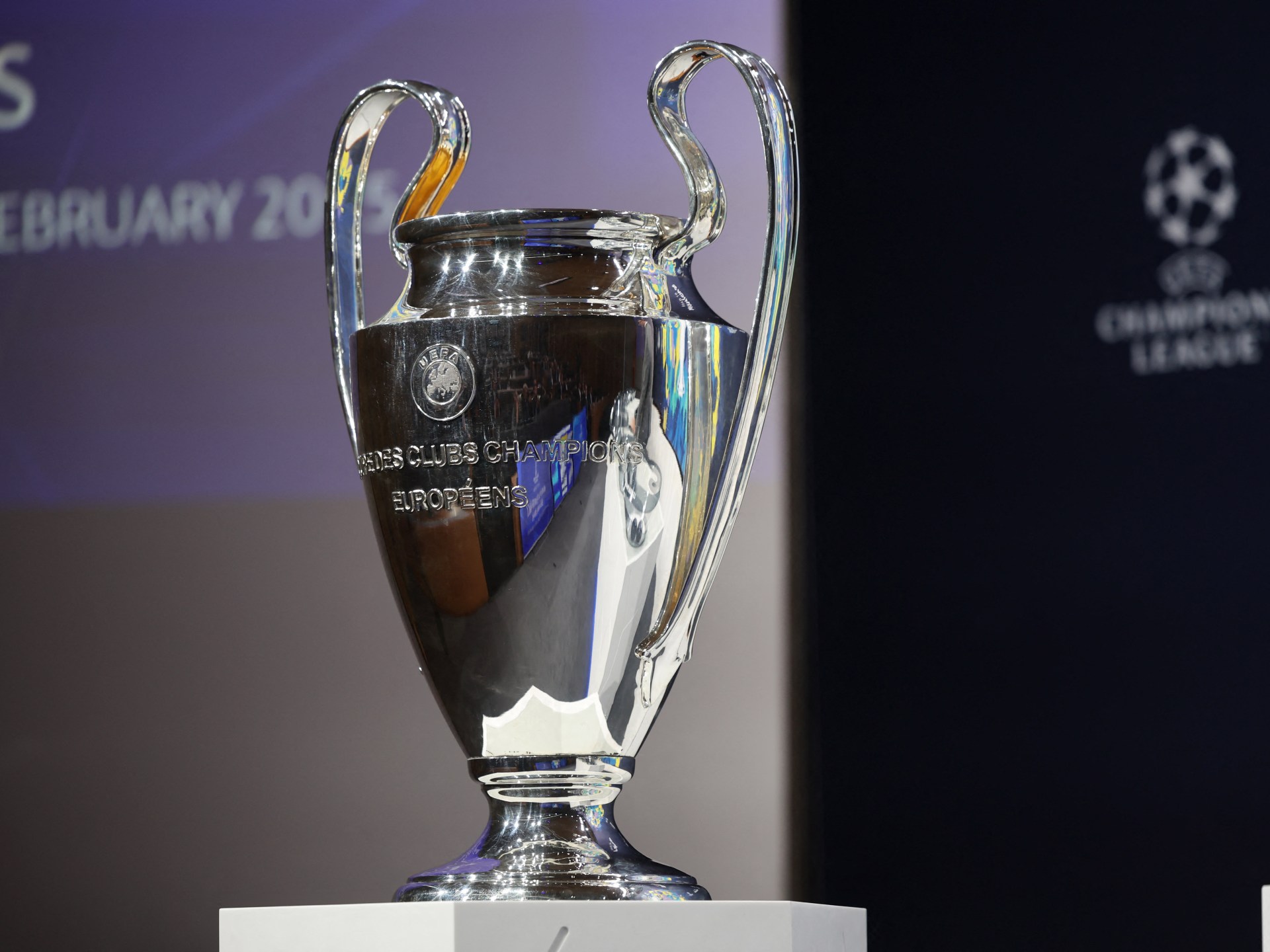
The Champions League is rearing into view, with the qualifying rounds almost complete and the draw for the “League Phase” as we must now call it set to take place this Thursday.Five Spanish clubs are in the hat eagerly awaiting their destiny in Europe’s biggest and most glamorous club competition. Alongside Barcelona and Real Madrid, third-placed La Liga finisher Villarreal will take part in the Champions League for consecutive seasons, while Atlético Madrid have been there every year since 2013. Finally, Real Betis are back at Europe’s top table for the first time in 20 years.Due to La Liga’s high UEFA coefficient, all five teams were spared the inconvenience of having to battle through the qualification rounds and can sit pretty as they wait to find out the eight teams they will play in the still-fairly-newly revamped 36-team league phase between September and January. When Is the Champions League Draw?The draw takes place on Thursday in Switzerland. | Kristian Skeie/UEFA/Getty ImagesThe League Phase draw for the 2026–27 Champions League will take place on Thursday, August 27 at UEFA HQ in Nyon, Switzerland.It has a scheduled start time of 6 p.m CET / 5 p.m BST / 12 p.m ET / 9 a.m PT.However, do not expect the draw to get underway immediately. UEFA’s working approach to the crossover between administration and ceremony tends to be ‘why take 10 minutes to pull some balls out of a bag when you could take two hours?’Who Could Barcelona and Real Madrid Get?José Mourinho’s Madrid await their fate. | Hesham Elsherif/NurPhoto/Getty ImagesHaving undergone a format remix ahead of the 2024–25 season, the Champions League is now entering its third year of the one big group model in which 36 teams are ranked against one another in the standings (despite not all actually playing each other).Each team is drawn to play eight opponents—four home, four away. All 36 teams are separated into four pots based on their UEFA coefficient (ranking), with Pot 1 teams being the strongest and so on. Every team will then be drawn to face two opponents from each pot. Teams cannot be drawn against an opponent from their own country in the League Phase.After the League Phase matches are played, the eight teams with the most points from their matches qualify for the Round of 16, while the teams ranked from 9–24 are required to face a separate play-off.Champions League Draw PotsPot 1Pot 2Pot 3Pot 4Paris Saint-GermainBorussia DortmundFeyenoordSlovan Bratislava/CeljeBayern MunichRomaLilleVfB StuttgartReal MadridSporting LisbonNapoliLevski Sofia/AEK AthensLiverpoolAston VillaRB LeipzigComoInter MilanPortoVillarrealLensManchester CityManchester UnitedShakhtar DonetskSabahArsenalClub BruggeGalatasarayLASKBarcelonaReal BetisFenerbahçe/LyonSlavia PragueAtlético MadridPSV EindhovenBodø/GlimtDinamo Zagreb/VikingBest Case DrawManchester City look very different these days. | Nick Potts/PA Images/Getty ImagesFor teams like Barcelona and Real Madrid who are expected to qualify out of the League Phase with minimal fuss, while juggling dual ambitions in the domestic league, an ideal draw means the least amount of travel possible, to the least hostile environments—save the spicy European nights for the business end of the tournament.There are no ‘easy’ draws from Pot 1, but Barça and Madrid would likely fancy their chances against Italian champions Inter Milan and possibly Manchester City, currently transitioning out of their Pep Guardiola era, over some of the other options.However, for variety Madrid in particular might prefer a change up having faced City 13 times in this competition since 2020. A Barcelona vs Manchester City match up would offer an early reunion for Rodri against the club he left this summer.From Pot 2, Club Brugge fit the bill as a short-haul trip against an opponent from outside of Europe’s big five leagues. It’s a similar story with PSV Eindhoven, who have never beaten either Real Madrid nor Barcelona in eight Champions League meetings so far.In Pot 3, Shakhtar Donetsk of Ukraine are—understandably—far from the force they once were. They will play this season’s home games at Chelsea’s Stamford Bridge. French side Lille is another draw that is unlikely to cause much visible wincing from the Barcelona and Madrid delegates in attendance.Given the gap in quality between La Liga’s giants and the teams in Pot 4, the preference will be to avoid a long away trip. However, Sabah, from Azerbaijan, are a much less challenging prospect if they have to come to Spain. LASK, despite their heroics against Celtic to get this far, are another of the more trouble-free options from the known qualifiers.Worst Case DrawPSG are aiming to win a third consecutive Champions League. | Kevin Voigt/Getty ImagesPSG are the obvious ones to avoid from Pot 1, having dominated the competition for the last two years. However, Luis Enrique’s side are slow starters and have had to go through the play-offs in each of the last two seasons. Meanwhile, Premier League winners Arsenal made the final last season after a perfect League Phase in which they won eight from eight.Borussia Dortmund’s raucous ‘Yellow Wall’ is a sight best saved for the knockouts if possible, while there are a host of big names in Pot 2. None are bigger than Manchester United, who return to the Champions League for the first time since 2024—before the format revamp.In Pot 3, Bodø/Glimt have all the qualities of a banana skin—right down to their jersey color—and a trip to the Arctic circle in winter to play on an artificial surface rarely works out well for European heavyweights. A Victor Osimhen-led Galatasaray caused plenty of problems in last season’s Champions League, beating Liverpool and taking points off Atlético Madrid, before beating Juventus in the knockout playoff to make the Round of 16. Finally in Pot 4, Stuttgart feel out of place given their pedigree and Sebastian Hoeneß’s team will be a real test for whoever they are drawn against. Como could not be a more delightful away day for the fans, but Italy’s flashy upstarts are dangerous. Beware of former (and potentially future) Real Madrid star Nico Paz.What Are Barcelona and Real Madrid’s Realistic Ambitions?The 2024 Champions League with the last trophy Real Madrid won. | Matthias Hangst/Getty ImagesWith both Barcelona and Real Madrid the expectation is always to be there until the end.Getting out of the League Phase is taken as a given and it will be seen as a catastrophe if either club falls at the first hurdle, especially given how the new-look format makes it especially difficult for the big teams to make an early exit.Beyond that, Barcelona have impressed under Hansi Flick but need to now take the next step and reach their first final since 2015. Madrid may be a less settled side, but their unparalleled history in this competition as 15-time winners means they are expected to be among the contenders regardless of how good the team actually is in any given moment. The last major trophy Real Madrid won was the 2024 Champions League.What About Spain’s Other Teams?Julián Alvarez’s situation casts a shadow over Atlético. | Angel Martinez/Getty ImagesAfter stunning Barcelona to reach last season’s quarterfinals, Atlético Madrid know they can go deep in this competition. Diego Simeone’s team has been bolstered by interesting signings in the summer window, but the still-recent loss of string-puller Antoine Griezmann and ongoing situation surrounding forward Julián Alvarez complicates matters.For Villarreal and Real Betis, making knockout phase will be seen as an achievement given their resources and relatively limited exposure to big European nights against top-tier opposition.However, with experienced, quality operators like Georges Mikautadze, Nicolas Pépé, Pape Gueye and Canada star Tajon Buchanan at his disposal, manager Iñigo Pérez—who led Rayo Vallecano to the Conference League final last season—might just turn the Yellow Submarine into a dark horse in this tournament.Add us as a preferred source on GoogleFollow
Best, Worse Case Champions League Draws for Barcelona, Real Madrid
Spain’s teams will find out their League Phase opponents this Thursday.
1,267 words~6 min read