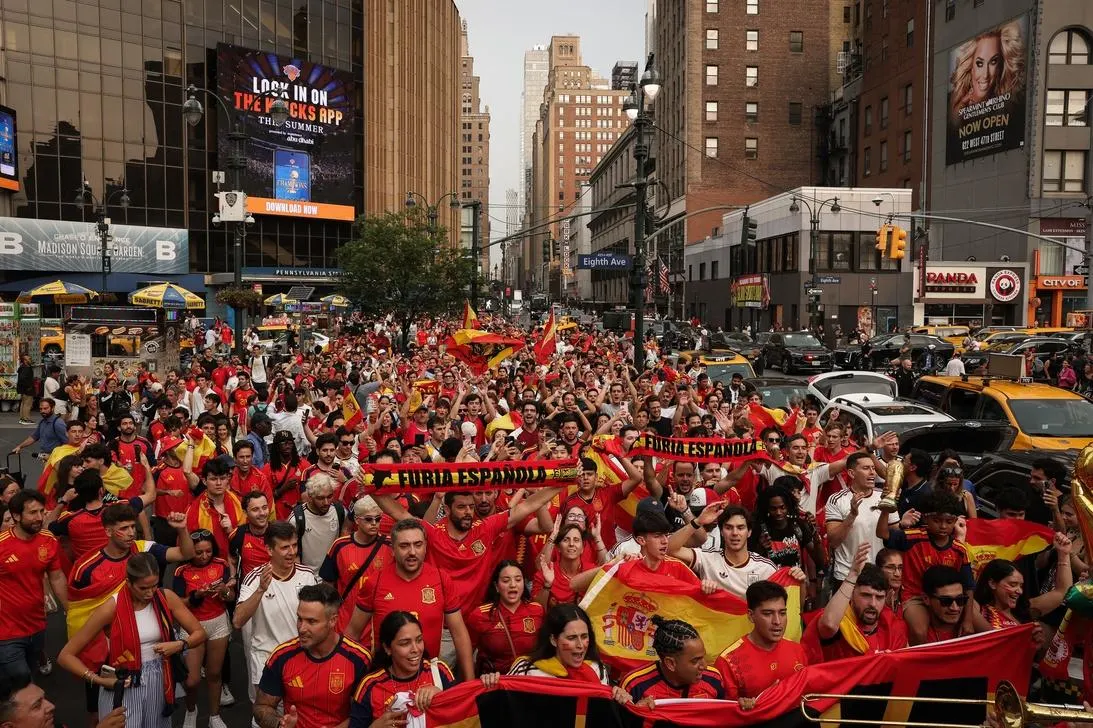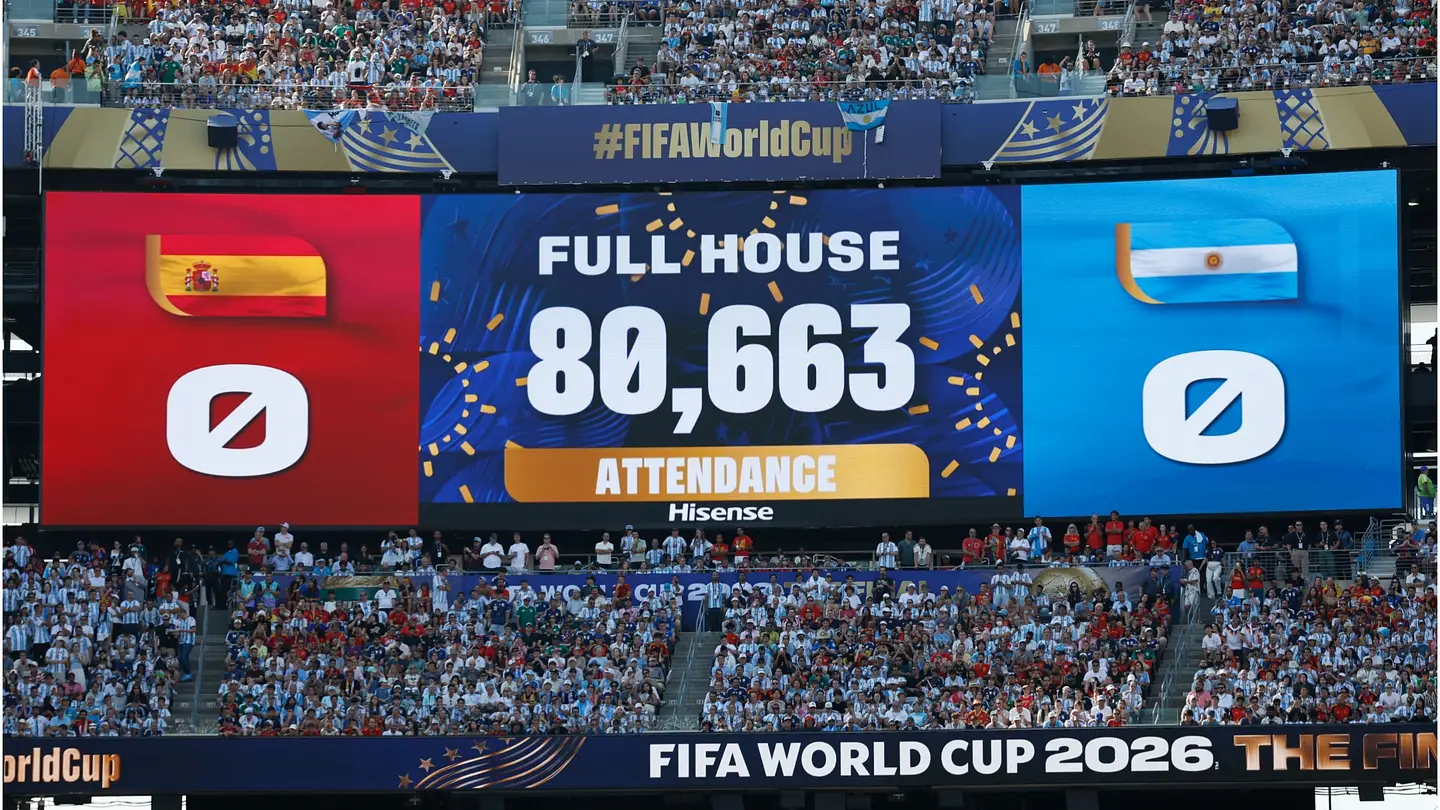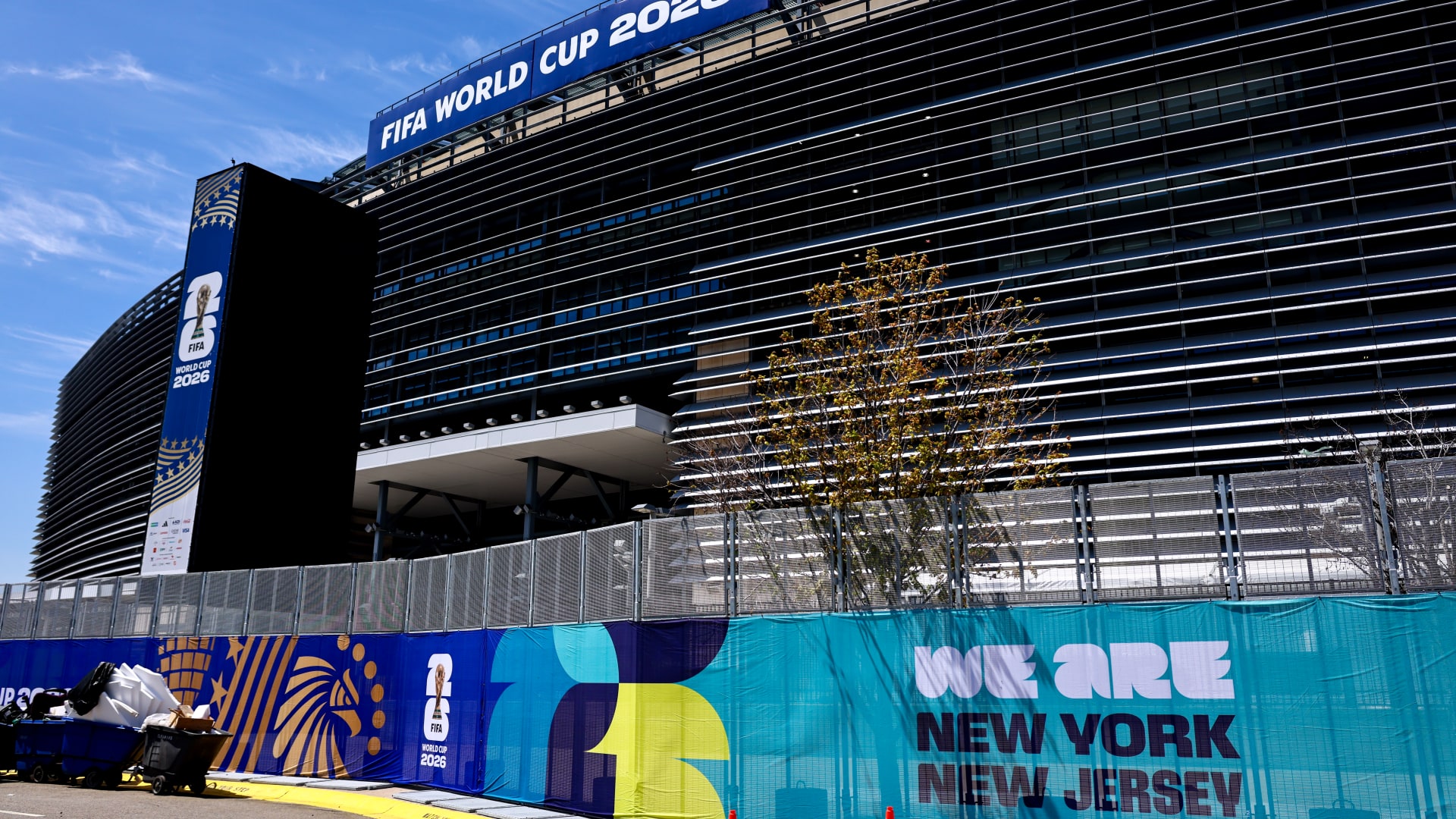
The report, conducted by Tourism Economics, an Oxford Economics company, found the $1.9 billion in direct spending during the tournament rippled out to $3.5 billion in total economic activity once indirect and induced effects were counted. More than 645,000 fans attended the region’s eight matches, including the July 19 final at MetLife Stadium, while another 626,300 non-local visitors traveled to New York or New Jersey for Official Fan Events and related programming. Together they spent $1.7 billion in the regional economy; the Host Committee, FIFA, and other stakeholders added another $286 million in operational spending.
That’s not the end of it. The tournament also led to the creation of 27,424 total jobs, including nearly 18,000 directly tied to World Cup operations and visitor spending. Food and beverage businesses saw the largest employment gain, at roughly 4,500 total jobs, followed by transportation and lodging at about 4,400 and 4,000 jobs, respectively. Those jobs translated into $1.4 billion in total labor income.
The tax revenue, however, told a smaller story. Of the $3.5 billion in total economic impact, $759.2 million flowed back to government coffers as tax revenue, about 22 cents of every dollar the tournament generated, split between $414.2 million for state and local governments and $344.9 million federal. That’s the return public officials can point to directly, even as the broader $3.5 billion figure captures private-sector activity—hotel bookings, restaurant tabs, retail sales—that doesn’t touch a public budget line at all.