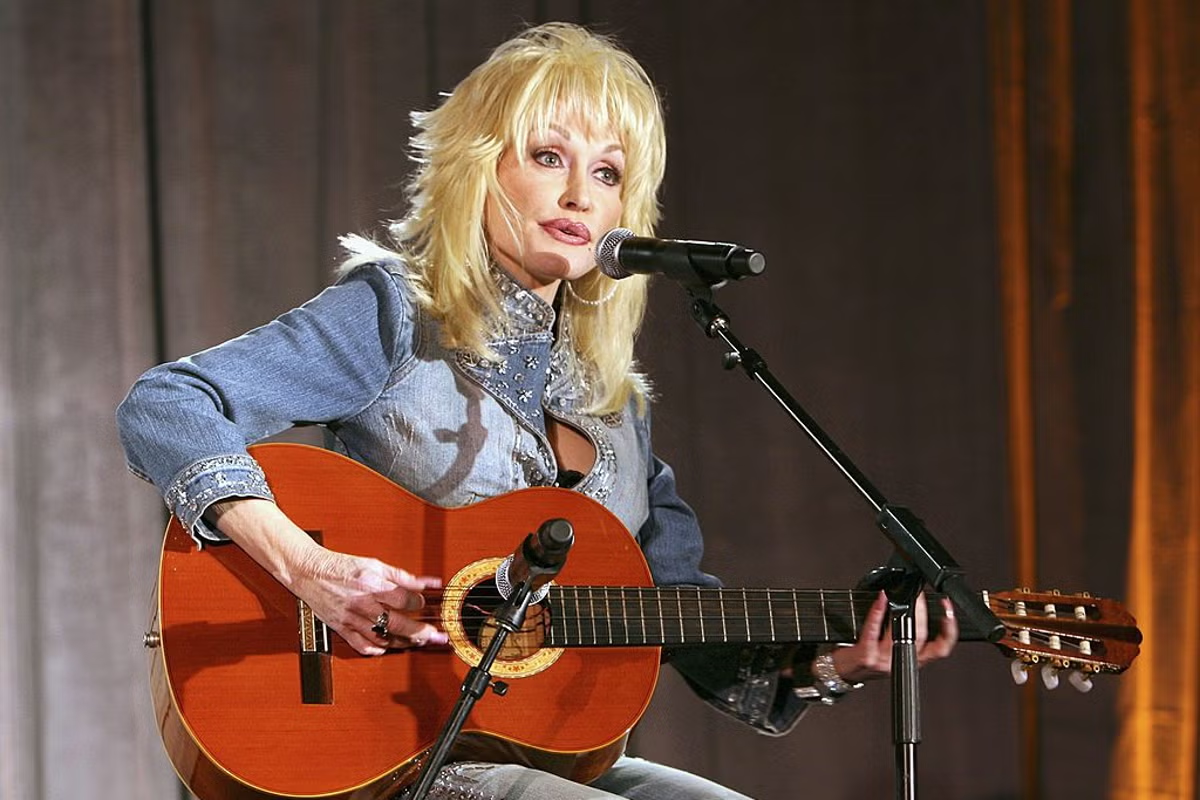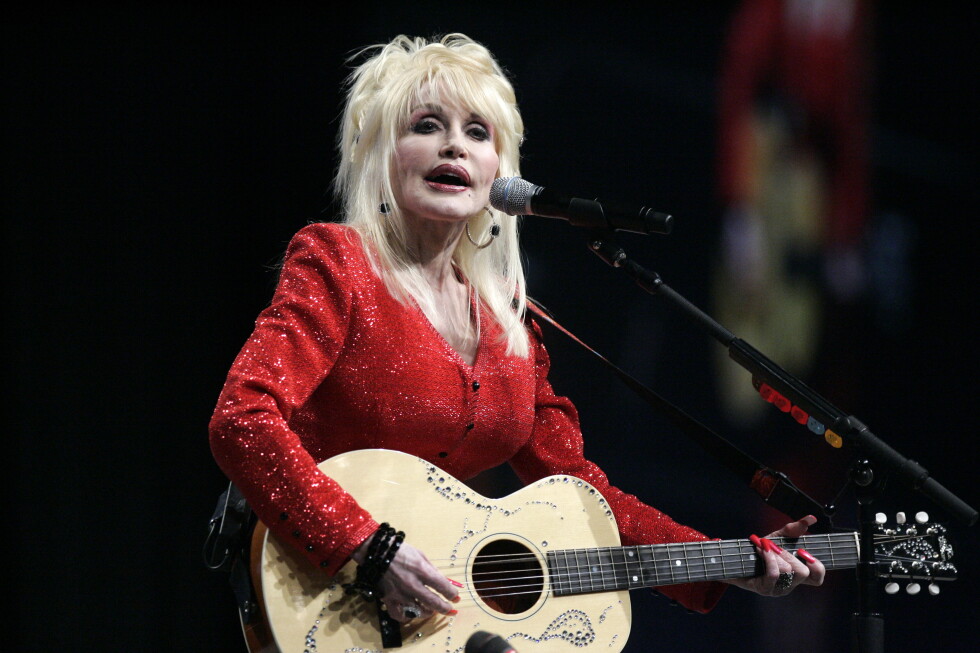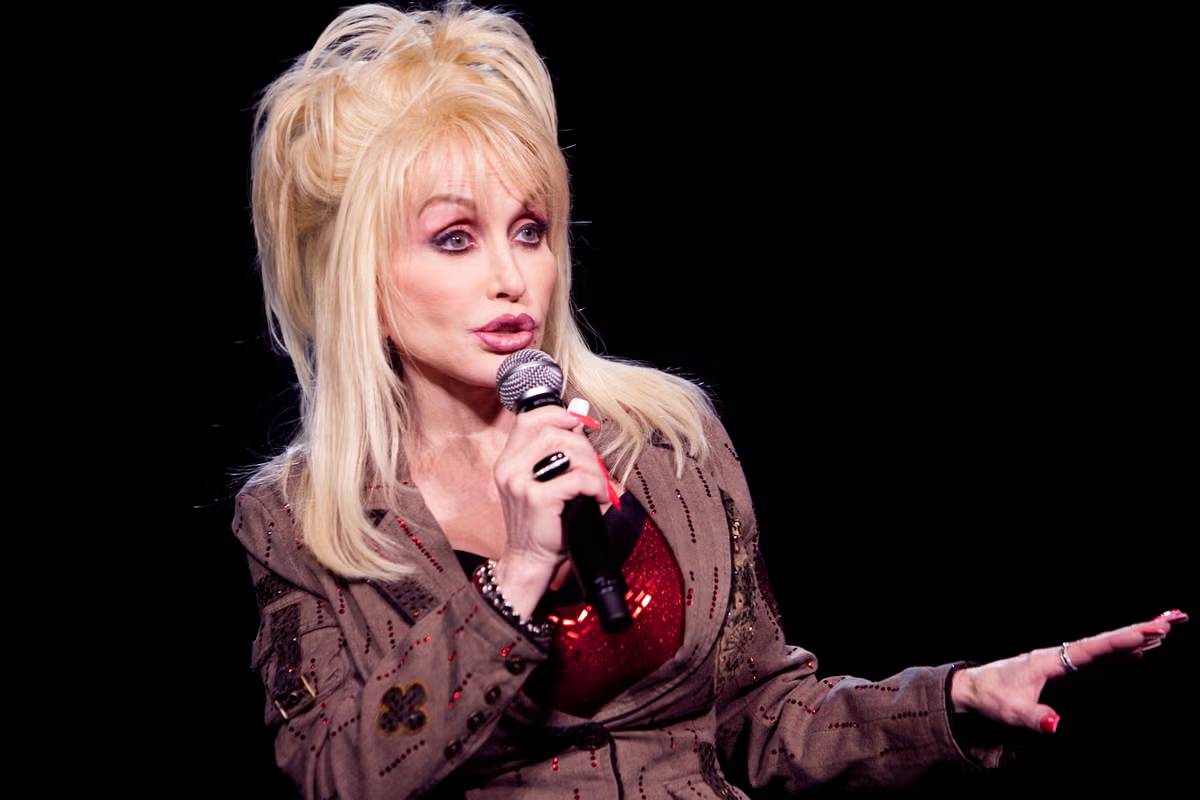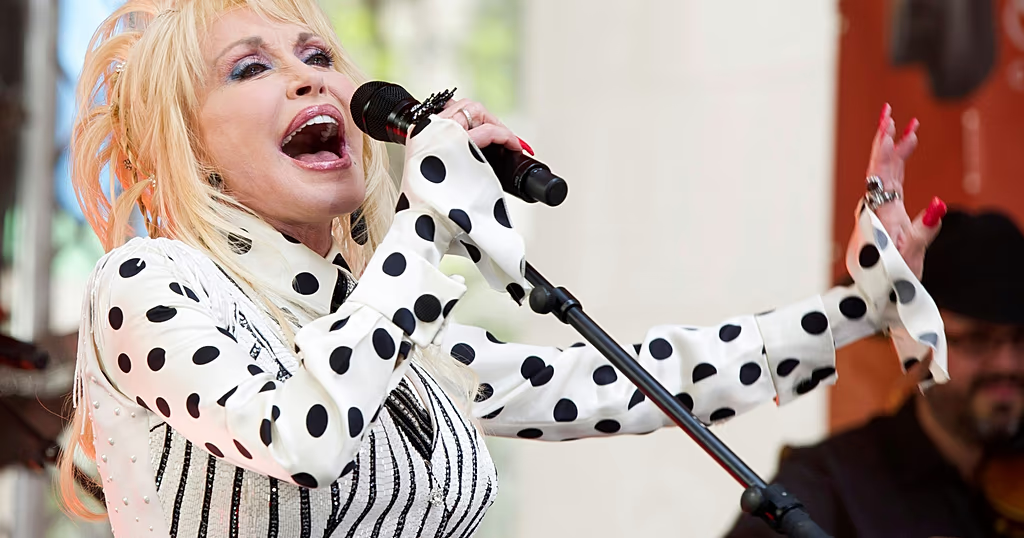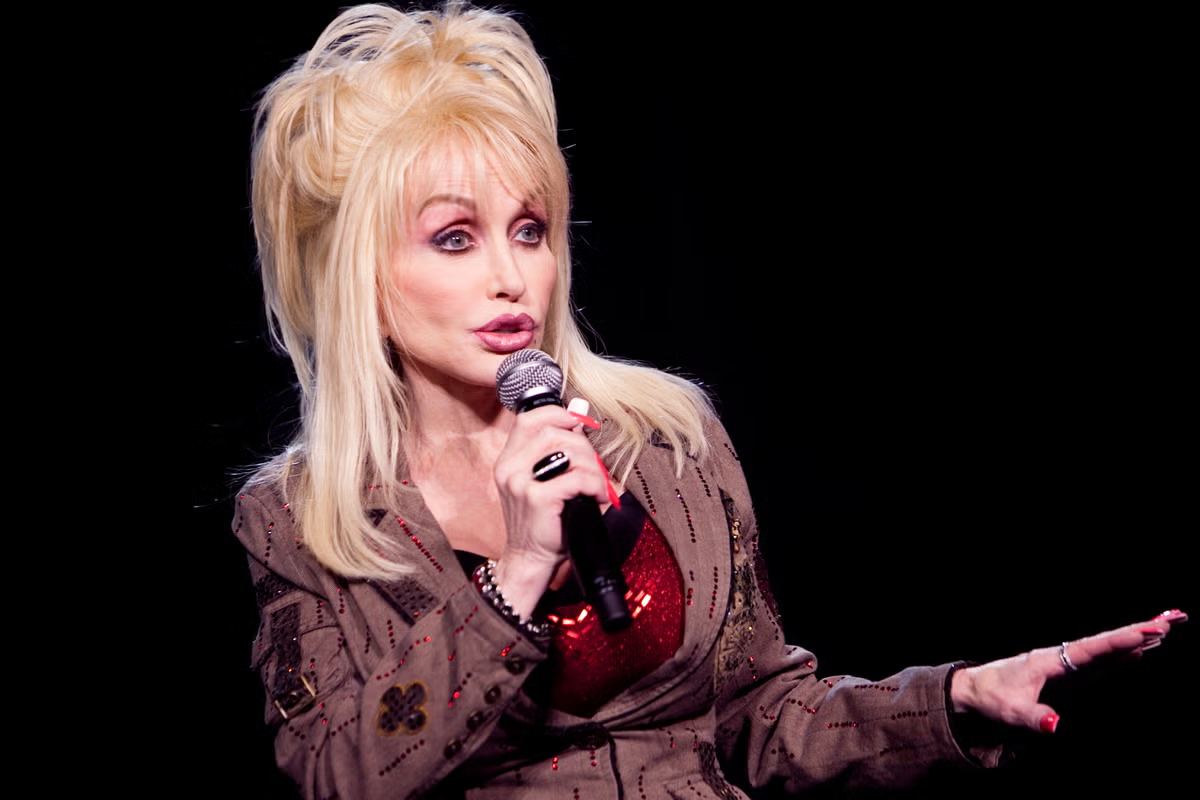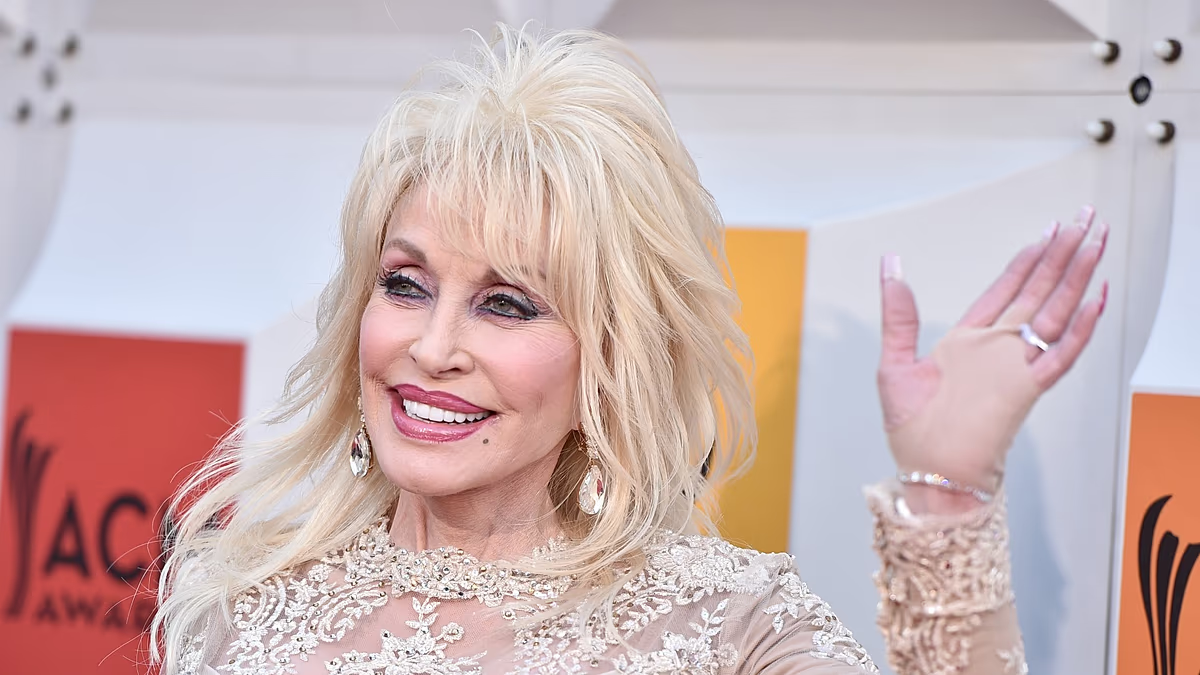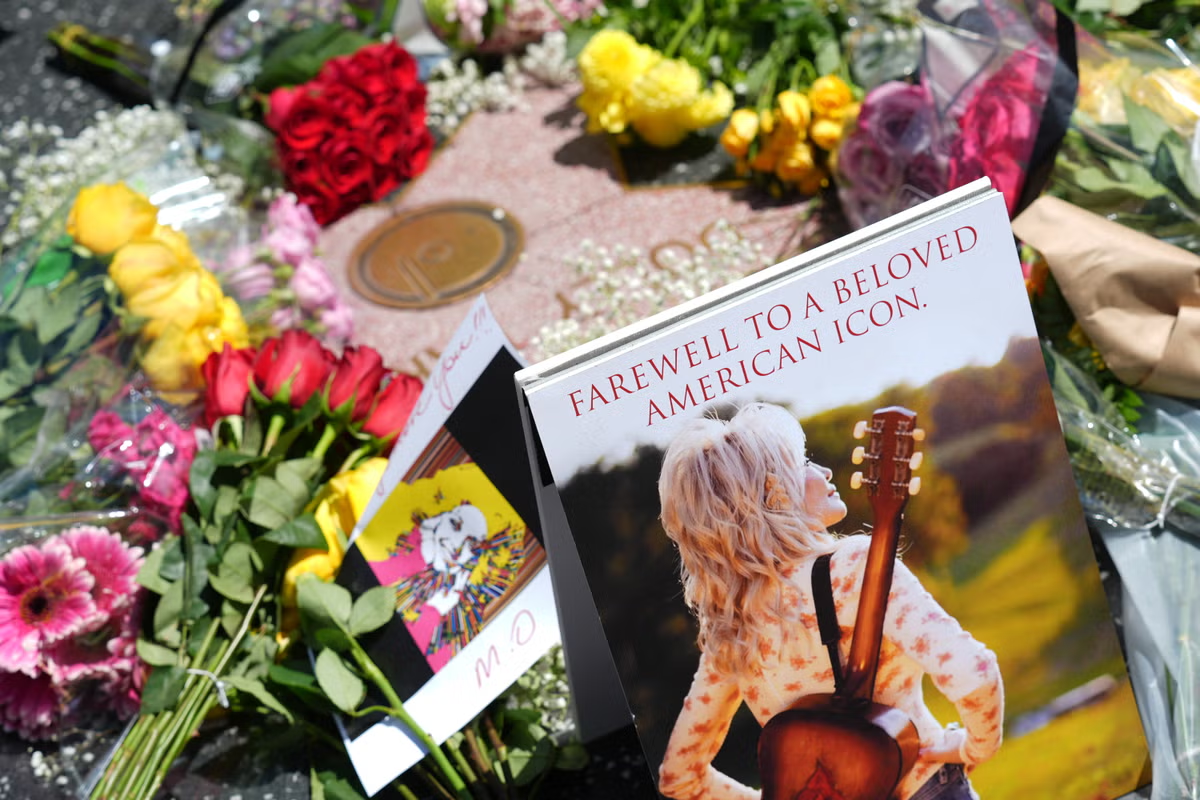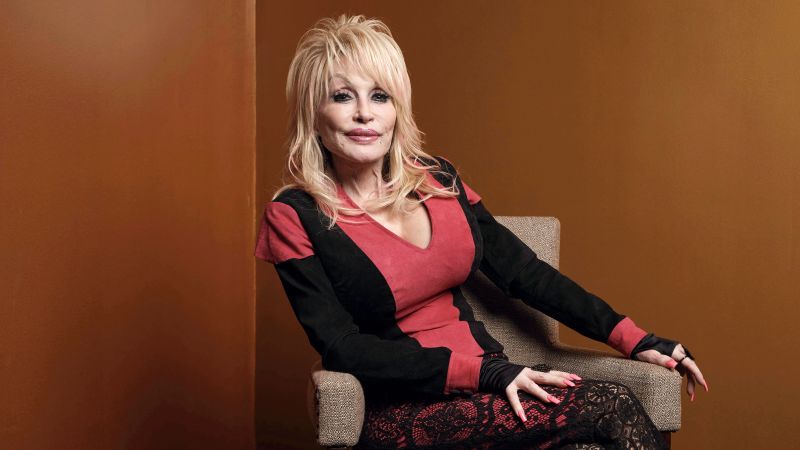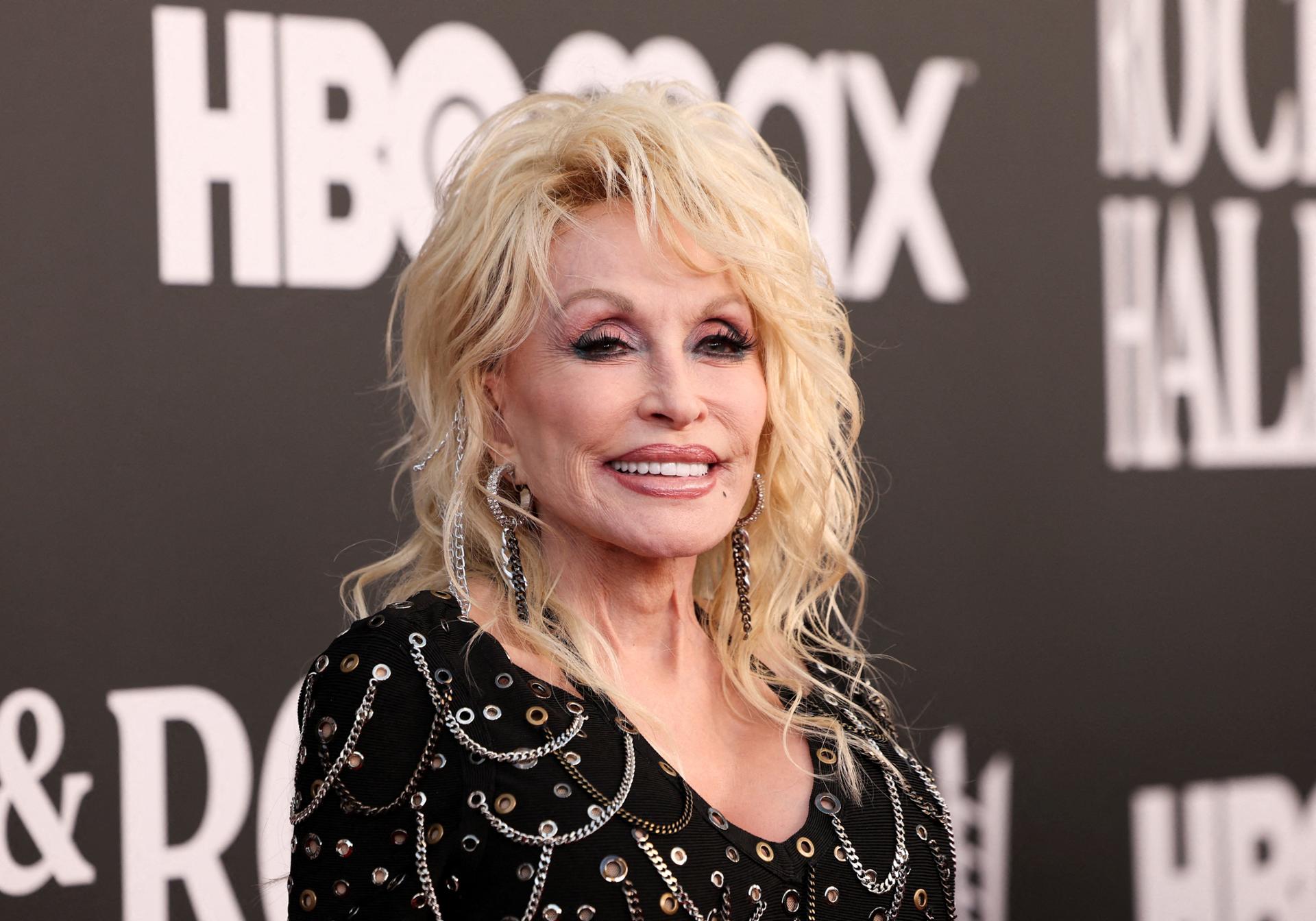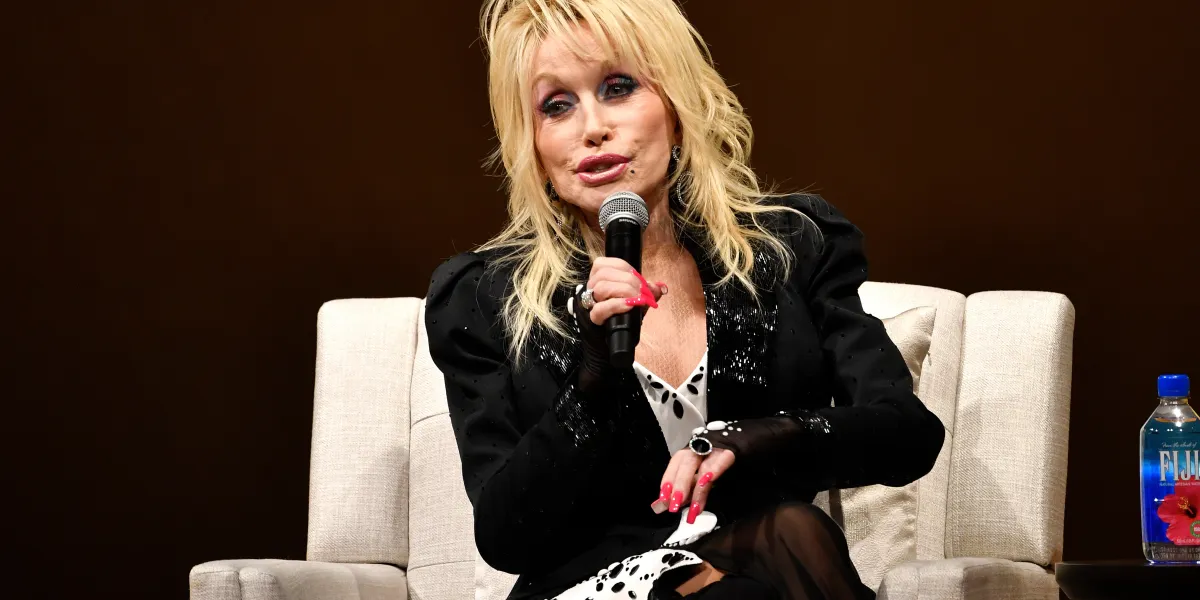
How do you even begin to write a tribute to Dolly Parton? For decades, she has been such a part of the fabric of American life, of the world, that it’s almost inconceivable for her to be gone. And yet, Parton died yesterday at 80, at home in Nashville, her family said.
The New York Times reported that the cause was cancer; she had postponed a Las Vegas residency because of her health last year and said her immune and digestive systems “got all out of whack.” But her most recent illness was brief and took her family by surprise.
Parton’s magic was that she inspired—and still inspires—everyone, no matter your background or beliefs. And that’s by design. Everything Parton was, everything she did—she made it that way. She maintained control and made it look easy.
Parton did it all, and crucially, she defined “all” for herself. “I believed that God didn’t mean for me to have kids so everybody’s kids could be mine,” she said. She had a 58-year marriage, and kept it part of her private life. Through her songs, she changed the world. She blazed a path for women in country music. She always declined to explicitly talk politics, but showed her beliefs through her actions: providing hundreds of millions of books to children through her Imagination Library, giving directly to families affected by natural disasters, funding the research that led to the COVID vaccine, investing some of her millions in royalties from Whitney Houston’s rendition of “I Will Always Love You” in a Black community. She made everyone feel welcome—from other artists to her gay fanbase to the people of Eastern Tennessee, where she grew up. “You can’t be that prejudiced and hateful and go through this world and still be happy,” she said after the wrote the song “Travelin’ Thru.” “I think art can change minds.”